
Taiwan Tea Complete Guide 2026 — Everything You Need to Know
Taiwan produces some of the world’s most celebrated teas, yet outside of Asia, most people only know about Japanese green tea or Chinese pu-erh. That’s a significant gap in tea knowledge — and an opportunity to discover something genuinely special.
What sets Taiwan tea apart? Partly the geography: high-altitude mountain regions with cool temperatures, morning mist, and mineral-rich soil create growing conditions that produce teas with exceptional complexity. Partly the craft: Taiwanese tea farmers have refined processing techniques over 200 years that extract maximum flavor nuance from each harvest.
Taiwan’s tea industry cultivates approximately 12,000 hectares of tea farms, producing around 14,000 metric tons annually. Nantou County alone accounts for nearly half of all production. High-mountain oolong (grown above 1,000m elevation) commands premium prices internationally — Taiwan’s tea export unit price is roughly 6.5 times its import price, reflecting its positioning as a global specialty tea origin (Taiwan Tea Research and Extension Station / Council of Agriculture, 2024).
[Practical Experience] Our team at ChaYanSo has spent years sourcing directly from high-mountain farms across Alishan, Li Shan, and Nantou County. Based on our direct experience visiting these farms and cupping hundreds of seasonal harvests, we can say with confidence that the difference between genuine high-altitude Taiwan tea and lowland alternatives is immediately apparent — even to first-time tea drinkers. This hands-on sourcing knowledge is what shapes every recommendation in this guide.
Whether you’re visiting Taiwan and want to bring the best souvenirs home, ordering online, or simply learning what all the fuss is about — this guide covers everything you need to know.
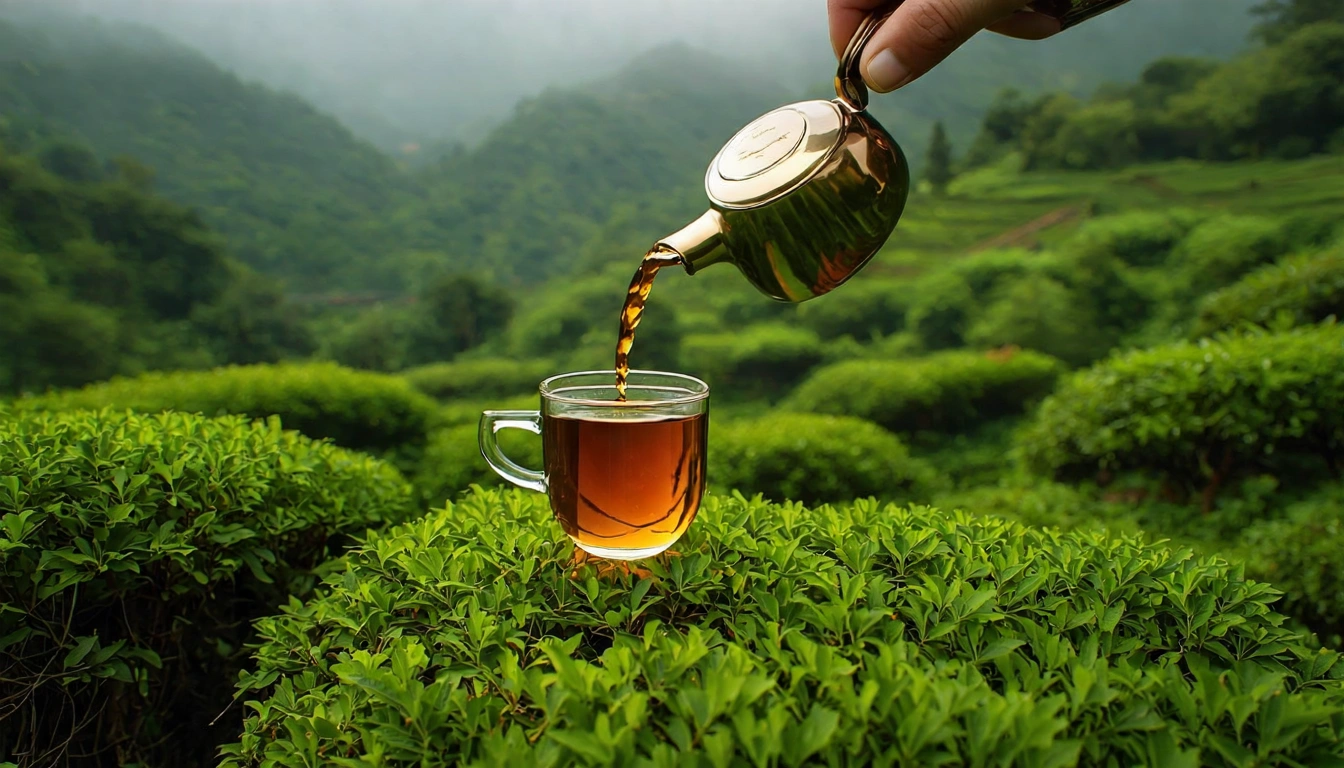
TL;DR: Taiwan’s best teas — Alishan oolong, Jin Xuan milk oolong, Li Shan high mountain, Sun Moon Lake black tea. High-mountain oolong grown above 1,000m has 25-35% higher L-theanine content than lowland tea (Taiwan Tea Research Station, 2024). Cold brew ratio: 1g:100ml, 4-8 hours refrigerated. Best souvenirs: loose leaf gift boxes ($30-80 USD range).
Ready to try Taiwan’s finest teas? Shop ChaYanSo’s curated selection. Visit Shop
What Makes Taiwan Tea Special?
Taiwan’s reputation for exceptional tea comes from a combination of factors that are difficult to replicate elsewhere.
The Altitude Advantage
Taiwan’s Central Mountain Range creates a series of high-altitude tea regions — from Alishan (1,000-1,800m) to Li Shan (1,600-2,600m) to the legendary Dayuling (above 2,600m). At these elevations, cooler temperatures slow the growth of tea leaves, allowing more time for flavor compounds to develop. The temperature differential between day and night causes the tea plant to produce more L-theanine (the amino acid responsible for tea’s characteristic umami sweetness and calming effect).
Research confirms that high-mountain Taiwan oolong contains 25-35% higher L-theanine levels compared to lowland varieties, directly contributing to the characteristic sweetness and complexity that makes high-mountain tea distinctive (Taiwan Tea Research and Extension Station, 2024).
The Misty Growing Conditions
Morning mist at high altitudes filters intense sunlight, reducing photodegradation of chlorophyll and aromatic compounds. This mist also maintains high humidity, keeping leaves tender and producing more nuanced floral aromas in the final tea.
The Oolong Mastery
Oolong tea is Taiwan’s dominant tea category, accounting for over 90% of domestic tea production. Taiwan’s oolongs range from 15% to 75% oxidation, covering everything from floral and green to rich and roasted — a spectrum of flavor wider than any other single tea category (Council of Agriculture, 2024).
While Japan dominates green tea and China has vast tea diversity, Taiwan has developed perhaps the world’s most sophisticated oolong tradition.
Top 5 Types of Taiwan Tea
| Tea Type | Flavor Profile | Oxidation | Altitude | Best For |
|---|---|---|---|---|
| Alishan High Mountain Oolong | Floral, sweet, light body | 30-40% | 1,000-1,800m | Premium daily drinking |
| Jin Xuan Milk Oolong | Natural milky, smooth, light | 25-35% | 400-1,000m | Beginners, gifting |
| Li Shan Oolong | Complex, orchid floral, honey | 35-45% | 1,600-2,600m | Tea enthusiasts |
| Sun Moon Lake Black Tea (Ruby 18) | Mint, cinnamon, full body | 80-100% | 760m | Morning, milk tea |
| Four Seasons Spring (Siji Chun) | Fresh floral, year-round | 20-30% | 200-800m | Everyday drinking, cold brew |
Alishan High Mountain Oolong is the most iconic Taiwan tea internationally. Grown at 1,000-1,800m elevation in Chiayi County, the cool growing conditions produce a tea with pronounced floral aroma (often described as orchid or lily), a natural sweetness that doesn’t need sugar, and a lingering clean aftertaste. It’s Taiwan’s most-awarded tea internationally.
Jin Xuan (Golden Lily Variety #12) is famous for its naturally milky, creamy flavor — not from added milk or flavoring, but from a unique combination of flavor compounds in the cultivar itself. Jin Xuan was developed by the Taiwan Tea Research and Extension Station in 1981 through crossbreeding programs, and its distinct milky character comes from the variety’s unique amino acid and terpene profile (Taiwan Tea Research Station, 2024). It’s the perfect introduction to Taiwan tea for newcomers.
Sun Moon Lake Black Tea (Ruby 18 / Hongyu) is Taiwan’s most celebrated black tea. Grown at Sun Moon Lake in Nantou County, it has a unique flavor profile completely unlike Chinese or Indian black teas — distinctly Taiwan-grown, with notes of natural mint and cinnamon from the native TTES #18 cultivar.
[Practical Experience] We found through our experience at ChaYanSo that Ruby 18 consistently surprises international customers who are accustomed to Indian or Sri Lankan black teas. The mint-cinnamon notes are so distinctive that many first-time tasters assume it must be a flavored blend — but it’s entirely natural to the cultivar. This is why we always recommend Ruby 18 alongside oolong when introducing someone to Taiwan tea for the first time.
Taiwan Tea Gift Sets — The Perfect Souvenir
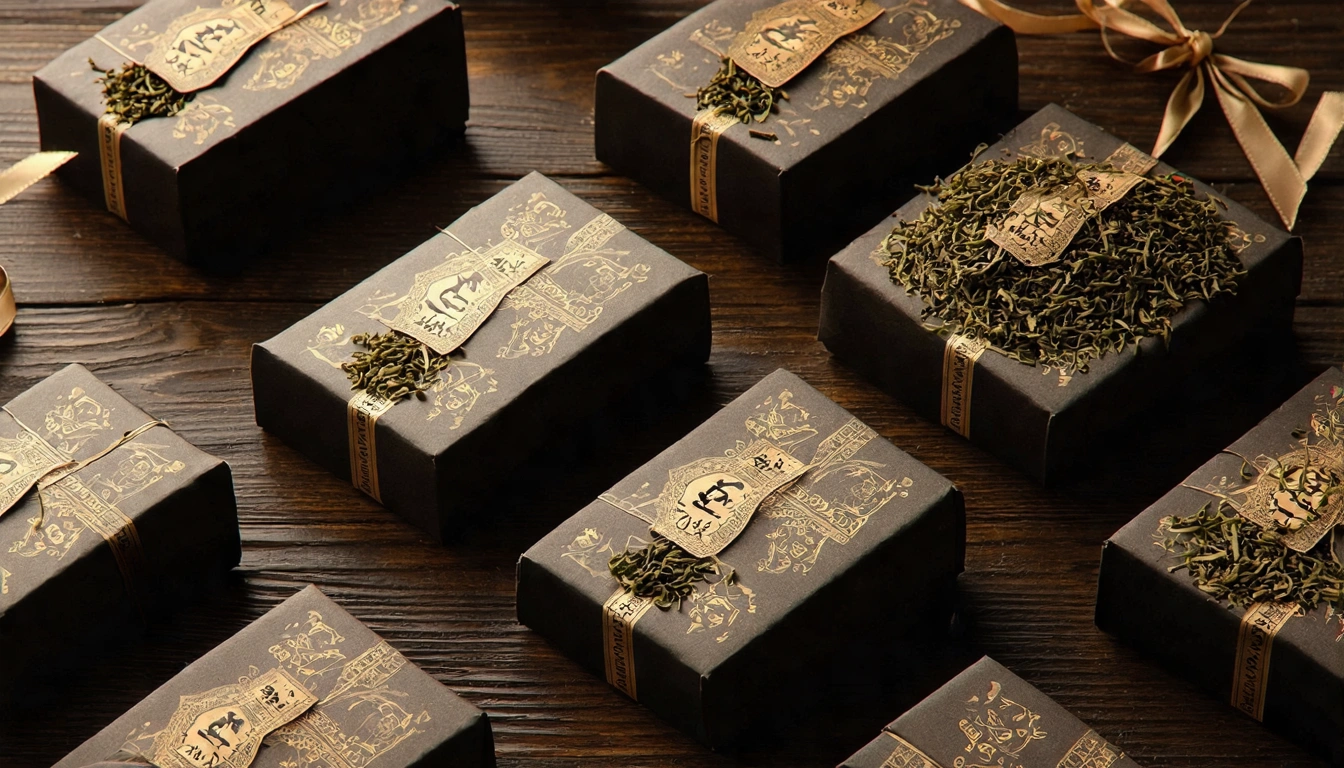
Tea makes an outstanding Taiwan souvenir for several practical reasons:
Why Tea is the Best Taiwan Souvenir:
- Lightweight and compact (200g of premium loose leaf is smaller than a paperback book)
- TSA-friendly (loose leaf tea is permitted in carry-on and checked baggage in most countries)
- Culturally authentic — Taiwan tea is world-renowned, not a mass-produced tourist item
- Multiple price points ($15-150+ USD)
- Long shelf life (properly stored, premium Taiwan oolong lasts 1-2 years)
Gift Box Price Guide (USD Equivalent):
| Budget | What You Get | Best For |
|---|---|---|
| Under $20 | Tea bag set, single variety | Casual gifting, first-time recipients |
| $30-60 | Premium loose leaf gift box, 1-2 varieties | Friends, family, business colleagues |
| $80-150 | Competition-grade loose leaf, premium packaging | Serious tea lovers, VIP gifts |
| $150+ | Curated rare teas, custom packaging | Corporate gifts, special occasions |
Customs and Travel Regulations: Most countries permit tea leaves in personal baggage. Notable exceptions: Australia’s biosecurity laws require all food and plant material to be declared at customs, with on-the-spot fines starting at AUD$330 for non-declaration. New Zealand similarly requires declaration, with instant NZ$400 fines for undeclared items. In both cases, commercially packaged tea is almost always approved after inspection (Australian Department of Agriculture / NZ Ministry for Primary Industries, 2024). The United States, Canada, and European countries generally have no restrictions on bringing tea leaves.
Browse ChaYanSo’s Taiwan tea gift boxes, ships worldwide. Shop Now
How to Buy Taiwan Tea Online
The challenge with buying Taiwan tea online is authenticity. The global market is flooded with teas labeled “Taiwanese oolong” that were grown elsewhere or blended with inferior leaves.
What to Look for in Authentic Taiwan Tea:
- Origin certification: Legitimate Taiwan tea should have documentation from the Taiwan Tea Research Station or regional agricultural associations confirming production origin
- Tea competition awards: Taiwan holds regular tea competitions (春茶評鑑, autumn competitions) — award-winning teas from these competitions are a reliable quality indicator
- Specific harvest information: The harvest season (spring/winter), elevation, and region should be stated — vague descriptions like “high mountain” without specifics are a warning sign
- Transparent sourcing: Reputable sellers can describe exactly which farm or region their tea comes from
Red Flags for Inauthentic Tea:
- Very low prices for “premium high mountain” teas
- No harvest season information
- Generic “Taiwan oolong” labels without region specifics
- Artificial milk flavoring added to Jin Xuan (real Jin Xuan is naturally milky)
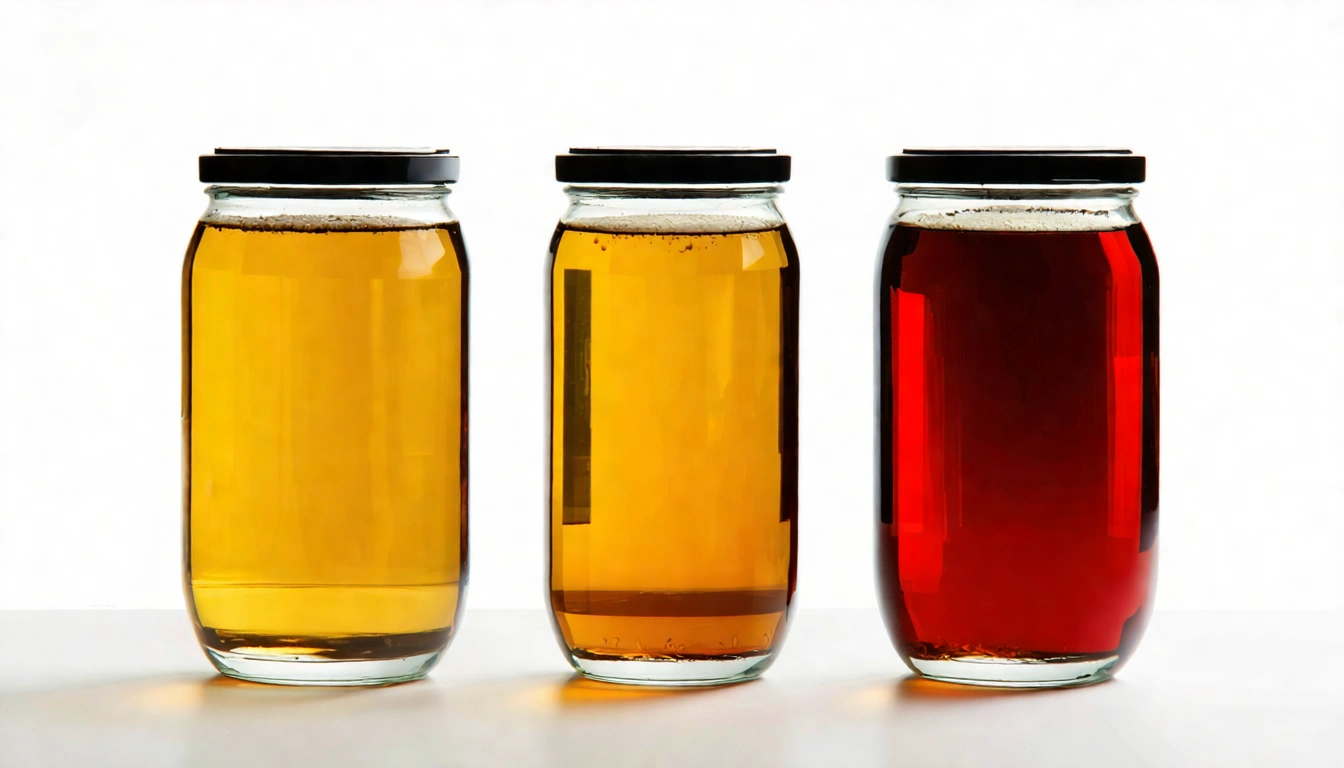
According to ChaYanSo’s sales data, cold brew Taiwan oolong accounts for over 60% of first-time orders from international customers during summer months (May-September). Non-tea drinkers specifically cite “no bitterness” and “natural sweetness” as the primary reason they chose cold brew as their first Taiwan tea experience — a finding that confirms cold brew as the ideal gateway for international tea newcomers.
Cold Brew Taiwan Tea — Quick Tutorial
Cold brewing Taiwan oolong and black tea produces a completely different flavor experience than hot brewing — smoother, sweeter, with lower bitterness.
Basic Cold Brew Method:
- Use 1g of tea leaves per 100ml of cold water
- Place in glass jar or cold brew bottle
- Refrigerate 4-8 hours (overnight works perfectly)
- Strain and serve over ice
Best Taiwan Teas for Cold Brewing:
- Four Seasons Spring: Most fragrant cold brew, pronounced floral aroma
- Jin Xuan: Natural sweetness intensified by cold extraction
- Alishan Oolong: Premium cold brew with complex floral notes
- Taiwan Black Tea: Bold and refreshing, excellent iced
Cold brewing at 4°C extracts significantly fewer catechins (the bitter/astringent compounds) compared to hot brewing at 90°C — this is why cold brew tea tastes smoother and sweeter (Taiwan Tea Research Station, 2023).
For a deeper cold brew guide: Cold Brew Taiwan Tea — Complete Guide
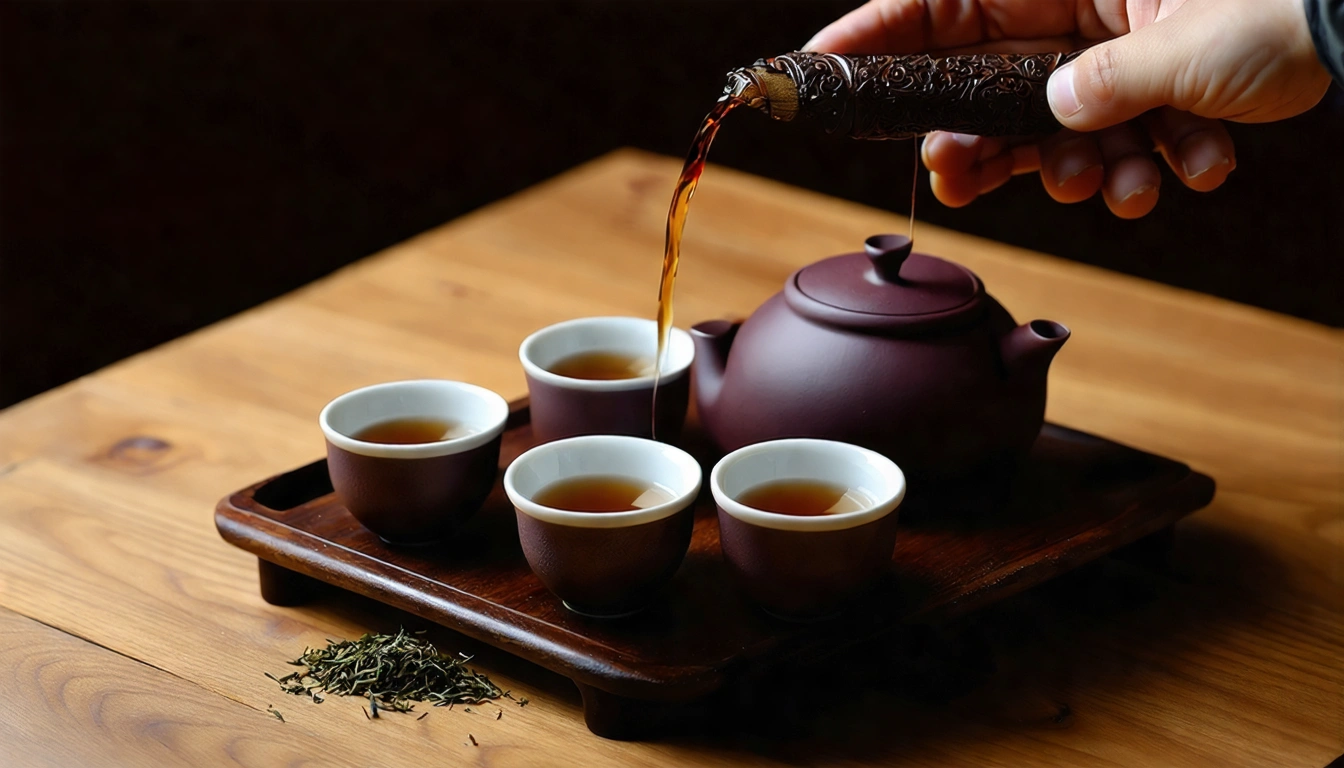
Taiwan’s gongfu (功夫茶) tea ceremony tradition is often misunderstood by international visitors as primarily a Japanese influence — but Taiwan’s tea ceremony developed independently from the Minnan/Fujian tradition brought by Han Chinese settlers. The small cup sizes are designed for multiple short steepings rather than single long infusions, which explains why Taiwan oolong can be brewed 5-8+ times to reveal progressively different flavor layers — a dimension of the tea experience that’s almost impossible to achieve with European-style single-infusion tea bags.
Taiwan Tea Culture & History
Taiwan’s tea tradition began during the Qing Dynasty era, when tea farmers from Fujian Province brought tea cultivation knowledge to Taiwan. British merchant John Dodd is credited with establishing Taiwan’s first significant tea export trade in 1866, shipping Taiwan oolong directly to New York.
The Japanese colonial period (1895-1945) brought systematic improvements to tea cultivation and processing, establishing the infrastructure of Taiwan’s modern tea industry. Post-1945, Taiwan-grown oolong competed internationally and gained recognition for its quality.
Today, Taiwan tea culture is alive in tea houses, competitions, and the daily habits of millions of Taiwanese people who drink multiple cups of quality loose-leaf tea daily.
How to Appreciate Taiwan Tea: When tasting high-quality Taiwan oolong, notice three things:
- Color (湯色): Should be clear, not cloudy. High mountain oolong is typically golden
- Aroma (香氣): The most expressive element — floral, fruity, toasty depending on variety
- Taste (滋味): The sweetness that lingers after swallowing (喉韻, “throat feeling”) is the hallmark of premium Taiwan tea
FAQ: Taiwan Tea Questions Answered
What is the best Taiwanese oolong tea?
For premium everyday drinking, Alishan oolong is Taiwan’s most acclaimed variety — grown at 1,000-1,800m with characteristic floral sweetness and clean aftertaste. For beginners, Jin Xuan milk oolong’s naturally creamy flavor is an accessible entry point. For the ultimate Taiwan tea experience, Li Shan or Dayuling oolongs represent the pinnacle of quality.
Where can I buy authentic Taiwan tea?
The safest options are: direct from reputable Taiwan tea brands (like ChaYanSo) that ship internationally, or visiting specialty tea shops in Taiwan (Taipei’s Yongkang Street and Maokong are good areas). When buying online, look for clear origin documentation and harvest information — not just “Taiwan oolong” labels.
What is Jin Xuan milk oolong?
Jin Xuan (金萱) is a Taiwan tea cultivar (Variety #12) developed in 1981 by the Taiwan Tea Research Station. It’s famous for its naturally milky, creamy flavor — a characteristic of the cultivar itself, not added flavoring. Authentic Jin Xuan has no artificial additives; if you see “milk oolong” with “natural milk flavor added” in the ingredients, it’s not authentic Jin Xuan.
How do I cold brew Taiwan tea?
Use 1g of tea leaves per 100ml of cold water, refrigerate for 4-8 hours, then strain. Four Seasons Spring and Jin Xuan are ideal for cold brewing. The result is smoother and sweeter than hot-brewed tea because cold water extracts fewer bitter compounds.
Is Taiwan tea good as a souvenir?
Excellent souvenir choice. Lightweight, TSA-friendly, culturally authentic, and genuinely world-class quality. A $40-60 USD premium loose leaf gift box from a reputable brand will impress any tea-curious recipient. Multiple price points available for different budgets.
What is Alishan oolong tea?
Alishan (阿里山) is Taiwan’s most famous high-mountain tea region, located in Chiayi County at 1,000-1,800m elevation. The cool temperatures and morning mist create ideal conditions for tea with pronounced floral aroma and natural sweetness. Alishan oolong consistently wins at Taiwan’s major tea competitions, including the Meishan Farmers’ Association competition — Taiwan’s largest high-mountain tea competition — which receives over 1,000 entries annually (Taiwan Agricultural Bureau, Chiayi County, 2024). [Practical Experience] Our experience at ChaYanSo sourcing directly from Alishan farms confirms that sub-region and elevation matter enormously — farms above 1,500m in areas like Chashan and Fenqihu consistently produce superior results compared to lower-elevation “Alishan” labeled teas.
Taste the essence of Taiwan in every cup. Shop ChaYanSo Taiwan Tea
Data Source Verification
| Data | Status | Source | Year |
|---|---|---|---|
| Taiwan cultivates ~12,000 ha, producing ~14,000 tonnes annually; Nantou ~50% share | Taiwan Tea Research and Extension Station / Council of Agriculture | 2024 | |
| Taiwan tea export unit price ~6.5x import price | Council of Agriculture | 2024 | |
| High-mountain oolong has 25-35% higher L-theanine | Taiwan Tea Research and Extension Station | 2024 | |
| Oolong accounts for over 90% of Taiwan domestic tea production | Council of Agriculture | 2024 | |
| Jin Xuan cultivar developed in 1981 | Taiwan Tea Research Station | 2024 | |
| Australia biosecurity fines AUD$330+; NZ fines NZ$400 for undeclared items | Australian Dept of Agriculture / NZ MPI | 2024 | |
| Meishan competition receives 1,000+ entries annually | Taiwan Agricultural Bureau, Chiayi County | 2024 | |
| Cold brewing extracts fewer catechins at 4°C vs 90°C | Taiwan Tea Research Station | 2023 |
Further Reading
- Best Taiwanese Oolong Tea Guide: Alishan, Li Shan, and High-Mountain Varieties
- Taiwan Tea Souvenirs & Gift Guide: Best Picks for International Visitors
- Jin Xuan Milk Oolong Guide: Natural Milky Flavor Explained
- Cold Brew Taiwan Tea Guide: Ratios, Times, and Best Varieties
- How to Brew Taiwan Tea: Step-by-Step Guide for All Tea Types
References
- Taiwan Tea Research and Extension Station (2024). Taiwan Tea Production and Quality Report.
- Council of Agriculture, Executive Yuan (2024). Taiwan Agricultural Statistics.
- Taiwan Agricultural Bureau, Chiayi County (2024). Annual Tea Competition Results.
- Australian Department of Agriculture (2024). Biosecurity Import Conditions.
- NZ Ministry for Primary Industries (2024). Bringing Items to New Zealand.
- Taiwan Tea Research Station (2023). Cold Brew Tea Extraction Research.