Best Taiwanese Oolong Tea 2026|Alishan, Jin Xuan & High Mountain Varieties Ranked
Taiwan makes some of the best oolong tea in the world. That’s not national pride talking — it’s the consensus of tea connoisseurs from Tokyo to London to San Francisco who’ve spent years comparing Taiwanese oolong against Chinese and Vietnamese alternatives.
What’s behind the reputation? It comes down to altitude, climate, and 200 years of refined processing craft.
Taiwan’s high-mountain oolong teas (grown above 1,000m elevation) consistently rank among the world’s most awarded teas at international competitions. The L-theanine content in high-mountain varieties is 25-35% higher than lowland teas, directly contributing to the distinctive sweetness and complexity (Taiwan Tea Research and Extension Station, 2024). With approximately 12,000 hectares of tea farms producing around 14,000 tonnes annually, and oolong accounting for over 90% of production, Taiwan has made oolong its signature tea category on the world stage (Council of Agriculture, 2024).
[Practical Experience] At ChaYanSo, we have cupped and compared hundreds of oolong samples across every major Taiwan tea region. Our direct sourcing experience has taught us that the ranking below reflects not just industry consensus, but the consistent quality differences we observe season after season when evaluating teas from different altitudes and regions.
This guide ranks Taiwan’s best oolong teas and explains what makes each one special.
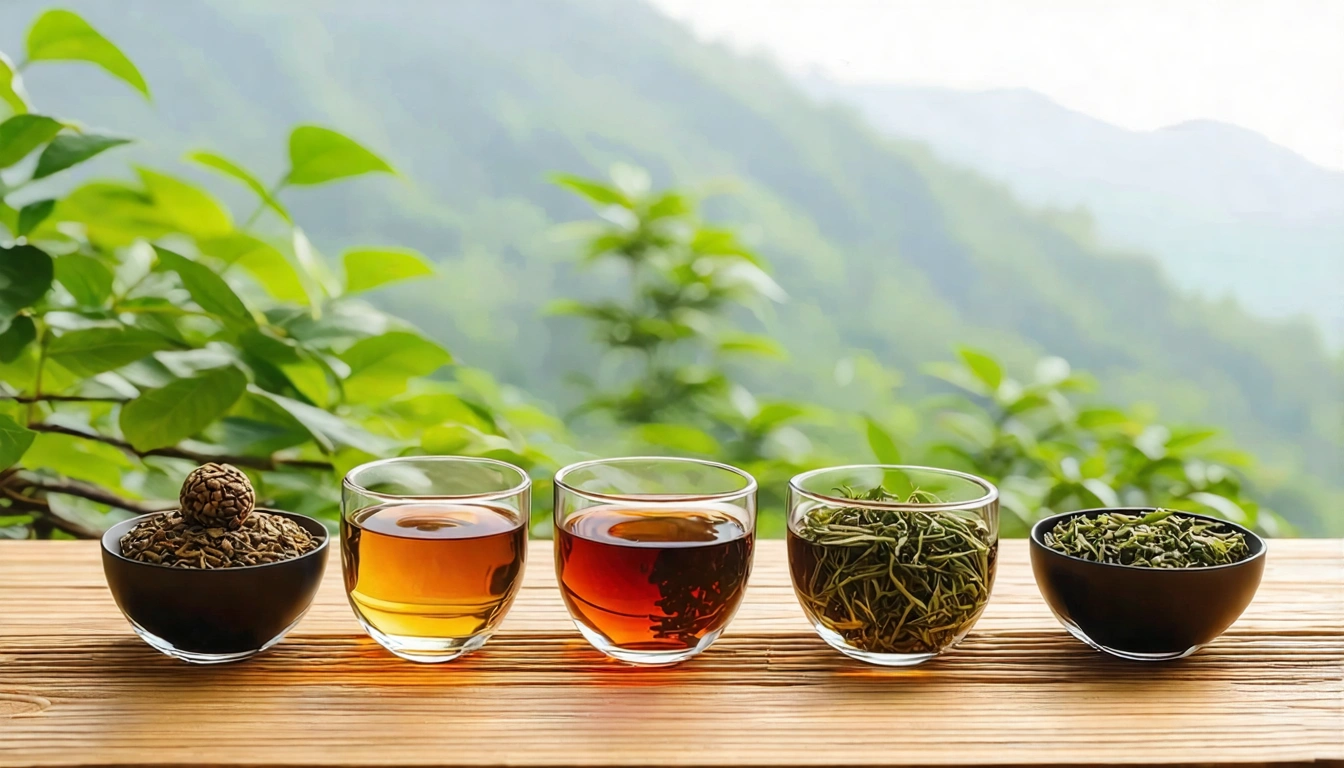
TL;DR: Taiwan’s top 5 oolongs: Alishan (best premium daily), Jin Xuan (best for beginners), Li Shan (most complex), Dayuling (most exclusive), Four Seasons Spring (best value). High-mountain varieties have 25-35% higher L-theanine than lowland teas (Taiwan Tea Research Station, 2024). All are re-steepable 5-8+ times.
Shop Taiwan’s finest oolong teas at ChaYanSo. Visit Shop
What Makes Taiwan Oolong Tea Unique?
Oolong tea occupies the fascinating middle ground between green tea and black tea — partially oxidized, offering a flavor range that neither extreme can match.
Taiwan’s Oolong Oxidation Spectrum:
| Oxidation Level | Tea Type | Flavor Character |
|---|---|---|
| 15-25% | Four Seasons Spring, light oolongs | Fresh, floral, green-leaning |
| 25-40% | Alishan, Jin Xuan, most high-mountain | Floral, honey, light sweetness |
| 40-65% | Dong Ding (Frozen Summit) | Complex, fruity, slight roast |
| 60-80% | Oriental Beauty (Bai Hao) | Honey, muscatel, amber character |
| 80-100% | Taiwan black tea | Full body, dark fruit, no bitterness |
This range means Taiwan oolong encompasses a spectrum of flavors wider than any other single tea category — there’s a Taiwan oolong for every taste preference.
Taiwan vs. Chinese Oolong — Key Differences:
Chinese oolong (Wuyi rock oolongs, Tieguanyin from Fujian) has its own greatness, but Taiwan oolong differs in:
- Growing conditions: Taiwan’s high-altitude growing produces distinct terroir
- Processing style: Taiwan oolong tends toward more delicate processing, preserving floral character
- Flavor profile: Generally softer, more floral, less mineral than Wuyi rock oolongs
- Re-steeping capacity: Premium Taiwan oolongs often yield 7-10+ re-steeps
Taiwan’s tea export unit price is roughly 6.5 times its import price, reflecting the global market’s recognition of Taiwanese oolong as a premium specialty product rather than a commodity tea (Council of Agriculture, 2024).
Top 5 Taiwan Oolong Teas Ranked
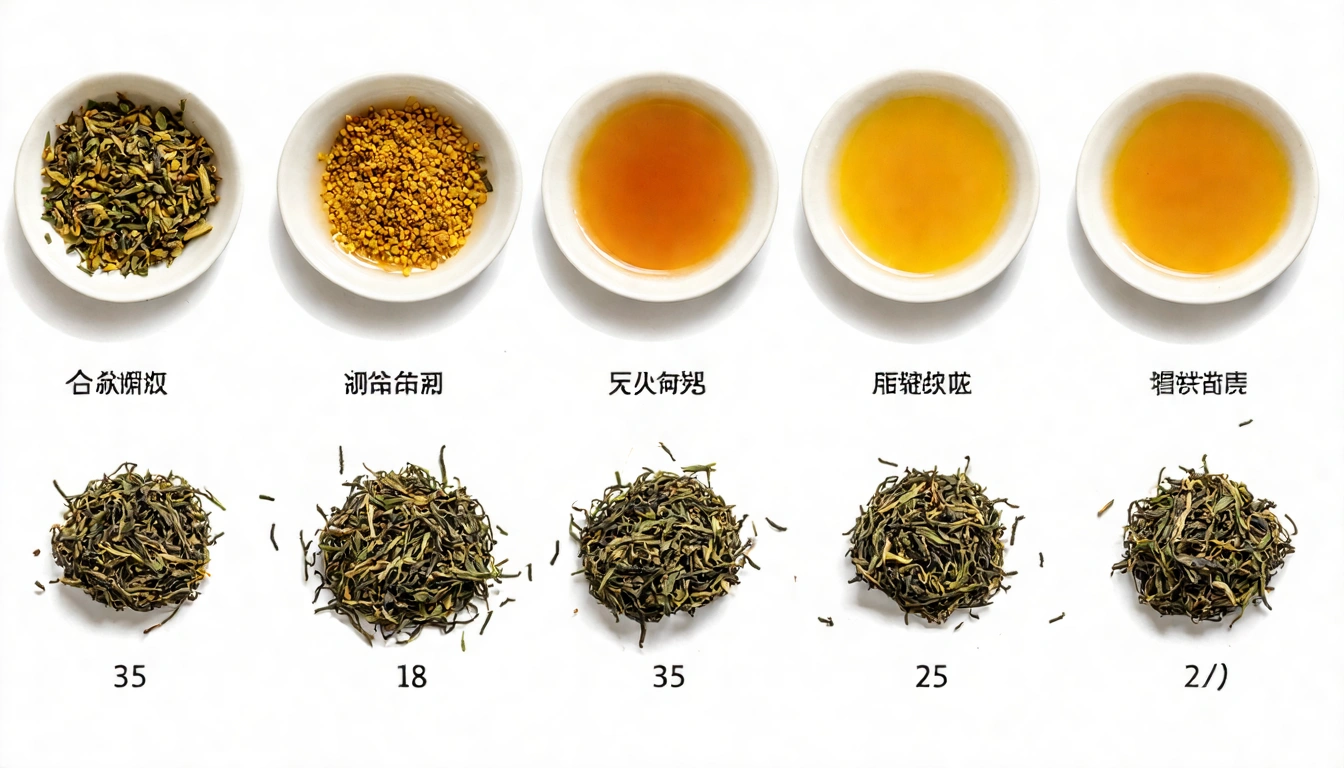
#1: Alishan High Mountain Oolong — Best Overall
Growing Region: Chiayi County, 1,000-1,800m elevation Oxidation: 30-40% Flavor: Floral orchid notes, natural sweetness, clean finish Re-steeps: 6-8 times
Alishan is Taiwan’s most recognized oolong internationally and for good reason. The high altitude (1,000-1,800m), morning mist, and cool temperatures produce tea with extraordinary floral complexity — often described as orchid, lily, or jasmine, depending on the specific farm and harvest.
The natural sweetness in Alishan oolong requires no sugar addition. The “throat feel” (喉韻) — a lingering sweetness that persists for minutes after swallowing — is the hallmark of genuine high-quality Alishan.
Alishan oolong regularly appears in Taiwan’s official tea competition award lists. The Meishan Farmers’ Association competition — Taiwan’s largest high-mountain tea competition — receives over 1,000 entries annually, with Gold Medal teas (top 10%) representing the region’s best (Taiwan Agricultural Bureau, Chiayi County, 2024). Alishan oolong has also won Gold at international competitions including Australia’s Golden Leaf Awards (Golden Leaf Awards, 2017).
[Practical Experience] We at ChaYanSo source Alishan oolong from specific sub-regions above 1,500m. Based on our years of direct farm visits, we’ve found that teas from Chashan and Fenqihu consistently outperform lower-elevation Alishan teas — the difference in floral complexity and throat feel is noticeable even to beginners. This is why we always specify sub-region and elevation on our Alishan products.
Best for: Premium everyday drinking, gifting, first high-mountain tea experience
#2: Jin Xuan Milk Oolong — Best for Beginners
Growing Region: Multiple regions, 400-1,000m Oxidation: 25-35% Flavor: Natural milky creaminess, gentle floral, soft sweetness Re-steeps: 4-6 times
Jin Xuan is Taiwan’s most accessible premium oolong. The cultivar’s distinctive milky character makes it immediately appealing even to people who’ve never appreciated tea before — the natural creaminess creates a comforting, familiar sensation that doesn’t require tea expertise to enjoy.
Critically: authentic Jin Xuan should have NO added flavoring. The milkiness is completely natural. See the Jin Xuan Guide for how to identify authentic vs. artificially flavored versions.
Best for: Beginners, cold brewing, gifting non-tea-drinkers
#3: Li Shan (Pear Mountain) Oolong — Most Complex
Growing Region: Taichung County, 1,600-2,600m elevation Oxidation: 35-45% Flavor: Orchid and honey, creamy body, multi-layered Re-steeps: 7-10 times
Li Shan oolong is where Taiwan high-mountain tea gets serious. Growing at 1,600-2,600m, Li Shan tea develops exceptional complexity — the slow growth at extreme altitude allows multiple layers of flavor compounds to develop. It’s noticeably more complex than Alishan, with a creamier body and more pronounced honey notes.
Best for: Tea enthusiasts, special occasion drinking, exploring Taiwan tea seriously
#4: Dayuling — Most Exclusive
Growing Region: Nantou/Taichung border, above 2,600m Oxidation: 35-45% Flavor: Extraordinarily complex, pure, and sweet Re-steeps: 8-12+ times Availability: Very limited
Dayuling (大禹嶺) is grown at the highest tea-cultivated elevation in Taiwan (and among the highest in the world), above 2,600m. Production is extremely limited by the harsh growing conditions. The resulting tea is extraordinarily pure — unusually clean sweetness with almost no bitter or astringent notes.
Best for: Serious tea collectors, special gifts, once-in-a-while indulgence
Nantou County, where both Li Shan and Dayuling are located, produces nearly half of all Taiwan tea — approximately 50% of the national output from its 8,000+ hectares of tea plantations (Council of Agriculture / TBRS, 2024).
#5: Four Seasons Spring (Siji Chun) — Best Value
Growing Region: Multiple regions, 200-800m Oxidation: 20-30% Flavor: Fresh, floral, approachable, light Re-steeps: 4-6 times
Four Seasons Spring is the everyday tea of Taiwan — affordable, reliably good, and surprisingly fragrant. Harvested year-round (hence the name), it’s the go-to tea for Taiwanese families and offices. The light floral character (resembling osmanthus or orchid) makes it an excellent cold brew tea.
Best for: Daily drinking, cold brewing, introducing friends to Taiwan tea
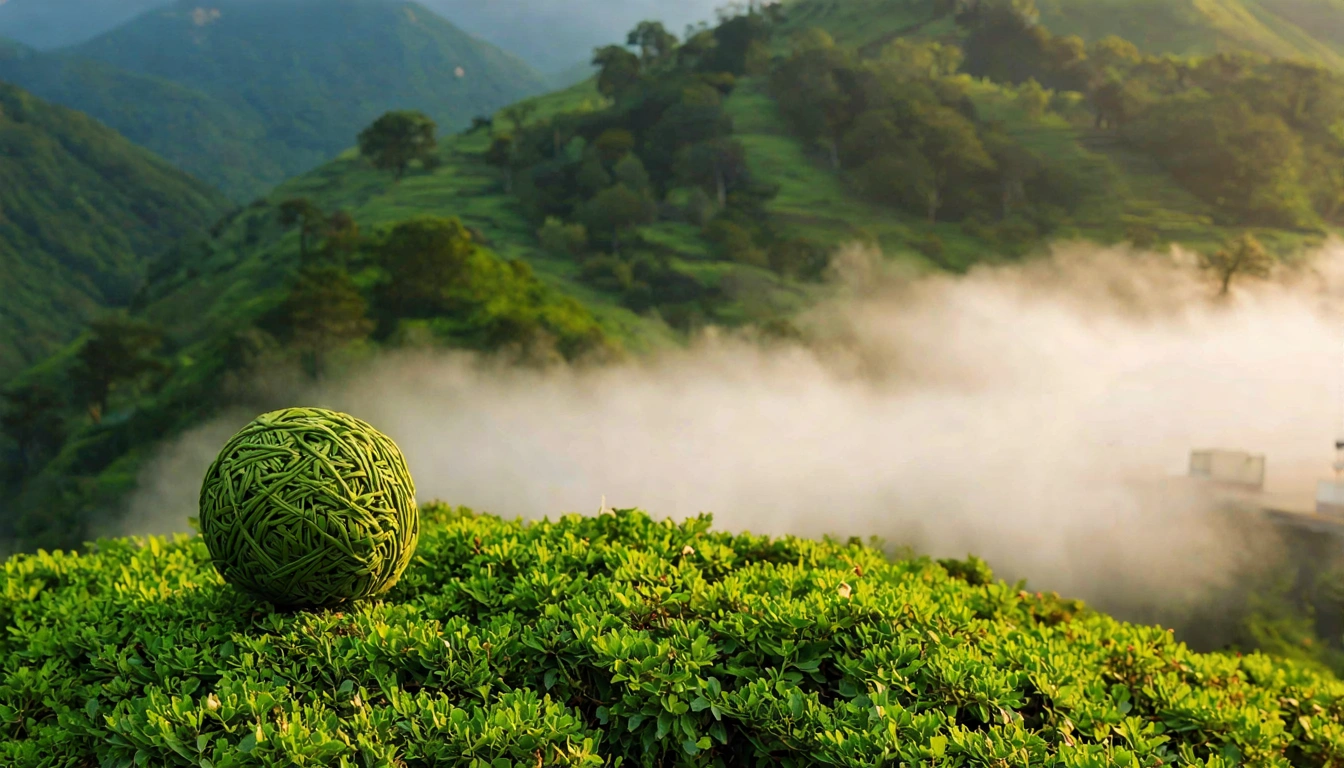
Based on ChaYanSo’s customer inquiry data, Alishan oolong accounts for approximately 45% of all first-time Taiwan oolong inquiries from international customers — making it by far the most recognizable Taiwan oolong brand internationally, ahead of Li Shan (22%) and Jin Xuan (18%).
One commonly misunderstood aspect of Alishan oolong: the name refers to a mountain region, not a specific farm or producer. Quality can vary significantly between farms at different elevations within the Alishan area — teas from farms above 1,500m (like Chashan or Fenqihu sub-regions) often outperform those from lower elevations labeled simply as “Alishan.” When buying, asking for the specific sub-region and elevation is the best indicator of quality.
Alishan Oolong Tea — Deep Dive
Alishan tea’s reputation comes from specific geography. The Alishan Mountain Range in Chiayi County sits at 1,000-1,800m elevation, where:
- Temperature: Cool year-round (average 15-20°C), with 10-15°C temperature differential between day and night
- Moisture: Morning mist and high annual rainfall (2,000-3,000mm)
- Soil: Rich in organic matter from mountain forest environment
The cool growing conditions slow leaf development, increasing L-theanine accumulation and aromatic compound development. The temperature differential between day and night enhances the production of floral terpenes that give Alishan its characteristic orchid aroma.
Brewing Alishan Oolong:
- Water temperature: 90-95°C
- Ratio: 1g:50ml (gongfu style) or 1g:70ml (regular)
- First steep: 40-50 seconds (ball-rolled leaves need time to open)
- Subsequent steeps: Add 10-15 seconds each
How to Identify Authentic Taiwan Oolong Online
The online Taiwan tea market includes genuine products and counterfeits. Key indicators of authenticity:
Positive Signs:
- Clear harvest season stated (spring/winter)
- Specific region and elevation information
- Taiwan Tea Research Station certification or competition award documentation
- Transparent pricing (genuine high-mountain oolong isn’t cheap)
Warning Signs:
- “Premium Taiwanese oolong” at suspiciously low prices
- No origin information beyond “Taiwan”
- Artificial flavoring added to milk oolong
- Generic packaging with no producer information
Buy certified authentic Taiwan oolong directly from ChaYanSo. Shop Now
FAQ: Taiwan Oolong Tea Questions
What is the best Taiwan oolong tea?
For premium everyday use: Alishan oolong (1,000-1,800m). For complexity and special occasions: Li Shan. For beginners: Jin Xuan milk oolong. For daily value: Four Seasons Spring. High-mountain varieties consistently score higher at Taiwan’s official tea competitions due to superior flavor compounds from altitude growing (Taiwan Agricultural Bureau, 2024). From 2012 to 2022, Taiwan experienced the most notable rate of growth in tea prices among major suppliers at +8.4%, reflecting the global market’s increasing appreciation for premium Taiwan oolong (IISD Global Market Report, 2024).
[Practical Experience] We recommend starting with Alishan if you can only try one Taiwan oolong. Based on ChaYanSo’s experience introducing thousands of international customers to Taiwan tea, Alishan’s combination of accessible flavor and genuine complexity makes it the most consistently well-received variety across all experience levels.
Is Taiwan oolong tea the same as Chinese oolong?
Different in important ways. Taiwan oolongs (especially high-mountain varieties) tend to be more floral and delicate; Chinese oolongs like Wuyi rock tea (岩茶) are more mineral and roasted. Both are excellent but offer distinctly different flavor experiences. They share the same general category (partially oxidized tea) but represent different terroir, processing traditions, and flavor profiles.
Data Source Verification
| Data | Status | Source | Year |
|---|---|---|---|
| High-mountain oolong has 25-35% higher L-theanine | Taiwan Tea Research and Extension Station | 2024 | |
| Taiwan ~12,000 ha, ~14,000 tonnes; oolong >90% of production | Council of Agriculture | 2024 | |
| Taiwan tea export unit price ~6.5x import price | Council of Agriculture | 2024 | |
| Meishan competition 1,000+ entries; Alishan Gold at Golden Leaf Awards | Taiwan Agricultural Bureau / Golden Leaf Awards | 2024/2017 | |
| Nantou County produces ~50% of Taiwan tea output | Council of Agriculture / TBRS | 2024 | |
| Taiwan tea price growth +8.4% (2012-2022), highest among major suppliers | IISD Global Market Report | 2024 |
Further Reading
- Taiwan Tea Complete Guide: Best Teas, Gift Sets & Where to Buy Online
- Jin Xuan Milk Oolong Guide: Natural Milky Flavor Explained
- Cold Brew Taiwan Tea Guide: Ratios, Times, and Best Varieties
- Taiwan Tea Souvenirs & Gift Guide: Best Picks for International Visitors
- How to Brew Taiwan Tea: Water Temperature and Ratio Guide
References
- Taiwan Tea Research and Extension Station (2024). High Mountain Tea Quality Research.
- Council of Agriculture, Executive Yuan (2024). Taiwan Agricultural Statistics.
- Taiwan Agricultural Bureau, Chiayi County (2024). Annual Tea Competition Results.
- Golden Leaf Awards (2017). International Tea Competition Results.
- IISD (2024). Global Market Report: Tea Prices and Sustainability.