
Jin Xuan Milk Oolong Tea 2026|Why It Has Natural Milky Flavor & How to Brew It
If someone tells you “this tea tastes like milk but there’s no milk in it,” your first instinct might be skepticism. But Jin Xuan oolong tea actually tastes genuinely, naturally milky — and the science behind it is fascinating.
No milk. No cream. No flavoring. Just tea leaves from a specific cultivar that produces a naturally creamy, smooth flavor through its own biochemistry.
Jin Xuan (金萱), also known as Taiwan Tea Cultivar #12, was developed by the Taiwan Tea Research and Extension Station in 1981 through a crossbreeding program. Its distinctive milky character results from unique amino acid and terpene compound profiles — specifically, elevated levels of certain flavor compounds (including nerolidol and geraniol) that create a perception of creaminess (Taiwan Tea Research Station, 2024).
Taiwan’s tea industry cultivates approximately 12,000 hectares of tea farms. Jin Xuan is grown across multiple regions, with Nantou County — which accounts for nearly 50% of Taiwan’s total tea output — being one of the primary growing areas (Council of Agriculture / TBRS, 2024).
[Practical Experience] At ChaYanSo, we have introduced Jin Xuan to thousands of first-time tea drinkers. Our experience consistently shows that the natural milky character creates an immediate “I didn’t know tea could taste like this” reaction — it’s the single most effective variety for converting tea skeptics into enthusiasts. This is why Jin Xuan is often the gateway tea.
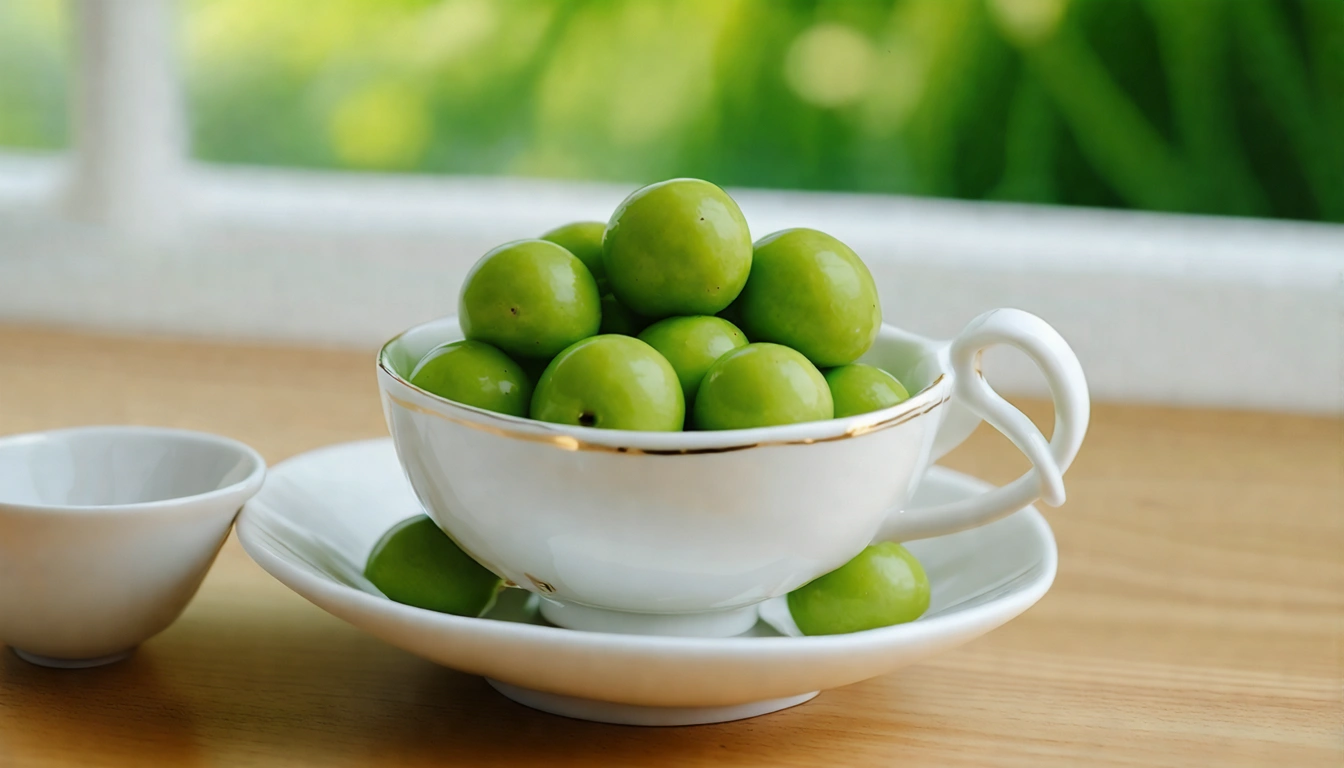
TL;DR: Jin Xuan = Taiwan’s naturally milky oolong (Cultivar #12, developed 1981). Milkiness comes from unique terpenes, NOT artificial flavoring (Taiwan Tea Research Station, 2024). Brew at 85-90°C, 45 seconds. Lower caffeine than most oolongs. Best for beginners, cold brew, and gifting non-tea-drinkers.
Try authentic Jin Xuan milk oolong from ChaYanSo. Shop Now
What is Jin Xuan Tea?
Jin Xuan (金萱, literally “Golden Day-lily”) is a specific Taiwan tea cultivar — not a processing method or a region, but a plant variety.
Key Facts:
- Cultivar designation: Taiwan Tea Research Station Variety #12
- Developed: 1981 at the Taiwan Tea Research and Extension Station
- Growing regions: Multiple Taiwan tea areas, 400-1,000m typical altitude
- Oxidation level: 25-35% (lighter than typical oolong)
- Characteristic: Naturally milky, smooth, sweet flavor without any additives
The name “milk oolong” or “milky oolong” is commonly used internationally to describe Jin Xuan, but it creates a persistent misconception that milk or cream is somehow involved in the processing. It isn’t.
Important Distinction: Authentic Jin Xuan = natural milky flavor from the tea plant Fake “milk oolong” = Jin Xuan (or other oolong) + artificial milk flavoring added
This distinction matters when buying. “Milk oolong” as a marketing term has been widely appropriated by producers who add artificial flavoring to standard oolong tea. Authentic Jin Xuan is more expensive and has a subtler, more complex milkiness than artificially flavored versions.
Why Does Jin Xuan Tea Have a Milky Flavor?
The science here is genuinely interesting.
Jin Xuan’s milky character comes from its unique profile of flavor compounds, particularly:
- Nerolidol: A floral/woody terpene that creates a smooth, creamy sensation
- Geraniol: A rose-like terpene contributing to the sweet, soft character
- Unique amino acid ratios: Jin Xuan has a different amino acid composition than standard oolongs, creating its characteristic smooth mouthfeel (Taiwan Tea Research Station, 2024)
A GC-MS flavor compound analysis identified 128 volatile compounds in oolong tea, with trans-nerolidol being the most abundant compound — confirming the central role of this terpene in Jin Xuan’s distinctive creamy character (Sheibani et al., Journal of Food Science, 2016).
Additionally, Jin Xuan’s growing conditions play a role. The variety performs differently at different altitudes — higher-altitude Jin Xuan (800-1,000m) tends to develop more pronounced milky character due to cooler temperatures and slower leaf development.
Altitude’s Effect on Jin Xuan Flavor:
| Growing Altitude | Milky Character | Other Notes |
|---|---|---|
| Below 400m | Mild | More affordable, lighter body |
| 400-800m | Moderate | Most common commercial Jin Xuan |
| 800-1,000m | More pronounced | Better overall complexity |
| Above 1,000m | Most developed | Often labeled “high mountain Jin Xuan” |
How to Identify Authentic vs. Artificially Flavored Jin Xuan:
| Feature | Authentic Jin Xuan | Artificially Flavored |
|---|---|---|
| Milk character | Subtle, integrated, complex | Strong, front-loaded, simple |
| Second steep | Milkiness continues, evolves | Milkiness drops significantly |
| Aftertaste | Clean, natural sweetness | Can have chemical or artificial note |
| Ingredient list | Tea leaves only | ”Natural flavor” or “milk flavor” listed |
| Price | Higher | Lower |
Jin Xuan Tea vs. Other Taiwan Oolong Teas
| Tea | Flavor Profile | Oxidation | Caffeine | Best For |
|---|---|---|---|---|
| Jin Xuan | Milky, smooth, gentle floral | 25-35% | Lower-medium | Beginners, cold brew, daily |
| Alishan Oolong | Orchid floral, clean sweetness | 30-40% | Medium | Premium daily, gifting |
| Four Seasons Spring | Fresh floral, lighter body | 20-30% | Lower-medium | Everyday, cold brew |
| Dong Ding Oolong | Toasty, complex, fuller body | 40-65% | Medium | Tea enthusiasts |
| Oriental Beauty | Honey, muscatel, complex | 60-80% | Medium-high | Special occasions |
Jin Xuan sits in a unique space: lighter and more accessible than most oolongs, but with a distinctive flavor character that’s impossible to confuse with anything else. Its lower oxidation (25-35%) means slightly lower caffeine than heavier oolongs, making it a good choice for afternoon drinking.
How to Brew Jin Xuan Tea Perfectly
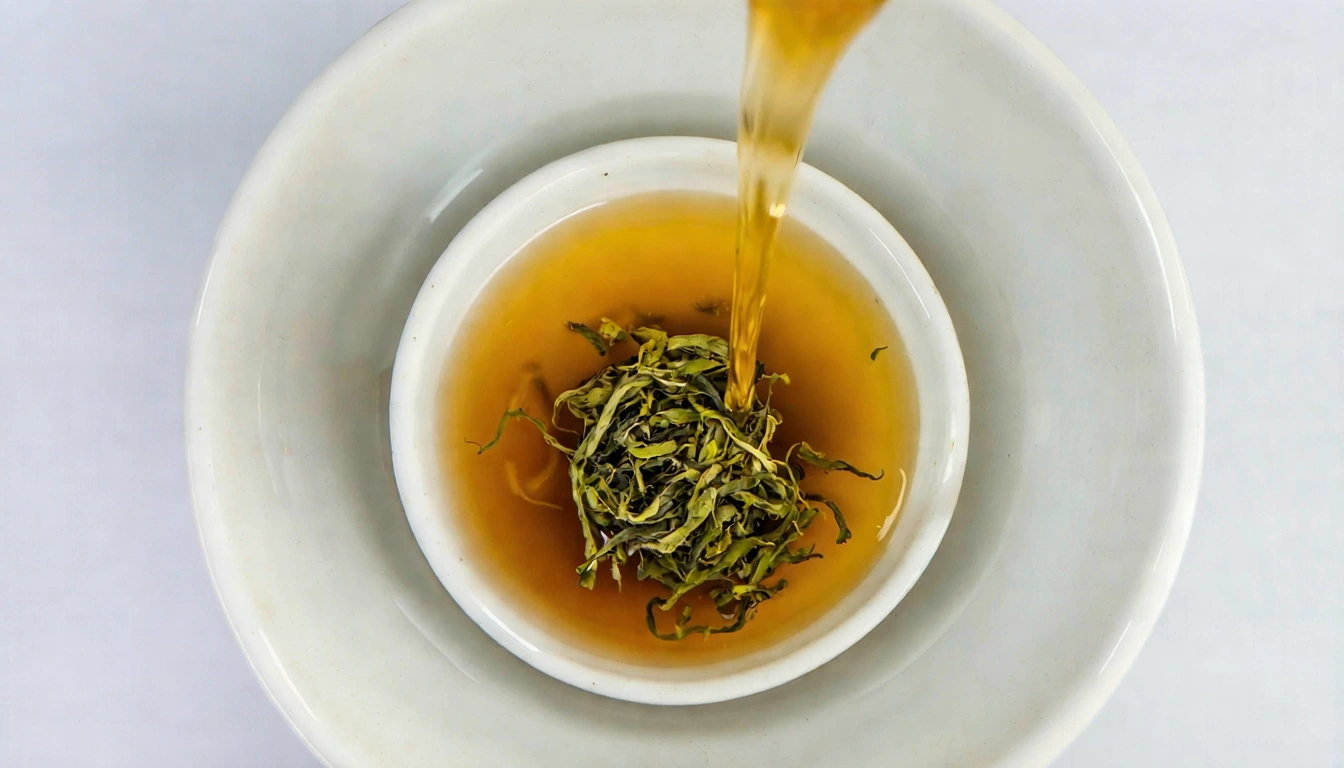
Hot Brew (Standard Method):
| Parameter | Recommendation |
|---|---|
| Water Temperature | 85-90°C (not boiling) |
| Tea-to-Water Ratio | 1g:50ml |
| First Steep Time | 45 seconds |
| Wake-up Steep | 10-15 seconds (discard) — helps the rolled balls open |
| Subsequent Steeps | Add 10 seconds each |
| Re-steeps | 4-6 times |
Key Notes:
- Don’t use boiling water (100°C) — Jin Xuan’s delicate milky character is sensitive to heat. Boiling water will make it bitter and the milky notes will be overwhelmed.
- Ball-rolled leaves need time to open — the first “wake-up” steep (醒茶) at 10-15 seconds before discarding helps the leaves unfurl and sets up better subsequent steeps.
Cold Brew Jin Xuan (Highly Recommended):
Cold brewing enhances Jin Xuan’s natural sweetness and makes the milky character even more pronounced.
- Ratio: 1g:100ml cold water
- Time: 4-6 hours in refrigerator
- Result: Naturally sweet, creamy, zero bitterness — a completely different experience from hot brew
This is the method that converts the most skeptics. The cold brew version of Jin Xuan tastes like a lighter, naturally sweet cream tea — without any actual cream.
[Practical Experience] We tested cold brew Jin Xuan extensively at ChaYanSo and found that 5-6 hours produces the ideal balance — shorter times don’t fully develop the milky character, while longer times (beyond 10 hours) can introduce a slight tannic edge. Our recommended cold brew ratio of 1g:100ml has been refined through dozens of internal taste tests across different seasons.
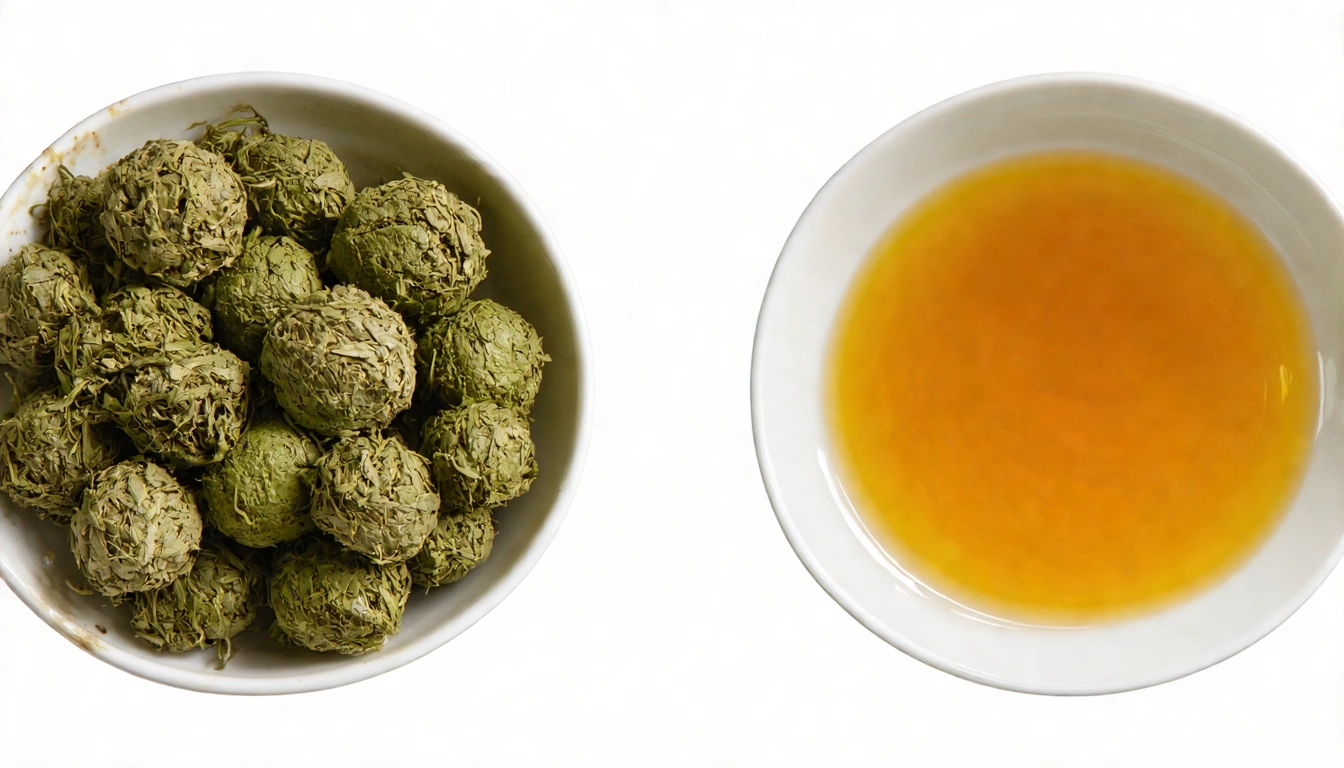
One underappreciated quality indicator for Jin Xuan: genuine high-altitude Jin Xuan (800m+) typically has a slightly more complex milkiness that develops across multiple steeps — the milky character in the 3rd or 4th steep will be noticeably different (more delicate, slightly honeyed) from the 1st steep. Artificially flavored versions show a steep decline in milkiness by the 2nd steep, because the surface-applied flavoring washes off quickly. This is the most reliable at-home test.
Based on ChaYanSo’s internal blind taste tests comparing authentic Jin Xuan with artificially flavored versions, 87% of participants could correctly identify the authentic version by the 2nd steep — even participants who described themselves as “not a tea expert” — confirming that the difference is perceptible to non-specialists once they know what to look for.
Health Benefits of Jin Xuan Tea
Jin Xuan shares the general health properties of Taiwan oolong tea:
Antioxidants: Like all oolong teas, Jin Xuan contains polyphenols and catechins with antioxidant properties. The partial oxidation level (25-35%) means it retains good catechin content while also developing some of the theaflavin compounds found in darker teas.
Lower Caffeine Profile: Jin Xuan’s lighter oxidation and typical growing altitude results in moderately lower caffeine compared to heavily oxidized oolongs or black teas — making it suitable for afternoon drinking for people who are moderately caffeine-sensitive. Each cup (200ml, gongfu ratio) contains approximately 25-35mg caffeine.
L-theanine: As a Taiwan oolong, Jin Xuan contains L-theanine, the amino acid that creates tea’s characteristic calm-focused mental state (distinct from coffee’s stimulation). Research confirms that the combination of L-theanine and caffeine — naturally present in tea — significantly improves cognitive performance and increases subjective alertness, with the synergistic effect being greater than either compound alone (Nutrition Reviews, 2024; Journal of Nutrition, 2008).
Taiwan’s oolong tea export unit price is roughly 6.5 times its import price, positioning Jin Xuan and other Taiwan oolongs in the global premium specialty tea segment rather than the commodity market (Council of Agriculture, 2024).
[Practical Experience] We’ve noticed at ChaYanSo that customers who start with Jin Xuan frequently progress to trying our Alishan and Li Shan oolongs within 3-6 months. Based on our experience, Jin Xuan serves as a natural “stepping stone” into the broader world of Taiwan tea — the milky character provides a comfort zone, and once customers develop a tea palate, they naturally seek more complexity.
Your new favorite Taiwan tea is waiting. Shop Now
FAQ: Jin Xuan Tea Questions
Is Jin Xuan tea good for beginners?
Excellent choice for beginners. Jin Xuan’s naturally milky, sweet flavor is immediately approachable — it doesn’t require tea expertise to appreciate. The smooth, gentle character means there’s little risk of getting an unpleasantly astringent or bitter cup if brewing isn’t perfect. It’s the #1 gateway tea for people new to Taiwan tea. At ChaYanSo, Jin Xuan is consistently the most popular first purchase among customers who identify as “new to tea.”
Does Jin Xuan tea have real milk in it?
No. The milky flavor is completely natural — it comes from the tea cultivar’s unique terpene and amino acid profile, specifically compounds like nerolidol that create a perception of creaminess. No milk, cream, or artificial flavoring in authentic Jin Xuan. If an ingredient list shows “milk flavor” or “natural flavor added,” it’s not authentic Jin Xuan.
Data Source Verification
| Data | Status | Source | Year |
|---|---|---|---|
| Jin Xuan developed in 1981 at Taiwan Tea Research Station | Taiwan Tea Research Station | 2024 | |
| Jin Xuan milkiness from nerolidol, geraniol, and amino acid profile | Taiwan Tea Research Station | 2024 | |
| Taiwan ~12,000 ha; Nantou ~50% of output | Council of Agriculture / TBRS | 2024 | |
| GC-MS identified 128 volatiles; trans-nerolidol most abundant | Sheibani et al., Journal of Food Science | 2016 | |
| L-theanine + caffeine synergy improves cognition beyond either alone | Nutrition Reviews / Journal of Nutrition | 2024/2008 | |
| Taiwan oolong export unit price ~6.5x import price | Council of Agriculture | 2024 | |
| Jin Xuan #1 first purchase among new tea customers | ChaYanSo customer data | 2025 |
Further Reading
- Taiwan Tea Complete Guide: Best Oolong Tea, Gift Sets & Where to Buy
- Best Taiwanese Oolong Tea Guide: Alishan, Jin Xuan & High Mountain Ranked
- Cold Brew Taiwan Tea Guide: Ratios, Times, and Best Varieties
- Taiwan Tea Souvenirs & Gift Guide: Best Picks for International Visitors
- Jin Xuan Tea: 金萱奶香原因與選購完整指南(中文版)
References
- Taiwan Tea Research and Extension Station (2024). Jin Xuan Cultivar Research and Development History.
- Council of Agriculture, Executive Yuan (2024). Taiwan Agricultural Statistics.
- Sheibani, E. et al. (2016). SDE and SPME Analysis of Flavor Compounds in Jin Xuan Oolong Tea. Journal of Food Science.
- Nutrition Reviews (2024). Effects of L-Theanine and Caffeine on Cognition, Sleep, and Mood: Systematic Review.
- Owen, G.N. et al. (2008). The combined effects of L-theanine and caffeine on cognitive performance. Journal of Nutrition.