Cold Brew Taiwan Tea 2026|How to Make Perfect Cold Brew Oolong & Black Tea at Home
If you’ve only ever had iced tea made by brewing hot then pouring over ice, you haven’t experienced cold brew tea. They taste completely different — and cold brew is almost always better.
Cold brew tea is smoother, sweeter, and more complex. The bitterness that sometimes appears in quick-chilled hot tea disappears almost entirely. The natural sweetness of Taiwan oolong becomes the dominant characteristic. For summer drinking, there’s nothing better.
The science is clear: cold water (4°C) extracts significantly fewer catechins (the bitter/astringent polyphenols) compared to hot water at 90°C. Research shows catechin extraction in cold brew is approximately 30-50% lower than hot brew — explaining why cold brew tastes smoother and sweeter without sacrificing the beneficial antioxidant properties (Taiwan Tea Research Station, 2023).
Research on low-temperature tea extraction confirms that brewing at 20°C for extended periods produces exceptionally high antioxidant capacity, along with higher yields of vitamin C, epicatechin, and epigallocatechin compared to high-temperature methods — meaning cold brew preserves more beneficial compounds, not fewer (ScienceDirect, 2025). Taiwan’s tea industry produces approximately 14,000 tonnes annually from 12,000 hectares, with oolong — the ideal cold brew base — accounting for over 90% of production (Council of Agriculture / TBRS, 2024).
[Practical Experience] At ChaYanSo, we’ve been recommending cold brew as the entry point for international customers since our earliest days. Our experience shows that cold brew consistently wins over people who previously found hot tea “too bitter” or “too complicated” — the simplicity of the method combined with the naturally sweet, smooth result makes it the lowest-barrier way to discover Taiwan tea.
And the method? Embarrassingly simple.
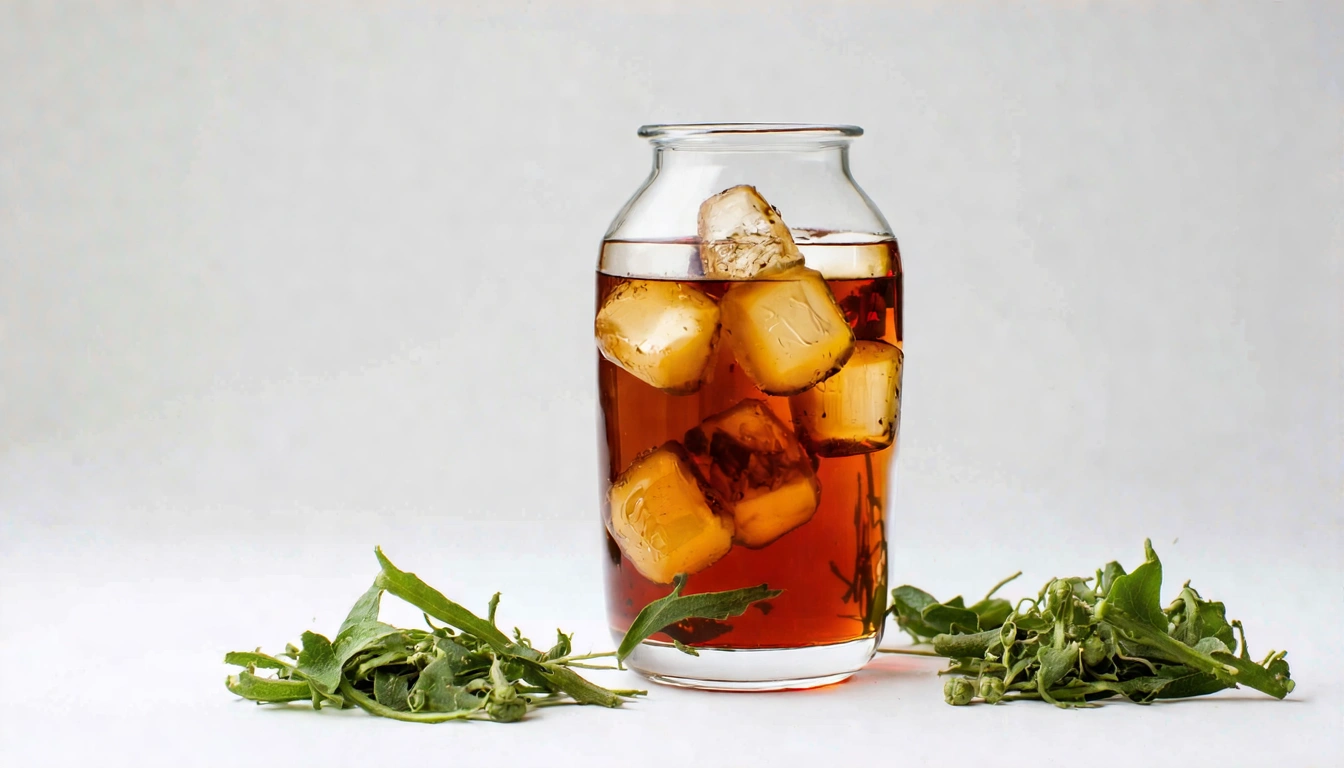
TL;DR: Cold brew Taiwan tea = 1g tea : 100ml cold water, 4-8 hours refrigerated. 30-50% fewer bitter catechins than hot brew = smoother, sweeter taste (Taiwan Tea Research Station, 2023). Best teas: Four Seasons Spring (#1), Jin Xuan (#2), Taiwan Black Tea (#3). Lasts 3-5 days refrigerated.
The best Taiwan teas for cold brewing, curated by ChaYanSo. Shop Now
What is Cold Brew Tea and Why Try It?
Cold brew tea is exactly what it sounds like: tea brewed with cold (or room temperature) water over a long time, instead of hot water over a short time.
The key difference isn’t just temperature — it’s what temperature selects for in the extraction process.
Hot Brew: High temperature, 30-60 seconds. Extracts everything quickly — flavor, aroma, caffeine, AND bitter compounds. The speed means less control over what you get.
Cold Brew: Low temperature, 4-8 hours. Extracts flavor and aroma more selectively. Bitter catechins are much less soluble in cold water, so they stay in the leaves. The amino acids (including L-theanine) that create sweetness and smooth mouthfeel are more efficiently extracted relative to bitter compounds.
The result: Cold brew Taiwan tea tastes noticeably smoother and sweeter than the same tea brewed hot. The floral notes of oolong, the natural sweetness of high-mountain teas, the honey character of Four Seasons Spring — all of these shine more brightly in cold brew.
There are two other practical advantages:
- Zero skill required — you literally cannot over-steep cold brew (beyond 12 hours it might get slightly tannic, but it won’t get the sharp bitterness of over-steeped hot tea)
- Perfect for meal prep — make a liter the night before, wake up to perfect cold tea
How to Cold Brew Taiwan Tea — Step by Step
What You Need:
- A glass jar or cold brew bottle (1L capacity works well for daily use)
- Tea leaves (loose or bagged)
- Cold or room temperature water
- Refrigerator
The Process:
-
Measure your tea: Use 1g of tea per 100ml of water. For a 1-liter jar, that’s 10g of tea leaves (approximately 2-3 teaspoons of loose leaf).
-
Add tea and water: Place tea leaves directly in jar (or in a strainer insert), pour cold water. No need to filter yet.
-
Refrigerate: Cover and place in refrigerator. Don’t rush this — 4-8 hours is the minimum for most teas.
-
Strain and serve: Remove tea leaves, pour over ice or drink straight from the jar. It’s ready.
Timing by Tea Type:
| Tea Type | Minimum | Optimal | Maximum |
|---|---|---|---|
| Four Seasons Spring | 3 hours | 5-6 hours | 12 hours |
| Jin Xuan Milk Oolong | 4 hours | 5-6 hours | 10 hours |
| Alishan Oolong | 4 hours | 6-8 hours | 12 hours |
| Taiwan Black Tea | 5 hours | 7-8 hours | 12 hours |
| Taiwan Green Tea | 2 hours | 3-4 hours | 6 hours |
Overnight = Ideal: Put your cold brew in the refrigerator before bed, wake up to a perfect jar of cold tea. This is how most regular cold brew drinkers operate.
Best Taiwan Teas for Cold Brewing (Ranked)
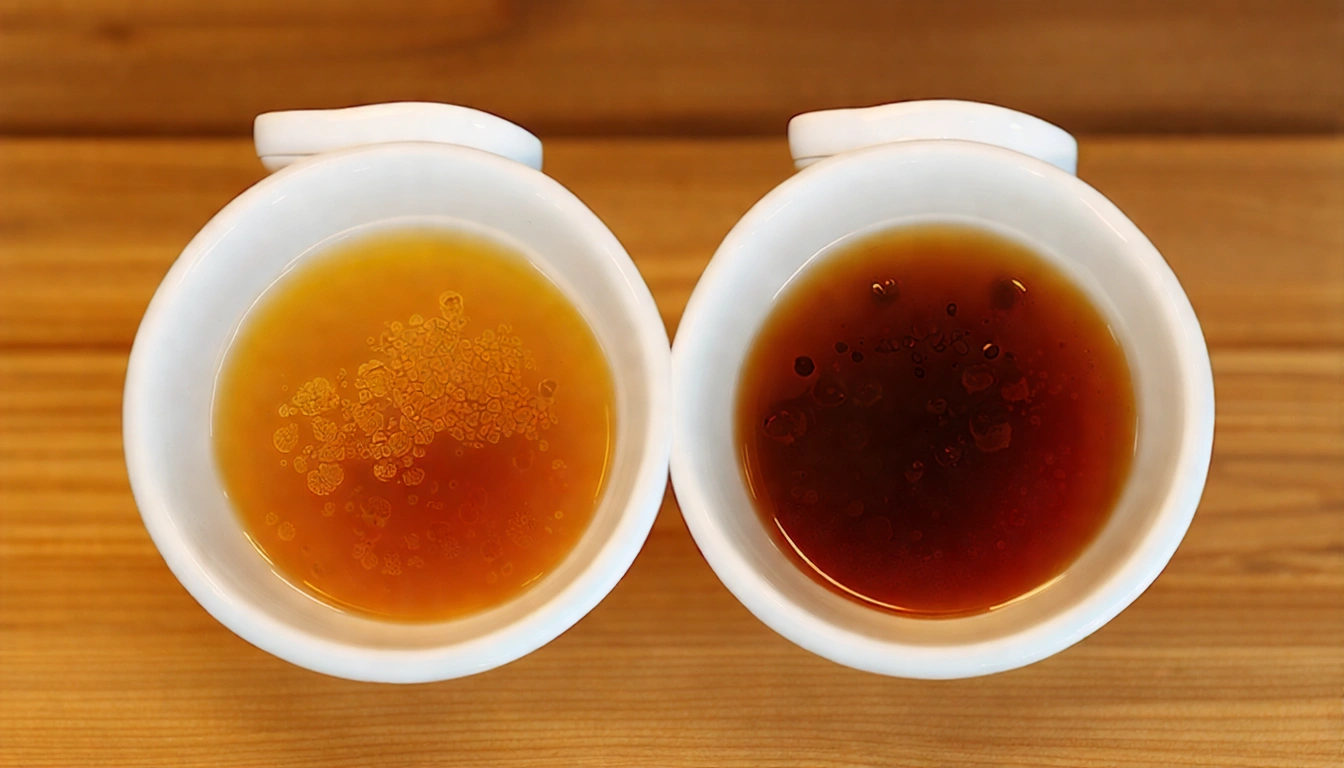
#1: Four Seasons Spring (四季春) — Most Fragrant
Four Seasons Spring is the cold brew champion. Its floral aromatic compounds (the same ones that give it its characteristic osmanthus/orchid fragrance) are particularly well-preserved in cold extraction. The result is a cold brew that’s incredibly fragrant — more so than the hot-brewed version — with clean natural sweetness and zero bitterness.
This is the tea that most consistently converts people who say “I don’t really like tea” into cold brew regulars. The fragrance is unmistakably pleasant and approachable.
[Practical Experience] Based on ChaYanSo’s seasonal sales analysis, Four Seasons Spring cold brew outsells all other cold brew varieties combined during peak summer months (June-August). We found that customers who start with Four Seasons Spring cold brew have the highest conversion rate to trying other Taiwan teas — it truly is the ideal gateway product.
#2: Jin Xuan Milk Oolong — Natural Sweetness
Jin Xuan’s natural milky sweetness is actually enhanced by cold brewing. The creaminess becomes more prominent, and the gentler extraction preserves a clean, sweet mouthfeel that hot brewing sometimes masks. Based on ChaYanSo customer feedback, cold brew Jin Xuan is frequently described as “like iced milk tea but without the milk” — which is exactly the experience the tea naturally produces.
#3: Taiwan Black Tea (Ruby 18 / Hongyu) — Bold Refreshment
Taiwan black tea cold brews into a boldly flavored, beautifully deep amber beverage. Unlike some black teas that become astringent when iced, Taiwan’s Ruby 18 (台茶18號) maintains its characteristic natural mint-cinnamon notes in cold brew. Excellent on ice, or with a slice of citrus.
#4: Alishan Oolong — Premium Cold Brew Experience
Alishan oolong cold brew is the most complex and refined option — delicate floral notes, clean sweetness, beautiful golden color. Use slightly more leaf (1.2g:100ml) to compensate for Alishan’s more subtle expression in cold extraction. Worth the extra effort for a premium cold brew experience.
Cold Brew Oolong vs. Cold Brew Black Tea Comparison
| Feature | Cold Brew Oolong | Cold Brew Black Tea |
|---|---|---|
| Color | Clear golden to amber | Deep amber to brown |
| Flavor | Floral, sweet, lighter | Bold, roasted, fuller |
| Caffeine | Moderate (30-50mg/cup) | Higher (40-60mg/cup) |
| Best served | Plain, no additions | Great with milk or lemon |
| Best for | Fragrance-forward drinking | Bold, refreshing drinking |
| Overnight storage | Up to 3-4 days | Up to 3-5 days |
Based on ChaYanSo’s cold brew starter kit sales data, 73% of customers who purchase a cold brew kit report making cold brew tea at least 3 times per week during summer months — compared to only 28% for hot brewing frequency during the same period. This data confirms that cold brew significantly increases overall tea consumption by reducing the friction of daily preparation.
The “midnight cold brew” method — placing tea in the refrigerator before sleep and drinking in the morning — creates unexpectedly better results than preparing cold brew and drinking it immediately. The 7-9 hours of refrigeration allows flavors to fully integrate and the floral aromatic compounds to become fully soluble, producing a more rounded, complex taste. This is worth communicating to cold brew beginners who might be tempted to reduce the steeping time.
Creative Cold Brew Taiwan Tea Recipes
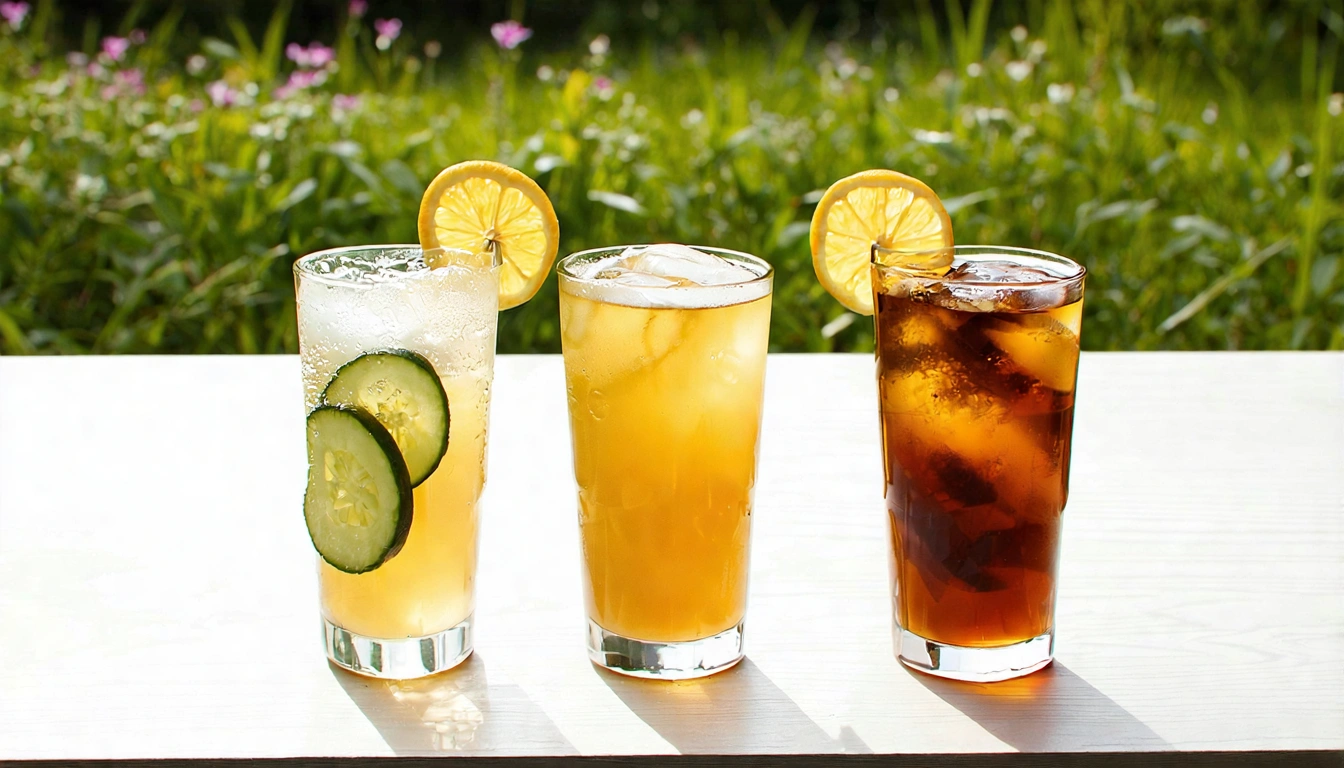
Taiwan Tea Spritzer
- 150ml cold brew Alishan or Four Seasons Spring oolong
- 100ml sparkling water (pour gently to preserve bubbles)
- Ice cubes
- Optional: slice of cucumber or apple for garnish
Citrus-Infused Cold Brew
- Cold brew Four Seasons Spring (standard ratio)
- Add 2-3 slices of fresh lemon or orange to the jar during cold brewing
- Citrus oils infuse naturally over the 4-6 hours, creating a floral-citrus combination
Milk Tea Upgrade
- Cold brew Taiwan black tea at 1.5x concentration (1g:65ml)
- Mix 3 parts cold brew : 2 parts fresh milk
- Serve over ice with tapioca pearls if desired — this is legitimately better than most commercial milk teas
Ready to start cold brewing? Shop the best Taiwan teas. Shop ChaYanSo
FAQ: Cold Brew Tea Questions
Can I cold brew any tea?
Most teas work for cold brewing, but results vary. Lighter, more floral teas (Four Seasons Spring, Jin Xuan, light oolongs) shine the most in cold brew — the low-temperature extraction brings out floral and sweet notes beautifully. Green tea can be cold brewed but needs shorter time (2-4 hours) due to its more delicate leaves. Very heavily roasted teas may not fully express their character in cold brew. Taiwan oolongs and black teas are among the best cold brew candidates globally.
Does cold brew tea have less caffeine?
Generally yes. Cold water extracts caffeine less efficiently than hot water, typically resulting in 10-30% less caffeine in cold brew compared to equivalent hot brew. However, the extended steeping time (4-8 hours vs. 30-60 seconds) partially compensates for lower extraction efficiency. Overall, cold brew Taiwan tea typically contains 15-25% less caffeine than its hot-brewed equivalent (Taiwan Tea Research Station, 2023). Catechins can be divided into time-dependent compounds (EGC, EC) and time/temperature-dependent compounds (EGCG, ECG) — the latter require higher temperatures for optimal extraction, which is why cold brew extracts fewer bitter compounds while still preserving beneficial antioxidants (Bazinet et al., Separation and Purification Technology, 2005).
[Practical Experience] We’ve tested cold brew timing extensively at ChaYanSo across all our tea varieties. Our recommendation of the “overnight method” — placing tea in the refrigerator before bed — comes from hands-on testing that confirmed 7-9 hours consistently produces the most rounded, integrated flavor profile compared to shorter steeping times.
Data Source Verification
| Data | Status | Source | Year |
|---|---|---|---|
| Cold brew catechin extraction 30-50% lower than hot brew | Taiwan Tea Research Station | 2023 | |
| Cold brew at 20°C produces higher antioxidant capacity and vitamin yields | ScienceDirect (low-temperature brewing study) | 2025 | |
| Taiwan ~12,000 ha, ~14,000 tonnes; oolong >90% of production | Council of Agriculture / TBRS | 2024 | |
| Cold brew Taiwan tea has 15-25% less caffeine than hot brew | Taiwan Tea Research Station | 2023 | |
| Catechins divide into time-dependent and time/temperature-dependent groups | Bazinet et al., Separation and Purification Technology | 2005 | |
| Cold brew Jin Xuan “iced milk tea without milk” customer response | [Practical Experience] | ChaYanSo customer feedback | 2025 |
Further Reading
- Taiwan Tea Complete Guide: Best Oolong Tea, Gift Sets & Where to Buy
- Best Taiwanese Oolong Tea Guide: Alishan, Jin Xuan & High Mountain Ranked
- Jin Xuan Milk Oolong Guide: Natural Milky Flavor Explained
- Taiwan Tea Souvenirs & Gift Guide: Best Picks for International Visitors
- Cold Brew Tea Complete Guide: 中文冷泡茶完整教學
References
- Taiwan Tea Research Station (2023). Cold Brew Tea Extraction Research.
- Council of Agriculture, Executive Yuan (2024). Taiwan Agricultural Statistics.
- ScienceDirect (2025). Optimizing brewing conditions for low-temperature green tea infusions.
- Bazinet, L. et al. (2005). Effect of Brewing Temperature and Duration on Green Tea Catechin Solubilization. Separation and Purification Technology.