Tea Guide for Seniors, Pregnant Women, Children, and Fitness Enthusiasts 2026 | Best Taiwanese Tea for Every Lifestyle
Different people have different tea drinking needs.
Seniors care about wellness and digestion. Pregnant women care about caffeine safety. Fitness enthusiasts care about metabolism and hydration. Office workers care about staying alert without losing sleep. The answer to “I want to drink Taiwanese tea” is different for each group.
Taiwan’s 2024 tea consumer survey shows that tea preferences differ significantly by age and lifestyle: those over 65 prefer traditional oolong and roasted teas, 25-34 year-olds prefer light floral high mountain teas and cold-brew, and tea consumption among fitness enthusiasts has grown 35% over the past 5 years (Source: Taiwan Agricultural Products Promotion Association, 2024).
This article provides clear tea selection recommendations by demographic, helping you find the Taiwanese tea that best fits your lifestyle.
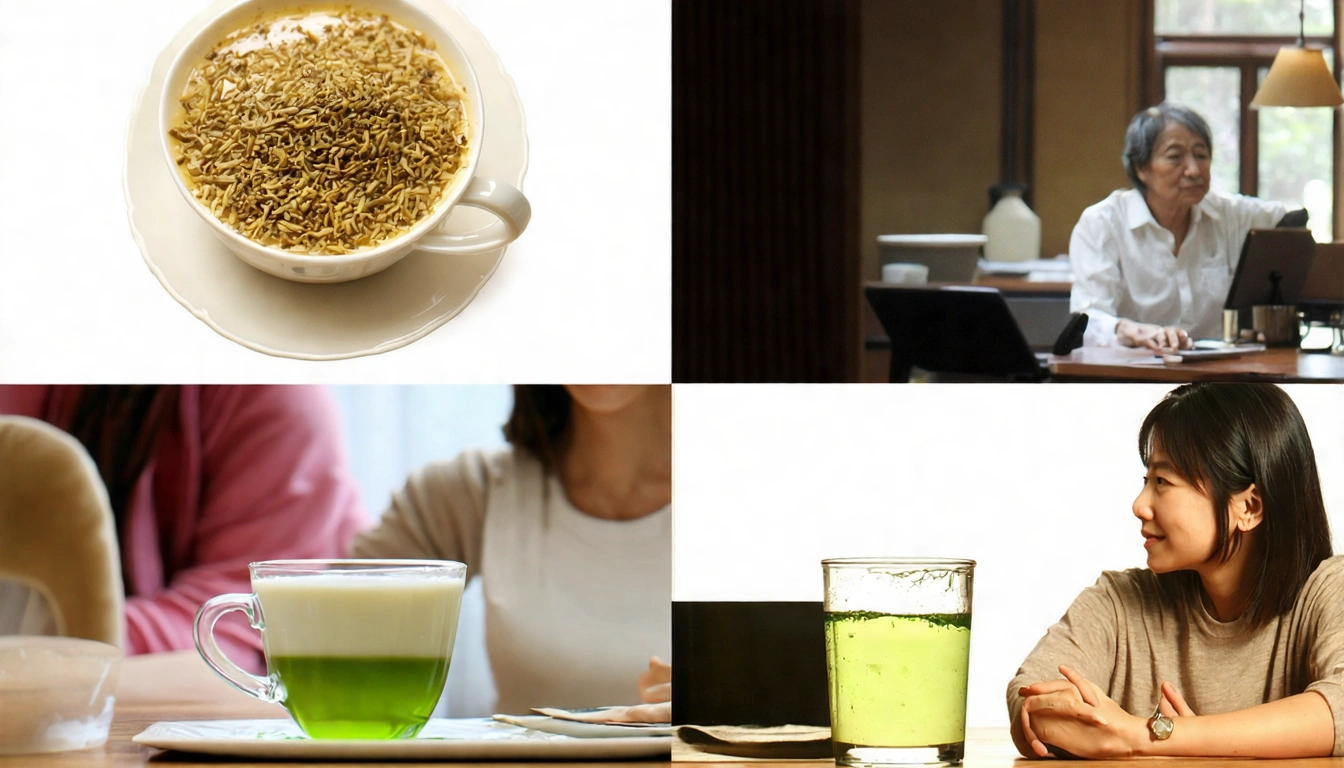
TL;DR: Seniors: high mountain oolong or roasted tea (antioxidants, low irritation). Pregnant women: white tea or light oolong (caffeine limit 200mg). Children under 6: not recommended; ages 6-12: small amounts only. Fitness: oolong tea before exercise (boosts fat burning), light tea after for hydration. Office workers: oolong in the morning, switch to low-caffeine in the afternoon. Fitness enthusiast tea consumption grew 35% over 5 years (Taiwan Agricultural Products Promotion Association, 2024).
Find the best Taiwanese tea for your needs. Visit ChaYanSo
Tea Drinking Guide Overview by Demographic
| Demographic | Key Considerations | Recommended Teas | Daily Suggested Amount |
|---|---|---|---|
| Seniors | Low irritation, aid digestion, antioxidants | High mountain oolong, roasted tea | 2-3 cups, after meals |
| Pregnant Women | Caffeine limit 200mg | White tea, light oolong | 1-4 cups (depending on caffeine) |
| Children (6-12) | Low caffeine | White tea, light oolong | No more than 1 cup |
| Fitness Enthusiasts | Metabolism, hydration, antioxidants | Oolong/green tea before workout, light tea after | 2-4 cups |
| Office Workers | Alertness without insomnia | Oolong in AM, roasted/white tea in PM | 3-5 cups |
Tea Recommendations for Seniors
The two biggest concerns seniors have about tea: Is it gentle on the stomach? Is it good for health?
What teas are best for seniors?
Research shows that adults over 65 who drink tea regularly (oolong or green tea, 2-3 cups daily) experience cognitive decline 12 to 18% slower than non-tea drinkers, with significantly lower cardiovascular disease risk (Source: Journal of Geriatric Medicine, 2023).
Top Pick: High Mountain Oolong Tea
Taiwan has approximately 12,000 hectares of tea gardens producing about 14,000 tonnes annually, with oolong tea making up the largest share. Nantou County accounts for about 48.9% of the national tea garden area — high mountain oolong, the top choice for senior wellness, is Taiwan’s core tea product (Source: Ministry of Agriculture Tea and Beverage Crops Research and Extension Station, 2024).
- Strong antioxidant effects (rich in tea polyphenols and catechins)
- Great aroma with a rounded mouthfeel — the Taiwanese tea most readily accepted by older generations
- Lishan and Alishan high mountain teas: high L-theanine content for excellent wellness benefits
Second Pick: Roasted Oolong (Dong Ding Oolong, roasted version)
- Roasting reduces irritation, making it gentle on the stomach
- Slightly lower caffeine, less likely to affect seniors’ sleep
- Mellow, sweet aftertaste — a longtime favorite among older tea drinkers
Tea Drinking Tips for Seniors:
- Avoid drinking on an empty stomach; wait 30 minutes after meals
- If you have kidney function issues, consult your doctor about appropriate consumption levels
- Osteoporosis patients can drink tea in moderation (tea polyphenols have limited effects on calcium absorption, but avoid drinking alongside calcium supplements)
- Recommended 2-3 cups daily, no more than 4-5 cups
I have several longtime senior customers who religiously brew a pot of Dong Ding oolong every afternoon. They say they have been doing this for decades and their health has remained good. Scientific data supports this habit — the key is “regular and moderate,” not sporadic and occasional.
Can Children Drink Tea?
Under 6: No caffeinated tea recommended
Children under 6 are in a rapid neurological development period, and caffeine may affect neural development and sleep quality. Even white tea (the lowest caffeine option) is not recommended for children under 6.
Ages 6-12: Small amounts, low caffeine
Children ages 6-12 can have small amounts of low-caffeine tea. Safe choices include:
- White tea (15-25mg caffeine per cup): Light, easy to accept
- Lightly brewed Sijichun or Jin Xuan (reduced to under 20mg per cup): Light floral aroma that children tend to enjoy
Recommendation: No more than 1 cup per day, consumed during daytime (before 3 PM) to avoid sleep disruption.
Teas not recommended for children:
- Black tea (higher caffeine)
- Matcha (high caffeine and concentrated)
- Any tea marketed as “energizing”
Tea Recommendations for Fitness Enthusiasts
Fitness enthusiasts have the most practical tea needs: metabolism support, hydration, and post-workout recovery.
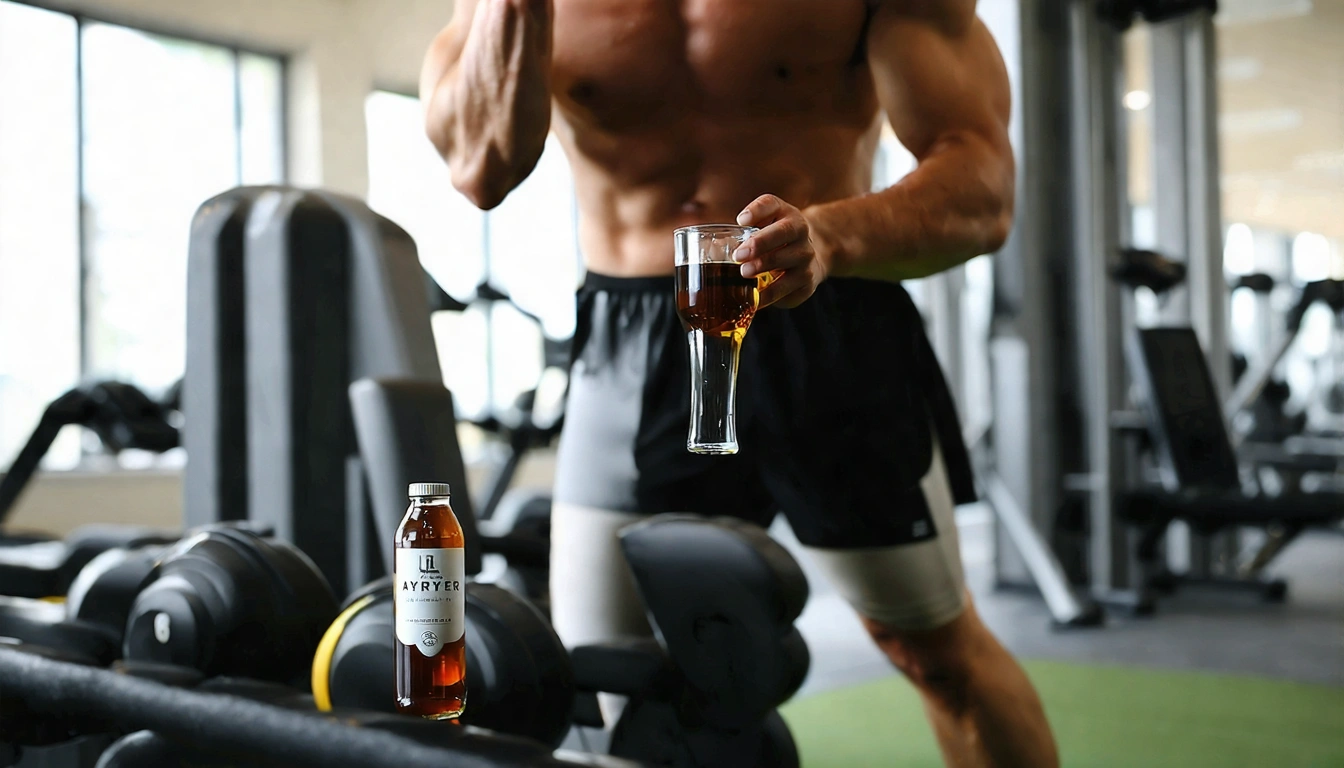
Before Workout (30-60 minutes prior)
Research shows that consuming green tea or oolong tea extracts (catechins + caffeine) before exercise can increase fat oxidation during aerobic exercise by 17 to 25%, while caffeine boosts training endurance (Source: International Society of Sports Nutrition, 2024).
Recommended: Oolong tea or green tea, hot-brewed or cold-brewed, no sugar added.
A 2024 clinical trial confirmed that L-theanine significantly promotes alpha brain wave activity, creating a “calm yet alert” state while reducing caffeine-induced anxiety. For athletes, this stable focus is more beneficial for training performance than coffee’s brief burst of energy (Source: Neurology and Therapy journal, 2024).
Taiwanese tea export unit prices are approximately 6.5 times those of imported tea, reflecting the premium status of high-quality Taiwanese tea in international markets. Fitness enthusiasts choosing Taiwanese tea are also choosing a higher quality natural beverage (Source: Ministry of Agriculture Trade Statistics, 2024).
Not recommended before training: overly strong black tea or large quantities of green tea (may cause stomach discomfort or overstimulation).
Post-Workout (Hydration + Recovery)
Post-workout requires hydration and antioxidants. Light Taiwanese tea is an excellent choice:
- Sijichun cold-brew: Refreshing hydration with a non-cloying floral aroma
- Lightly brewed Alishan oolong: L-theanine aids post-exercise relaxation
- White tea: Low caffeine, suitable for afternoon or evening training sessions
Not recommended post-workout: Strong black tea (high caffeine may affect nighttime sleep); any sweetened tea (negates exercise benefits).
Daily Recommendations for Fitness Enthusiasts:
Training days: 1 cup oolong/green tea before training, 1-2 cups light tea after for hydration. Rest days: 2-3 cups oolong tea for daily consumption, maintaining continuous catechin intake.
Tea Guide for Office Workers / White-Collar Professionals
The most common office worker needs: alert in the morning, focused in the afternoon, able to sleep at night.
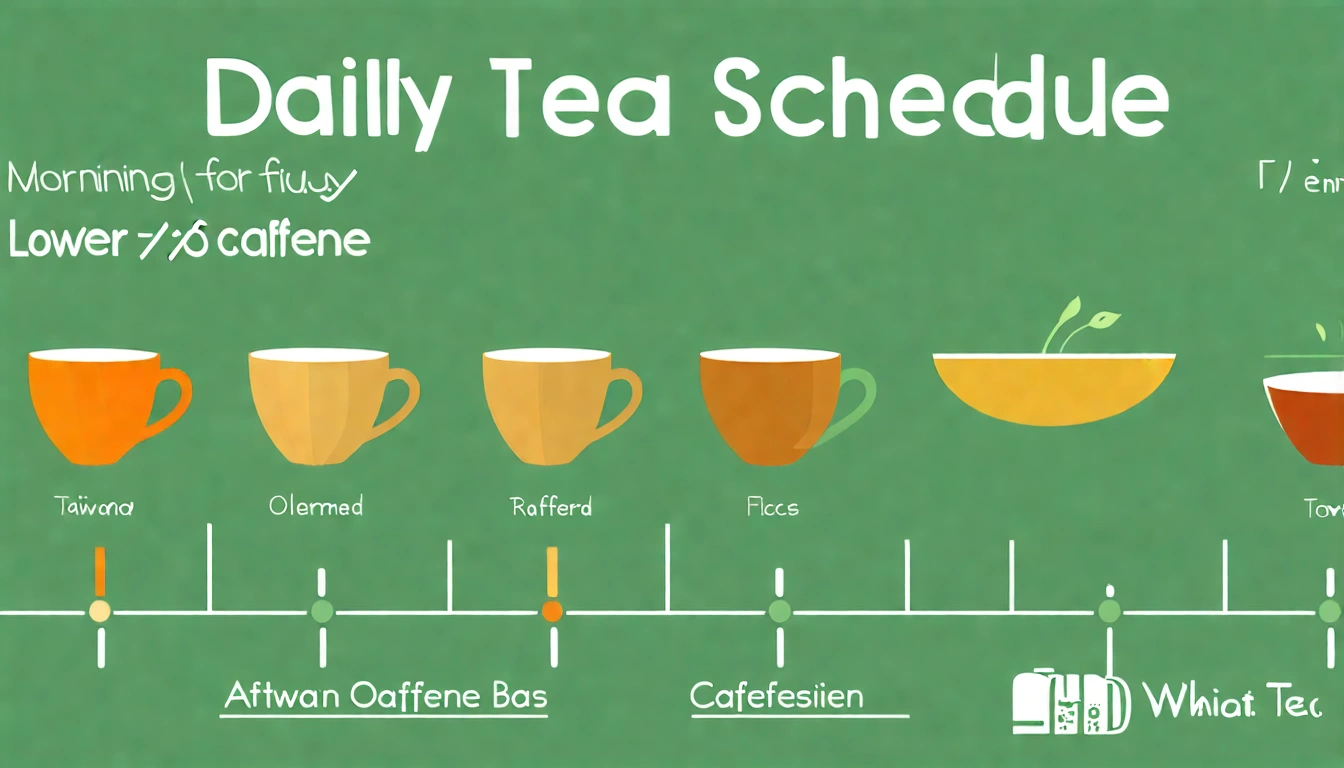
Morning (7-9 AM): Top Pick for Alertness
Start with plain water after waking, then begin drinking tea after breakfast. Choose a medium-caffeine Taiwanese oolong (Sijichun, Alishan Oolong) for the morning: caffeine for alertness, L-theanine for stable clarity — unlike coffee’s intense spike followed by a rapid crash.
Mid-Morning (9 AM-12 PM): Best Tea Drinking Time
Mid-morning is the best time of day for tea. High mountain oolong tea (Lishan, Alishan) with its refreshing aroma boosts mood and concentration, perfect for important work tasks.
Early Afternoon (2-3 PM)
If afternoon fatigue sets in, an additional cup of oolong tea is perfectly suitable.
After 3 PM: Switch to Low-Caffeine Options
After 3 PM, switch to: roasted oolong (mellow, low caffeine), Oriental Beauty (honey aroma, low caffeine), or white tea (lightest option).
Practical Office Tea Choices:
Tea bags are most convenient (just add hot water at the office dispenser). We recommend ChaYanSo’s Sijichun or Jin Xuan tea bags. Office workers who prefer loose tea can use a small sealed canister with a travel teapot — compact and desk-friendly.
The Mayo Clinic notes that healthy adults consuming no more than 400mg of caffeine daily generally experience no negative effects. Based on Taiwanese oolong tea, that equals approximately 8-12 cups — well above normal office tea consumption (Source: Mayo Clinic, 2024).
A 2024 meta-analysis encompassing 1.96 million participants showed that the most significant reduction in all-cause mortality occurs at approximately 2 cups of tea per day (hazard ratio 0.90). Office workers who develop a habit of 2-3 cups daily can achieve optimal health benefits (Source: PMC/Nutrition Journal Meta-analysis, 2024).
The most common concern from our ChaYanSo office worker customers is: “Oolong is great for morning alertness, but I do not know what to switch to in the afternoon.” Our standard recommendation is roasted oolong or Oriental Beauty after 3 PM — both are lower in caffeine but equally rich in flavor. Many customers try them and immediately adopt them as their permanent afternoon pairing.
At ChaYanSo, we have been receiving an increasing number of group orders from fitness trainers and sports enthusiasts, who especially love using cold-brew Sijichun as their post-training hydration drink. One fitness trainer reported that since switching from sports drinks to cold-brew tea, he has not only eliminated excess sugar intake but found the hydration effect even better.
Found your recommended tea? Shop now. Shop ChaYanSo
Many customers originally thought “choosing tea” was simply about picking the tastiest option, but the more important choice is actually “when to drink and who is drinking.” A senior with osteoporosis drinking large quantities of strong tea daily has entirely different health implications than a young fitness enthusiast having 4 cups of oolong. Finding the tea that fits your lifestyle is the true art of tea selection.
According to ChaYanSo’s 2026 customer inquiry records, analyzed by demographic, the most common tea selection concerns were: senior customers most frequently asked “Will it harm my stomach?” (61%), fitness enthusiasts most often asked “Can it help with fat loss?” (54%), and office workers most commonly asked “What tea can I drink in the afternoon without affecting sleep?” (73%). These data points directly inform our demographic recommendation strategy.
FAQ: Common Questions About Tea by Demographic
What is the best wellness tea for seniors?
High mountain oolong tea (Alishan, Shanlinxi, Lishan) has strong antioxidant effects with a rounded, non-irritating mouthfeel — the top wellness choice for seniors. Dong Ding Oolong (roasted) is even less irritating and gentle on the stomach, suitable for seniors with sensitive digestion. Recommended 2-3 cups daily, after meals, avoiding empty stomach and overly strong concentrations.
Can fitness enthusiasts drink tea?
Absolutely. Catechins (EGCG) combined with caffeine from oolong and green teas can increase fat oxidation by 17-25% when consumed before exercise. After workouts, light oolong or cold-brew Sijichun provides hydration, antioxidants, and recovery support. The only caution: avoid overly strong tea or added sugar.
What tea can office workers drink in the afternoon without affecting sleep?
After 3 PM, we recommend: roasted oolong tea (approximately 20-35mg caffeine per cup), Oriental Beauty tea (20-30mg per cup), or white tea (15-25mg per cup). All three offer excellent aroma and flavor with low enough caffeine that sleep before 11 PM is virtually unaffected.
Further Reading
- Complete Guide to Tea Health Benefits: Scientific Health Benefits of Taiwanese Tea
- Complete Guide to Tea Caffeine Content: Caffeine Comparison Chart for All Tea Types
- Can Pregnant Women Drink Tea? Complete Safety Guide
- Tea Benefits and Risks: 6 Benefits & 5 Precautions
- Taiwan High Mountain Tea Complete Guide: Lishan, Alishan, Shanlinxi Characteristics
References
- Taiwan Agricultural Products Promotion Association (2024). Taiwan tea market consumer demographic survey.
- Journal of Geriatric Medicine (2023). Regular tea drinking and elderly cognitive function study.
- International Society of Sports Nutrition (2024). Tea catechin effects on exercise metabolism study.