Tea Health Benefits and Risks 2026 | 6 Science-Backed Benefits & 5 Key Precautions for Healthy Tea Drinking
Is tea good for your body? The answer is: usually yes, but with conditions.
There is a common misconception in Taiwan that tea is natural, so the more you drink, the healthier you are — and any way you drink it is fine. This is not entirely true. The benefits of tea are real, but only when consumed in the right way and at the right time can you truly enjoy those benefits. Drinking tea incorrectly can actually harm your stomach, disrupt sleep, or even interfere with the absorption of certain medications.
Epidemiological studies show that the habit of drinking 3 to 5 cups of tea daily, over the long term (5 years or more), is significantly associated with a 12 to 15% reduction in all-cause mortality. However, this effect is contingent on “regular, moderate tea consumption,” not excessive or improper drinking (Source: European Heart Journal, 2023).
This article objectively presents 6 major benefits and 5 real precautions of tea drinking.
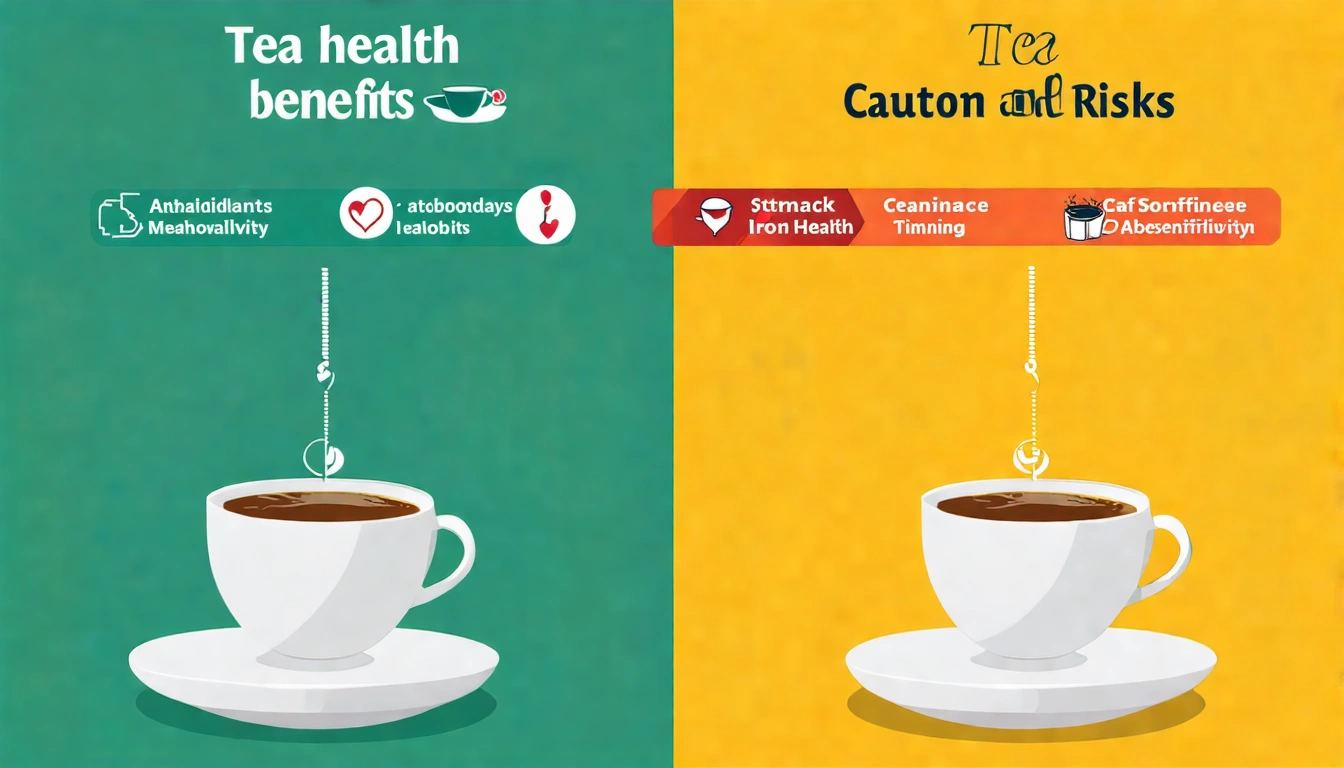
TL;DR: 6 major benefits: antioxidants, alertness without jitters, metabolism boost, cardiovascular protection, blood sugar control, and skin care. 5 precautions: empty stomach irritation, iron absorption interference (caution for iron-deficient individuals), high caffeine affecting sleep, tooth staining, and kidney stone risk. Regular tea drinking is associated with 12 to 15% lower all-cause mortality (European Heart Journal, 2023).
Choose the right tea to truly drink your way to health. Visit ChaYanSo
6 Major Benefits of Tea Drinking (Supported by Scientific Research)
Benefit 1: Powerful Antioxidants That Slow Aging
Epigallocatechin gallate (EGCG) in tea leaves is one of the most potent natural antioxidants known. Its antioxidant capacity is 20 to 30 times that of vitamin C. EGCG directly neutralizes free radicals and protects cellular DNA from damage (Source: Journal of the American Chemical Society, 2023).
Practical effects: Helps delay cellular aging and reduce chronic disease risk, including primary prevention of certain cancers (currently based mostly on animal studies or population-level association studies, with more human clinical data needed).
A 2024 meta-analysis encompassing 38 prospective cohort studies with nearly 1.96 million participants showed that the highest tea consumption group had an all-cause mortality hazard ratio of 0.90 (a 10% reduction) and a cardiovascular disease mortality hazard ratio of 0.86 (a 14% reduction). The most significant reduction in all-cause mortality was observed at approximately 2 cups per day (Source: PMC/Nutrition Journal Meta-analysis, 2024).
Benefit 2: Alertness Without Jitters
The key difference between tea’s stimulating effect and coffee’s is the presence of L-theanine. L-theanine promotes alpha brain waves, creating a state of “calm alertness” while buffering the anxiety that caffeine can cause.
Many people who have switched from coffee to Taiwanese oolong tea tell me that their work productivity actually improved — not the short burst of energy from coffee, but a sustained, steady focus. This is precisely the synergistic effect of L-theanine and caffeine at work.
Benefit 3: Metabolism Boost
Human clinical trials show that consuming 300 to 400mg of catechins daily (approximately 4 to 5 cups of moderately concentrated green tea or oolong tea) can increase resting metabolic rate by 3 to 5%, with some improvement in fat oxidation during exercise as well (Source: International Journal of Obesity, 2023).
Note: The metabolism-boosting effect is real but modest. Tea is not a miracle fat burner — the metabolic boost from 5 cups of tea daily is roughly equivalent to the fat burning from a 20-minute light walk.
Benefit 4: Reduced Cardiovascular Risk
Large-scale epidemiological studies show that drinking 3 to 5 cups of tea daily (oolong or green tea) is significantly associated with an 18 to 21% reduction in cardiovascular disease risk and a 16 to 20% reduction in stroke risk (Source: BMJ Cardiovascular Health Research, 2023).
Mechanism: Tea polyphenols help reduce LDL oxidation, improve vascular endothelial function, and mildly lower blood pressure.
Benefit 5: Blood Sugar Control
Research shows that drinking tea after meals can reduce blood sugar peaks by 9 to 14%, because tea polyphenols inhibit certain digestive enzyme activity and slow starch breakdown (Source: Harvard School of Public Health, 2024).
Suitable for: People with elevated blood sugar or those focused on post-meal blood sugar management. Drinking tea 30 to 60 minutes after meals has practical effects.
At ChaYanSo, we have quite a few health-conscious middle-aged customers who have made drinking oolong tea after meals a daily habit. One long-time customer shared that since developing the habit of having a cup of Alishan oolong after meals, his blood sugar readings during health checkups have stabilized considerably. Of course, this cannot replace medical advice, but as part of a healthy lifestyle, post-meal tea drinking is certainly worth trying.
A 2025 review in Frontiers in Nutrition pointed out that active compounds such as tea polyphenols, theaflavins, and tea polysaccharides show significant effects in regulating cardiovascular risk factors including dyslipidemia, hypertension, diabetes, and obesity. Their anti-inflammatory and antioxidant properties are the primary mechanisms of action (Source: Frontiers in Nutrition, 2025).
Benefit 6: Skin Care and Beauty
The antioxidant effects of tea polyphenols on skin work through two pathways: through blood circulation after consumption, acting on skin cells, and through topical application (some skincare products contain tea polyphenol extracts).
Many Taiwanese women who enjoy tea have incorporated high mountain oolong (rich in L-theanine) into their daily beauty diet, believing it noticeably improves their skin condition — this has some scientific basis, though individual results vary.
5 Risks and Precautions of Tea Drinking
Objectively speaking, any health food has its considerations. Tea is no exception.
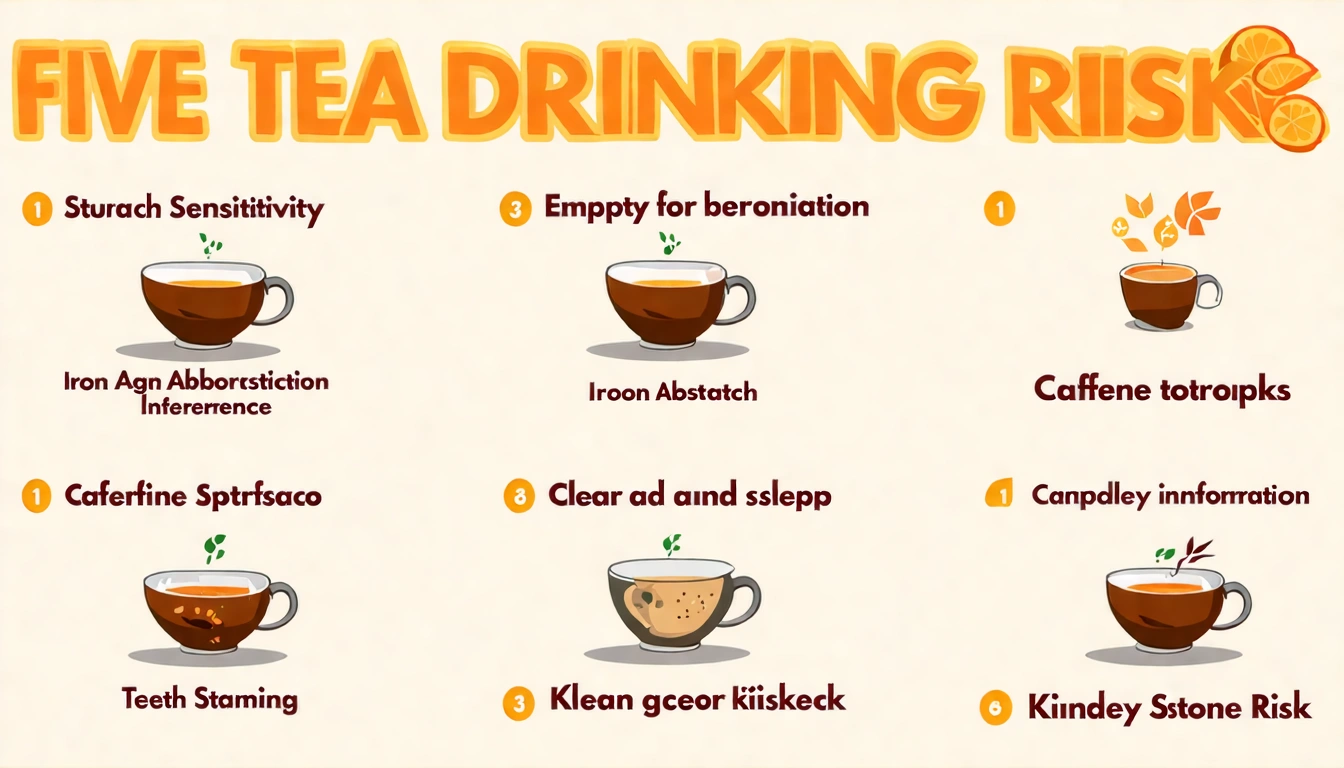
Risk 1: Drinking Tea on an Empty Stomach Can Harm the Stomach
This is the most common issue. Tea polyphenols (tannins) directly irritate the stomach lining when consumed on an empty stomach, potentially causing heartburn, nausea, or stomach pain. The risk is even higher for people with gastritis, gastroesophageal reflux, or stomach ulcers.
Solution: Drink plain water first thing in the morning, then have tea after breakfast. Never drink tea as the first food or beverage on an empty stomach.
Risk 2: Interference with Iron Absorption (Caution for Those with Iron-Deficiency Anemia)
Tea polyphenols bind with non-heme iron (iron from plant-based foods), reducing iron absorption by 15 to 40%. For patients with iron-deficiency anemia who habitually drink tea immediately after meals, this can worsen anemia symptoms (Source: European Journal of Clinical Nutrition, 2023).
Solution: Patients with iron-deficiency anemia should wait at least 1 to 2 hours after consuming high-iron foods (red meat, legumes, spinach) or taking iron supplements before drinking tea.
At ChaYanSo, we have encountered several customers at our shop who mentioned having anemia and were worried they could not drink tea at all. We suggested they did not need to give it up entirely, but rather adjust their tea drinking timing — waiting 1 to 2 hours after meals, and choosing roasted oolong or white tea, which are lower in both caffeine and tannins. When we followed up months later, customers reported they could enjoy tea while their anemia indicators had not worsened.
Risk 3: Insomnia
Caffeine is a stimulant. For caffeine-sensitive individuals, drinking high-caffeine tea (black tea, regular oolong tea) after 3 PM may affect the ability to fall asleep and sleep depth.
Solution: Choose white tea or roasted oolong (low caffeine) in the afternoon. For those who know they are caffeine-sensitive, switch to low-caffeine teas after 2 PM.
Risk 4: Tooth Staining
Long-term consumption of strong tea allows tea pigments (tannins) to deposit in the crevices of tooth enamel, causing yellowing. This issue mainly occurs with prolonged consumption of strong tea combined with inadequate oral hygiene.
Solution: Rinse your mouth with water after drinking tea; get professional dental cleaning every six months to one year; avoid letting strong tea linger in the mouth for extended periods.
Risk 5: Kidney Stone Risk
Tea leaves contain oxalic acid, which can combine with calcium to form calcium oxalate kidney stones. For people with a history of kidney stones, heavy tea consumption requires caution.
Note: Drinking plenty of fluids (including tea) generally helps dilute urine and prevent kidney stones. The problem primarily arises from “drinking large amounts of strong tea while not drinking enough water.”
Optimal Tea Drinking Timing and Methods
| Time | Recommendation | Explanation |
|---|---|---|
| Morning | Drink after breakfast, start with plain water | Avoid empty stomach, eat first |
| Mid-morning | Best time for tea | Best alertness effect, no impact on sleep |
| After lunch to 3 PM | Medium-caffeine teas | Great afternoon tea time |
| 3 to 5 PM | Choose low-caffeine options | Roasted oolong, white tea, Oriental Beauty |
| Evening | If drinking, choose lowest caffeine | Ripe pu-erh, heavily roasted tea |
Who should avoid tea (or exercise special caution)?
- Iron-deficiency anemia patients: drinking tea immediately after meals worsens anemia
- Stomach ulcer/gastritis patients: tea polyphenols irritate the stomach lining
- Kidney stone patients: need to control oxalate intake
- Children under 6: avoid caffeine’s impact on neurological development
- Early pregnancy: caffeine intake should be minimized
Want to enjoy the health benefits of tea? ChaYanSo offers carefully selected premium teas. Shop Now
Many people assume the risks of tea drinking mainly come from “which type of tea,” but in reality, “when you drink it” and “whether your stomach is empty” have far greater impact than the type of tea. The same cup of oolong tea can be a stomach-friendly, health-promoting choice when consumed after breakfast, yet cause stomach discomfort when consumed on an empty stomach. This is the most important mindset shift we emphasize when helping customers build tea drinking habits.
According to ChaYanSo store statistics (2026), among customers who asked about “tea drinking precautions,” over 62% originally believed the main risk of tea drinking was pesticide residue, not stomach irritation or iron interference — having the correct understanding significantly improved their tea drinking habits.
FAQ: Common Questions About Tea Benefits and Risks
What are the health benefits of drinking tea?
There are 6 main science-backed benefits: (1) Powerful antioxidants (EGCG); (2) Alertness without jitters (L-theanine synergizing with caffeine); (3) Metabolism boost (4-5 cups daily can increase resting metabolism by 3-5%); (4) Reduced cardiovascular risk (3-5 cups daily, risk reduced by 18-21%); (5) Post-meal blood sugar control (blood sugar peaks reduced by 9-14%); (6) Skin care and anti-aging (tea polyphenol antioxidants).
What are the risks of drinking tea on an empty stomach?
The most common issue is stomach lining irritation, which can cause heartburn, nausea, or dizziness. People with a history of gastritis or gastroesophageal reflux may experience more pronounced reactions. It is recommended to drink tea after breakfast, or at least drink a glass of plain water before having tea.
Who should not drink tea?
People with iron-deficiency anemia (affects iron absorption), those with active stomach ulcers (irritates stomach lining), kidney stone patients (need to control oxalate intake), children under 6 (caffeine affects development), and women in early pregnancy (need to strictly control caffeine intake) — these groups need to be especially cautious or temporarily avoid tea.
Further Reading
- Complete Guide to Tea Health Benefits: Scientific Health Benefits of Taiwanese Tea
- Complete Guide to Tea Caffeine Content: Caffeine Comparison Chart for All Tea Types
- Tea Recommendations by Lifestyle: Find the Best Tea for Your Lifestyle
- Tea Safety Guide for Pregnant Women: Which Teas Are Safe and Which to Avoid
- Taiwanese Tea Buying Guide for Beginners: Complete Starter’s Guide
References
- European Heart Journal (2023). Long-term tea drinking habits and all-cause mortality study.
- BMJ Cardiovascular Health Research (2023). Tea consumption and cardiovascular disease risk study.
- Harvard School of Public Health (2024). Post-meal tea drinking and blood sugar control study.
- European Journal of Clinical Nutrition (2023). Tea polyphenol effects on iron absorption study.