Can Pregnant Women Drink Tea? 2026 Complete Guide | Which Teas Are Safe, Which to Avoid
When you’re pregnant, many everyday habits need to be reconsidered. Tea is one of those things that expectant mothers often agonize over.
The answer isn’t “absolutely not” or “drink whatever you want” — it’s “understand caffeine limits, choose the right tea, and you can enjoy it safely.”
The World Health Organization (WHO) recommends that pregnant women consume no more than 200mg of caffeine daily; Taiwan’s Ministry of Health and Welfare guidelines are consistent with this (Source: WHO, 2023). What does 200mg mean in practice? For standard Taiwan oolong tea at approximately 30-50mg per cup, a pregnant woman can safely drink up to 4-5 cups of lightly brewed oolong per day.
This article gives you clear pregnancy tea drinking guidelines so you can safely enjoy great Taiwan tea throughout your pregnancy.
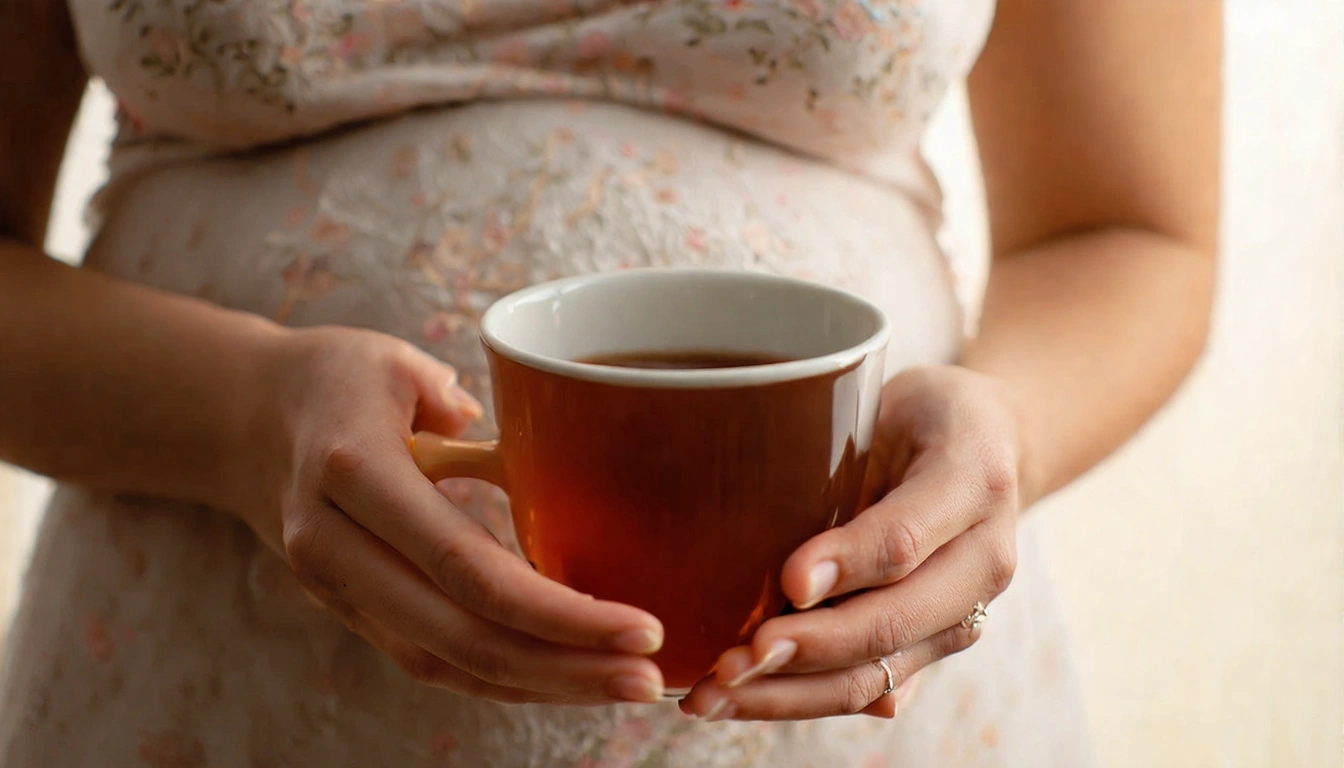
TL;DR: Pregnant women can drink tea, but daily caffeine should stay under 200mg (WHO, 2023). Taiwan oolong at 30-50mg per cup means up to 4-5 cups of lightly brewed tea daily. Recommended: white tea (lowest caffeine), roasted oolong (low irritation). Avoid: strong black tea, matcha. First trimester requires the strictest control.
Safe tea for pregnancy — ChaYanSo’s low-caffeine selections. Browse our teas
Basic Principles for Tea During Pregnancy
The core concern for pregnant tea drinkers is caffeine. Caffeine crosses the placenta to reach the fetus, and the fetus metabolizes caffeine far less efficiently than adults — this is why caffeine intake needs careful management.
A systematic review and meta-analysis (covering 60 studies) found that for every 100mg increase in daily caffeine intake during pregnancy, miscarriage risk increases by 14% and low birth weight risk increases by 7-13%, though no significant effect on preterm birth was found (Source: Systematic Review Research, 2024).
The American College of Obstetricians and Gynecologists (ACOG) recommends that pregnant women limit daily caffeine intake to no more than 200mg, consistent with the WHO recommendation (Source: ACOG, 2024).
Daily caffeine safety limit for pregnant women: 200mg
The WHO, European Food Safety Authority (EFSA), and Taiwan’s Ministry of Health and Welfare all recommend that pregnant women keep daily caffeine intake below 200mg (WHO, 2023). Above this amount, risks of low birth weight and preterm birth increase slightly.
Taiwan tea caffeine reference chart:
| Tea | Caffeine per Cup | Maximum Daily Cups |
|---|---|---|
| White tea | 15-25mg | 8-13 cups |
| Lightly brewed roasted oolong | 20-30mg | 7-10 cups |
| Standard Taiwan oolong (light brew) | 25-40mg | 5-8 cups |
| Taiwan black tea (light brew) | 30-50mg | 4-6 cups |
| Strong black tea | 60-80mg | 2-3 cups (near limit, not recommended) |
Practical advice: Don’t try to calculate caffeine precisely. Instead, choose low-caffeine tea varieties and brew them lightly — this keeps you well below the 200mg limit without constant calculations.
Taiwan Teas Safe for Pregnant Women (Recommendation List)
Top choice: White Tea
White tea has the lowest caffeine among the six tea types, at only 15-25mg per cup, making it the safest choice for pregnant women. Taiwan white tea has a light, sweet, gentle flavor that doesn’t irritate the stomach — ideal for all-day drinking during pregnancy.
When pregnant customers consult ChaYanSo, our first recommendation is always white tea. Many expecting mothers report that white tea’s gentle sweetness is especially comforting during pregnancy, and warm white tea can even help relieve nausea during the morning sickness period.
Second choice: Lightly brewed roasted oolong (Dong Ding roasted style)
During roasting, some caffeine evaporates, making roasted oolong 10-20% lower in caffeine than its lightly roasted version. The smooth, mellow flavor has low irritation. Drinking after meals during pregnancy can aid digestion without stomach discomfort.
Safe option: Lightly brewed Si Ji Chun or Jin Xuan (low concentration)
Si Ji Chun and Jin Xuan’s caffeine content is moderate among Taiwan oolongs, but when brewed lightly (more water, less tea, shorter steeping time), each cup’s caffeine can be controlled to 25-35mg — well within the safe range.
Herbal tea precautions:
Not all “herbal teas” are suitable for pregnant women. Some contain compounds that may affect uterine contractions:
| Herbal Tea | Pregnancy Safety | Notes |
|---|---|---|
| Osmanthus tea (osmanthus + oolong) | Generally safe | Small osmanthus amount; main concern is the tea’s caffeine |
| Peppermint tea | Use with caution | Safety during early pregnancy needs further confirmation |
| Roselle (hibiscus) tea | Use with caution | Some research suggests pregnant women should be cautious |
| Licorice tea | Not recommended | May affect blood pressure and amniotic fluid volume |
| Pure rose petal tea | Generally safe, in moderation | — |
Recommendation: When in doubt about an herbal tea during pregnancy, consult your obstetrician rather than relying solely on internet information. The safest choices remain pure tea leaves (white tea, lightly brewed oolong) with the most clearly understood composition.
According to U.S. FDA data, an 8 oz cup of black tea contains approximately 47mg of caffeine, while white tea contains approximately 15-20mg — choosing white tea over black tea can reduce caffeine intake by 60-70% (Source: U.S. FDA, 2024).
Teas Pregnant Women Should Avoid
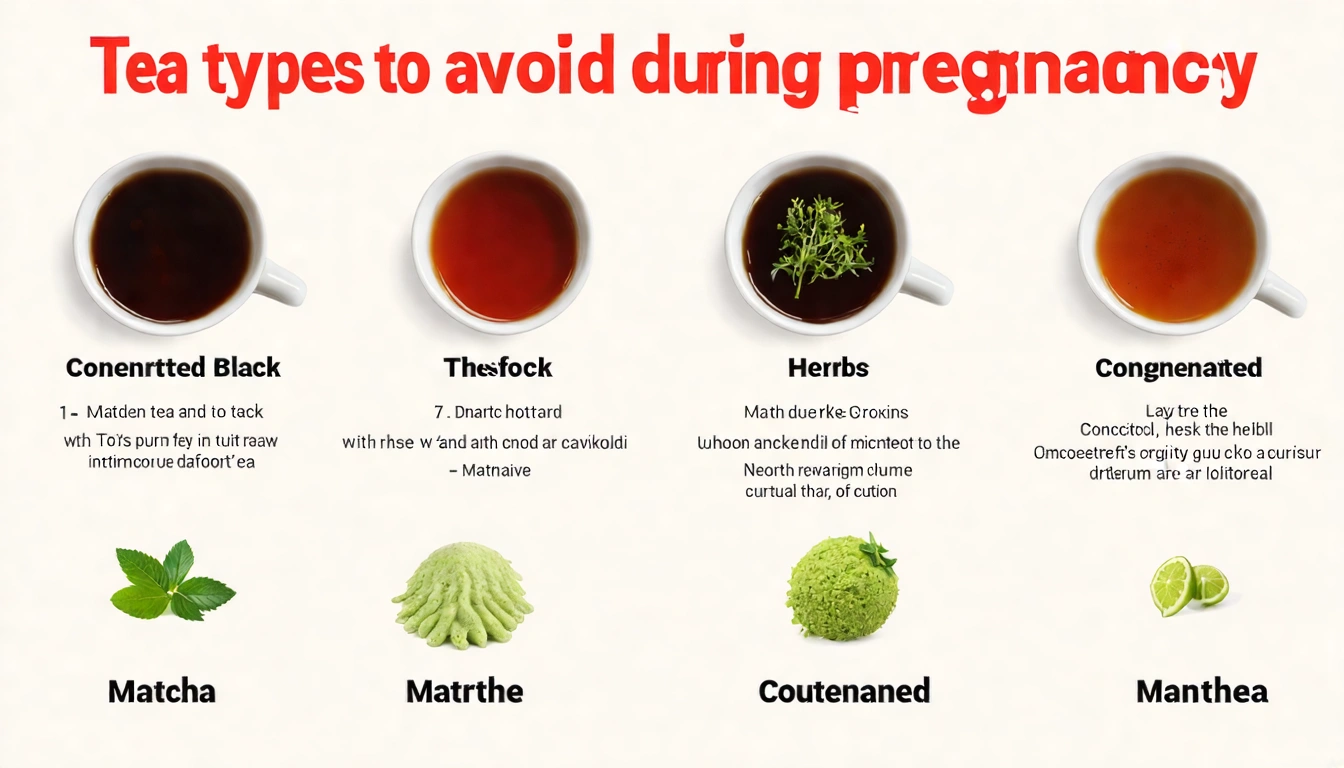
Avoid: Strong black tea
Taiwan black tea (especially when strongly brewed) can reach 60-80mg of caffeine per cup. Drinking 2-3 cups of strong black tea per day already approaches the 200mg limit, leaving no room for other caffeine sources (chocolate, cocoa, etc. also contain caffeine). If pregnant women want to drink black tea, it should be brewed lightly, with the amount counted toward total daily caffeine intake.
Avoid: Matcha (powder form)
Matcha involves directly consuming powdered tea leaves rather than steeping and extracting, resulting in significantly higher caffeine intake — 40-60mg per cup — and more concentrated polyphenols. Best avoided during pregnancy.
Caution: Certain herbal teas
Peppermint, roselle, licorice, and other herbs have uncertain safety profiles during pregnancy. The safest principle: if you have questions about any tea during pregnancy, consult your obstetrician first rather than relying solely on online information.
Tea Recommendations by Trimester
First trimester (months 1-3): Strictest control
The first trimester is the critical period for embryonic organ development. During this time, caffeine intake should be minimized — ideally under 100mg daily (Taiwan Obstetrics and Gynecology Society, 2023). White tea is recommended as the primary choice, or caffeinated beverages can be stopped entirely.
If you were accustomed to drinking 3-4 cups of tea daily before pregnancy, sudden complete cessation may cause headaches (caffeine withdrawal). You can gradually reduce intake: switch to white tea (lowest caffeine) to let your body adapt slowly.
Second trimester (months 4-6): Moderate relaxation
Most organs have formed and sensitivity is reduced. Low to medium caffeine teas (white tea, lightly brewed oolong) can be consumed in moderation. Just keep daily caffeine under 200mg.
One of our long-time customers at ChaYanSo resumed drinking lightly brewed Si Ji Chun during her second trimester. She said her daily afternoon cup of light Si Ji Chun tea was the happiest little pleasure of her pregnancy. As long as you control the concentration and number of cups, you don’t need to completely give up the joy of tea drinking during pregnancy.
A 2024 large-scale Norwegian study (covering over 70,000 families) found that moderate caffeine intake during pregnancy showed no significant negative effects on children’s neurological development, though researchers still recommended pregnant women follow the under-200mg daily intake guideline (Source: Norwegian Mother, Father and Child Cohort Study, 2024).
Third trimester (months 7-9): Notes as delivery approaches
Near the due date, maintaining caffeine intake below 200mg is still recommended. Note: some herbal tea ingredients may affect uterine contractions — avoid any tea marketed as “labor-inducing” or “blood-activating.”
For third-trimester mothers who want tea but worry about caffeine, ChaYanSo recommends trying cold brew white tea — cold brewing extracts even less caffeine, and the taste is sweeter and gentler. Many customer-mothers say this is their favorite beverage during late pregnancy.
Low-caffeine Taiwan tea suitable for pregnancy — ChaYanSo has selected the best options. Shop now
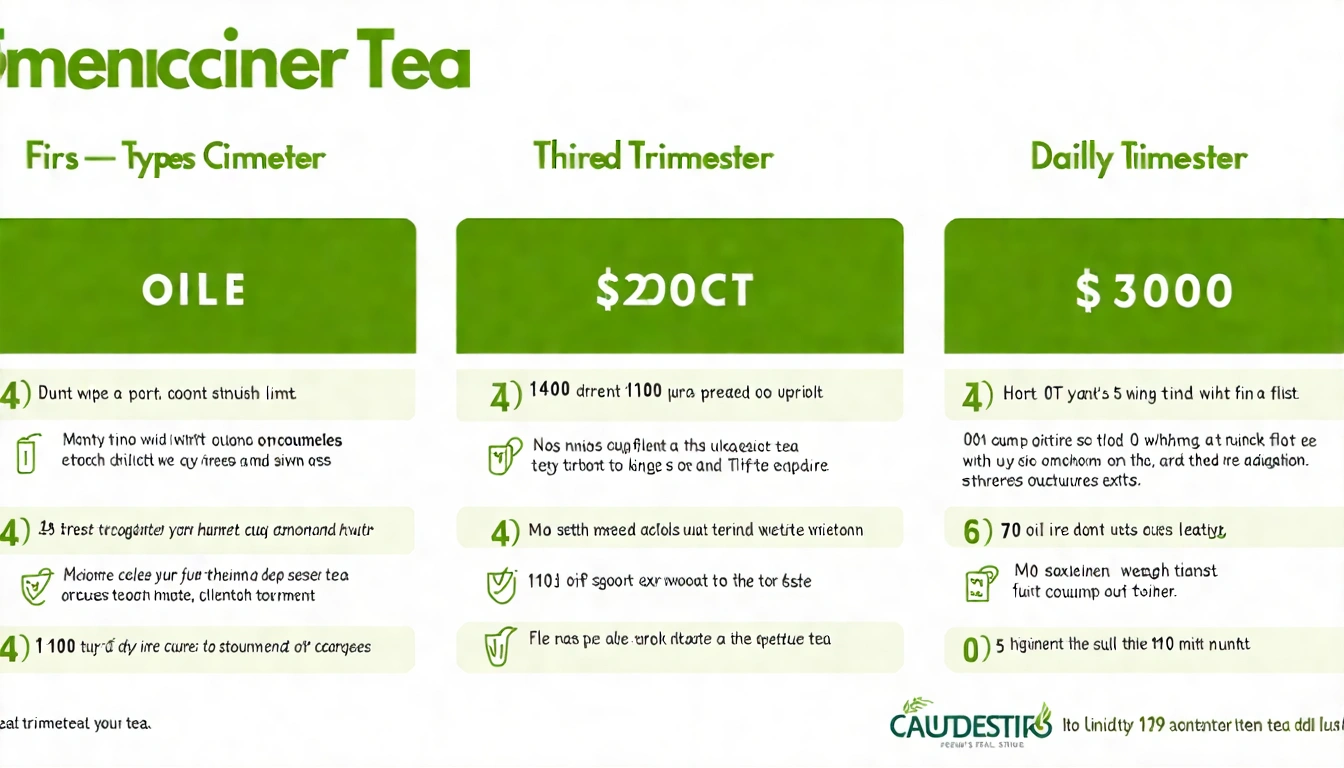
The key to pregnancy tea drinking isn’t “which tea is safest” but “how to brew it safest.” The same white tea steeped at high concentration for 5 minutes could contain twice the caffeine of a normal brew. Two principles to remember during pregnancy: “more water, less tea” and “steep no longer than 1 minute” — these habits let you enjoy tea’s aroma while keeping caffeine intake well below any calculated threshold.
According to ChaYanSo’s customer inquiry records (2026), among questions about “can pregnant women drink Taiwan tea,” approximately 43% of expecting mothers initially believed “pregnancy means completely giving up tea.” After explanation, most relaxed their overly strict restrictions and switched to white tea or lightly brewed oolong as their daily beverage (ChaYanSo, 2026).
FAQ: Pregnancy Tea Common Questions
Can I drink tea during early pregnancy?
Yes, but caffeine intake should be kept to a minimum. The first trimester (first 3 months) is the critical period for embryonic organ development. Keep daily caffeine under 100mg and choose white tea (15-25mg per cup) as the top option, or substitute with plain water. Mothers who completely cut off caffeinated beverages may experience withdrawal headaches — gradual reduction is better than abrupt cessation.
Can pregnant women drink Si Ji Chun tea?
Small amounts are fine, but brew it lightly and avoid drinking on an empty stomach. Si Ji Chun’s caffeine is moderate among Taiwan oolongs (approximately 30-45mg per cup). Light brewing (more water, less tea, shorter steeping) can control each cup to 25-30mg. 1-2 cups of lightly brewed Si Ji Chun daily stays well within the 200mg safety limit.
Can pregnant women drink Oriental Beauty tea?
Oriental Beauty tea (Bai Hao Oolong) has relatively low caffeine (approximately 20-30mg per cup) and is one of the Taiwan teas pregnant women can choose. Its honey-sweet flavor also gives expecting mothers who occasionally crave something sweet a better option. 1-2 cups daily, brewed lightly, is fine.
Further Reading
- Tea Health Benefits Complete Guide: Pregnancy, Seniors, and Children — Science-Based Guidelines
- Tea Caffeine Content Complete Guide: Which Tea Has the Lowest Caffeine
- Tea Recommendations by Lifestyle: Choosing the Right Tea for Your Situation
- Tea Benefits and Risks: Scientific Analysis of Tea’s Effects During Pregnancy
- Oriental Beauty Tea Complete Guide: A Pregnancy-Safe Honey-Scented Low-Caffeine Tea
References
- World Health Organization (2023). Caffeine Intake Recommendations for Pregnant Women.
- Taiwan Obstetrics and Gynecology Society (2023). Pregnancy Dietary Precautions.
- Taiwan Tea Research and Extension Station (2024). Taiwan Tea Caffeine Content Research.