
Tea Fermentation Levels Complete Guide 2026 | From Green Tea to Black Tea — Understanding All Six Tea Types
Here’s one of the most commonly misunderstood facts about tea: many people think something is added to black tea to make it red — but actually, nothing is added at all. The only difference is the degree of oxidation.
Green tea, oolong tea, and black tea all come from leaves of the same tea plant. The only difference is “how long the leaves are allowed to oxidize.” This oxidation process is what we call tea “fermentation.” Different levels of oxidation create dramatically different colors, aromas, and flavors.
During oxidation, tea polyphenols (catechins) in the leaves gradually transform into theaflavins, thearubigins, and other complex compounds. The proportions of these substances determine the tea liquor’s color and flavor characteristics; unoxidized tea contains 3 to 4 times more catechins than fully oxidized black tea (Source: Taiwan Tea Research and Extension Station, Biochemical Research Report, 2023).
Taiwan’s tea plantation area covers approximately 16,255 hectares with an annual output of about 17,502 metric tons, of which oolong tea (semi-oxidized tea) accounts for the largest share (Source: Ministry of Agriculture, 2024). Understanding fermentation levels is the most fundamental key to understanding Taiwan tea classification.
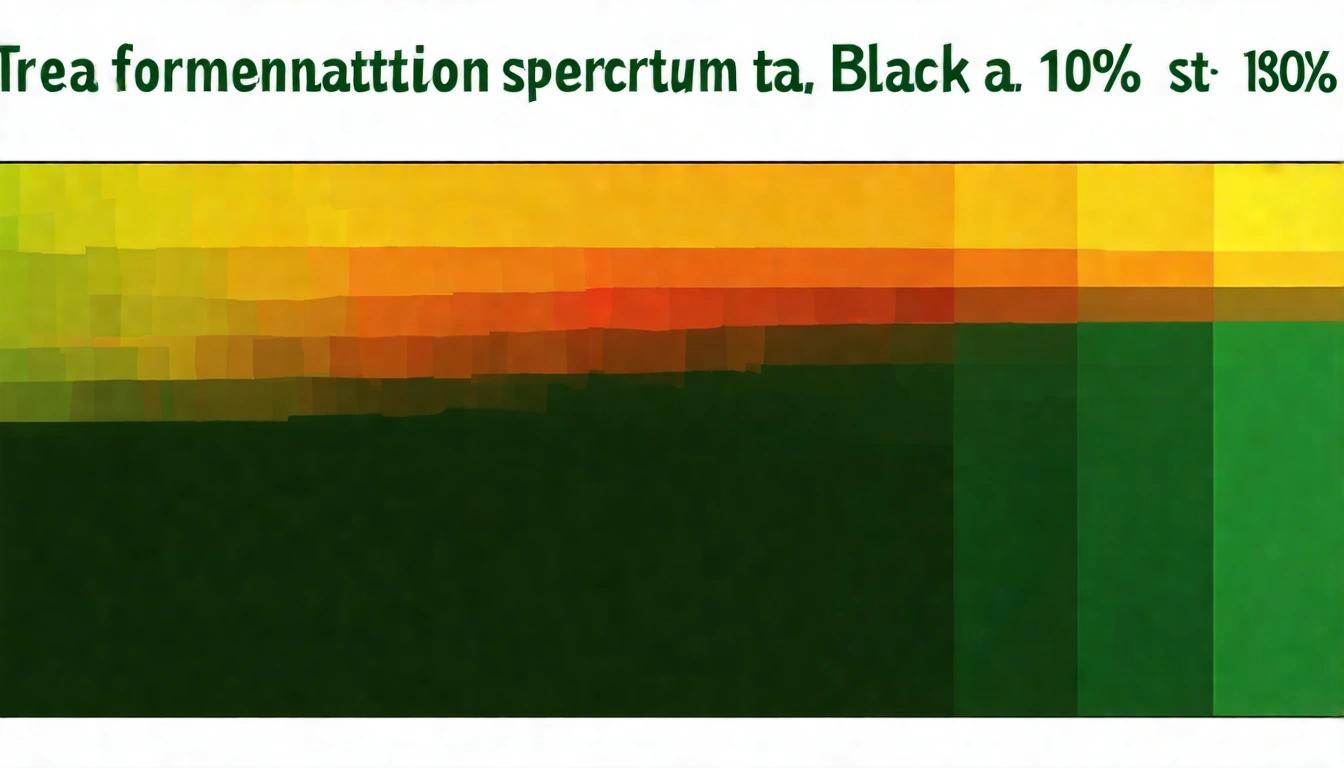
TL;DR: Six tea types by fermentation: Green tea (0%) → White tea (10-20%) → Yellow tea (10-25%) → Oolong (30-70%) → Black tea (80-100%) → Dark tea (post-fermented). Unoxidized tea has 3-4x more catechins than black tea (Tea Research and Extension Station, 2023). Taiwan’s core is oolong tea (qingcha), which has the richest aroma. Beginners: start with medium-oxidized oolong (30-50%).
Now that you understand fermentation levels, find the Taiwan tea that suits you best. Browse ChaYanSo
What Is Tea Fermentation? (Scientific Explanation)
The term “tea fermentation” is commonly used as shorthand for “oxidation,” but strictly speaking, the two are different:
True enzymatic oxidation: The reaction that occurs when polyphenol oxidase in tea leaves comes into contact with oxygen in the air. This is the basis for most tea classification.
Post-fermentation: The method used for dark tea (pu-erh). This involves true fermentation with the participation of microorganisms (fungi), and it’s the reason pu-erh tea improves with age.
How fermentation affects every aspect of tea:
| Increasing Fermentation | Leaf Color | Liquor Color | Aroma | Taste | Catechin Content |
|---|---|---|---|---|---|
| Low (0-20%) | Green → Yellow-green | Pale yellow-green | Fresh grass, floral | Crisp, slightly bitter | High |
| Medium (30-60%) | Yellow-green → Yellow-brown | Yellow → Golden | Floral, fruity, honey | Sweet and mellow, floral-fruity | Medium |
| High (70-100%) | Brown → Dark brown | Orange-red → Deep red | Honey, caramel, malty | Sweet, smooth, full-bodied | Low |
Complete Comparison of Six Tea Types by Fermentation Level
1. Green Tea (0%, Unoxidized)
Green tea has the lowest fermentation level. During processing, high heat is immediately applied (kill-green/fixation) to stop enzymatic activity, preserving the leaves in their most natural state.
- Liquor color: Pale yellow-green
- Aroma profile: Fresh grassy, beany (certain varieties)
- Taste: Clean and refreshing with slight astringency, a noticeable “freshness”
- Catechin content: Highest (EGCG can reach 15-20% of dry weight)
- Taiwan representatives: Sanxia Longjing, Biluochun
Best for: People accustomed to Japanese tea, health-conscious drinkers who value antioxidants
At ChaYanSo, customers often ask “What’s the difference between green tea and oolong?” The simplest answer is: green tea is about clean, fresh crispness, while oolong is about floral and fruity sweetness — the key difference is fermentation level.
2. White Tea (10-20%)
White tea is produced with almost no rolling, allowing the leaves to naturally wither and lightly oxidize, preserving the most pristine sweetness of the tea leaf.
- Liquor color: Pale yellow
- Aroma profile: Clean, sweet honey aroma, sometimes with woody notes
- Taste: Light, round, sweet without cloying
- Taiwan: Small-scale white tea production exists but isn’t mainstream
3. Yellow Tea (10-25%)
Yellow tea is the rarest of the six tea types, with virtually no production in Taiwan. It adds an extra “smothering/yellowing” step compared to green tea, giving the leaves a distinctive yellow hue.
- Taiwan: Almost no production; “yellow tea” on the market is mostly from China
4. Qingcha (Oolong Tea, 30-70%): Taiwan’s Core
Oolong tea is Taiwan’s most important tea category and has the widest fermentation range among all six types.
Light-oxidized oolong (30-40%):
- Representatives: Wenshan Baozhong, Alishan light-fragrant type, Si Ji Chun
- Aroma: Elegant floral, approaching the lightness of white tea
- Taste: Refreshing, clean sweetness
Medium-oxidized oolong (40-55%):
- Representatives: Dong Ding Oolong (traditional), Shanlinxi Tea, Lishan Tea
- Aroma: Floral and fruity combined, complex aroma
- Taste: Sweet and mellow, pronounced aftertaste
Heavy-oxidized oolong (55-70%):
- Representatives: Oriental Beauty Tea (Bai Hao Oolong)
- Aroma: Honey, fruity, approaching black tea
- Taste: Sweet and smooth with low astringency
5. Black Tea (80-100%, Fully Oxidized)
Full oxidation transforms nearly all tea polyphenols, giving the liquor its vivid red color as catechins convert to theaflavins and thearubigins.
- Liquor color: Orange-red to deep red
- Aroma profile: Honey, caramel, malty (varies by variety)
- Taste: Full-bodied, sweet, lowest astringency
- Taiwan representatives: Taiwan Tea No. 18 (Ruby), Honey Scent Black Tea, Assam Black Tea
6. Dark Tea (Post-Fermented)
Dark tea (including pu-erh) undergoes additional post-fermentation with microbial participation after initial processing. Taiwan produces small quantities.
- Characteristics: Improves with age, gentle on the stomach
- Taiwan: Small-scale production; most dark tea on the market is Yunnan pu-erh
The Relationship Between Fermentation Level and Health Benefits
Different fermentation levels mean different health benefit focuses:
| Health Concern | Recommended Tea Type | Reason |
|---|---|---|
| Antioxidant, cancer research | Green tea (0% oxidation) | Highest catechin (EGCG) content |
| Cardiovascular health | Black tea (fully oxidized) | Theaflavins may help lower LDL cholesterol |
| Digestive friendliness | Dark tea, roasted oolong | Low irritation, gentle on stomach |
| Relaxation and stress relief | Oolong tea (medium oxidation) | Moderate L-theanine retention, relaxing without overstimulating |
Important reminder: Tea’s health effects are cumulative — they don’t work from a single cup. More importantly, choose a tea you enjoy and can drink consistently long-term. Research shows that the deeper the oxidation, the lower the catechin content. Fully oxidized black tea can have total catechin levels below 2%, with nearly all catechins oxidized into theaflavins, thearubigins, and other fermentation products (Source: Tea Research and Extension Station, Variety Research, 2023). In terms of reducing body weight and serum triglycerides, oolong tea and pu-erh tea show significantly greater effects than green tea, but for inhibiting total cholesterol, pu-erh and green tea are more effective than oolong (Source: Taiwan Medical Journal, Tea Health Research, 2023).
Most Popular Taiwan Fermented Tea Recommendations
Taiwan’s most representative fermented teas, arranged by fermentation level:
- Light oxidation: Alishan Light-Fragrant Oolong, Wenshan Baozhong (for those who enjoy refreshing floral aromas)
- Medium oxidation: Dong Ding Oolong, Shanlinxi Tea (for those wanting to experience traditional Taiwan flavors)
- Heavy oxidation: Oriental Beauty Tea (for those who love honey aroma and low astringency)
- Full oxidation: Taiwan Tea No. 18 Ruby, Honey Scent Black Tea (for habitual black tea drinkers)
Nantou County accounts for 48.9% and Chiayi County for 14.1% of Taiwan’s total tea plantation area (Source: Ministry of Agriculture, 2024), making these two regions the primary source of Taiwan teas at every fermentation level. Taiwan’s export tea unit price is approximately 6.5 times that of imported tea (Source: Ministry of Agriculture Trade Statistics, 2024), with Taiwan oolong’s unique semi-oxidation craftsmanship being the key factor behind the premium pricing.
When recommending teas to beginners at ChaYanSo, we always start with one question: “Do you generally prefer refreshing or rich drinks?” If refreshing, start with light-oxidized oolong (Alishan light-fragrant type); if you prefer sweet and rich, start with honey scent black tea — these two starting points rarely disappoint.
We once held a “fermentation level blind tasting” at ChaYanSo, where customers tasted five Taiwan teas from light to heavy oxidation without knowing the tea names. Interestingly, most people’s favorite was the medium-oxidized Dong Ding Oolong — it has both the elegance of floral aroma and the sweetness of fruit, with the best overall balance. This also validates why oolong tea holds the largest market share among Taiwan teas.
Every fermented tea mentioned in this article is available at ChaYanSo. Shop now
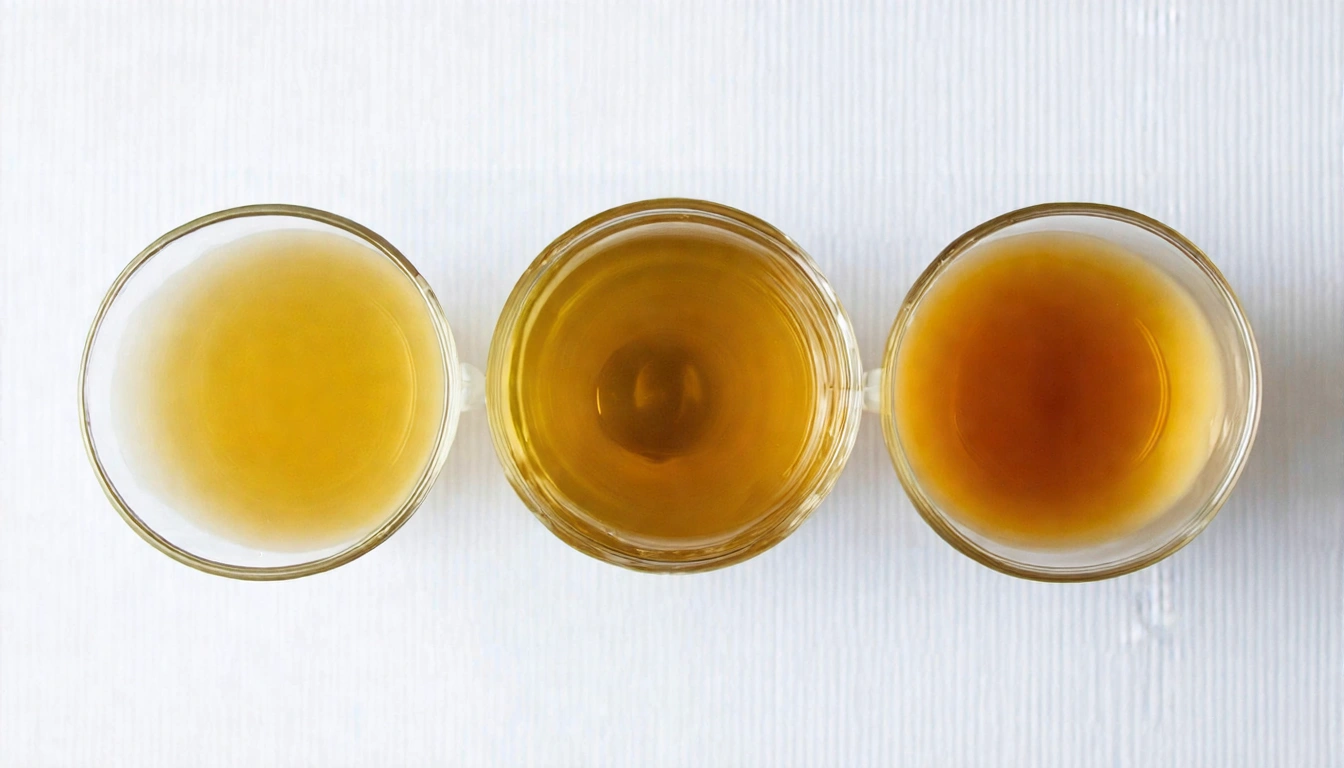
Taiwan oolong tea’s 30-70% oxidation range may seem broad, but it actually encompasses the world’s most complex aroma spectrum — from Wenshan Baozhong, as light as a spring breeze, to Oriental Beauty, as sweet as honey. Both are “oolong tea,” yet they’re so different it’s hard to believe they belong to the same category. This is the best testament to how Taiwan tea farmers have taken a single “semi-oxidized” concept and developed it into an entire tea universe over decades of craft tradition.
FAQ: Tea Fermentation Common Questions
Does higher fermentation mean higher quality?
No — each type has its own character, and quality cannot be judged by fermentation level. Green tea (unoxidized) and Dayuling High Mountain Tea (light to medium oxidation) are both top-tier teas that simply cannot be compared to each other. Fermentation level is an indicator of flavor style, not quality. When choosing tea, first identify which style you prefer, then look for high-quality options within that category.
What tea is best for beginners?
Oolong tea (medium oxidation, 30-50%) is the most beginner-friendly choice because: its aroma is rich (floral, fruity), its taste is sweet and mellow (not as astringent as green tea), and Taiwan offers the widest variety and quality range in this category. Specific recommendations: Si Ji Chun (refreshing, light oxidation) or Jin Xuan (natural milky aroma, light to medium oxidation) as your first Taiwan tea.
Does Taiwan produce green tea? How does it differ from Japanese green tea?
Yes. Sanxia Longjing is Taiwan’s most famous green tea, along with Biluochun. The biggest difference between Taiwan and Japanese green tea is the fixation method: traditional Taiwan green tea uses pan-firing (similar to Chinese green tea), while Japan uses steam fixation. This gives Japanese green tea its distinctive “seaweed-grass” aroma, while Taiwan green tea’s grassy notes are more refreshing with a more pronounced beany character.
Further Reading
- Taiwan Tea Knowledge Complete Guide: Six Tea Types and Ten Famous Teas
- Taiwan Tea Making Process Explained: 6 Key Steps from Harvest to Finished Product
- Spring Tea vs. Winter Tea: Harvest Timing and Flavor Differences Guide
- Oolong Tea Complete Guide: Taiwan Oolong Types, Flavors, and Brewing Tips
- Taiwan Tea Buying Guide for Beginners: Understanding Labels
References
- Taiwan Tea Research and Extension Station (2023). Research Report on Tea Fermentation Levels and Biochemical Composition.