
Taiwan Tea Recommendations 2026 | Complete Review of 10 Best Taiwan Teas + Brand Rankings — A Must-Read for Beginners
Every time you walk into a tea shop or open a shopping website, the variety of Taiwan tea is overwhelming — Alishan Jin Xuan, Dong Ding Oolong, Honey-Scented Black Tea, Oriental Beauty… “oolong tea” alone branches into over a dozen types. For someone just wanting to start drinking Taiwan tea, this complexity becomes a barrier to entry.
This article uses the most complete, straightforward approach to help you clearly understand the 10 most noteworthy Taiwan teas in 2026 — what they are, their characteristics, and who they’re best suited for, all in one read.
TL;DR
Taiwan tea is most internationally renowned for its “semi-fermented oolong tea,” with representative varieties including Alishan Jin Xuan Oolong, Oriental Beauty Tea, and Sun Moon Lake Black Tea. The global tea market was valued at approximately US$69.5 billion in 2025 (Grand View Research), and Taiwan oolong tea is considered the quality benchmark in the international semi-fermented tea market, with export unit prices approximately 4.7 times that of imported tea (Ministry of Agriculture). About 150 years ago, Taiwan tea was already exported to New York, USA, and received widespread acclaim. Beginner’s top picks: Jin Xuan Oolong (natural milky aroma, most easily accepted) or light Si Ji Chun (refreshing floral aroma, versatile).
Why Is Taiwan Tea Internationally Renowned?
Taiwan tea’s international standing rests on three irreplicable advantages:
1. Unique Terroir Created by High-Mountain Geography
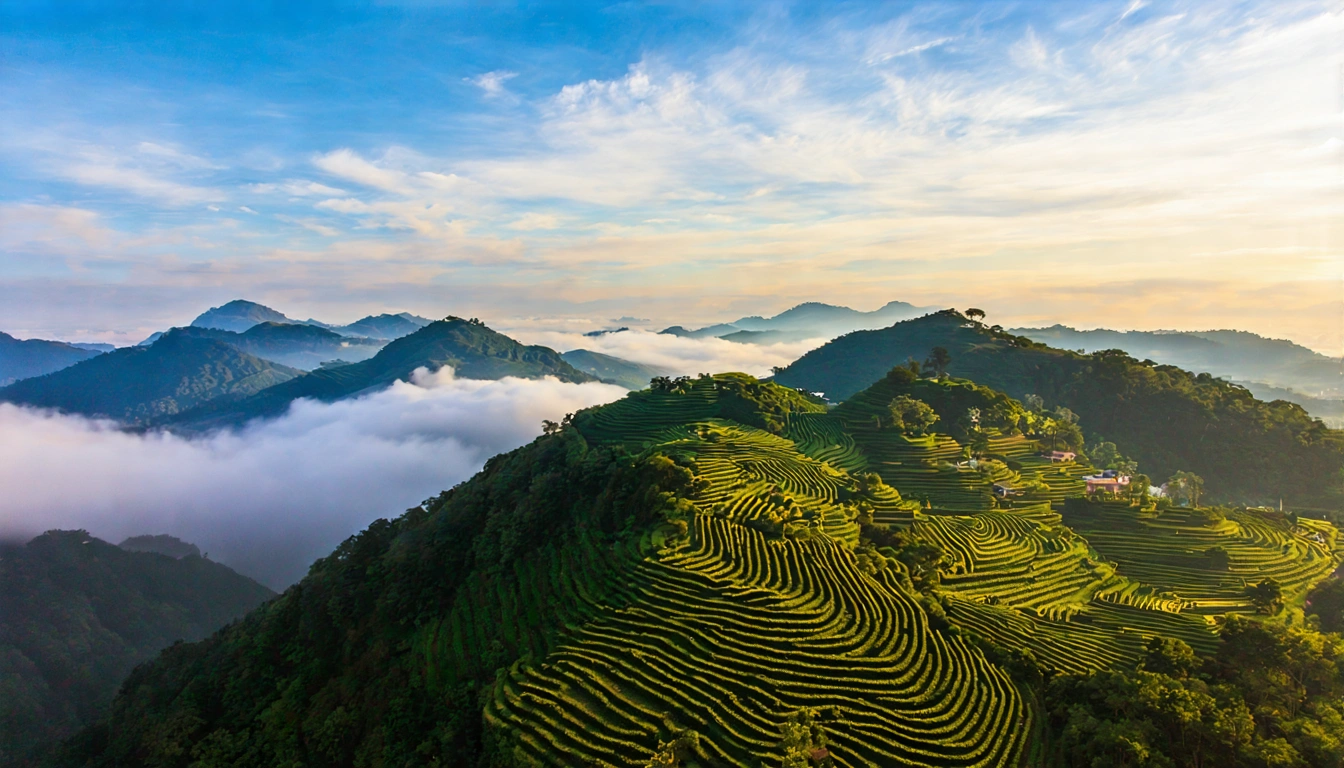
Taiwan’s tea garden area spans approximately 12,000 hectares with annual production of about 14,000 metric tons (Ministry of Agriculture Tea Research and Extension Station), with Nantou County accounting for approximately 48.9% of national tea garden area (Ministry of Agriculture). Taiwan’s central mountain range runs the length of the island, and high-mountain tea regions like Alishan (1,200-1,800m), Lishan (2,000m+), and Shanlinxi (1,600m) have dramatic day-night temperature swings (summer daytime 25°C, nighttime dropping below 10°C). Slow growth in cool temperatures allows tea leaves to accumulate more amino acids and aromatic compounds. This is a geographic advantage most tea regions worldwide lack.
2. Masterful Semi-Fermentation Craftsmanship
Taiwan oolong tea (semi-fermented tea) accounts for the largest share of Taiwan tea production (Ministry of Agriculture). The production techniques — sun withering, tossing (shaking), indoor withering, pan-firing, rolling, drying — represent craftsmanship passed down through generations of tea farmers. The precise control of fermentation levels has given Taiwan oolong a unique position in the international tea world. At ChaYanSo, we’ve visited our partner farmers in Nantou and Chiayi multiple times, witnessing firsthand the meticulous judgment tea masters apply during sun withering to each leaf — this dedication to craftsmanship deeply moves us.
3. Quality Oversight by the Tea Research and Extension Station
Taiwan has a world-class national tea research institution that continuously conducts cultivar improvement, pest control, and quality enhancement research, giving Taiwan tea far greater quality consistency than many international producing regions.
Taiwan Tea Region Overview
Taiwan’s tea regions, shaped by diverse terrain and climate, produce distinctly different teas:
| Tea Region | Location | Elevation | Representative Tea | Flavor Profile |
|---|---|---|---|---|
| Wenshan, Pinglin | New Taipei City | 300-400m | Wenshan Baozhong | Clean, floral |
| Nantou Lugu | Nantou County | 700-1,000m | Dong Ding Oolong | Classic Taiwan oolong character |
| Shanlinxi | Nantou County | 1,600m | Shanlinxi Oolong | Elegant, sweet, misty character |
| Alishan | Chiayi County | 1,200-1,800m | Alishan High-Mountain Oolong, Jin Xuan | Sweet, floral, fruity |
| Lishan | Taichung City | 2,000m+ | Lishan High-Cold Oolong | Supreme sweetness, refined |
| Sun Moon Lake | Nantou County | 760m | TTES No. 18, TTES No. 8 | Taiwan’s signature black tea |
| Hualien-Taitung | Hualien, Taitung | Low-Mid elevation | Honey-Scented Black Tea | Natural honey-sweet floral |
For detailed tea region introductions, see Complete Guide to Taiwan Tea Regions: Terroir and Representative Teas.
2026 Taiwan’s Top Ten Famous Teas: Characteristics, Ideal Audiences & Beginner Rating
1. Alishan High-Mountain Oolong — Taiwan’s Most Renowned High-Mountain Tea
Search popularity: Highest | Best for: Beginners through advanced
Alishan high-mountain oolong is the Taiwan tea name most foreigners know. Tea gardens at 1,200-1,800 meters elevation, where day-night temperature swings slow leaf growth, creating rich amino acids and floral-fruity aromas. Clean, sweet taste with lingering floral notes — the signature calling card of Taiwan oolong.
Beginner rating: 5/5 (Best for beginners)
2. Alishan Jin Xuan — The Secret of Natural Milky Aroma
Search popularity: Very high | Best for: All tea beginners
Jin Xuan (TTES No. 12) is a cultivar developed by Taiwan’s Tea Research and Extension Station, characterized by its natural milky floral aroma — not artificially added, but genetically determined. For first-time Taiwan tea drinkers, Jin Xuan is virtually impossible to dislike. At ChaYanSo, when selecting Jin Xuan sources, we insist on using only tea gardens at 1,200 meters or above in Alishan, because the high-mountain environment makes Jin Xuan’s natural milky aroma fuller and more pronounced — a conclusion we reached after testing multiple production regions.
Beginner rating: 5/5 (Nobody dislikes it)
3. Oriental Beauty Tea — Taiwan’s Most Storied Tea
Search popularity: High | Best for: Enthusiastic tea appreciators
Oriental Beauty (Bai Hao Oolong) gains its natural honey-fruit aroma from leafhopper bites on the tea leaves — a mechanism nearly impossible to replicate in other tea regions worldwide, making Oriental Beauty the most distinctive calling card in Taiwan’s tea world. Light fermentation preserves rich layers of floral and fruity aroma.
Beginner rating: 3/5 (Best appreciated with some background knowledge)
4. Taiwan Honey-Scented Black Tea — A Sweet, Stomach-Warming Taiwan Black Tea
Search popularity: High | Best for: Black tea lovers, seniors
Honey-scented black tea from the Hualien-Taitung region (particularly Taitung and Hualien) also gains its natural honey sweetness from leafhopper bites. With a warm, sweet mouthfeel lacking the strong astringency of Indian or Sri Lankan black tea, it’s especially well-suited for those who dislike bitter, astringent teas.
Beginner rating: 5/5
5. Sun Moon Lake Black Tea (TTES No. 18) — King of Taiwan’s Specialty Black Teas
Search popularity: High | Best for: Black tea enthusiasts
Sun Moon Lake’s TTES No. 18 (Ruby) is a cultivar bred from large-leaf Assam and Taiwan’s native wild tea. Its deep red liquor carries distinctive mint and cinnamon aromas, earning high international recognition. Different from honey-scented black tea in style — more personality-driven.
Beginner rating: 4/5
6. Dong Ding Oolong — The Embodiment of Traditional Taiwan Flavor
Search popularity: Medium-high | Best for: Those preferring classic Taiwan tea taste
Nantou Lugu’s Dong Ding Oolong is the classic synonym for Taiwan oolong. Medium-roasted with caramel sweetness, rich and smooth without bitterness — this is the “taste of Taiwan tea” most familiar to the older generation. Perfect for those who prefer traditional Taiwan style over floral profiles.
Beginner rating: 4/5
7. Wenshan Baozhong — Taiwan’s Most Fragrant Green Oolong
Search popularity: Medium | Best for: Those who enjoy light green tea styles
Wenshan Baozhong from Taipei’s Pinglin and Shiding has extremely low fermentation (about 15-20%), approaching green tea’s freshness with natural floral aromas. The lightest oolong variety — ideal for those who enjoy Japanese green tea but want to try Taiwan tea.
Beginner rating: 4/5
8. Shanlinxi Oolong — Sweet Mist of the Cloud-Wrapped Mountains
Search popularity: Medium | Best for: High-mountain tea lovers
Shanlinxi in Nantou County at 1,600 meters is perpetually wrapped in clouds, giving the tea a notably sweet, refreshing character with elegant floral notes. Compared to Alishan oolong, Shanlinxi’s aroma is more subtly refined — best for slow, contemplative sipping.
Beginner rating: 4/5
9. Lishan High-Cold Oolong — Taiwan Tea’s Pinnacle Achievement
Search popularity: Medium | Best for: Serious tea aficionados, premium gifts
Lishan’s tea gardens at 2,000 meters and above represent the extreme of Taiwan high-cold tea. Renowned for exceptionally refined sweetness and elegant floral aroma — among Taiwan’s highest-priced oolong teas.
Beginner rating: 3/5 (Premium experience tier)
10. Si Ji Chun Oolong — The Most Versatile Everyday Tea
Search popularity: High | Best for: Daily drinking, office use
Si Ji Chun (TTES No. 17) can be harvested year-round, with refreshing floral aroma and light mouthfeel. Many people keep it as their office “basic go-to.” High value for money, low risk of disappointment — ideal for first-time buyers who haven’t yet determined their preferences.
Beginner rating: 5/5 (Most versatile everyday tea)
Taiwan’s Top Ten Tea Comparison Table
| Tea | Origin | Fermentation | Flavor Profile | Best For | Price Range |
|---|---|---|---|---|---|
| Alishan High-Mountain Oolong | Chiayi | Medium 20-30% | Sweet, floral-fruity | Best beginner choice | Medium-High |
| Alishan Jin Xuan | Chiayi | Medium | Natural milky floral | Most recommended for new drinkers | Medium |
| Oriental Beauty | Hsinchu, Miaoli | High 55-70% | Honey-fruity, refined | Tea enthusiasts | Medium-High |
| Honey-Scented Black Tea | Hualien-Taitung | Fully fermented | Honey-sweet, warm | Seniors, black tea fans | Medium |
| Sun Moon Lake Black Tea | Nantou | Fully fermented | Mint-cinnamon aroma | Black tea enthusiasts | Medium |
| Dong Ding Oolong | Nantou Lugu | Medium 30-40% | Caramel, mellow | Traditional taste seekers | Medium |
| Wenshan Baozhong | New Taipei Pinglin | Low 15-20% | Clean, floral | Light-taste lovers | Low-Medium |
| Shanlinxi Oolong | Nantou | Medium | Sweet, elegant | Contemplative sippers | High |
| Lishan High-Cold Oolong | Taichung | Medium | Supremely refined sweetness | Serious aficionados | Premium |
| Si Ji Chun Oolong | Nantou | Medium | Clean, floral, versatile | Daily drinking | Low-Medium |
Discover ChaYanSo’s commitment — carefully curated Taiwan teas from every major tea region, delivered directly to you. Browse Our Full Collection
Taiwan Tea Brand Rankings 2026
Taiwan tea brands are diverse, ranging from traditional tea shops and farm-direct brands to artisan tea brands. When choosing a brand, consider these factors:
Three Core Criteria for Choosing a Brand
- Origin transparency: Good brands clearly label tea origin (region, elevation, cultivar) rather than vaguely stating “Taiwan tea”
- Quality consistency: Whether each batch maintains stable quality, assessable through brand reviews and repurchase rates
- Value for money: Within reasonable price ranges for comparable quality
ChaYanSo’s Brand Positioning
ChaYanSo is built on the core philosophy of direct supply from local Taiwan tea farmers, committed to curating whole-leaf tea bags from Taiwan’s major tea regions, making it easy to enjoy great Taiwan tea in modern life without elaborate tea ware. Every tea bag is traceable to its origin, so consumers know exactly where their tea comes from.
For detailed Taiwan tea brand reviews, see Taiwan Tea Brand Rankings 2026: Complete Review of 10 Major Brands.
Taiwan Tea vs Japanese Tea vs Chinese Tea: Key Differences
The fundamental differences among Asia’s three major tea systems lie in their processing philosophies:
| Comparison | Taiwan Tea | Japanese Tea | Chinese Tea |
|---|---|---|---|
| Primary craft | Semi-fermented (oolong-focused) | Steamed green (unfermented) | Diverse (green, black, pu-erh, etc.) |
| Flavor profile | Floral-sweet, richly varied | Clean-astringent-fresh, grassy | Varies enormously by tea type |
| Representative | High-mountain oolong, Oriental Beauty | Matcha, gyokuro, sencha | Longjing, Da Hong Pao, pu-erh |
| Caffeine | Medium | Higher (matcha especially high) | Varies by type |
| Beginner pick | Jin Xuan, Si Ji Chun | Sencha, genmaicha | Longjing, Tieguanyin |
For more detailed comparison of the three tea systems, see Taiwan Tea vs Japanese Tea vs Chinese Tea Complete Comparison.
How to Buy Taiwan Tea Online
A few key considerations for buying Taiwan tea online:
1. Choose brands with origin details
Authentic high-mountain tea gift boxes should clearly state: tea region, elevation, cultivar, and harvest season. Products that only say “Alishan tea” without further detail may be blended or non-high-mountain tea.
2. Price warning thresholds
Alishan high-mountain oolong loose-leaf reasonable market price: approximately NT$300-800 per 100g. If you see 100g of “Alishan high-mountain tea” for just NT$80-100, it’s almost certainly blended or non-Taiwan tea. At ChaYanSo, we’ve encountered numerous customers who previously bought “Alishan tea” from other channels that completely lacked the sweet flavor expected of high-mountain tea. Investigation typically reveals origin-misrepresented blends, which reinforces our commitment to origin labeling transparency.
3. Official website vs E-commerce platforms
Official website: Fresher, more complete information, after-sales service E-commerce platforms (Shopee, momo): Convenient for price comparison, but requires more careful seller verification
For more detailed buying guidance, see Complete Taiwan Tea Online Shopping Guide: How to Buy Authentic Taiwan Tea.
FAQ
Q: What’s the difference between Taiwan tea and Chinese tea?
Taiwan tea is most renowned for semi-fermented oolong, emphasizing refined floral-fruity aromas and sweet mouthfeel. Chinese tea offers greater variety (green, black, pu-erh, etc.), each with its own strengths. Taiwan high-mountain tea’s greatest advantage lies in terroir — the day-night temperature swings of Alishan and Lishan are hard to replicate in mainland China’s primary tea regions. Both have their artisan products; there’s no absolute better or worse.
Q: How does Taiwan tea rank globally?
Taiwan’s semi-fermented tea (oolong) is considered the quality benchmark by the international tea community. Oriental Beauty was already highly valued in the English market in the 19th century. About 150 years ago, Taiwan tea exported to New York established Taiwan tea’s position in international markets.
Q: What is Taiwan’s most expensive tea?
Lishan high-cold tea (2,000m+ high-altitude oolong) and competition teas (top-tier teas judged by the Tea Research and Extension Station) are Taiwan’s most premium teas — top-tier products can reach thousands of NT dollars per 100g. Premium-grade Oriental Beauty (hand-picked, high proportion of white tips) also represents the high-end market.
Q: Which brand of Taiwan tea is best?
“Best” depends on your needs. Value origin transparency? Choose brands with clear tea region labeling. Value convenience? Choose brands with whole-leaf tea bags like ChaYanSo. Value premium experiences? Choose brands with competition teas and top-tier offerings. We recommend starting with small sample packs — find a brand that matches your palate before buying in quantity.
Choosing Taiwan Tea: From Origin to Your Cup, Every Sip Is Taiwan’s Flavor
The beauty of Taiwan tea lies in its layers — the morning mists of Alishan, the harsh winter frost of Lishan, the shimmering lake reflections of Sun Moon Lake — these terroir elements leave their imprint in every tea’s aroma and mouthfeel.
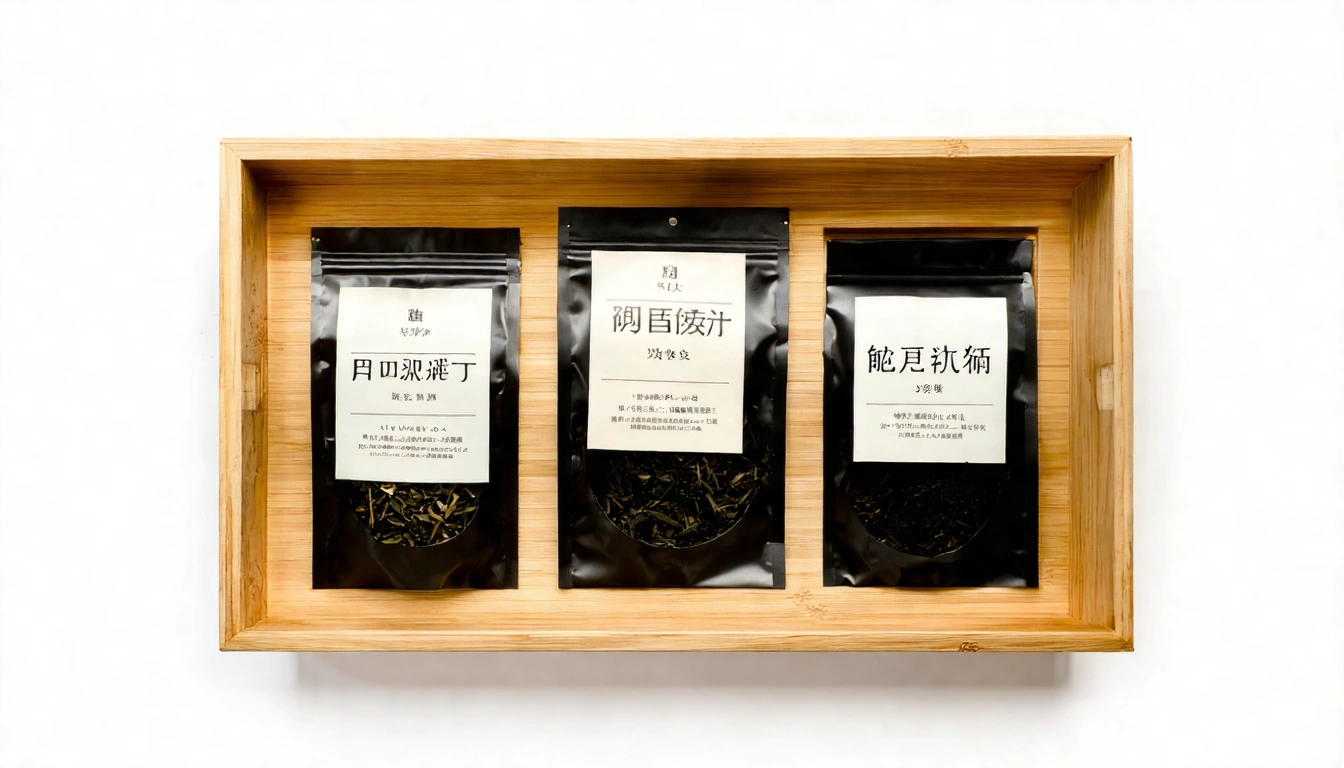
Starting with Taiwan tea doesn’t require expensive tea ware. A whole-leaf pyramid tea bag, a cup of hot water, three minutes of waiting — that’s your most direct connection to Taiwan’s land.
From origin to your cup, every sip is Taiwan’s flavor. Explore ChaYanSo
Further Reading
- Taiwan Tea Brand Rankings 2026: Complete Review of 10 Major Brands
- Complete Guide to Taiwan Tea Regions: Terroir and Representative Teas
- Taiwan Tea vs Japanese Tea vs Chinese Tea Complete Comparison
- Complete Taiwan Tea Online Shopping Guide: How to Buy Authentic Taiwan Tea
- Oriental Beauty Tea Complete Guide: Taiwan’s Most Storied Tea
References
- Taiwan Tea Manufacturers’ Association - Tea Statistics
- Council of Agriculture Tea Research and Extension Station - Taiwan Tea Cultivar and Promotion Data
- Council of Agriculture - Taiwan Tea Production Status and Support Measures