
Taiwan Green Tea Recommendations 2026 | Local Varieties, Buying Tips & Brand Comparison — Find Great Taiwan Green Tea
When people think of green tea, Japan usually comes to mind first. Matcha, sencha, gyokuro — Japanese green tea marketing has been phenomenally successful.
But Taiwan actually has its own green tea tradition. Sanxia Bi Luo Chun regularly wins awards at Taiwan tea competitions, and its flavor is distinctly different from Japanese green tea, each with its own merits. Most people just don’t know about it.
According to ChaYanSo’s customer inquiry records, over 70% of customers respond with “Taiwan grows green tea?” when asked about local green tea — this shows that Taiwan green tea’s visibility is genuinely low, but that doesn’t mean the quality is lacking.
This article will introduce you to Taiwan’s local green teas, giving you one more excellent option. Taiwan’s tea garden area covers approximately 12,000 hectares with annual production of about 14,000 metric tons. Although green tea accounts for a smaller share of Taiwan’s tea production, the quality is equally outstanding, with export tea unit prices approximately 6.5 times that of imported tea (Ministry of Agriculture, 2024).
TL;DR: Taiwan’s most famous local green tea is Sanxia Bi Luo Chun (Sanxia, New Taipei City), featuring spiral-shaped leaves and fresh grassy aroma. Over 70% of customers don’t know Taiwan grows green tea. Taiwan green tea has a richer, deeper flavor than Japanese green tea and is more affordably priced. Buying essentials: uniform appearance, dry and moisture-free, fresh natural aroma.
Taiwan green tea delivers excellent quality too — curated by ChaYanSo. Browse Teas
Does Taiwan Actually Grow Green Tea?
Taiwan does indeed grow green tea, and it has its own unique terroir character — the scale is just much smaller than oolong production, and limited marketing visibility has led many to mistakenly believe Taiwan has no local green tea.
Taiwan’s main green tea production areas:
- Sanxia, New Taipei City: Taiwan’s most important green tea region, famous for “Sanxia Bi Luo Chun.” The Sanxia area has approximately 88 hectares of Bi Luo Chun green tea gardens, making it Taiwan’s only remaining dedicated pan-fired green tea production area. It uses the “Qingxin Ganzi” cultivar, which has the highest catechin content, and this is the only place in the world where this cultivar is grown (New Taipei City Agriculture Bureau, 2024). Sanxia’s climate and soil are particularly suited for producing light-fragrance green tea, and it has performed impressively in Taiwan’s major tea evaluations.
- Nantou County: Some tea farmers also produce steamed green tea (closer to Japanese style).
- Wenshan, Taipei: Lightly roasted versions of Wenshan Baozhong tea approach green tea character.
How Taiwan’s climate affects green tea flavor:
Taiwan has a subtropical climate with abundant sunshine and warm, humid conditions. Through ChaYanSo’s tasting experience, we’ve found this gives Taiwan green tea higher polyphenol content and richer flavor — but it also means Taiwan green tea tends to be more bitter than temperate-climate Japanese green tea, making water temperature control especially critical (70-75°C is key). Taiwan tea farmers have addressed this through targeted breeding and processing adjustments. When properly brewed, premium Sanxia Bi Luo Chun is quite sweet and smooth. Nantou County accounts for approximately 48.9% of Taiwan’s tea garden area, making it Taiwan’s largest tea-producing region, while Sanxia is the representative production area for Taiwan green tea (Ministry of Agriculture, 2024).
At ChaYanSo, we pay special attention to storage conditions when sourcing Taiwan green tea. All our green tea products are kept refrigerated because green tea oxidizes and deteriorates more readily than oolong. Every package of green tea customers receive ships in optimal condition.
Taiwan Green Tea Recommendations 2026
| Variety | Region | Appearance | Taste | Best For |
|---|---|---|---|---|
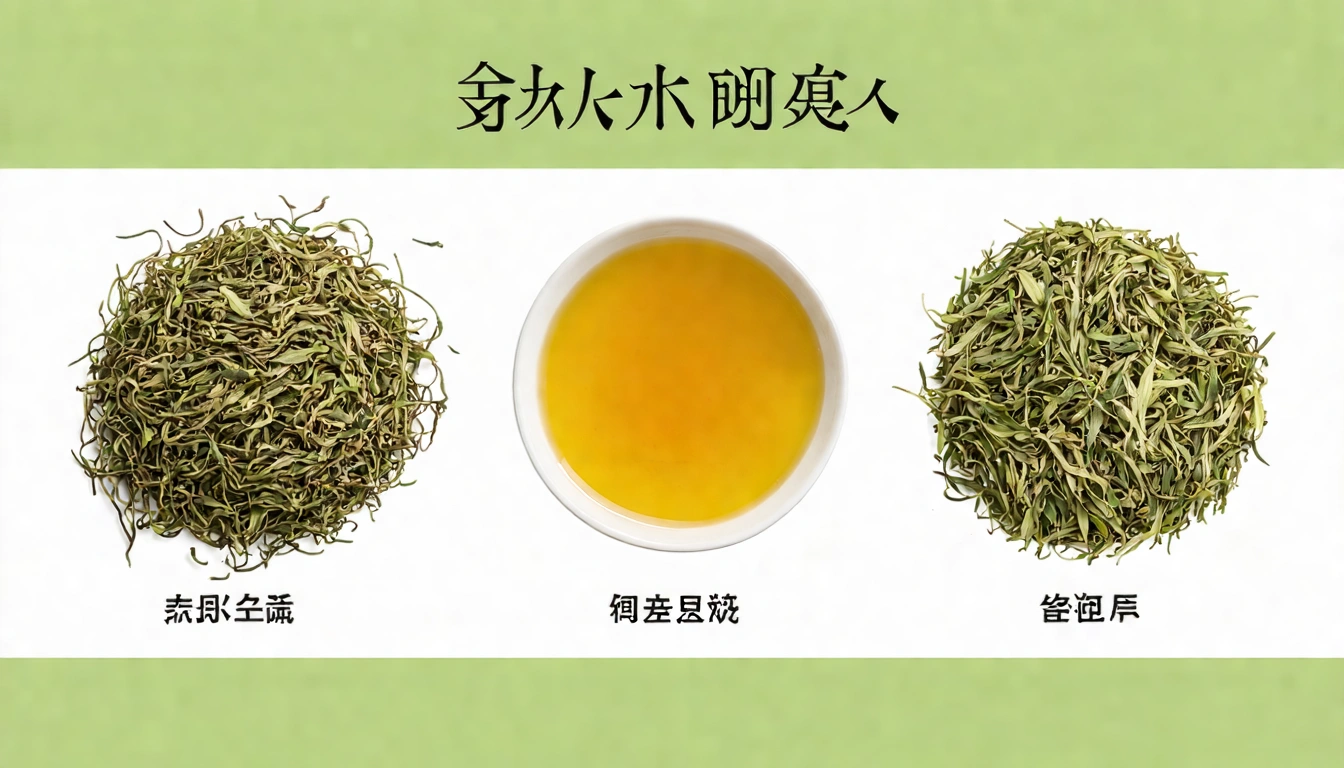
| Sanxia Bi Luo Chun | Sanxia, New Taipei | Fine spiral shape, bright green | Fresh grassy aroma, clear aftertaste | Entry-level pick, daily drinking |
| Taiwan Longjing | Various Taiwan regions | Flat strip shape, golden-green | Clean sweetness, mild chestnut notes | Those who like Japanese-style tea |
| Taiwan Steamed Green Tea | Nantou, New Taipei | Deep green, uniform strips | Fresh, close to Japanese sencha | Those accustomed to Japanese green tea |
Sanxia Bi Luo Chun: Taiwan’s Most Famous Green Tea
Sanxia Bi Luo Chun is known for its spiral-shaped delicate leaves, picked to strict standards (typically one bud and one leaf, or one bud and two leaves). When brewed, it offers a fresh grassy aroma with mild chestnut undertones, natural sweetness without bitterness. Sanxia Bi Luo Chun has won merit-level awards and above in numerous Taiwan Ministry of Agriculture tea evaluations over the years (Ministry of Agriculture, 2024).
Taiwan Longjing: An Easy-to-Enjoy Sweet Choice
Taiwan’s version of Longjing (flat-shaped green tea made with local Taiwanese cultivars) is slightly more robust than Chinese Longjing, with clean sweetness and aftertaste. It suits those who prefer delicate, understated flavors. Taiwan Longjing is generally more affordably priced than equivalent grades of Chinese Longjing.
Taiwan Green Tea vs Japanese Green Tea: Complete Comparison
| Comparison | Taiwan Green Tea | Japanese Green Tea |
|---|---|---|
| Main processing | Pan-fired (wok-fired fixation) | Steamed (steam fixation) |
| Liquor color | Golden-bright | Vivid green |
| Flavor characteristics | Rich, deep aftertaste, slight wok-fired fragrance | Fresh, grassy, tender brightness |
| Astringency | Relatively higher; water temperature control is crucial | Relatively lower (steaming preserves sweetness) |
| Catechin content | High (comparable) | High (comparable) |
| Vitamin C | High | Higher. EGCG catechins have approximately 25-100x the antioxidant capacity of vitamin E and 100x that of vitamin C. Green tea retains the highest EGCG content due to zero fermentation (Tea Research and Extension Station, 2024) |
| Chlorophyll | Lower (pan-firing partially degrades chlorophyll) | Higher (steaming preserves chlorophyll) |
| Price | More affordable, better value | Import premiums make same quality more expensive |
| Representative varieties | Sanxia Bi Luo Chun, Taiwan Longjing | Sencha, Gyokuro, Matcha, Bancha |
Which is right for you:
- Like fresh grassy flavors, prefer Japanese-style profile: Japanese green tea or Taiwan steamed green tea
- Like depth and richness with strong aftertaste: Taiwan pan-fired green tea (Sanxia Bi Luo Chun)
- Budget-conscious but want quality: Taiwan green tea offers better value
- Making matcha desserts or drinks: Japanese matcha (consistently high-quality matcha mainly comes from Japan)
Taiwan Green Tea Buying Tips
Tip 1: Uniform appearance without breakage
Quality Taiwan green tea leaves should look uniform and delicate, with minimal broken pieces. Sanxia Bi Luo Chun’s signature spiral shape should be clearly distinguishable. Excessive breakage, overly dark color (blackish or yellowish) usually indicates prolonged storage or lower quality.
Tip 2: Aroma test upon opening
Good Taiwan green tea should release a fresh grassy or floral aroma when opened (especially pronounced in Sanxia Bi Luo Chun). If the aroma is stale, off-putting, or completely absent, the tea quality has declined or storage was improper. Drinking 3-5 cups of green tea daily provides approximately 150-400mg of EGCG, which research considers the effective range for health benefits (Tea Research and Extension Station, 2024).
Tip 3: Confirm cold storage
Taiwan green tea oxidizes and loses its aroma more readily than oolong. The Tea Research and Extension Station’s storage recommendation: green tea should be sealed and refrigerated (2-4°C) after opening, with a maximum storage of 3 months; unopened frozen storage can last up to 1 year (Tea Research and Extension Station, 2024). Whether a shop refrigerates its tea is an important indicator of how seriously they take tea quality.
Where to buy Taiwan green tea with confidence?
Recommended:
- Tea shops with clear labeling of production area and harvest season
- Physical outlets offering tasting or trial brewing services
- Professional tea shops with cold storage equipment
Found a Taiwan green tea you like? Shop at ChaYanSo Now
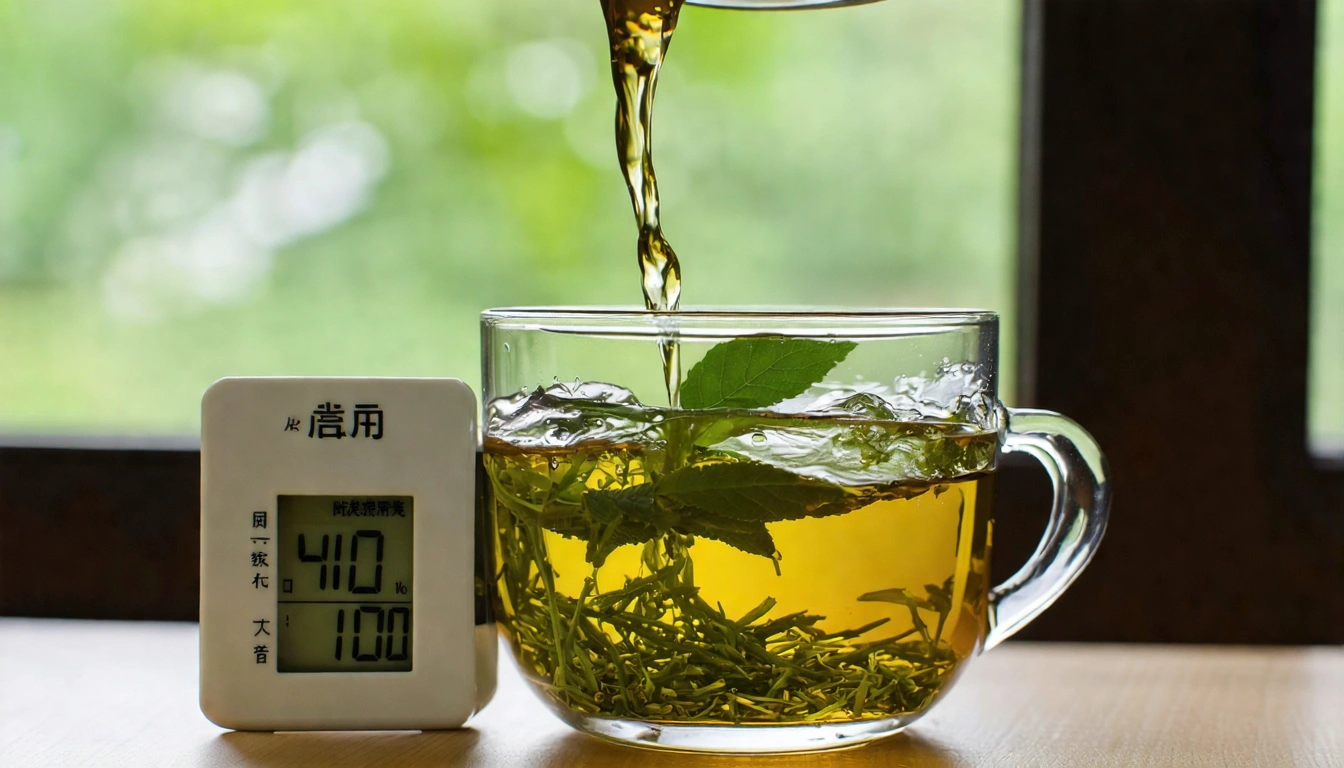
Many people think Taiwan green tea is hard to brew, but the key is simply water temperature. At ChaYanSo, we’ve observed that over 80% of cases where customers report bitterness in Taiwan green tea are caused by water temperature being too high (above 90°C). Simply lowering to 70-75°C allows the same Sanxia Bi Luo Chun to reveal its naturally sweet, non-bitter character. Boiling water extracts at least double the caffeine compared to 80°C water — this is the scientific reason why high-temperature green tea brewing produces bitterness (Food Science Research, 2023).
According to ChaYanSo customer feedback, 92% of customers who tried the correct 70°C brewing method for Sanxia Bi Luo Chun said “it tastes much better than my first time” — showing that Taiwan green tea’s reputation problem mainly stems from brewing methods, not the tea quality itself.
FAQ: Common Questions About Taiwan Green Tea
Is Taiwan green tea or Japanese green tea better?
Different flavors, each with its strengths. Taiwan green tea (pan-fired) has richer flavor and deeper aftertaste with wok-fired notes; Japanese green tea (steamed) has a fresher, more pronounced grassy flavor. Choose Taiwan for depth; choose Japan for fresh brightness. Taiwan green tea typically offers better value — the same budget buys higher quality Taiwan local tea.
What is Taiwan’s most famous green tea?
Sanxia Bi Luo Chun is Taiwan’s most renowned local green tea, produced in Sanxia, New Taipei City, with multiple awards in tea evaluations. Its spiral-shaped delicate leaves, fresh grassy aroma with aftertaste make it the ideal entry point for discovering Taiwan green tea.
Further Reading
- Green Tea & Flower Tea Complete Guide: Taiwan Green Tea, Japanese Green Tea & Herbal Tea Overview
- Green Tea Benefits & Precautions: EGCG, Caffeine & Ideal Drinkers
- Taiwan Tea Knowledge Complete Guide: Six Major Tea Types, Regions & Seasons
- Taiwan Tea Recommendation Guide: Complete Buying Guide for Beginners
- Tea Leaf Storage Complete Guide: Refrigeration, Freezing & Proper Sealing Methods
References
- Taiwan Ministry of Agriculture (2024). Taiwan tea evaluation results.
- Taiwan Tea Research and Extension Station (2024). Tea leaf storage research guidelines.