
Spring Tea vs Winter Tea 2026 | Which Season Produces the Best-Tasting Tea? Aroma, Flavor, Price Complete Comparison
In the world of Taiwanese tea, there’s an eternal debate: is spring tea better, or winter tea?
Ask ten tea farmers, and you’ll get ten different answers. Spring tea advocates say spring tea is bright and lively; winter tea fans insist winter tea is rich and steeped with depth. Both sides are right — because this isn’t a comparison of quality, but a choice of style.
Taiwan’s high mountain tea regions harvest approximately 2-4 times per year, with primary picking seasons concentrated in spring (March-May) and autumn/winter (September-December). Spring and winter teas are the most valued in terms of quality (source: Ministry of Agriculture Tea Research and Extension Station, 2024).
Taiwan’s total tea garden area is approximately 16,255 hectares, with annual production of about 17,502 metric tons, of which oolong tea accounts for the largest share (source: Ministry of Agriculture, 2024). Spring and winter teas are the two most quality-prized seasons of the year.
This article compares spring and winter tea across five dimensions. By the end, you’ll know which one suits you better.
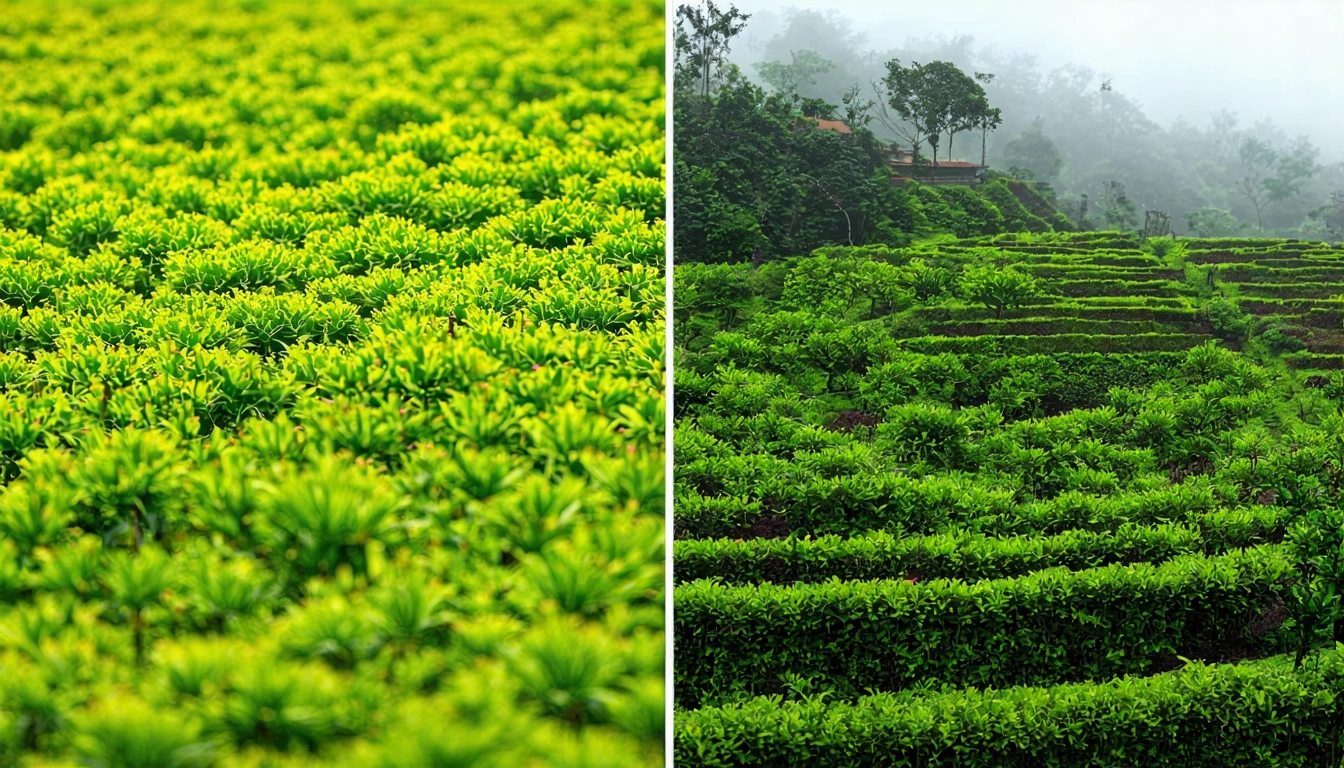
TL;DR: Spring tea (March-May): bright, lively fragrance with pronounced floral aroma, lighter liquor. Winter tea (October-December): rich, concentrated flavor with lasting aftertaste, high steepability. High mountain tea is harvested 2-4 times per year, with spring and winter being the most prized (Ministry of Agriculture, 2024). How to choose: prefer light fragrance — spring tea; prefer richness — winter tea; for gifting — winter tea (premium pricing is justified).
Spring tea and winter tea each have their charm — ChaYanSo carries both. Browse Teas
Spring Tea vs Winter Tea at a Glance
The differences between spring and winter tea fundamentally come from different climate conditions at the time of harvest.
| Comparison | Spring Tea (March-May) | Winter Tea (October-December) |
|---|---|---|
| Harvest season | After Qingming to before Dragon Boat Festival | After Cold Dew to before Heavy Snow |
| Temperature | Warming, 15-22°C | Cooling, 8-15°C |
| Humidity | High (rainy) | Low (dry, less rain) |
| Leaf growth speed | Fast (abundant tender buds) | Slow (longer accumulation period) |
| Aroma | Bright and lively, rich floral notes | Rich and concentrated, long-lasting fragrance |
| Flavor | Fresh and sweet, slightly vibrant | Rich with lasting aftertaste, complex layers |
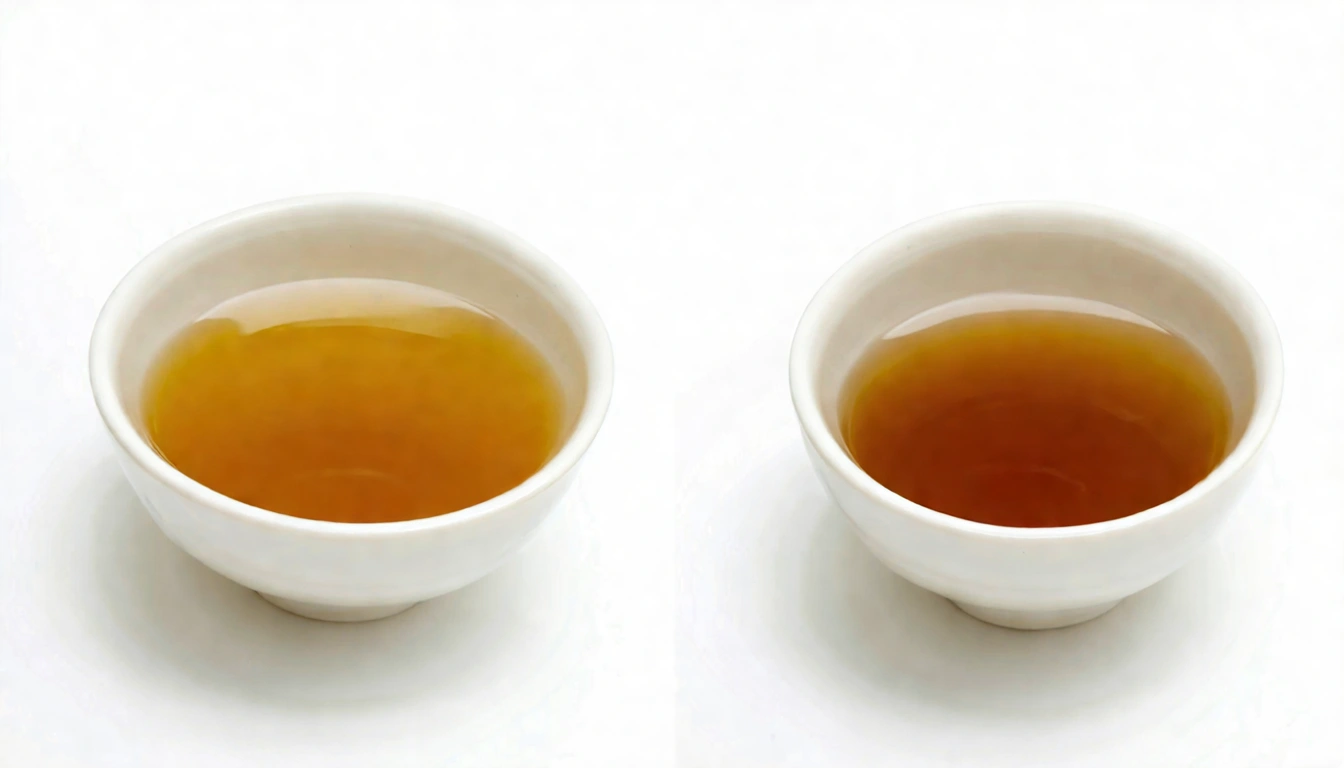
| Liquor color | Pale gold, clear | Deeper gold, fuller |
| Steepability | Moderate (5-7 infusions) | Higher (7-10 infusions) |
| Average market price | Generally slightly lower | Generally slightly higher (10-30%) |
Spring Tea: In-Depth Analysis
Why is spring tea’s aroma especially refreshing?
After the tea trees’ winter dormancy, they rapidly sprout new buds as temperatures rise and rainfall increases in spring. These tender buds:
- Have high moisture content (juicy)
- Accumulate abundant amino acids (especially L-theanine), delivering a fresh, sweet taste
- Contain high levels of aromatic compounds (linalool, nerolidol, and other terpenes)
Nantou County accounts for 48.9% of Taiwan’s tea garden area, and Chiayi County for 14.1% (source: Ministry of Agriculture, 2024). Spring tea quality from these two major high mountain tea regions is particularly outstanding.
Research shows that L-theanine content in spring-harvested Taiwan high mountain oolong is 25-35% higher than summer-harvested tea — this is the primary chemical basis for spring tea’s fresh, sweet character (source: Taiwan Tea Research and Extension Station, 2023).
Spring tea flavor profile:
- Fresh on entry, with a slight “watery” quality (characteristic texture of water-rich tender leaves)
- Pronounced floral aroma, typically elegant orchid or wildflower fragrance
- Quick aftertaste onset, but doesn’t last as long as winter tea
- Pale, crystal-clear liquor color
Who should choose spring tea:
- First-time high mountain tea drinkers wanting to experience Taiwan’s signature light fragrance
- Hot summer days — cold-brewed spring tea is refreshing and thirst-quenching
- Those who prefer clean, non-heavy flavors
At ChaYanSo, our store is always busiest when spring tea arrives each year. Many loyal customers make a point of visiting to taste the new spring tea and compare it with last year’s. We’ve found that spring tea’s floral intensity varies slightly each year depending on spring rainfall and temperature. The spring of 2025 had above-average rainfall, and that batch of Alishan spring tea had an especially delicate floral quality — one customer described it as “like a garden right after the rain.”
Winter Tea: In-Depth Analysis
Why is winter tea especially steepable with lasting aroma?
Before winter harvest, tea trees grow slowly through autumn’s lower temperatures, accumulating more polyphenolic compounds and aromatic precursors. This “slow nurturing” gives winter tea:
- Thicker cell walls that release flavor compounds more gradually (high steepability)
- Greater accumulation of aromatic compounds that are more “concentrated” (each steep releases aroma more slowly but more persistently)
- Slightly higher polyphenol content, giving the flavor more body
Winter tea flavor profile:
- Rich on entry, with a sense of “weight”
- Aroma fully unfolds around the 3rd to 5th steep (needs hot water to slowly unlock)
- Extended aftertaste lasting several minutes
- Deeper golden liquor color compared to spring tea
Who should choose winter tea:
- Advanced tea drinkers who appreciate complex aromatic layers
- Winter tea drinking for warmth, requiring rich body
- Gift-giving (winter tea’s “substantial” quality matches gifting occasions better)
- Office tea brewing, wanting one batch of tea to last many cups
At ChaYanSo, we see an interesting pattern in winter tea sales: every year after winter tea arrives in November, corporate gift box orders surge — because winter tea’s rich flavor and the “winter storage” imagery are particularly suited for year-end gifting. We also design elegant gift packaging specifically for winter tea. Many corporate clients tell us that recipients — whether elders or business associates — give very positive feedback on winter tea gift boxes.
Complete Comparison Table
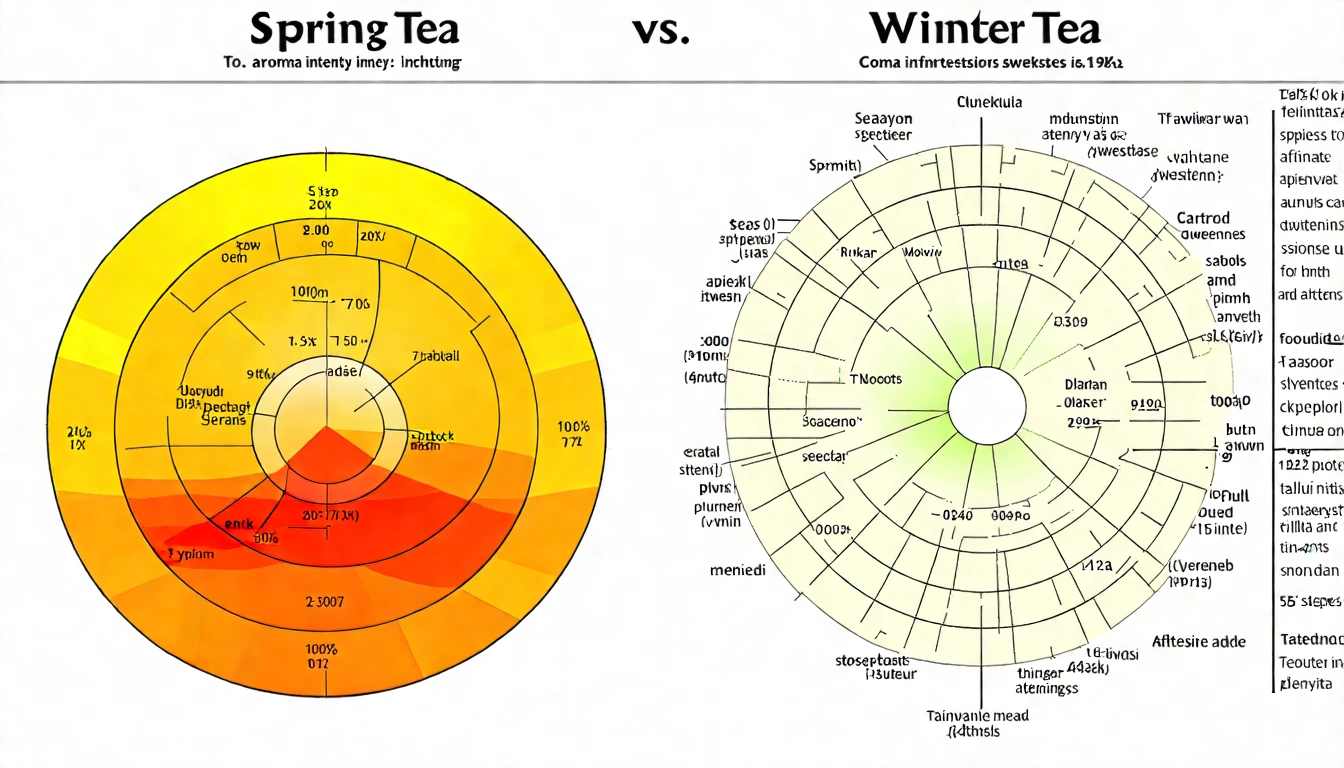
| Dimension | Spring Tea | Winter Tea |
|---|---|---|
| Aroma intensity | 4/5 (fresh, lively) | 5/5 (concentrated, lasting) |
| Sweetness | 4/5 | 4/5 |
| Body/richness | 3/5 | 5/5 |
| Aftertaste duration | 3/5 | 5/5 |
| Steepability | 3/5 (5-7 infusions) | 4/5 (7-10 infusions) |
| Refreshingness | 5/5 | 3/5 |
| Suitable for cold brew | 5/5 | 3/5 |
| Value for money | High (generally more affordable) | Medium-high (pricier but more steepable) |
Spring Tea vs Winter Tea: Which Is More Expensive?
Current market reality:
Winter tea is typically 10-30% more expensive than same-quality spring tea. The reasons:
- Shorter harvest window: Winter tea’s picking window is narrower (approximately 4-6 weeks); miss it and you wait a full year
- Lower yield: Cold temperatures cause slower tea tree growth with fewer tender buds than spring
- Concentrated aroma: The market generally recognizes winter tea’s “richness” as premium quality, willing to pay a premium
Taiwan’s tea export unit price is approximately 6.5 times that of imported tea (source: Ministry of Agriculture trade statistics, 2024), and winter tea typically commands even higher export prices due to its unique quality. Taiwan holds over 30 tea competitions annually (source: Ministry of Agriculture Tea Research and Extension Station, 2024), with winter tea competitions generally drawing higher participation and attention than spring tea competitions.
Exceptions:
High-altitude spring teas (such as Lishan or Dayuling spring tea) are more susceptible to climate conditions, leading to greater quality variation. In exceptional years, top spring teas may exceed winter tea in price. Competition teas also don’t follow spring/winter pricing logic, with award level being the primary pricing factor. In Taiwan’s domestic tea production, spring tea quality and price are highest, representing the primary revenue source for tea farmers; winter tea production is unstable due to low temperatures and potential frost damage, making it the lowest-volume season of the year (source: Tea industry seasonal production and marketing data, 2024).
How to choose on a budget?
- Want to enjoy great tea daily while controlling costs: choose spring tea (same quality, generally more affordable)
- Important occasions, gifting: choose winter tea (premium pricing is justified, and the “rich” image suits gifting contexts)
According to ChaYanSo’s sales data, winter tea’s average order value is approximately 22% higher than spring tea, but the repurchase cycle is also longer (customers buy in larger quantities per order), indicating that winter tea buyers have higher purchasing loyalty. Our recommendation: if you can only choose one season, try winter tea first — its richness is more likely to leave a lasting impression and spark a lifelong love of Taiwan high mountain tea.
Found your seasonal tea preference? Shop directly at ChaYanSo. Order Now
The question “which is better, spring tea or winter tea?” itself reflects a common misunderstanding — assuming there’s an absolute “better” in tea. The truly advanced tea-drinking mindset is to view spring and winter tea as “spring edition” and “winter edition” of the same tea, appreciating each one’s unique character the way you might appreciate different performances by the same musician across their career. This perspective transforms tea drinking from “choosing the right answer” into a journey of continuous discovery.
FAQ: Common Questions About Spring and Winter Tea
Is winter tea better than spring tea?
The answer depends on your flavor preference: if you like bright, lively fragrances suitable for summer cold brewing, choose spring tea. If you prefer rich aftertaste suitable for winter warmth, choose winter tea. Both represent Taiwan’s highest quality teas, with modest price differences but distinctly different styles. For gifting occasions, winter tea is typically chosen because its “rich” image carries more gravitas.
How can I tell if what I bought is spring or winter tea?
The most direct way is to check the product description or ask the seller about the harvest season (picking date). Legitimate Taiwan tea packaging typically indicates the harvest year and season (e.g., “2025 Winter Tea”). If the packaging doesn’t confirm it, ask the seller for the production/processing date — spring tea is typically processed between April and June, while winter tea is typically processed between November and the following January.
How many times per year is Taiwanese tea harvested?
It varies by tea type and growing altitude. Lowland teas (Sijichun, Songboling teas) can be harvested 5-6 times per year. High mountain teas (Lishan, Dayuling) are limited by cold temperatures to typically 1-2 harvests per year (one spring and one autumn/winter). Alishan and Shanlinxi teas are harvested approximately 2-3 times. The fewer the harvests, the scarcer each batch, and typically the more precious.
Further Reading
- Taiwan Tea Knowledge Complete Guide: Six Major Tea Types and Taiwan’s Top Ten Famous Teas
- Tea Fermentation Levels Complete Guide: From Green Tea to Black Tea Illustrated
- Taiwan Tea Making Process: Spring vs Winter Processing Differences
- Taiwan High Mountain Tea Complete Guide: Seasonal Harvest Timing and Region Selection
- Taiwan Tea Buying Guide for Beginners: Complete Seasonal Selection Guide
References
- Ministry of Agriculture Tea Research and Extension Station (2024). Taiwan high mountain tea harvest timing and quality research.
- Taiwan Tea Research and Extension Station (2023). Spring-harvested Taiwan high mountain tea amino acid content study.