Green Tea Complete Guide 2026 | Taiwan Green Tea, Flower Tea & Herbal Tea — Everything You Need to Know
Some people drink green tea for health, others enjoy jasmine flower tea for the aroma, and still others buy herbal wellness teas to warm up in winter. The purposes differ, but the questions are remarkably similar: Which one actually works? Does Taiwan have good green tea? Is the flower tea’s fragrance natural or artificial?
This article addresses the core questions about green tea and flower tea in one comprehensive guide.
According to 2024 research, EGCG (epigallocatechin gallate) in green tea is one of the most extensively studied polyphenol antioxidant compounds found in nature. A daily intake of 150–400mg of EGCG (equivalent to 3–5 cups of green tea) has been shown in multiple studies to positively correlate with metabolic health improvements (Tea Research and Extension Station, Taiwan, 2024).
No matter what tea you currently drink, this guide will help you choose the variety best suited to you with greater confidence.
At ChaYanSo, many of our customers initially only drank oolong tea, but after trying green tea or jasmine flower tea at our recommendation, they discovered they actually enjoyed these too. Don’t limit yourself to one type — exploring different varieties is the best way to find your ideal daily tea.
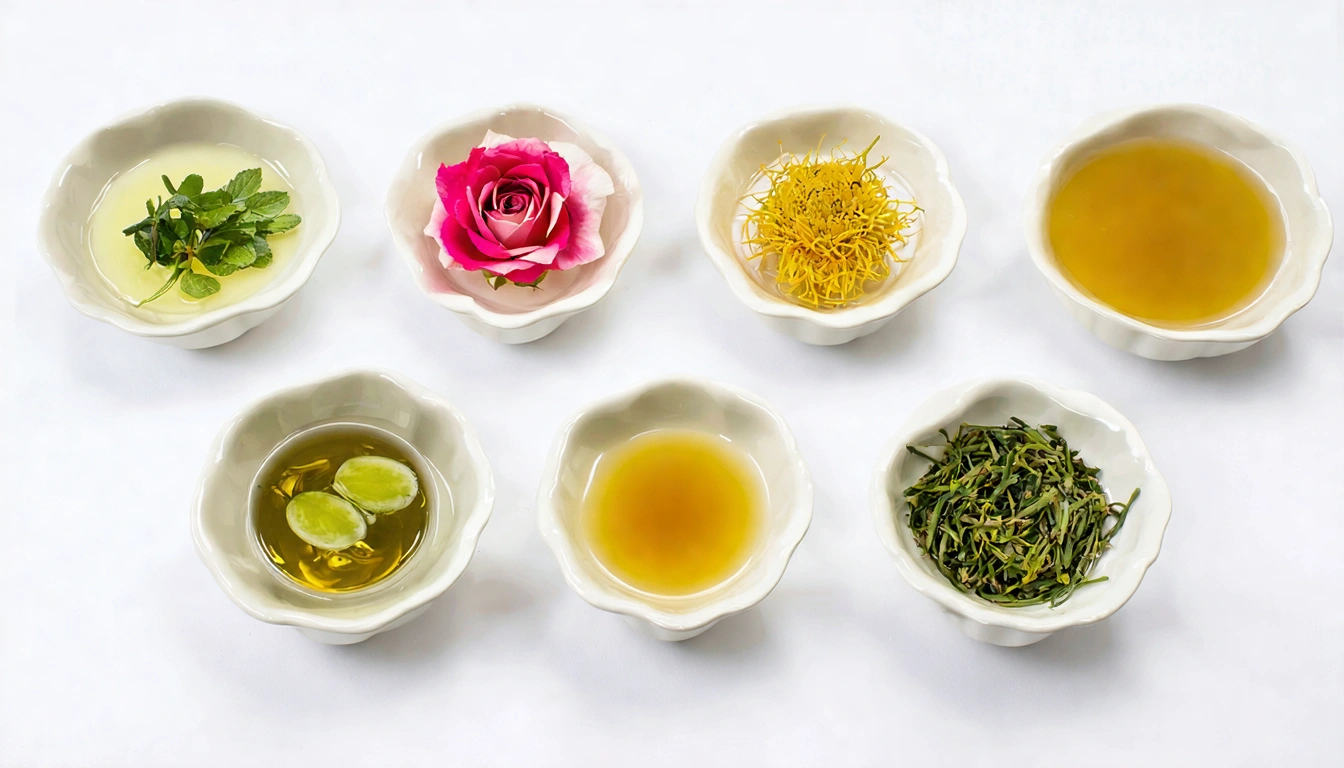
TL;DR: 3–5 cups of green tea daily provides 150–400mg EGCG (antioxidant, metabolism-related). Taiwan’s Sanxia Bi Luo Chun is the most renowned local Taiwan green tea. For flower tea, choose naturally scented over artificially flavored. Taiwan green tea has a fuller body than Japanese green tea, at more accessible prices.
Want authentic Taiwan green tea? Curated by ChaYanSo. Browse Our Teas
Green Tea Benefits (Scientific Analysis)
Green tea is the least processed of the six major tea types — unfermented and unoxidized, it retains the highest proportion of natural polyphenol compounds. This is why green tea appears most frequently in health-related literature.
Six Core Benefits:
1. Powerful Antioxidant (EGCG Catechins)
EGCG (epigallocatechin gallate) is the most abundant catechin in tea leaves, with antioxidant capacity approximately 25–100 times that of vitamin E. It helps combat cellular oxidative damage (Tea Research and Extension Station, Taiwan, 2024). Among the six major tea types, green tea has the highest EGCG content because no fermentation process oxidizes the catechins.
2. Metabolism Boost & Weight Management
Multiple studies show that the synergistic action of EGCG and caffeine can moderately increase basal metabolic rate (approximately 4–5%) and promote fat oxidation — this is the scientific basis for the claim that “green tea helps weight loss,” though the effect requires dietary control and exercise to be significant (Tea Research and Extension Station cited research, 2024).
3. Skin Brightening
Green tea polyphenols can inhibit the activity of enzymes related to melanin production, with both topical and internal effects. Topical effects (skincare products containing green tea extract) are better researched; the skincare benefits of drinking green tea are milder but stable over the long term.
4. Reduced Blood Sugar Spikes
Research shows that drinking green tea after meals can mildly delay carbohydrate digestion and absorption, helping stabilize post-meal blood sugar (Tea Research and Extension Station cited, 2023). This is a useful reference for those managing blood sugar, though it cannot replace medical advice.
5. Anti-Inflammatory Effects
EGCG has been shown in research to inhibit inflammatory pathways such as NF-kB, providing some regulatory effect on chronic low-grade inflammation.
6. Calm Alertness (L-Theanine + Caffeine Synergy)
Green tea’s energizing effect is gentler than coffee’s because L-theanine and caffeine work together to produce a “calm yet alert” state — without the rapid heartbeat or anxiety often associated with coffee. Taiwan’s tea plantation area covers approximately 12,000 hectares with annual production of about 14,000 metric tons. Green tea production is centered in New Taipei City’s Sanxia district, with the Sanxia Bi Luo Chun production area spanning approximately 88 hectares, using the “Qingxin Gan Zi” cultivar which has the highest catechin content (MODA, New Taipei City Agriculture Bureau, 2024).
How Many Cups of Green Tea Per Day Is Optimal?
A recommended 3–5 cups daily (approximately 200ml per cup) provides approximately 150–400mg of EGCG, viewed by multiple studies as the effective range for health benefits (Tea Research and Extension Station, Taiwan, 2024). Exceeding 6–8 cups may result in excessive caffeine intake (approximately 20–30mg per cup of green tea).
Important Reminder: Green tea is not recommended on an empty stomach. Tannins in green tea can irritate the stomach lining, causing discomfort; drinking 30–60 minutes after meals is optimal.
Taiwan Green Tea vs Japanese Green Tea: What’s the Difference?
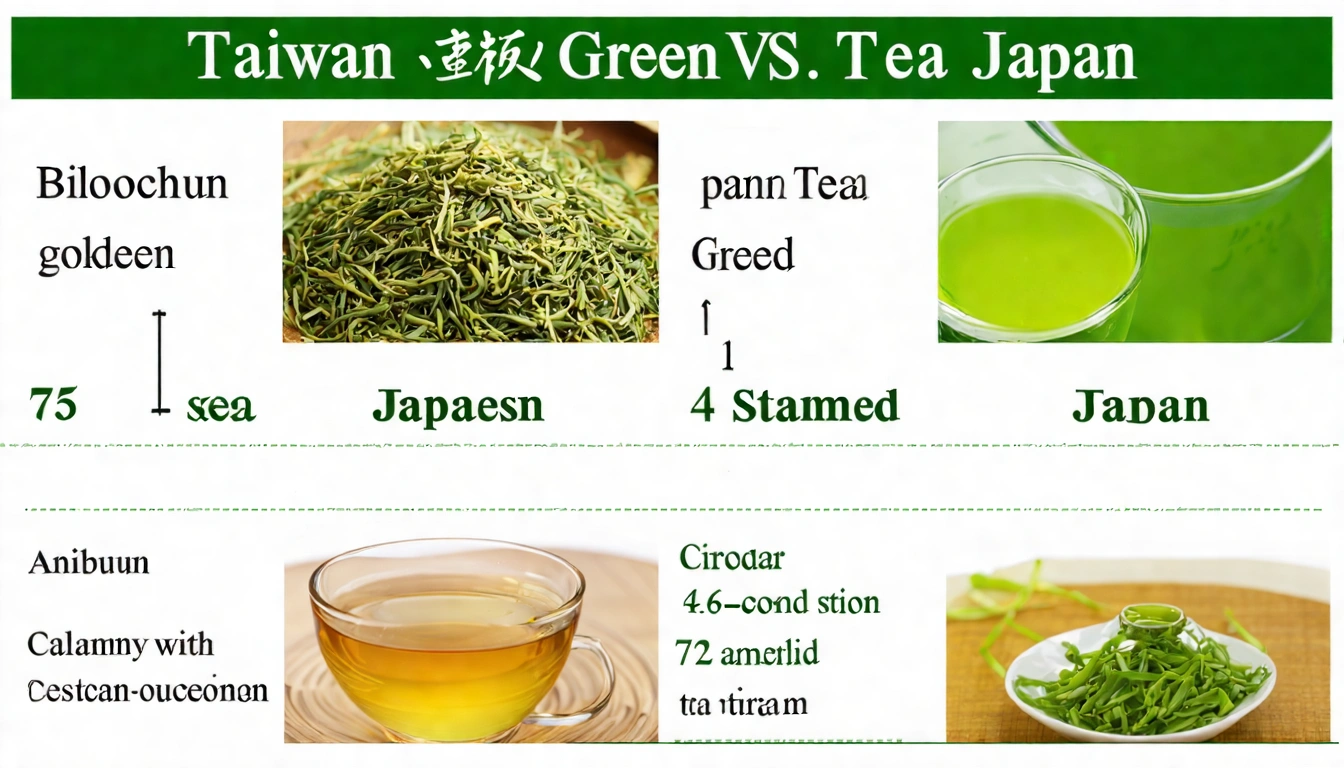
| Comparison | Taiwan Green Tea | Japanese Green Tea |
|---|---|---|
| Primary Processing | Pan-fired (wok-fired kill-green) | Steamed (steam kill-green) |
| Liquor Color | Bright golden yellow | Vivid emerald green |
| Flavor Profile | Full-bodied, strong aftertaste | Fresh, prominent vegetal/grassy notes |
| Aroma | Toasted, chestnut-like | Grassy, clean-fresh |
| Catechin Content | High | High (comparable) |
| Caffeine | Moderate | Moderate (comparable) |
| Price | More affordable | Typically more expensive (imported) |
| Representative Varieties | Sanxia Bi Luo Chun, Taiwan Longjing | Sencha, Gyokuro, Matcha |
Which is better for you?
- Prefer full-bodied with depth: Taiwan green tea
- Prefer clean, fresh, grassy notes: Japanese green tea
- Budget-conscious but want quality: Taiwan green tea (better value)
- Making matcha desserts or drinks: Japanese matcha (Taiwan matcha exists but is less common)
Taiwan’s tea export unit price is approximately 6.5 times that of imported tea, reflecting Taiwan tea’s premium positioning in international markets. While Taiwan green tea production volume doesn’t match oolong, its quality is equally recognized (MODA, 2024).
At ChaYanSo, when sourcing Taiwan green tea, we specifically select varieties that perform best when brewed correctly at low temperatures. We find that many customers are surprised the first time they try Sanxia Bi Luo Chun — they had no idea Taiwan had such excellent green tea. The key is brewing with 70–75°C water, which produces absolutely no bitterness.
Further reading: Taiwan Green Tea Recommendations: Varieties, Origins & Buying Guide
Taiwan Green Tea Recommendations 2026
| Variety | Origin | Flavor Profile | Best For |
|---|---|---|---|
| Sanxia Bi Luo Chun | Sanxia, New Taipei | Fresh grassy aroma, slight chestnut notes | Top entry-level choice, daily drinking |
| Taiwan Longjing | Various regions, Taiwan | Clean sweetness, refreshing without astringency | Those who enjoy lingering aftertaste |
| Taiwan Steamed Green Tea | New Taipei, Nantou | Japanese-style, clean and fresh | Those who prefer Japanese green tea style |
| Wenshan Baozhong (Light Roast) | Wenshan, Taipei | Floral fragrance, between green tea and oolong | Those who enjoy floral notes |
The Taiwan green teas recommended in this article are all available at ChaYanSo. Browse Teas
Flower Tea Recommendations: Complete Guide to the Most Popular Herbal Teas
The term “flower tea” has two uses in Taiwan: one refers to “jasmine green tea” — tea leaves scented with flowers (with a tea leaf base); the other refers to “chrysanthemum tea” or “rose tea” — pure flower infusions (no tea leaves). Clarify this distinction before buying.
Jasmine Green Tea (Most Popular Scented Tea)
Jasmine green tea is made by “scenting” green tea leaves with fresh jasmine flowers — allowing the tea leaves to fully absorb the natural jasmine fragrance, then removing the flowers (most authentic jasmine green tea contains no flowers).
Quality jasmine green tea is typically scented 2–4 times or more, each session requiring 6–10 hours of fragrance absorption. This craftsmanship creates the layered aroma of fine jasmine tea. The market is flooded with tea bags with added artificial jasmine fragrance — the aroma is intense but lacks depth. Simple identification: overly pungent fragrance, rapid fragrance dissipation after brewing, and prices far below equivalent-grade loose tea are all indicators of artificial flavoring.
Other Herbal Tea Recommendations:
| Herbal Tea | Benefits | Best For | Notes |
|---|---|---|---|
| Chrysanthemum Tea | Cooling, eye care | Those with extended screen time | Not recommended in large quantities for cold constitutions |
| Rose Tea | Complexion care, mood relief | Women, stressed individuals | Beauty world’s favorite herbal tea |
| Roselle (Hibiscus) Tea | Rich in anthocyanins, refreshing | Those who enjoy tart-sweet flavors | Pregnant women should exercise caution. Research from Chung Shan Medical University in Taiwan found that daily consumption of 200ml roselle drink reduced blood lipid levels after one month (Chung Shan Medical University, 2023) |
| Osmanthus Tea | Gentle sweetness, aids digestion | All ages | Commonly scented into oolong tea |
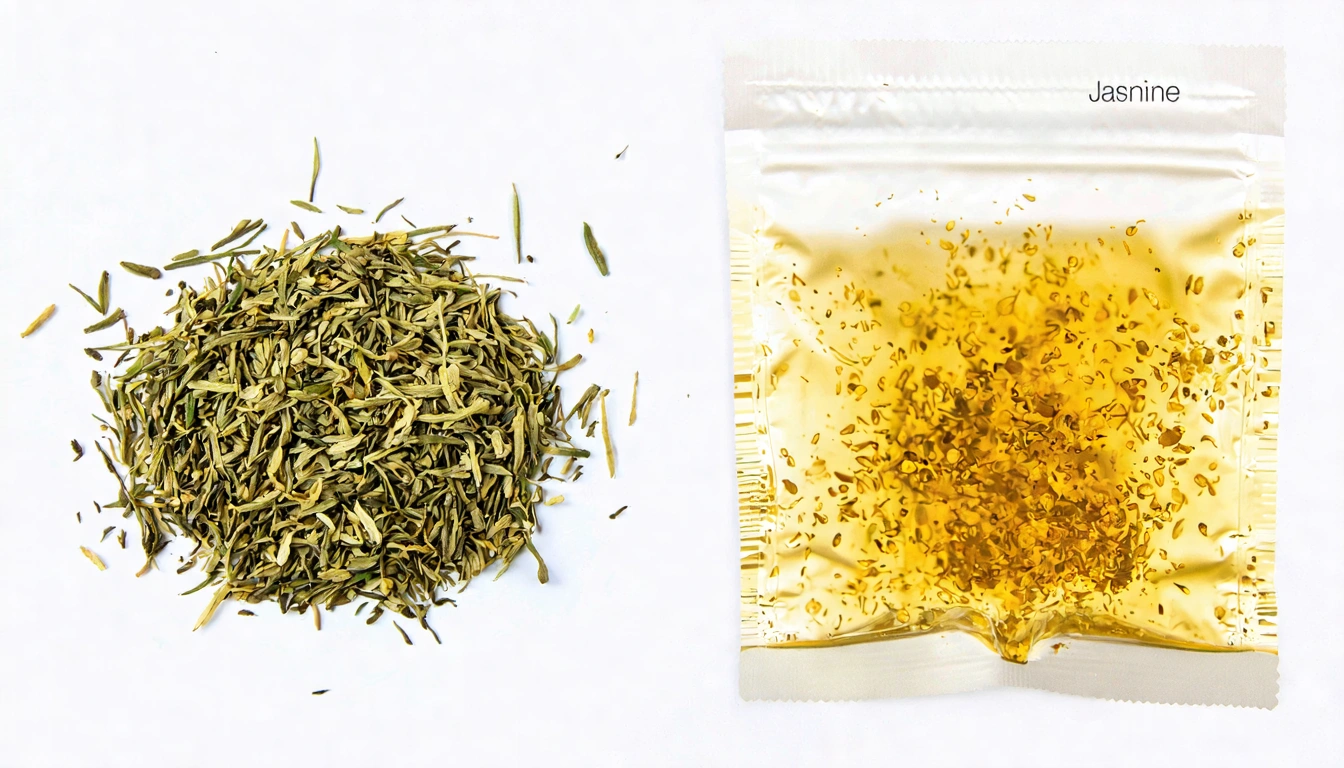
Many consumers assume “flowers visible in the tea means better quality,” but in fact, traditionally scented jasmine tea removes the flowers after scenting is complete — the higher the quality, the fewer flower petals may remain (the fragrance has been fully transferred to the tea leaves). Consumers should focus on the “layered depth” and “persistence” of the aroma after brewing, rather than whether flowers are visible.
Further reading: Flower & Herbal Tea Complete Recommendations Guide
Herbal Wellness Tea Recommendations 2026
Herbal wellness teas come in many varieties — choosing based on your needs is most important:
Winter Warming (Top Picks):
- Ginger Tea: Gingerol stimulates circulation — the most directly warming tea drink in winter, caffeine-free
- Longan-Jujube Tea: Traditional energy and blood-replenishing formula, sweet and nourishing, a winter daily essential for many women
Women’s Wellness:
- Rose-Goji Tea: Rose for circulation and mood, goji for eye and liver support — the most comprehensive wellness combination for women
- Jujube-Longan-Lotus Seed Tea: Excellent for calming the heart and spirit, aids sleep before bed
Safe for Daily Drinking:
- Pure green tea (small amounts): 2–3 cups daily, most stable long-term benefits
- Chrysanthemum tea: Mild, non-irritating, suitable for daily drinking
- Osmanthus tea: Gentle sweet fragrance, suitable for anyone every day
Caution: Some herbal teas (peppermint, licorice, roselle) may have side effects with long-term heavy consumption. Rotate varieties rather than drinking the same herbal tea in large quantities long-term. Pregnant women should avoid certain herbal teas (see pregnancy tea safety guide).
Matcha vs Green Tea: What’s the Difference?
Many people think matcha is simply “ground green tea,” but the differences are actually significant:
| Comparison | Matcha | Regular Green Tea |
|---|---|---|
| Processing | Shade-grown, steamed then stone-ground into powder | Regular cultivation, pan-fired or steamed then dried |
| How You Drink It | Powder dissolved directly in water; you consume the entire leaf | Leaves are steeped; you drink the infusion, not the leaves |
| Catechin Content | Highest (whole leaf consumed) | High, but lower than matcha |
| Caffeine | High (40–60mg/cup) | Moderate (20–30mg/cup) |
| Chlorophyll | High (shade-growing increases chlorophyll) | Regular |
| Best Uses | Matcha drinks, desserts, baking | Direct brewing for drinking |
| Price | Higher | More affordable |
Conclusion: For maximum catechin intake, matcha is better; but matcha also has higher caffeine, so be cautious with afternoon consumption. For easy daily enjoyment, regular green tea is more suitable. The Chinese flower tea market reached RMB 32 billion in 2024 with a 15% compound annual growth rate, with jasmine green tea as the largest category, showing the flower tea market’s continued rapid growth (Market Research, 2024).
At ChaYanSo, we insist on using only naturally scented flower tea products, rejecting artificially flavored versions. Our selection criteria is simple: does the floral fragrance persist on the second infusion? Naturally scented jasmine green tea maintains clear floral notes through the third and even fourth infusion, while artificially flavored versions have virtually no fragrance by the second steep.
Further reading: Green Tea Benefits & Risks Complete Guide
Refreshing green tea or delightful flower tea — which suits you better? Explore ChaYanSo
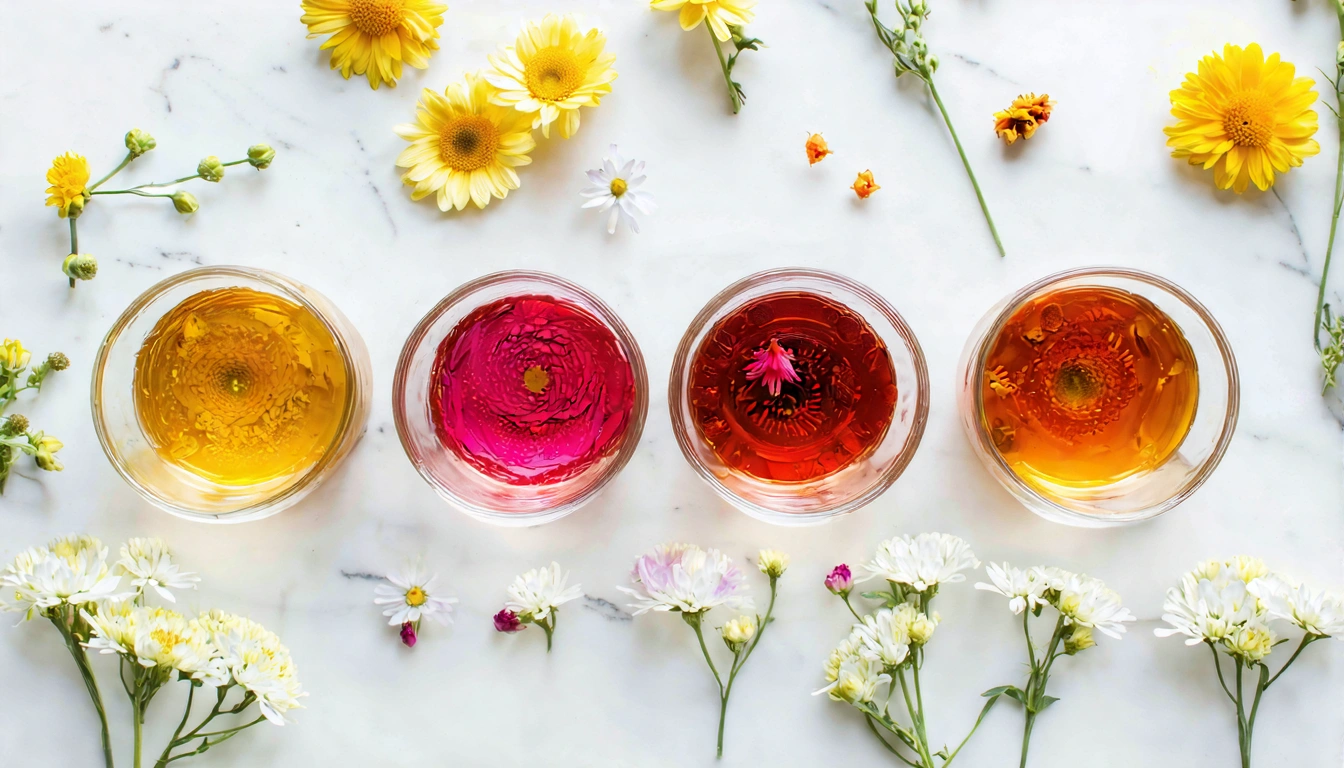
According to ChaYanSo’s 2026 flower tea purchasing data analysis, the most popular herbal teas among female customers are: Rose Tea (38%), Chrysanthemum Tea (27%), Jasmine Green Tea (21%), and Osmanthus Oolong (14%). Male customers rarely purchase herbal teas on their own, mostly opting for flower-scented versions of oolong tea.
FAQ: Green Tea & Flower Tea Common Questions
What are the benefits of green tea?
Green tea’s six major benefits: antioxidation (EGCG catechins), metabolism boost, skin brightening, reduced blood sugar spikes, anti-inflammation, and calm alertness (L-theanine + caffeine synergy). 3–5 cups daily provides 150–400mg EGCG, viewed by research as the effective range for health benefits (Tea Research and Extension Station, 2024).
Does Taiwan grow green tea?
Yes. Taiwan’s most famous local green tea is Sanxia Bi Luo Chun, produced in Sanxia, New Taipei City — Taiwan’s only green tea production area famous specifically for green tea. Taiwan also produces Taiwan Longjing and steamed green tea, each with distinct flavors. Taiwan green tea has a fuller body than Japanese green tea, with pan-fried toasted notes as its main aroma — ideal for those who enjoy tea with depth and character.
Which flower tea is best?
Choose based on your purpose: jasmine green tea for fragrant floral notes; chrysanthemum tea for cooling and eye care; rose tea for women’s beauty; roselle tea for tart-sweet refreshment. Most importantly, confirm the fragrance is naturally scented rather than artificially flavored — natural flower tea has rich, layered aroma that isn’t harsh, and persists through multiple infusions.
Is jasmine green tea’s fragrance natural?
Not necessarily. The market has both “naturally scented jasmine green tea” and “artificially flavored jasmine green tea.” Naturally scented versions have rich, layered, non-pungent aroma with natural aftertaste; artificial versions have intense but flat fragrance that sharply declines on the second infusion. When buying, look at price (natural versions are typically noticeably more expensive) and whether the seller describes the scenting process.
Can herbal wellness teas be consumed daily?
Simple herbal teas (chrysanthemum, osmanthus, rose) can be enjoyed daily. Varieties with stronger medicinal properties (roselle, peppermint, licorice) should be rotated rather than consumed in large quantities daily. Pregnant women should consult their obstetrician before consuming any herbal tea.
Is matcha or green tea better?
Each has advantages. Matcha has the highest catechin content (whole leaf consumed), but also the highest caffeine; regular green tea is easier for daily consumption without risking excess caffeine. For the most complete health compound intake, matcha wins; for maintaining an easy daily drinking habit, regular green tea is more convenient.
Further Reading
- Green Tea Benefits & Risks Complete Guide: Empty Stomach, Iron Absorption & Other Precautions
- Taiwan Green Tea Recommendations: Sanxia Bi Luo Chun, Longjing Buying Guide
- Flower & Herbal Tea Complete Recommendations: Chrysanthemum, Rose, Roselle Buying Guide
- Jasmine Green Tea Complete Guide: How to Identify Natural Scenting vs Artificial Flavoring
- Taiwan Tea Knowledge Complete Guide: Six Major Tea Types & Processing Techniques
References
- Tea Research and Extension Station, Taiwan (2024). Taiwan Tea Polyphenol Compound Research.
- Tea Research and Extension Station, Taiwan (2023). Tea Compounds & Health Relationship Research.