Flower & Herbal Tea Recommendations 2026 | Jasmine Green Tea, Chrysanthemum Tea, Rose Tea — Choose the Right Flower Tea for Easy Wellness
Walk into any tea shop, and the flower tea section is always the most dazzling. Jasmine green tea, chrysanthemum tea, rose tea, roselle (hibiscus) tea, osmanthus tea — each one claims to have benefits, but which one is actually right for you?
Based on ChaYanSo’s sales observations, female customers purchase flower tea at over 3 times the rate of male customers. The top three most popular varieties are: jasmine green tea, rose tea, and roselle tea — all sharing a common trait: convenient for daily drinking, with straightforward aroma and benefits.
This article helps you understand the characteristics and benefits of mainstream flower teas, and how to distinguish natural flower teas from artificially flavored versions. The Chinese flower tea market reached RMB 32 billion in 2024 with a 15% compound annual growth rate over five years, showing flower tea’s rising status in the overall tea market (Market Research, 2024).
At ChaYanSo, we insist on the natural scenting principle when selecting flower teas, rejecting artificially flavored products. Our experience shows that customers who take the time to understand flower tea quality differences invariably become loyal fans of natural flower tea — because once you’ve had the real thing, you can never go back.
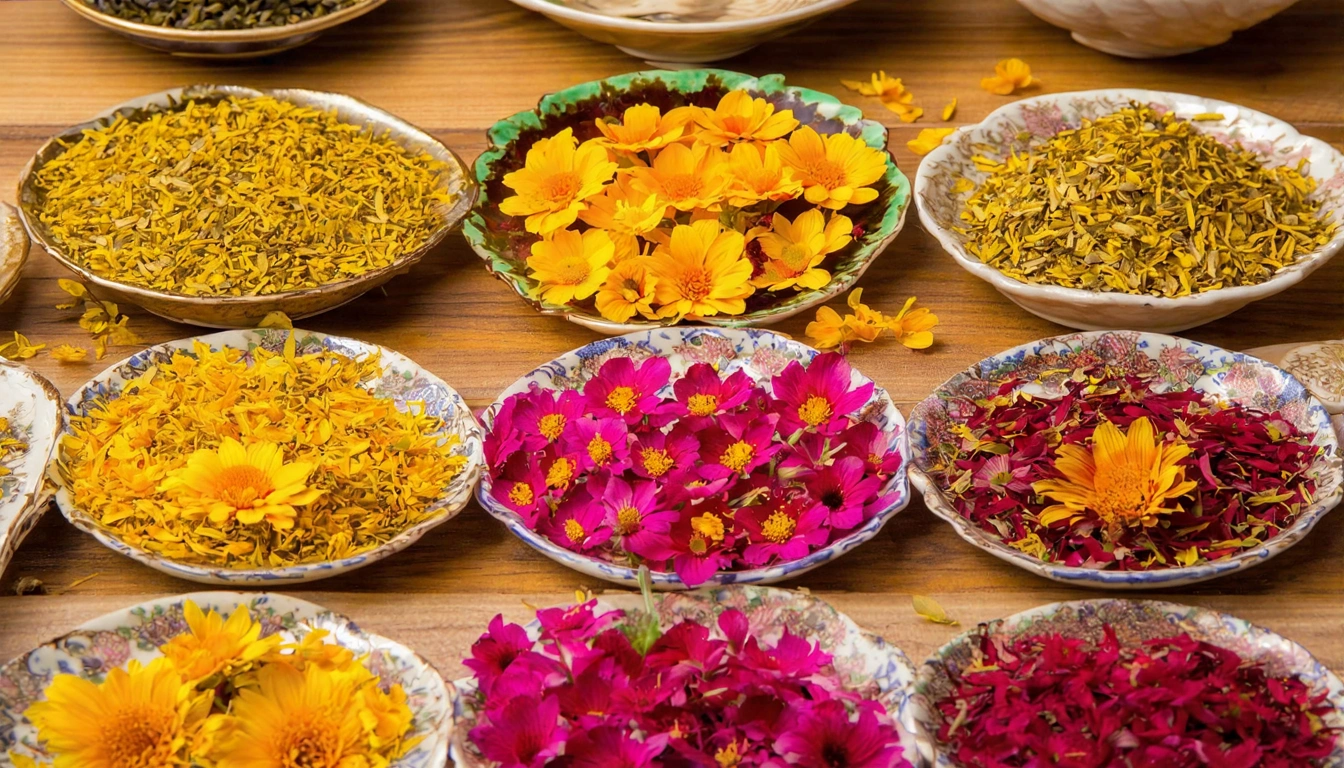
TL;DR: Taiwan’s most popular flower teas: Jasmine Green Tea (all-day fragrance), Rose Tea (beauty & skincare), Chrysanthemum Tea (cooling & eye care), Roselle Tea (tart-sweet anthocyanins). Women buy flower tea at 3x the rate of men (ChaYanSo observation). Natural flower tea identification: rich, layered aroma that isn’t harsh; natural sweet aftertaste.
Find the flower tea that’s perfect for you, starting at ChaYanSo. Browse Our Teas
Flower Tea vs Herbal Wellness Tea: What’s the Difference?
These two terms are often used interchangeably in Taiwan, but they have clear distinctions:
Flower Tea: Featured for floral aroma, divided into two types:
- Scented Tea (with tea leaf base): Such as jasmine green tea, where fresh jasmine flowers scent green tea leaves — the leaves absorb the floral fragrance, then the flowers are removed
- Pure Herbal/Flower Tea (no tea leaves): Such as chrysanthemum tea and rose tea, brewed directly from flowers with no tea leaves and no caffeine
Herbal Wellness Tea: Marketed for health benefits, typically based on herbs and dried fruits. Common varieties include ginger tea, longan-jujube tea, and goji berry tea — the vast majority contain no tea leaves (caffeine-free).
Decide before you buy: Do you want the caffeinated pick-me-up (varieties with tea leaves), or purely the floral aroma and benefits (pure herbal varieties)? This decision shapes all your subsequent choices.
Most Popular Flower Tea Recommendations 2026
| Flower Tea | Benefits | Caffeine | Best Time | Best For |
|---|---|---|---|---|
| Jasmine Green Tea | Antioxidant, stress relief | Yes (green tea base) | All day (before afternoon) | Everyone, daily go-to |
| Chrysanthemum Tea | Cooling, eye care | None | All day, afternoon | Those with extended screen time |
| Rose Tea | Complexion care, mood relief | None | All day, bedtime | Women, stressed individuals |
| Roselle (Hibiscus) Tea | Rich in anthocyanins, refreshing | None | All day, summer | Those who enjoy tart-sweet flavors |
| Osmanthus Tea | Gentle sweetness, aids digestion | None (pure osmanthus) or Yes (scented oolong) | All day, after meals | Suitable for all ages |
Jasmine Green Tea (Most Fragrant, Best for All-Day Drinking)
Jasmine green tea is one of Taiwan’s most popular flower teas, combining green tea’s antioxidant benefits with jasmine’s natural calming aroma. Jasmine’s essential oil compounds (benzyl acetate, etc.) have been shown in research to have positive effects on relaxation (Tea Research and Extension Station cited research, 2023). It is ideal as a daily office beverage — both energizing and stress-relieving.
Further reading: Jasmine Green Tea Complete Guide: Benefits, Buying & Brewing
Chrysanthemum Tea (Cooling & Eye Care, Best for Afternoon)
Chrysanthemum tea is caffeine-free, suitable for any time of day including evening. Traditional Chinese medicine considers chrysanthemum to have cooling and vision-clearing properties, and drinking chrysanthemum tea has become a daily habit for those who spend long hours at the computer. Chrysanthemum contains lutein and zeaxanthin — carotenoids that support retinal health (Tea Research and Extension Station cited research, 2023).
Note: Chrysanthemum tea is cooling in nature; those with a cold constitution should avoid drinking large quantities.
Rose Tea (Top Choice for Women’s Beauty)
Rose tea is the most beloved herbal tea among Taiwanese women. Roses are rich in vitamin C, anthocyanins, and various polyphenols. Traditionally used for improving complexion, relieving stress, and beauty care. Its sweet, floral-infused taste makes it soothing before bedtime. Traditional Chinese medicine considers rose to be warming in nature, capable of promoting circulation and relieving emotional stagnation, helpful for improving sallow complexion and dull skin (TCM Research, 2024).
Roselle (Hibiscus) Tea (Tart-Sweet & Refreshing, Rich in Anthocyanins)
Roselle tea’s deep red color comes from abundant anthocyanins (malvidin pigments), making it the herbal tea richest in antioxidant compounds. Its tart-sweet flavor makes it perfect for cold-brewing in summer. Roselle has been shown in multiple studies to have some effect on blood pressure regulation. Research from Chung Shan Medical University in Taiwan found that daily consumption of 200ml of hot roselle drink reduced blood lipid levels after one month, and improved skin hydration and radiance after six months (Chung Shan Medical University, 2023). Pregnant women should exercise caution.
Herbal Wellness Tea Recommendations (By Purpose)
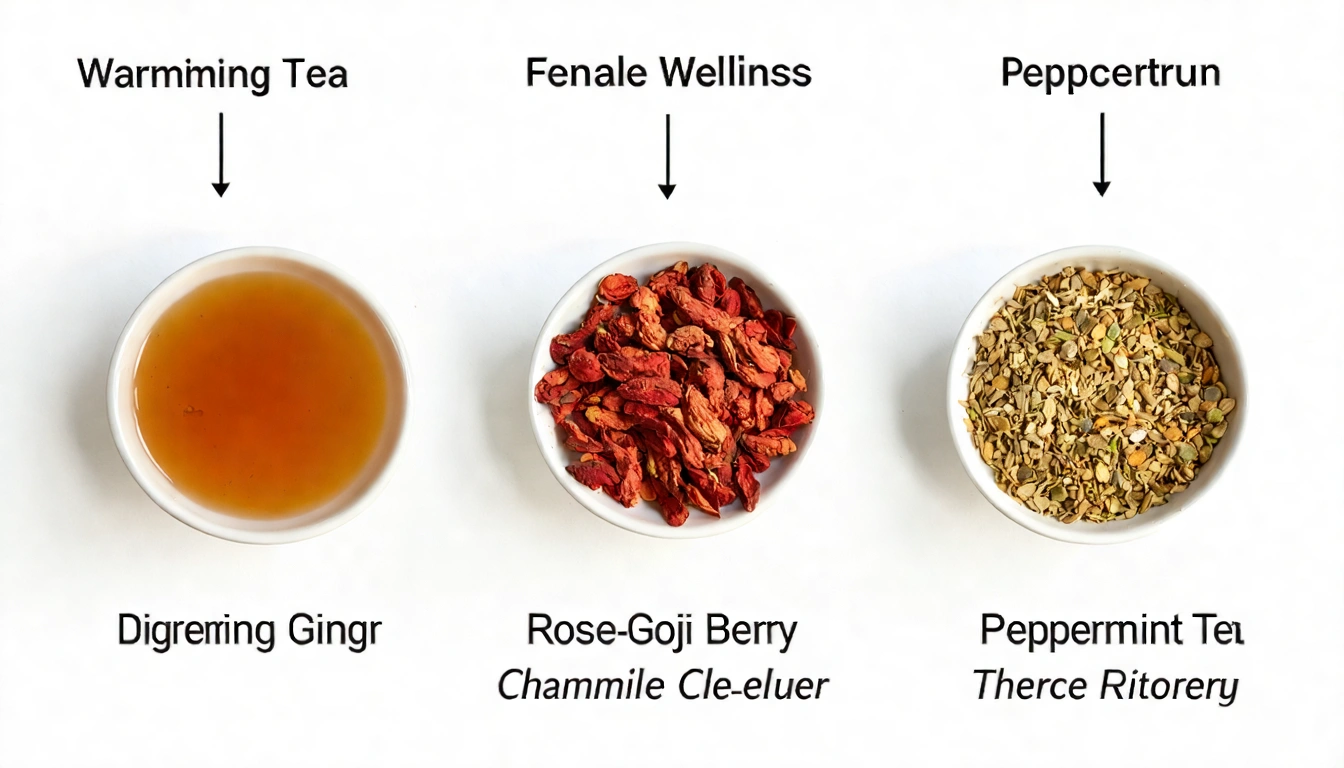
Winter Warming:
- Ginger Tea: Gingerol stimulates blood circulation, providing the most direct warming effect in winter. Caffeine-free, suitable for the whole family. Taiwan’s tea plantation area covers approximately 12,000 hectares with annual production of about 14,000 metric tons. While herbal teas fall outside this statistic, Taiwan’s herbal tea market continues to grow as consumer demand for natural caffeine-free drinks increases (MODA, 2024).
- Longan-Jujube Tea: A traditional formula for replenishing energy and blood, sweet and nourishing, especially popular among women during cold seasons
Women’s Wellness (Top Picks):
- Rose-Goji Tea: Rose for circulation and goji berry for eye and liver support — the most comprehensive daily wellness combination for women
- Jujube-Longan-Lotus Seed Tea: Excellent for calming the mind and spirit; drinking before bed promotes sleep
Digestive Support:
- Chamomile Tea: Research shows positive effects on gastrointestinal soothing; it’s a traditional Western digestive herbal tea (Related Research, 2023)
- Peppermint Tea: Its cooling sensation aids digestion, though pregnant women in early stages should use with caution
Beauty & Detox (Daily Support):
- Roselle-Rose Tea: Roselle anthocyanins combined with rose beauty polyphenols make the most popular beauty herbal tea combination
Herbal Teas Safe for Daily Drinking:
- Chrysanthemum tea: Mild and non-irritating, enjoyable hot or cold, suitable for daily use
- Osmanthus tea: Gentle sweet fragrance, suitable for all ages
- Rose tea (in moderation): Great for beauty, but excessive amounts may be overly astringent; moderation is key
Natural vs Artificially Flavored Flower Tea: How to Tell the Difference
This is the most critical — and most often overlooked — issue when buying flower tea.
The market is flooded with flower teas that use “artificial fragrances” to mimic natural floral scents (especially jasmine green tea and rose tea). These are inexpensive to produce but offer a very different experience.
Characteristics of Natural Flower Tea:
- Rich, layered aroma with top, middle, and base notes; never harsh
- Consistent aroma that persists across multiple infusions
- Natural, smooth sweet aftertaste
- Typically priced noticeably higher than equivalent grades of plain tea
Characteristics of Artificially Flavored Flower Tea:
- Overpowering, pungent, one-dimensional fragrance
- Strong aroma on the first steep, dramatically fading by the second (sometimes disappearing entirely)
- May leave a “chemical” aftertaste
- Typically lower-priced
Practical Buying Tips:
- Choose reputable specialty tea shops over loose tea bags from supermarkets
- Ask the seller about the tea’s source and processing method (natural scented tea sellers are usually happy to explain)
- If tasting is available, note whether the aroma has depth and layers
- Trust your nose — the difference between natural and artificial floral scents is perceptible
At ChaYanSo, when selecting jasmine green tea suppliers, we require detailed information about the number of scentings and the production process. Our jasmine green teas undergo at least two rounds of scenting, ensuring the floral aroma is rich and persists through the third infusion and beyond — this is our baseline quality standard. Fuzhou is the birthplace of jasmine tea worldwide, and the top-tier “nine scentings, one lifting” technique creates a quality barrier that keeps naturally scented tea in high demand in the premium market (Fuzhou Agricultural Bureau, 2024).
Found the flower tea you love? Shop directly at ChaYanSo. Order Now
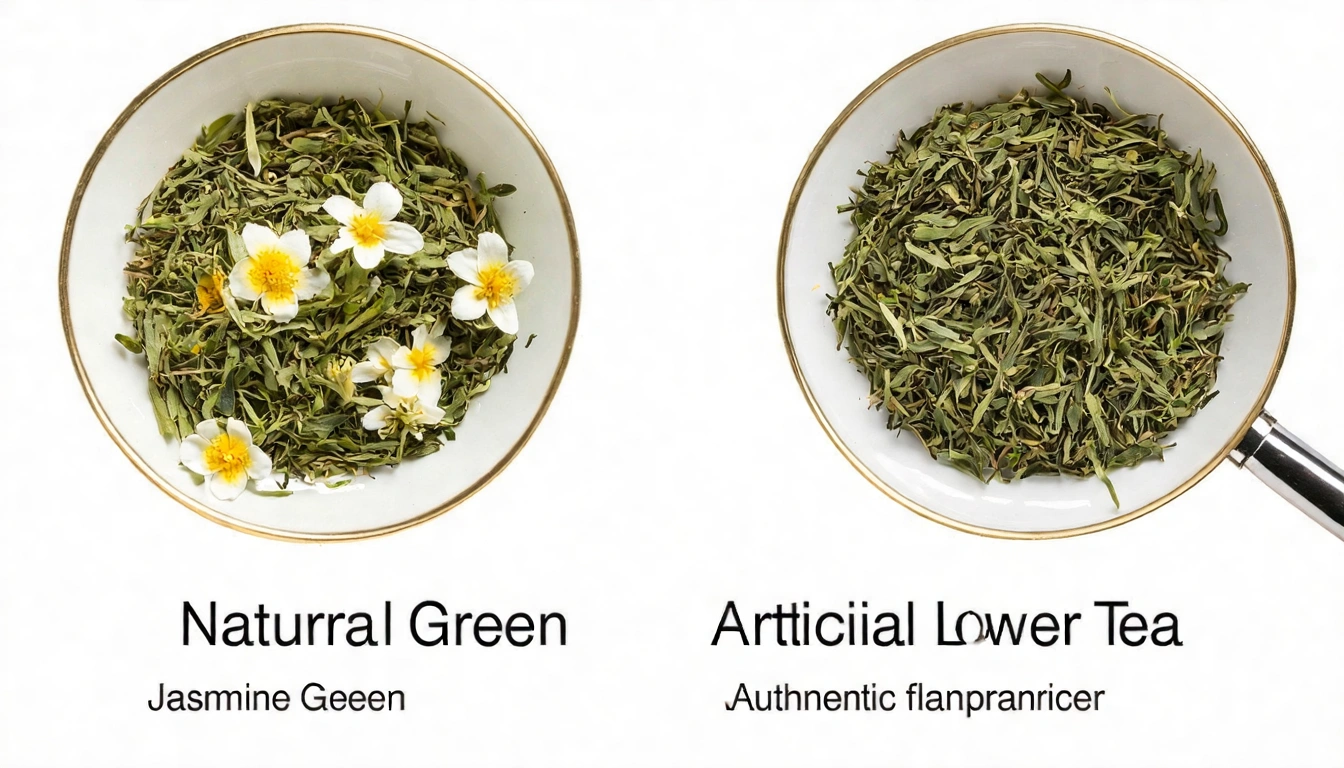
Many people assume that visible flower petals in tea indicate quality, but in fact, high-quality scented teas typically remove the flowers after scenting is complete, because residual petals can actually interfere with the tea’s flavor. According to ChaYanSo’s customer consultation records, over 60% of first-time flower tea buyers mistakenly believe “more petals means more natural” — this is the most common misconception when buying flower tea.
FAQ: Common Flower Tea Questions
What are the benefits of flower tea?
It depends on the variety: chrysanthemum tea clears heat and supports eye health (lutein supports retinal health); rose tea improves complexion and soothes emotions; roselle tea is rich in anthocyanins (antioxidant); jasmine green tea combines green tea catechins with jasmine’s calming aroma. Most pure herbal teas are caffeine-free and can be consumed all day, though effects are generally mild and require regular, long-term consumption for noticeable results.
At ChaYanSo, we’ve observed that many customers start with just one type of flower tea but end up rotating between two or three varieties after trying them. We suggest adjusting by season: roselle tea in summer for cooling, ginger tea in winter for warming, jasmine green tea in spring and fall for energy and stress relief — this approach makes wellness a natural part of daily life.
What flower tea is best for women?
Rose tea and osmanthus tea have the highest acceptance. Rose tea improves complexion and soothes emotions, making it Taiwanese women’s most beloved herbal tea; osmanthus tea is gentle and sweet, aiding digestion and ideal after meals. If you also want the benefits of tea polyphenols, jasmine green tea is the best option combining floral fragrance with green tea health compounds.
Further Reading
- Green Tea & Flower Tea Complete Guide: Taiwan Green Tea, Japanese Green Tea, Herbal Tea Overview
- Jasmine Green Tea Complete Guide: Benefits, Buying & Brewing
- Tea Recommendations by Lifestyle: Find the Perfect Taiwan Tea for Your Daily Routine
- Green Tea Benefits & Risks: EGCG, Caffeine, and Who Should Drink It
- Taiwan Green Tea Recommendations: Sanxia Bi Luo Chun, Taiwan Longjing Varieties & Buying Guide
References
- Tea Research and Extension Station, Taiwan (2023). Herbal Tea Composition Research.