
Taiwan Black Tea Brewing Guide 2026 | Hot Brew, Cold Brew & Milk Tea — Complete Step-by-Step Instructions
Black tea may seem simple, but brewing it well requires knowing a thing or two about the leaf.
Take the same packet of TTES No. 18: a 10-degree difference in water temperature or 30 seconds more steeping can make a huge difference — one cup is layered and aromatic, the other might be unbearably bitter. This isn’t an exaggeration; it’s the accumulated wisdom of real brewing experience. Taiwan has approximately 12,000 hectares of tea gardens producing about 14,000 metric tons annually, with black tea growing rapidly in recent years. The Sun Moon Lake black tea region in particular has gained international acclaim (Source: MOA Tea Research and Extension Station, 2024).
According to ChaYanSo’s brewing test records, bitter compounds (ester-type catechins) in Taiwan black tea can vary by 30–40% at different water temperatures, directly affecting the taste experience. This guide covers three methods — hot brew, cold brew, and milk tea — plus variety-specific parameter recommendations for TTES No. 18, honey-scented black tea, and Assam.
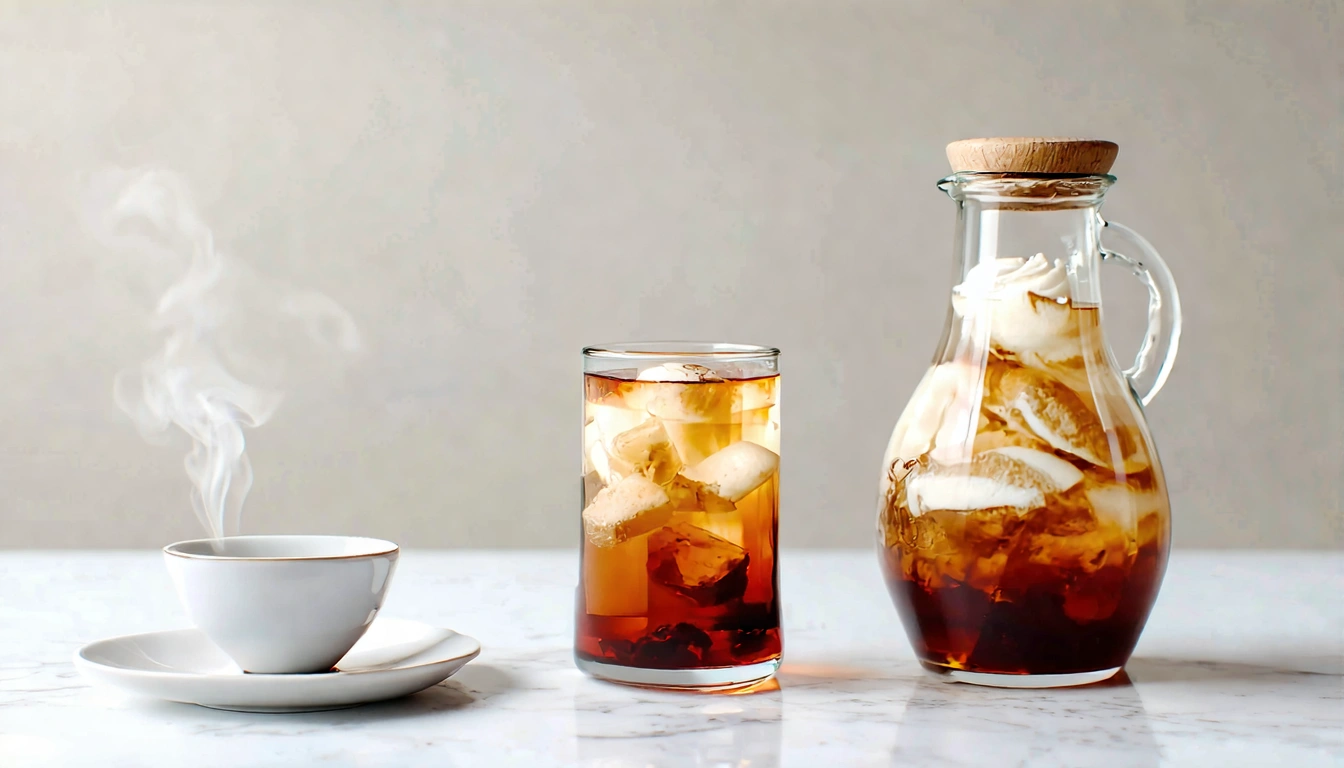
TL;DR: Taiwan black tea hot brew recommendation: 95–100°C water, tea-to-water ratio 1g:60ml, steep 30–60 seconds. Cold brew: 1g:100ml cold water, refrigerate 6–8 hours. Milk tea golden ratio: tea liquor to whole milk = 1:1. Honey-scented black tea: lower temperature to 90–95°C to preserve the honey aroma (ChaYanSo brewing tests, 2026).
Pre-Brewing Essentials: Understanding Three Major Taiwan Black Tea Varieties
Different varieties of Taiwan black tea require different optimal brewing parameters. First identify what tea you have, then choose your method.
| Variety | Characteristics | Optimal Temperature | Steeping Sensitivity |
|---|---|---|---|
| TTES No. 18 (Ruby) | Cinnamon-mint aroma, full body | 95–100°C | Medium (noticeable bitterness if over-steeped) |
| Honey-Scented Black Tea | Natural honey aroma, low bitterness | 90–95°C | Low (more forgiving) |
| TTES No. 8 (Assam) | Thick and mellow, ideal for milk tea | 98–100°C | Medium-low |
Why different temperatures?
According to Tea Research and Extension Station studies, caffeine and catechin levels increase with brewing temperature, and bitter caffeine extraction increases significantly above 80°C (Source: MOA Tea and Beverage Crop Research and Extension Station, 2024). The honey aroma compounds in honey-scented black tea (geraniol, benzyl alcohol) volatilize faster at high temperatures — 100°C accelerates their loss, while 90–95°C preserves the honey character more completely. Ruby’s cinnamate compounds are more heat-resistant, producing fuller aroma at 100°C. Assam’s thick body benefits from high-temperature extraction.
At ChaYanSo, when testing different black tea varieties, we found that Ruby shows subtle but discernible aroma differences between 95°C and 100°C — 95°C preserves more floral aftertaste, while 100°C brings the cinnamon note forward. We suggest beginners start at 95°C and adjust to taste.
Method 1: Hot Brew (Best for Showcasing Aroma Complexity)
Hot brewing is the most classic way to enjoy Taiwan black tea and the method that best reveals aroma differences between varieties. Taiwan’s primary tea production is oolong, but black tea production has grown vigorously in recent years, with export unit prices approximately 6.5 times that of imported tea, reflecting Taiwan tea’s premium positioning (Source: MOA, 2024).
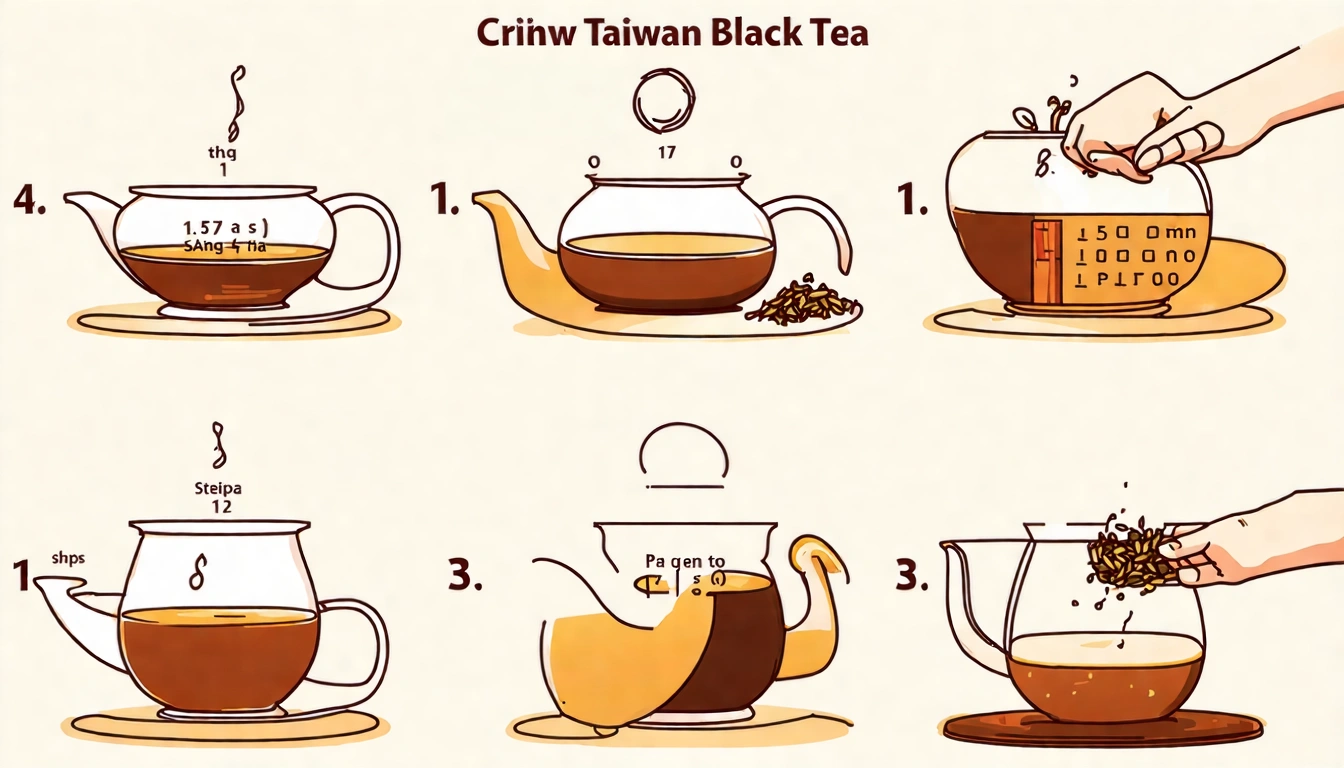
Equipment List:
- White porcelain gaiwan (120–150ml) or glass teapot
- Electric kettle (temperature-controlled preferred)
- Digital timer
- Tea scoop (for measuring)
Complete 7-Step Process:
Step 1: Boil Water
Bring water to a boil, then adjust to the appropriate temperature for your tea variety:
- Ruby: 95–100°C (can use just off the boil)
- Honey-Scented: 90–95°C (let boiling water rest 30–60 seconds)
- Assam: 98–100°C (just off the boil)
Step 2: Warm the Vessel
Pour hot water into the gaiwan, swirl to evenly heat the walls, then discard. This raises the internal temperature, preventing a sudden temperature drop when pouring in the brewing water.
Step 3: Measure the Tea
| Variety | Recommended Amount (per 150ml water) |
|---|---|
| TTES No. 18 (Ruby) | 2.5–3g |
| Honey-Scented Black Tea | 2–2.5g |
| Assam | 3–4g |
Step 4: Add Tea
Place tea leaves in the warmed gaiwan. Gently shake the gaiwan to slightly warm the leaves (called “awakening the tea,” which helps even extraction).
Step 5: Pour Water
Pour water along the rim of the gaiwan in a circular motion, avoiding direct impact on the leaves. Volume: tea-to-water ratio of 1g:60ml (using 3g of tea, pour 180ml of water).
Step 6: Time & Pour
| Infusion | Ruby | Honey-Scented | Assam |
|---|---|---|---|
| 1st | 30 sec | 25 sec | 40 sec |
| 2nd | 45 sec | 40 sec | 60 sec |
| 3rd | 60 sec | 60 sec | 90 sec |
| 4th | 90 sec | 90 sec | 120 sec |
Step 7: Observe & Taste
Good Taiwan black tea should have a clear liquor. Ruby displays deep amber, honey-scented shows orange-red, and Assam presents deep red. If the liquor is cloudy, it may be a water quality issue or poor-quality tea leaves. The global tea market was valued at approximately $69.5 billion in 2024, with black tea accounting for the largest consumption share. Taiwan premium black tea holds a unique competitive advantage in the international market (Source: Grand View Research, 2025).
The detail we emphasize most when teaching customers to brew tea at ChaYanSo is “pour cleanly” — drain the gaiwan completely with no residual water, so the next infusion won’t become bitter from over-steeping. This small action has a surprisingly large impact on black tea flavor.
Method 2: Cold Brew (Best Honey Aroma, Lowest Bitterness)
Cold brew black tea has become increasingly popular in recent years, especially suited for summer or those who prefer low-bitterness profiles. Research confirms that cold brew tea releases approximately 66–70% of the caffeine compared to hot brew, with dramatically reduced bitterness (Source: ScienceDirect, 2025).
Cold Brew Advantages:
Research shows that cold brew tea (room temperature or refrigerated extraction) releases approximately 20–30% less caffeine than hot brew, and 40–50% less ester-type catechins (the primary source of bitterness), resulting in a sweeter, smoother taste with virtually zero astringency (Source: Food Research International, 2021).
Basic Cold Brew Formula:
| Parameter | Recommendation |
|---|---|
| Tea-to-water ratio | 1g : 100–120ml cold water |
| Water temperature | Cooled boiled water or filtered water (room temp or 5°C refrigerator) |
| Steeping time | Refrigerate 6–8 hours (overnight is ideal) |
| Container | Glass bottle or cold water pitcher, wide-mouth for easy cleaning |
Cold Brew by Variety:
| Variety | Cold Brew Characteristics | Recommended Time |
|---|---|---|
| TTES No. 18 (Ruby) | Cinnamon transforms to elegant floral, sweetness increases | 6–8 hours |
| Honey-Scented Black Tea | Honey aroma best preserved, like natural fruit juice | 8–12 hours |
| Assam | Body slightly lighter, extend steeping time | 8–12 hours |
Cold Brew Tips:
- Use water that has been boiled and cooled — avoid using untreated tap water (hygiene consideration)
- After completing cold brew, store refrigerated for 24–48 hours
- Not recommended to reheat (the aroma structure will change)
Method 3: Milk Tea (The Soul of Taiwanese Afternoon Tea)
Taiwan black tea has a natural advantage for milk tea: the body is thick enough, the aroma complex enough, that it won’t be overwhelmed by milk. Our ChaYanSo team tested multiple tea-to-water ratios and found that Assam brewed at a concentrated 1:30 ratio, then combined with equal parts whole milk, still delivers a vivid tea presence — an effect other varieties struggle to achieve.
Tea Selection Tips:
Assam (TTES No. 8) is the top choice for milk tea — the thickest body, maintaining strong tea character even after adding milk. Ruby’s cinnamon note creates a distinctive milk tea twist as an advanced option. Honey-scented black tea’s aroma dilutes too easily with milk — not recommended for this purpose.
Milk Tea Golden Ratio:
| Milk Tea Style | Tea Liquor | Milk | Sugar |
|---|---|---|---|
| Standard Taiwan-style | 1:1 | Whole milk | To taste |
| Strong milk tea | 2:1 | Whole milk | A little |
| Light milk tea | 1:2 | Low-fat milk | No sugar |
Making the Milk Tea Base:
The tea concentration for milk tea should be higher than normal hot brew:
- Tea-to-water ratio: 1g : 30–40ml (1.5–2x normal concentration)
- Water temperature: 98–100°C
- Steeping time: 3–4 minutes (longer than standard hot brew)
- Purpose: Extract a more concentrated liquor that won’t be diluted by milk
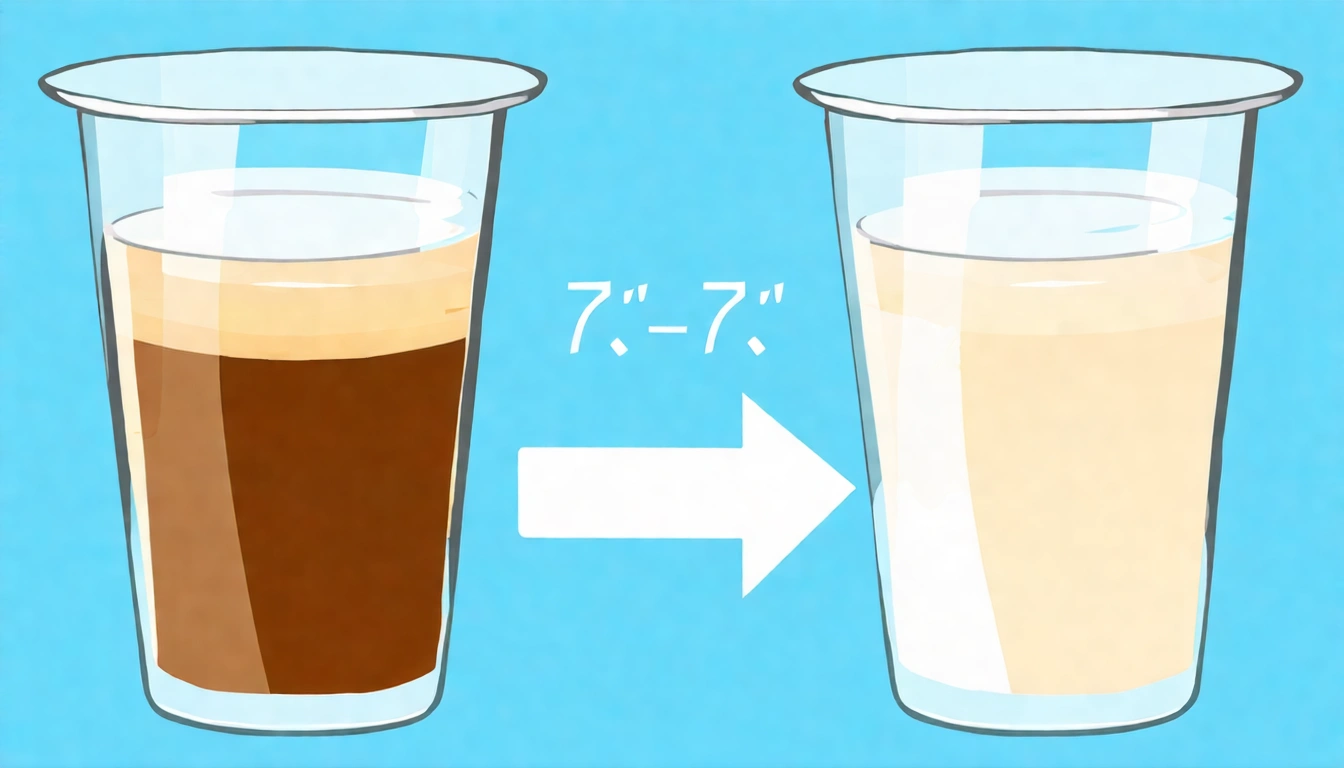
Complete Assam Milk Tea Steps:
- Assam 3–4g, pour in 120–150ml boiling water, steep 3–4 minutes
- Strain the liquor, heat whole milk (equal amount) to about 60°C (no need to boil — avoids off-flavors)
- Mix the tea liquor and warm milk
- Add raw cane sugar or brown sugar to taste, stir well
- For summer, add ice cubes for iced milk tea
Troubleshooting Common Brewing Problems
| Problem | Likely Cause | Solution |
|---|---|---|
| Tea is too bitter | Steeping too long or water too hot | Shorten steeping by 15–20 seconds, or reduce temperature by 5°C |
| Aroma is too weak | Not enough tea or water too cool | Add 0.5g more tea, or verify water temperature is above 90°C |
| Cloudy liquor | Water mineral content too high | Switch to filtered or mineral water |
| No aroma in second infusion | First infusion steeped too long, depleting the tea | Shorten first infusion to 20–25 seconds to save aroma for later |
| Cold brew too light | Ratio too dilute or time too short | Adjust to 1g:80ml, extend to 10 hours |
Ready to find the Taiwan black tea that’s right for you? ChaYanSo offers sample packs so you can test the perfect brewing method at home. Shop Taiwan Black Tea at ChaYanSo
Teaware Recommendations
| Teaware | Best Method | Advantages | Notes |
|---|---|---|---|
| White porcelain gaiwan | Hot brew | Easy color observation, flavor-neutral | Hot to handle, requires practice |
| Glass teapot | Hot brew, cold brew | Beautiful liquor display | Poor heat retention |
| Thermos | Hot brew (office) | Keeps warm, convenient | Avoid prolonged steeping |
| Cold water pitcher | Cold brew | Large capacity, easy storage | Choose odor-free material |
| Mug + tea infuser | Hot brew (simple) | Convenient, office-friendly | Control time to avoid bitterness |
Taiwan black tea gift sets with elegant brewing instruction cards — perfect for holiday gifts and corporate appreciation. Shop Taiwan Black Tea Gift Sets at ChaYanSo
FAQ: Black Tea Brewing Common Questions
Can I brew Taiwan black tea in a thermos?
Yes, but with an important caveat: thermoses maintain high temperatures, meaning tea leaves steep continuously and become increasingly bitter. We recommend brewing separately first, then pouring only the liquor into the thermos — don’t put the leaves in the thermos. Alternatively, use an office mug with a removable tea infuser, and remove the leaves once steeping time is up.
Can cold brew black tea be reheated?
Technically yes, but not recommended. Cold brew tea’s aroma structure forms at low temperatures. Reheating causes honey and floral aroma compounds to volatilize, changing the flavor. If you want hot tea, brew it hot from the start rather than reheating cold brew.
How many infusions can I get from Taiwan black tea?
Hot brew typically yields 3–4 infusions. TTES No. 18 and Assam are most aromatic in the second infusion; honey-scented black tea’s honey aroma is strongest in the first infusion and gradually weakens after the third. Cold brew typically uses just one extraction, which is sufficient.
Is hard or soft water better for brewing tea?
Taiwan tap water has moderate mineral content, and most areas are fine for tea brewing. If your liquor tends to be cloudy, try filtered water or mineral water (hardness below 150ppm). Excessively hard water (too many minerals) interferes with polyphenol extraction, affecting aroma and liquor clarity.
Further Reading
- Complete Taiwan Black Tea Guide: Sun Moon Lake Ruby, Honey-Scented & Three Major Varieties Compared
- TTES No. 18 Ruby Complete Guide: The World’s Only Cinnamon-Mint Black Tea
- Honey-Scented Black Tea Guide: The Natural Honey Aroma from Leafhopper Bites
- Black Tea Health Benefits: Theaflavins, Cardiovascular & Antioxidant Effects
- Cold Brew Tea Complete Guide: Summer Techniques & Recommended Teas
References
- Food Research International (2021). Comparison of cold brew and hot brew tea: caffeine and catechin profiles.
- MOA Tea Research and Extension Station (2024). Taiwan black tea variety characteristics and brewing recommendations.
- ChaYanSo (2026). Taiwan black tea variety brewing test records.