Wenshan Baozhong Tea Guide 2026 | Is It Green Tea? Grades, Prices & Characteristics Explained
Among all Taiwanese oolong teas, Wenshan Baozhong is the one most frequently misidentified. Its dry leaves are jade green, its liquor is clear and pale yellow, and its aroma is close to green tea — many people assume it’s green tea at first glance. But it is actually a low-oxidation oolong tea, and a style unique to Taiwan. Taiwan’s tea plantations cover approximately 12,000 hectares, producing around 14,000 metric tons annually, with oolong tea accounting for the largest share (Tea Research and Extension Station, Ministry of Agriculture).
Here’s the bottom line: Wenshan Baozhong is an oolong tea, not a green tea. Its oxidation level is only 15-20%, the lowest of all Taiwanese oolongs. However, its production process includes “lang qing” (gentle tossing/stirring to induce light oxidation) — the defining step that classifies it as oolong tea (Tea Research and Extension Station, Taiwan, 2024).
Once that’s clear, choosing Baozhong tea becomes straightforward.
TL;DR: Wenshan Baozhong is Taiwan’s lowest-oxidation oolong tea (15-20%) — it is not green tea. Pinglin Farmers’ Association holds annual competition tea evaluations, with top-grade teas certified for quality (Council of Agriculture, Taiwan, 2024). Brewing: 85-90°C, 1g:50ml ratio, steep 30-45 seconds. Regular commercial tea: 150-400 TWD/100g; competition-grade: 1,000+ TWD.
Taiwan’s most fragrant oolong, curated by ChaYanSo. Browse Our Selection
What Is Wenshan Baozhong Tea? (Clearing Up Common Misconceptions)
Wenshan Baozhong is a type of oolong tea. Its production process includes “lang qing” (tossing the leaves to induce light oxidation) — a step unique to oolong tea and absent from green tea production.
Why Is It Often Mistaken for Green Tea?
Several visual and taste characteristics lead to this misconception:
| Feature | Baozhong Reality | Why It Seems Like Green Tea |
|---|---|---|
| Dry Leaf Color | Jade green, strip-shaped | Greener than any other oolong |
| Liquor Color | Pale golden, clear | Slightly deeper than green tea but similar |
| Aroma | Clean orchid fragrance | Light and crisp, closer to green tea aroma than other oolongs |
| Taste | Clean sweetness, no bitterness | Lacks the full-bodied weight typical of other oolongs |
But the fundamental difference in production is this: Green tea’s core step is “sha qing” (kill-green — using high heat to halt oxidation); Baozhong’s process includes “lang qing” (actively inducing light oxidation). This difference is what definitively classifies Baozhong as oolong tea, not green tea.
Wenshan Baozhong Tea’s Signature: Natural Orchid Fragrance
Wenshan Baozhong’s most celebrated quality is its “natural orchid fragrance” — this aroma is the core indicator of quality. In a good Baozhong tea, the floral scent is clear, persistent, and subtly evolving with each steep.
The orchid fragrance in Wenshan Baozhong primarily comes from aromatic compounds formed during the light lang qing process, including phenylacetaldehyde and indole, which develop most completely under conditions of low temperature and high humidity (Tea Research and Extension Station, Taiwan, 2024). Pinglin’s foggy mountains and significant day-night temperature variations provide the ideal natural conditions for maximizing these compound formations.
Strip-Shaped vs Ball-Shaped
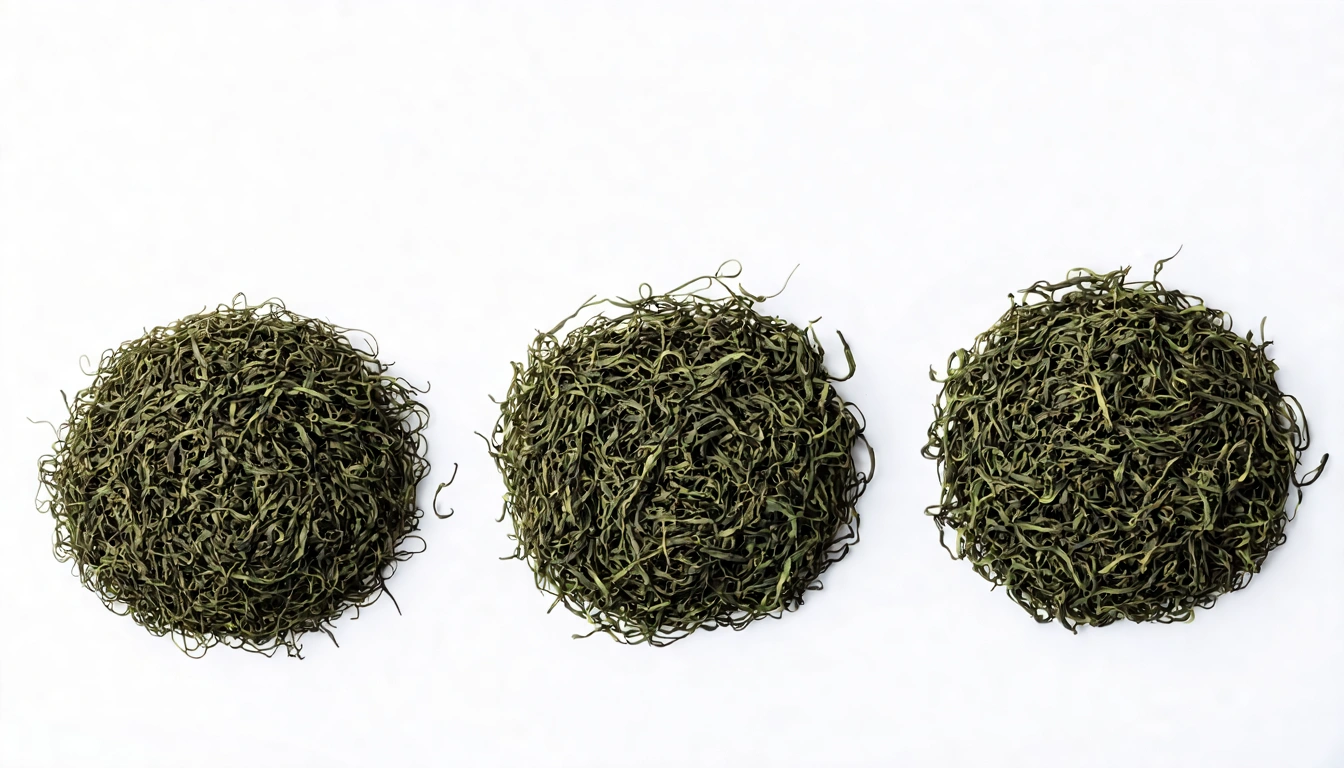
Wenshan Baozhong tea leaves are “strip-shaped” — twisted into strips rather than the ball shape common in Si Ji Chun, Jin Xuan, and other oolongs. Strip-shaped leaves unfurl more quickly and release their aroma sooner, delivering a noticeable clean fragrance from the very first steep.
How Are Wenshan Baozhong Tea Grades Classified?
Wenshan Baozhong has two grading systems: competition tea grades and commercial tea grades.
Competition Tea Grades
The Pinglin Farmers’ Association holds an annual competition tea evaluation, one of Taiwan’s most credible tea quality certifications:
| Grade | Description |
|---|---|
| Special Prize (Te Deng) | Highest score of the entire competition, extremely limited quantity |
| First Prize (Tou Deng) | High quality, exceptional aroma |
| Second Prize (Er Deng) | Consistent quality, excellent value |
| Third Prize (San Deng) | Certified quality, reliable |
Competition teas come with award seals and competition year markings. When purchasing, confirm you’re getting the current year’s competition tea (avoid buying leftover stock from previous years).
Commercial Tea Price Reference
| Grade | Price (100g) | Suitable For |
|---|---|---|
| Entry-Level Commercial | 150-300 TWD | Everyday drinking |
| Mid-Range Commercial | 300-800 TWD | Daily enjoyment, small gifts |
| Premium Commercial | 800-1,500 TWD | Gift-giving, personal collection |
| Competition Grade | 1,500+ TWD | Collecting, premium tasting |
Wenshan Baozhong Tea Buying Guide
Where to Buy Wenshan Baozhong Tea?
The Wenshan area has a total tea garden area of over 2,300 hectares, with Pinglin District being the most concentrated production area for Baozhong tea, accounting for 90% of output (Pinglin District Farmers’ Association, New Taipei City). Nantou County holds the largest tea plantation area nationally at 48.9%, but Wenshan Baozhong is a specialty tea unique to northern Taiwan (Ministry of Agriculture). Here’s a comparison of purchasing channels:
| Purchasing Channel | Advantages | Notes |
|---|---|---|
| Pinglin Local Farmers / Tea Shops | Closest to the source, freshest | Requires visiting in person |
| Pinglin Farmers’ Association | Competition tea quality is certified | Competition teas are seasonal and limited |
| Reputable Tea Shops (Taipei / Online) | Convenient, good service | Check that labeling is clear |
| General Online Marketplaces | Most convenient | Quality varies widely; check reviews |
Practical Methods for Identifying Quality
- Dry Leaf Appearance: Good Baozhong has tightly twisted strips in uniform jade green; poor quality shows loose, scattered leaves with many broken pieces
- Dry Leaf Aroma: Clean orchid fragrance with a hint of fruity sweetness; overly strong grassy smell or off-odors indicate questionable quality
- Tea Liquor: Pale golden and perfectly clear, no cloudiness; a clear floral aroma should be evident from the very first steep
When we at ChaYanSo source Wenshan Baozhong, we pay special attention to the persistence of the orchid aroma and the hui gan (returning sweetness) — these two indicators are more reliable than appearance for judging Baozhong tea’s true quality. Taiwan’s tea export unit price is approximately 6.5 times that of imported tea. As a low-oxidation oolong unique to Taiwan, Wenshan Baozhong carries irreplaceable terroir value (Ministry of Agriculture).
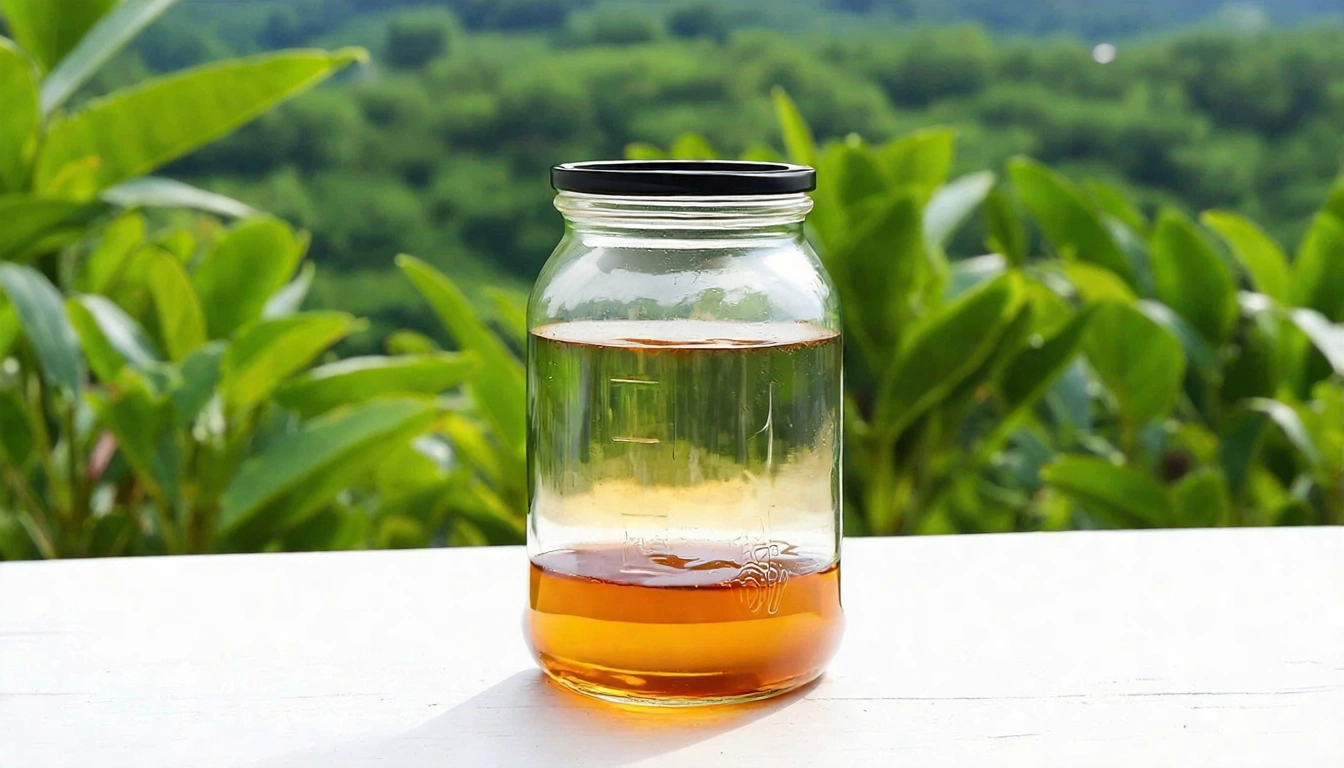
What makes Wenshan Baozhong particularly special for cold brewing is that it’s “more fragrant than hot-brewed” — low-temperature extraction preserves more of the volatile orchid aroma compounds, whereas hot brewing causes some of these aromatics to dissipate quickly at high temperatures. Many people trying cold-brewed Baozhong for the first time ask “where does this floral fragrance come from?” — but it’s simply the natural aroma of the whole tea leaves themselves.
How to Brew Wenshan Baozhong Tea
Hot Brewing (The Best Way to Showcase the Orchid Fragrance)
| Parameter | Recommended Value |
|---|---|
| Water Temperature | 85-90°C (do not use boiling 100°C water) |
| Tea-to-Water Ratio | 1g:50ml (gongfu style) or 1g:100ml (mug) |
| Steeping Time | 30-45 seconds (no rinse needed — strip-shaped leaves unfurl quickly) |
| Subsequent Steeps | Add 5-10 seconds per steep |
| Number of Re-steeps | 4-6 times |
Baozhong tea does not need a rinse — strip-shaped tea leaves unfurl quickly, releasing their aroma from the very first steep. Do not use boiling 100°C water; 85-90°C is the optimal temperature to fully preserve the orchid fragrance without extracting bitterness. Taiwan’s tea export unit price is approximately 6.5 times that of imported tea. As a uniquely Taiwanese tea variety, Wenshan Baozhong holds irreplaceable terroir value (Ministry of Agriculture).
Cold-Brewed Baozhong Tea (A Refreshing All-Day Option)
Wenshan Baozhong is exceptionally well-suited for cold brewing — low-temperature extraction produces a cleaner floral aroma with zero bitterness and lower caffeine content.
Cold brewing method: 1g tea per 100ml cold water. Place in the refrigerator for 4-6 hours, then strain out the leaves. Among our ChaYanSo customers, Baozhong has the highest cold-brew purchase rate — they say Wenshan Baozhong is “the easiest Taiwanese tea to brew” and that it’s virtually impossible to mess up. We often recommend the same to beginners: start with cold-brewed Baozhong to build confidence, then progress to gongfu-style hot brewing (ChaYanSo, 2025).
FAQ: Common Wenshan Baozhong Tea Questions
Is Wenshan Baozhong tea a green tea?
No. Wenshan Baozhong is a type of oolong tea, but with the lowest oxidation level (15-20%), its taste and aroma are close to green tea. The key difference is in the production process: Baozhong includes lang qing (actively inducing light oxidation), while green tea uses sha qing (kill-green, halting oxidation). This fundamental difference is what classifies Baozhong as oolong tea, not green tea.
How much does Wenshan Baozhong tea cost?
Commercial tea ranges from approximately 150-800 TWD/100g; competition-grade tea starts at 1,500+ TWD. The Pinglin Farmers’ Association competition tea is the most quality-assured purchasing channel — while more expensive than regular commercial tea, it carries third-party quality certification, making it ideal for gifts or personal enjoyment of premium tea.
Further Reading
- Complete Guide to Taiwan’s Specialty Tea Varieties: Tieguanyin, Baozhong, Oriental Beauty Compared
- Oriental Beauty Tea Guide: The Story of Leafhopper-Kissed Honey Aroma
- Tieguanyin Tea Guide: What Is It? A Complete Taiwan vs Fujian Comparison
- Tea Brewing Temperature & Ratio Guide: Optimal Conditions for Every Taiwanese Tea
- Cold Brew Tea Guide: Ratios, Timing & Best Tea Varieties All in One
References
- Tea Research and Extension Station, Taiwan (2024). Wenshan Baozhong Tea Production Process and Flavor Compound Research.
- Council of Agriculture, Taiwan (2024). Pinglin Farmers’ Association Competition Tea Evaluation Standards.