
Tieguanyin Tea Guide 2026 | What Is It? Taiwan vs Fujian Comparison & Buying Guide
“Is Tieguanyin a dark tea?” “Is Taiwanese Tieguanyin the same as the one from Fujian?” — These two questions come up far more often than most people expect.
Here’s the straight answer: Tieguanyin is a type of oolong tea (semi-oxidized), not a dark tea. The Taiwanese and Fujian versions are vastly different in style. Taiwan’s Muzha Tieguanyin is known for its rich, deeply roasted character, making it one of the most distinctive Taiwanese oolong teas.
The tea-making process of Taiwan’s Muzha Tieguanyin, including its traditional multi-roast technique, was listed as a protected tea-making craft by Taiwan’s Council of Agriculture in 2024. The craft has been recognized as having evolved into an independent tea-making tradition, distinct from its Fujian origins (Council of Agriculture, Taiwan, 2024).
This article covers all the essential questions about Tieguanyin.
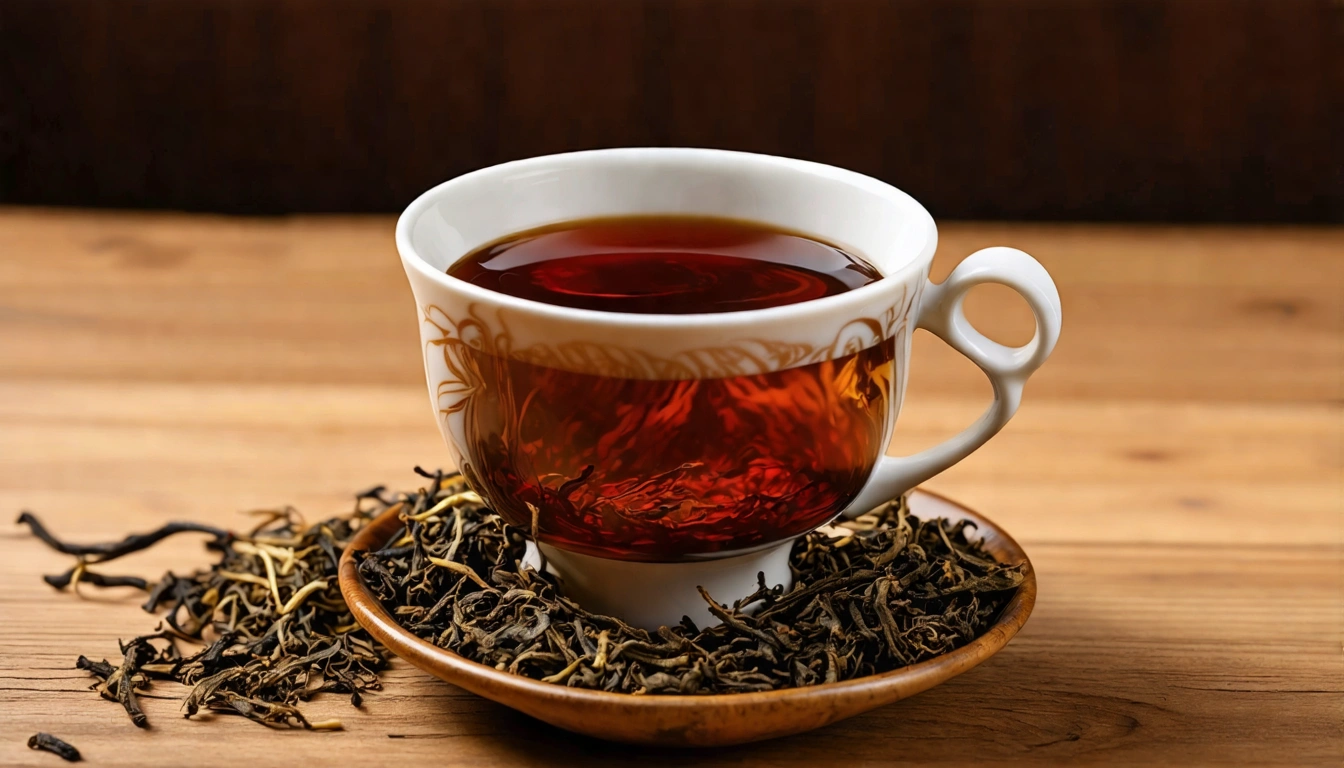
TL;DR: Tieguanyin = oolong tea (semi-oxidized, 30-40%). Taiwan’s Muzha version is known for its rich roasted depth. Muzha Tieguanyin’s craft was listed as a protected heritage item by Taiwan’s Council of Agriculture in 2024. Brewing: 90-95°C, 1g:50ml ratio, steep 30-45 seconds, re-steep 5-8 times.
Discover authentic Taiwanese Tieguanyin, curated by ChaYanSo. Browse Our Selection
What Is Tieguanyin Tea? The Basics
Tieguanyin belongs to the oolong tea family (also called qingcha), which is semi-oxidized tea. Taiwan’s tea plantations cover approximately 12,000 hectares, producing around 14,000 metric tons annually, with oolong tea (including Tieguanyin) accounting for the largest share (Tea Research and Extension Station, Ministry of Agriculture). There are two main types of Tieguanyin available in Taiwan:
Taiwan Muzha Tieguanyin (Roasted Style)
Muzha Tieguanyin is Taiwan’s most iconic Tieguanyin. It undergoes multiple rounds of traditional charcoal roasting, giving the tea a rich roasted aroma, ripe fruit fragrance, and a deep amber-orange liquor. This is the style that leaves the strongest impression on anyone who has tried Taiwanese Tieguanyin.
Is Tieguanyin a Dark Tea? (The Most Common Misconception)
No. “Dark tea” (shu cha) is a category of pu-erh tea — pu-erh dark tea is fully fermented through a process called wo dui (pile fermentation), which is completely different from Tieguanyin’s production method. Tieguanyin’s “cooked” or “mature” quality comes from its roasting process, not from fermentation.
The correct classification of Tieguanyin:
- Tea type: Oolong tea (semi-oxidized)
- Oxidation level: Approximately 30-40%
- Production characteristic: Medium-to-heavy roasting (Taiwan version)
Taiwan Tieguanyin vs Fujian Tieguanyin: A Complete Comparison
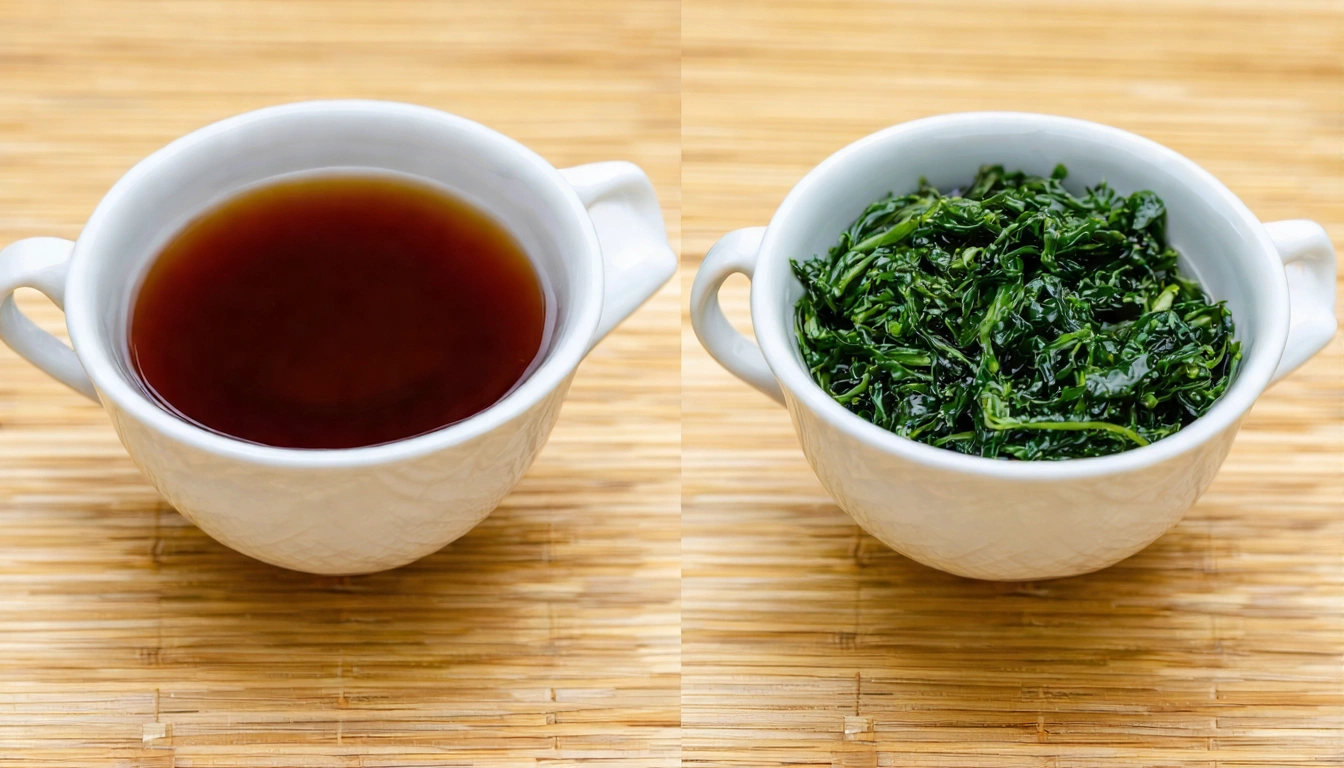
Both are called Tieguanyin, but the Taiwanese and Fujian versions taste vastly different — if you’re deeply familiar with one, you’ll immediately notice the difference when trying the other:
| Comparison | Taiwan Muzha Tieguanyin | Fujian Anxi Light-Fragrance | Fujian Anxi Traditional |
|---|---|---|---|
| Oxidation Level | 30-40% | 15-25% | 30-40% |
| Roasting Level | Medium-heavy | Light/none | Medium-heavy |
| Primary Aroma | Roasted ripe fruit, rich depth | Floral, fresh, sweet | Rich fruit aroma |
| Liquor Color | Deep amber-orange | Pale golden | Orange-yellow to amber-orange |
| Taste Profile | Full-bodied, sweet, lingering roasted finish | Crisp, pronounced floral notes | Between the two styles |
| Re-steeping | 5-8 times | 3-5 times | 4-7 times |
| Price | Higher | Low to mid-range | Mid-range |
During our ChaYanSo tasting sessions, over 80% of first-time Muzha Tieguanyin drinkers say “this is completely different from the Tieguanyin I expected” — we’ve observed this is usually because they had previously tried the Fujian light-fragrance style, which is an entirely different profile (ChaYanSo, 2025).
Muzha’s Roasting Craft
The Muzha tea-growing area sits at approximately 300-350 meters elevation. It uses the Ruan Zhi Tieguanyin cultivar (also called “Red-Heart Crooked-Tail Peach”) to produce zheng cong (authentic cultivar) Tieguanyin (Taipei Tieguanyin & Baozhong Tea Research and Promotion Center). Muzha Tieguanyin’s roasting is a gradual process — traditional practice involves roasting the tea leaves in multiple sessions, with rest periods of several days between each roast to allow the tea to “de-fire,” resulting in a more even and layered roasted character. This process requires experienced roasting masters who adjust in real time based on the tea leaves’ condition, making it the hardest-to-replicate core craft of Muzha Tieguanyin.
Tieguanyin Buying Guide 2026
How to Identify High-Quality Tieguanyin
| Assessment | Good Quality Indicators | Signs of Poor Quality |
|---|---|---|
| Dry Leaf Appearance | Uniform, tightly rolled pellets | Many broken leaves, irregular shape |
| Dry Leaf Aroma | Sweet roasted fragrance, ripe fruit notes | Burnt, acrid, or no aroma |
| Liquor Color | Amber-orange to deep amber, clear and bright | Cloudy, uneven color |
| Liquor Aroma | Roasted honey sweetness | Burnt, sour, or chemical odors |
| Taste | Rich, smooth, sweet with clear hui gan (returning sweetness) | Persistent bitterness, dry and astringent |
Tieguanyin Grade and Price Reference
| Grade | Price Reference (100g) | Characteristics |
|---|---|---|
| Entry-Level Commercial | 200-500 TWD | Consistent quality, everyday drinking |
| Mid-Range Commercial | 500-1,200 TWD | Richer aroma, well-developed roast layers |
| Premium / Competition | 1,200-3,000+ TWD | Highest quality, ideal for gifts or personal enjoyment |
Where to Buy Reliable Tieguanyin?
For Taiwan Muzha Tieguanyin, we recommend purchasing from specialty tea shops in Taipei’s Muzha district or certified tea farmers, which ensures quality. Nantou County holds the largest tea plantation area at 48.9% of Taiwan’s total, followed by Chiayi County at 14.1% (Ministry of Agriculture) — but Tieguanyin’s core production area is concentrated in Taipei’s Muzha, a specialty micro-region. When buying online, check whether the product description clearly states “Muzha Tieguanyin” (rather than a vague “Tieguanyin”) and whether origin information is provided. At ChaYanSo, our sourcing specifically confirms whether the tea is authentic Muzha zheng cong Tieguanyin to avoid imported teas or other cultivars being passed off as the real thing.
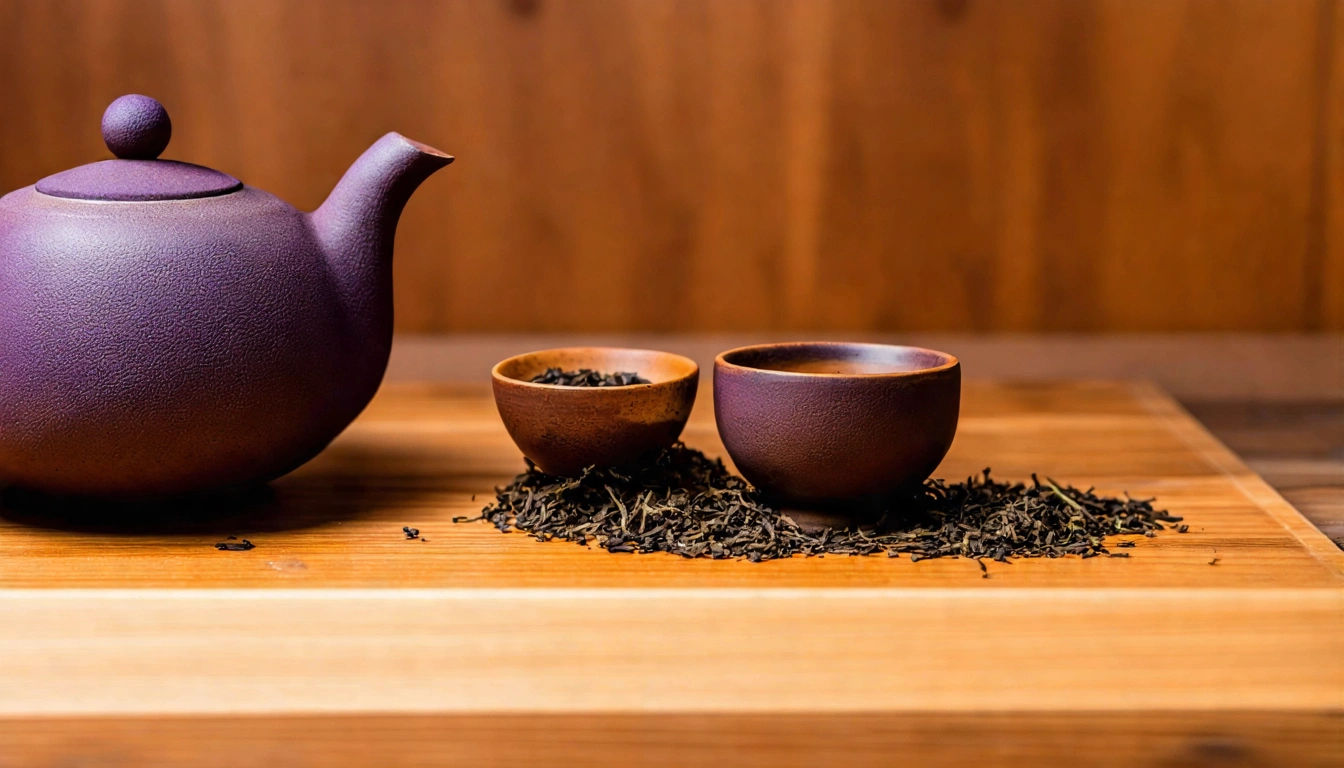
Many people consider Tieguanyin “not beginner-friendly,” but this usually happens because they’ve encountered inconsistent quality or overly roasted products. A good Muzha Tieguanyin should have a “sweet, ripe fruit aroma” from its roasting — not a “harsh, burnt smell.” The difference between the two is immediately obvious with one sniff. Taiwanese tea’s export unit price is approximately 6.5 times that of imported tea, reflecting the superior craft value of Taiwanese teas compared to typical imports (Ministry of Agriculture). When shopping, smelling the dry leaves before making a decision is the most straightforward way to select good tea.
How to Brew Tieguanyin
Gongfu Brewing (The Best Way to Showcase Tieguanyin’s Character)
| Parameter | Recommended Value |
|---|---|
| Water Temperature | 90-95°C |
| Tea-to-Water Ratio | 1g:50ml (gaiwan/small teapot) |
| Rinse | 10-15 second quick rinse (discard the first steep) |
| First Steep | 30-45 seconds |
| Subsequent Steeps | Add 5-10 seconds per steep |
| Number of Re-steeps | 5-8 times |
Rinsing (discarding the first steep) is especially important for Tieguanyin — the tightly rolled ball-shaped leaves need a rinse to begin unfurling, allowing the full aroma to release in subsequent steeps. Drinking straight from the first steep usually results in a weaker aroma. Tieguanyin is a semi-oxidized tea with an oxidation level of approximately 30-40%. Combined with traditional roasting, the tea’s flavor compounds require higher water temperature and full leaf expansion to be completely released (Tea Research and Extension Station, Taiwan, 2024).
Is Tieguanyin Good for Cold Brewing?
Not recommended. Cold brewing works best with light-fragrance teas (Si Ji Chun, Baozhong, Jin Xuan). Tieguanyin’s core character is its rich roasted depth — this quality is difficult to fully express through low-temperature cold extraction. Tieguanyin is better suited to hot brewing, especially gongfu-style in a small teapot, which maximizes its layered complexity.
FAQ: Common Tieguanyin Questions
What kind of tea is Tieguanyin?
Tieguanyin is a type of oolong tea (semi-oxidized), with an oxidation level of approximately 30-40%. Taiwan’s version (Muzha Tieguanyin) is known for its traditional roasting craft, producing a rich roasted aroma paired with ripe fruit notes — a style entirely different from Taiwan’s other lightly roasted oolongs (such as Si Ji Chun and Jin Xuan). It is not green tea, not black tea, and not pu-erh dark tea. Taiwan imports approximately 26,000 metric tons of tea annually, with Vietnam accounting for 70% — confirming the “Muzha origin” label when purchasing Tieguanyin is especially important to avoid imported tea being passed off as domestic (Ministry of Agriculture, 2024).
Which tastes better, Taiwanese or Fujian Tieguanyin?
They are different styles, and neither is objectively better. Taiwan’s Muzha Tieguanyin excels in rich roasted depth, ideal for those who enjoy a “mature” quality and roasted fragrance. Fujian Anxi’s light-fragrance Tieguanyin features a crisp floral freshness, suited for those who prefer a lighter style. The two have evolved into independent tea-making traditions, and comparing them by the same standard would be unfair (Council of Agriculture, Taiwan, 2024).
Further Reading
- Complete Guide to Taiwan’s Specialty Tea Varieties: Tieguanyin, Wenshan Baozhong, Oriental Beauty Compared
- Wenshan Baozhong Tea Guide: Taiwan’s Most Fragrant Oolong
- Oriental Beauty Tea Guide: The Story of Leafhopper-Kissed Honey Aroma
- Tea Brewing Temperature & Ratio Guide: Optimal Conditions for Every Taiwanese Tea
- Oolong Tea Complete Guide: Types, Oxidation Levels & Everything You Need to Know
References
- Council of Agriculture, Taiwan (2024). Taiwan Tea Geographical Indication and Craft Protection Regulations.