
Tea Ware Recommendations 2026 | Essential Gongfu Tea Set for Beginners — How to Choose on a NT$1,000 Budget
“I want to start brewing gongfu tea, but I have no idea what tea ware to buy.”
This is one of the most common questions we get at ChaYanSo. The good news: beginners do not need to spend a fortune on tea ware. Under NT$1,000 gets you a complete, functional gongfu tea set. On a tighter budget, NT$400-600 is enough to get started.
Taiwan has approximately 12,000 hectares of tea gardens producing about 14,000 tonnes annually (Ministry of Agriculture Tea Research and Extension Station, 2023), and with a large tea-drinking population, demand for tea ware continues to grow. The global ceramic tea ware market was valued at approximately US$1.2 billion in 2023 and is projected to reach US$1.8 billion by 2032 (Business Research Insights, 2024). Yingge in Taiwan is the most important domestic tea ware production area, with over 700 ceramic workshops, more than 80% of which are ceramic manufacturers (New Taipei City Yingge District Office, 2024).
Among ChaYanSo’s beginner customers, the most common starting approach is “borrowing a mug and small bowl from home” — this works perfectly fine, but once you have proper gongfu tea ware, the improvement in the tasting experience is very noticeable. The fairness pitcher in particular — which ensures even concentration in every cup — is something almost everyone says “Why did I never think of this before?” about (ChaYanSo, 2025).
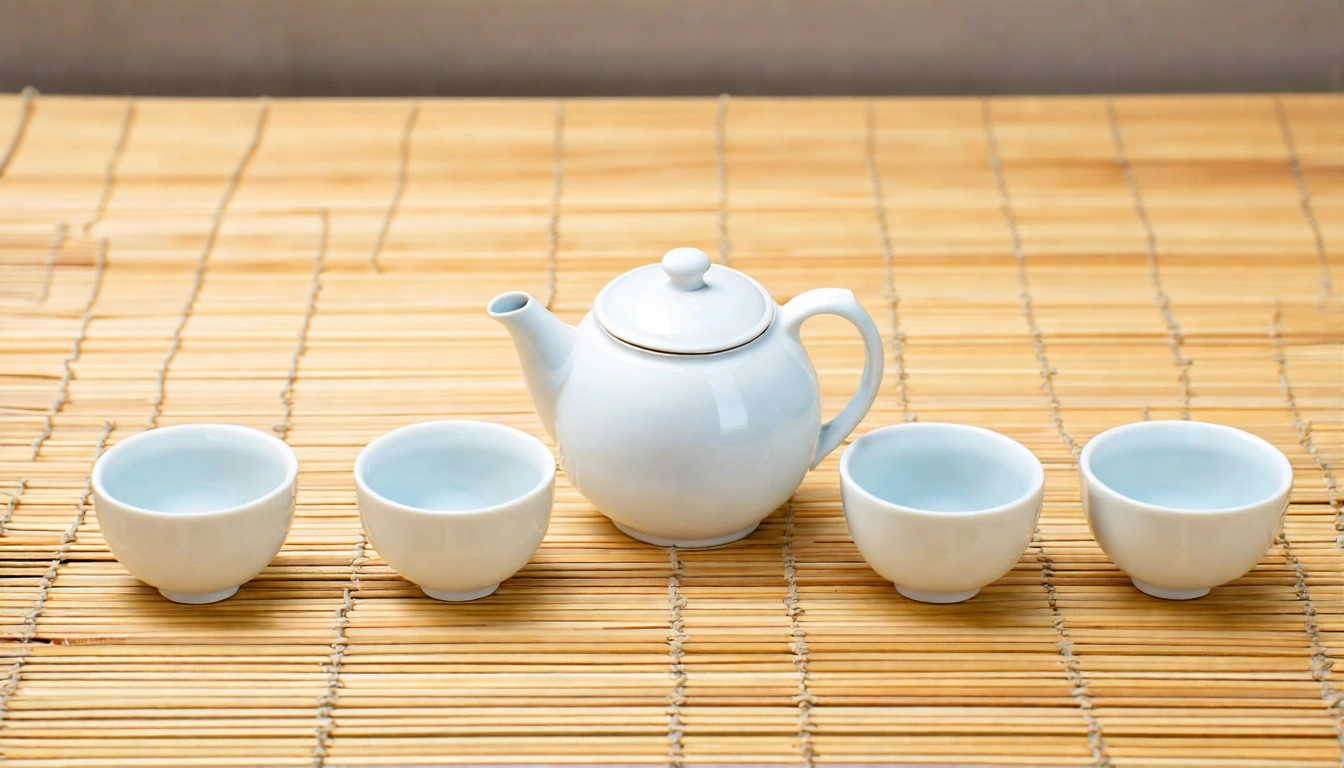
TL;DR: Minimum beginner tea ware: teapot (150-200ml) + 4 tasting cups, approximately NT$400-600. Complete gongfu set with fairness pitcher and tea tray: NT$600-1,000. After adding a fairness pitcher, every cup has even concentration — almost everyone says “why didn’t I think of this sooner” (ChaYanSo, 2025). White porcelain is the best material choice for beginners.
Great tea ware deserves great tea — ChaYanSo’s curated selection. Browse Teas
What Tea Ware Do Beginners Need?
A full gongfu tea set looks complicated, but the essentials are just a few items:
Basic Essentials (These Matter Most)
| Item | Function | Why You Need It |
|---|---|---|
| Teapot/Gaiwan | Primary brewing vessel | Controls tea leaf quantity and steeping time |
| Fairness Pitcher (Cha Hai) | Equalizes tea liquor before pouring | Ensures every cup has the same concentration, preventing the last cup from being too bitter |
| Tasting Cups x4 | For drinking | Small capacity means each sip is the tea at its best |
| Tea Tray | Catches overflow | Keeps the table clean |
Optional Upgrades (Add Later)
- Tea scoop: For measuring tea leaves; you can also pour directly from the canister
- Tea tongs: For handling cups; you can also use your hands
- Tea strainer: For filtering loose leaf; not needed if using tea bags
- Aroma cup: For appreciating the tea’s fragrance (a Taiwanese specialty, not essential)
NT$1,000 Budget Tea Ware Buying Guide
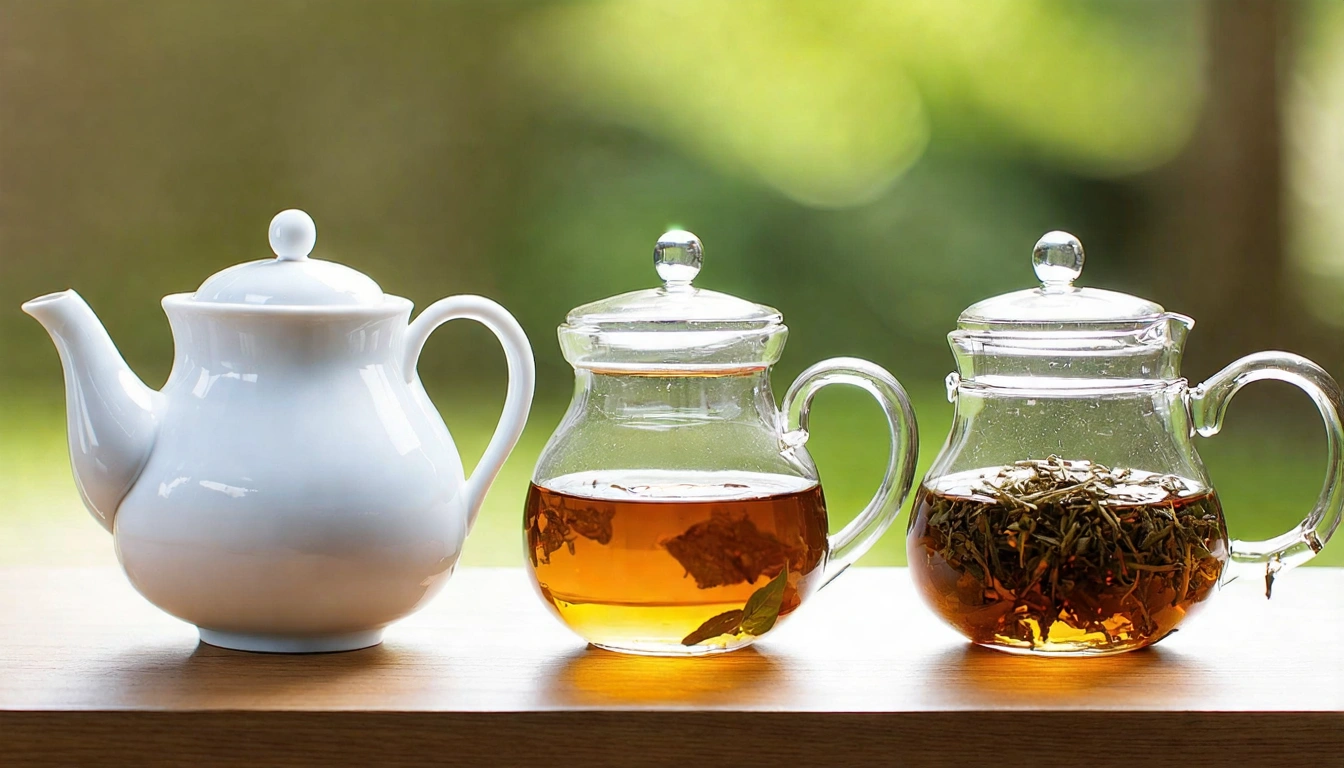
Complete Material Comparison
| Material | Advantages | Disadvantages | Price Range | Best For |
|---|---|---|---|---|
| White Porcelain | Best for showing tea liquor color, easy to clean, does not absorb flavors | Slightly less heat retention | Lower | Beginners (top pick) |
| Glass | Can observe tea leaves unfurling and liquor, great visual appeal | Poor heat retention, more fragile | Low to Medium | Those who enjoy visual aesthetics |
| Ceramic | Good heat retention, rustic beauty, develops patina over time | Hard to see liquor color | Medium | Intermediate users |
| Yixing Clay (Zisha) | Best for enhancing tea aroma, collectible and investment value | Expensive, requires seasoning and care | High | Experienced tea enthusiasts |
Recommended Sets Under NT$1,000
Option A: Minimum Starter Set (NT$400-600)
- White porcelain teapot 150-200ml: NT$150-250
- White porcelain tasting cups x4 (30ml each): NT$100-200
- Total approximately NT$250-450; a large saucer can temporarily substitute for a tea tray
Option B: Complete Starter Set (NT$600-1,000)
- White porcelain teapot 150-200ml: NT$150-250
- White porcelain fairness pitcher 200-250ml: NT$100-200
- White porcelain tasting cups x4: NT$100-200
- Bamboo tea tray: NT$150-300
- Total approximately NT$500-950
Where to Buy Beginner Tea Ware?
Taiwan has several reliable purchasing channels:
- Taipei Dihua Street/Dadaocheng: Traditional tea ware hub, reliable quality, hands-on selection
- Taiwanese ceramic brands (e.g., Sanyi, Yingge Ceramics District): Great value, see products in person. Yingge has over 200 years of ceramic history, with 1,300 factories at its 1990s peak, and remains Taiwan’s largest tea ware production area (Taiwan Panorama Magazine, 2024)
- Costco, Homemakers Union Foundation: Occasionally carry basic tea ware sets at good value
- Online shopping: Convenient, but pay attention to material and capacity specifications
At ChaYanSo, we advise beginners not to pursue Yixing clay teapots right away — white porcelain does not absorb flavors, is easy to clean, and lets you clearly observe tea liquor color. It is our recommended first material for all beginners (ChaYanSo, 2025).
Detailed Guide to Each Tea Ware Item
Choosing a Teapot
Capacity is the most important decision:
- Under 150ml: Ideal for 1-2 people, small quantities with multiple infusions, most concentrated aroma
- 150-200ml: The most common beginner size, ideal for 1-2 people, also works for 3-4 people with small cups each
- Over 250ml: Suitable for 3-4 people or those wanting more tea per infusion
Beginners should choose a 150-200ml teapot — this size is the most versatile, making it easier to control proportions and steeping time.
The Role of the Fairness Pitcher (Cha Hai)
The fairness pitcher is one of the most commonly overlooked yet most important accessory pieces in gongfu tea.
The problem is: if you pour tea directly from the teapot cup by cup, the first cup is lighter and the last cup is stronger (because the leaves continue steeping in the pot). The solution is to pour all the tea liquor into the fairness pitcher first, allowing the concentration to equalize, then distribute from the pitcher to each cup. This way, every cup tastes the same.
Material Recommendations for Tasting Cups
White porcelain is the best choice for beginners — the white background most clearly displays the tea liquor’s color (golden, orange-red, clear), helping you assess tea quality and brewing status. White porcelain also does not absorb tea flavors, so brewing different teas consecutively does not cause residual flavor carryover. Taiwanese oolong tea accounts for the largest share of domestic tea production (Ministry of Agriculture, 2024), and white porcelain fully captures the subtle color variations from golden to amber, making it the standard vessel used by professional tea evaluators.
Office-Friendly Tea Ware Recommendations
Not everyone has desk space for a full gongfu tea set. Here are office-friendly solutions:
Option 1: Glass Filter Cup
A glass cup with a built-in filter (approximately NT$200-400) — you can put loose tea leaves in directly or use tea bags. After brewing, remove the filter and you are left with clean tea liquor. One cup does it all — maximum convenience. Taiwan’s unsweetened ready-to-drink tea market has seen 12% annual sales growth, with buyer penetration approaching 70% (Worldpanel, 2025), and office tea drinking has become one of the mainstream choices for workers.
Option 2: Mug + Tea Bags
The most common office setup. Choose quality Taiwanese tea bags (Jin Xuan, Sijichun), steep in a mug for 45-60 seconds — this delivers far better results than cheap instant coffee, with respectable aroma and flavor.
Option 3: Cold-Brew Bottle
Put 5-6 tea bags in a 500ml water bottle when you arrive at the office, add room temperature water, and refrigerate. Drink the cold-brew in the afternoon — this is the most time and effort-efficient office tea method. The long water contact time produces good flavor with virtually no hands-on work required.
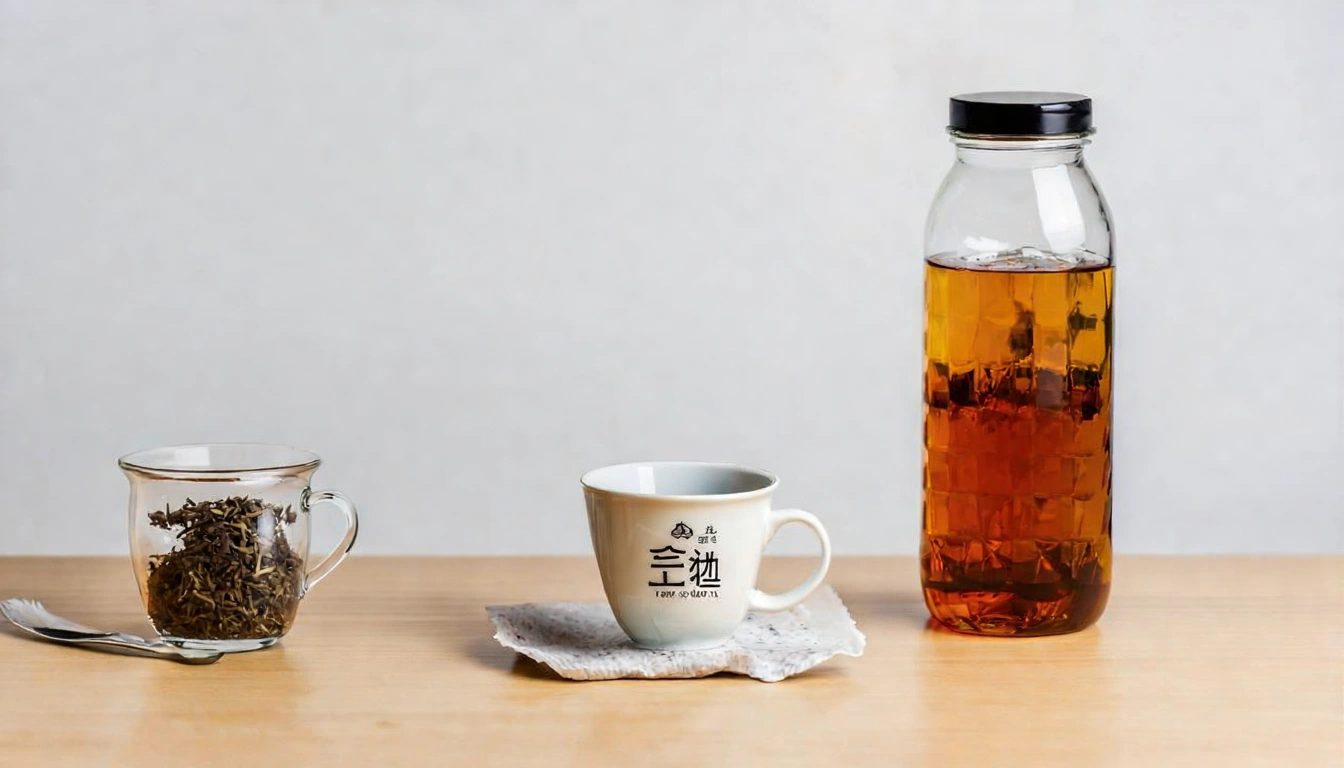
The biggest misconception about office tea drinking is “you need gongfu tea ware for it to count as real tea.” After years of observation at ChaYanSo, we have found that what actually helps office workers build a consistent tea habit is the simplest approach — tea bags + a mug, or a cold-brew bottle prepared the night before. “A ritual you can sustain” matters more than “the most refined form” (ChaYanSo, 2025).
FAQ: Common Tea Ware Questions
What tea ware brand should beginners buy?
Beginners should prioritize Taiwanese local brands or Yingge ceramics — great value, stable quality, and easy to reach for after-sales service. More advanced users can consider Fujian Dehua white porcelain or Yixing zisha teapots. We do not recommend beginners start with expensive tea ware — the improvement in tea enjoyment does not necessarily correspond to price increases.
Do I need to buy a complete tea set?
No. A teapot and tea cups are enough to start enjoying tea. The fairness pitcher and tea tray are upgrades. Our recommended sequence: buy a teapot and cups first, confirm you genuinely enjoy gongfu tea, then add a fairness pitcher (you will immediately notice the difference) and a tea tray (keeps the table clean). The fairness pitcher is the single most impactful upgrade. Nantou County accounts for approximately 48.9% of Taiwan’s tea garden area (Ministry of Agriculture, 2024), making it Taiwan’s largest tea-producing region and an important hub for tea ware craftsmanship and tea culture.
Further Reading
- Taiwan Tea Lifestyle Complete Guide: Tea Ware, Tea Ceremony, Afternoon Tea, and Tea Garden Experiences
- Office Afternoon Tea Guide: A 5-Minute Tea Ritual for Workers
- Taiwan Tea and Food Pairing Guide: Which Tea Goes Best with Which Snacks?
- Tea Brewing Temperature and Ratio Guide: Precise Ratios for Every Tea Type
- Oolong Tea Brewing Tutorial: Master Gongfu Tea Techniques