
Tea Storage Guide 2026 | How to Store Tea After Opening? Can You Refrigerate It? Avoid These 5 Common Mistakes
Have you ever had this experience: you bought a pricey Alishan oolong, only to brew it a month later and find that fresh floral aroma gone, replaced by a dull, flat taste?
It is not that the tea quality deteriorated. It is that the storage method was wrong.
The aromatic compounds in fine tea are extremely fragile. Research shows that tea leaves exposed to air for more than 48 hours can lose 20 to 30% of their primary volatile aromatic compounds (including terpenes and alcohols). When also exposed to light, catechin degradation occurs at 3 to 5 times the rate of properly sealed storage conditions (Source: Taiwan Tea Research and Extension Station, 2023). Taiwan has approximately 16,255 hectares of tea gardens producing about 17,502 tonnes annually, with oolong tea making up the largest share (Source: Ministry of Agriculture, 2024). All of this premium tea requires proper storage to maintain its quality.
In other words, simply leaving tea unsealed for two days can cost a good tea 30% of its aroma. This article shows you how to avoid the 5 most common mistakes so every brew delivers the best possible experience.
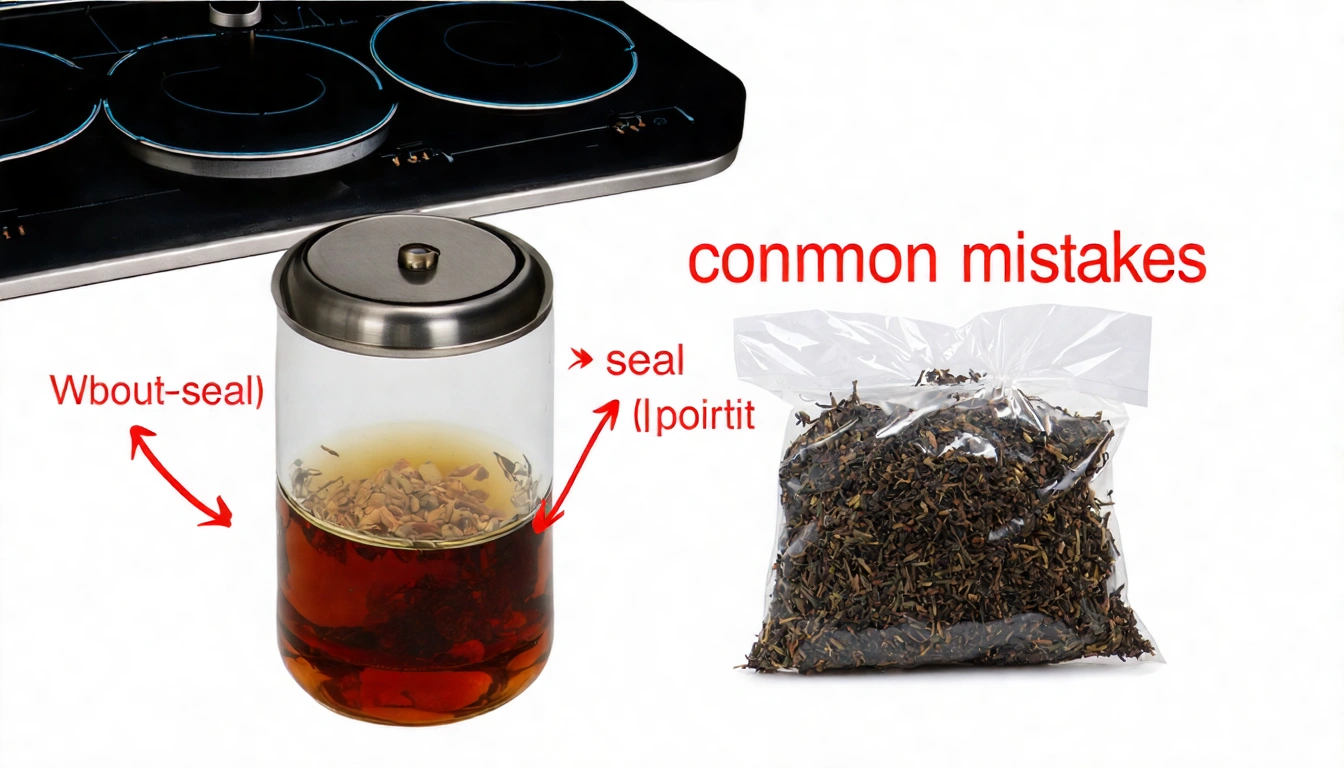
TL;DR: The four enemies of tea are light, heat, moisture, and odors. After opening, tea must be stored sealed. Light and floral teas can be refrigerated (completely sealed); roasted teas are fine at room temperature. Most common mistakes: not sealing, storing in the kitchen, using regular plastic bags. Aromatic compounds lose 20-30% after 48 hours of air exposure (Tea Research and Extension Station, 2023).
Great tea deserves proper storage — start by choosing great tea. Visit ChaYanSo
Why Is Tea Storage So Important? (The Four Enemies Explained)
Many people buy great tea only to let it “age prematurely” through improper storage. Tea’s aroma and flavor primarily come from terpene volatiles and tea polyphenols, both of which are highly sensitive to environmental conditions.
Enemy 1: Light
UV rays in sunlight are tea’s number one enemy. UV light directly accelerates tea polyphenol oxidation, causing the tea liquor to darken (from pale gold to reddish-brown after oxidation) and rapidly depleting the floral aroma of light and floral teas.
Enemy 2: Heat
Kitchen temperatures in Taiwan’s summer can reach 35 to 40°C — ideal conditions for accelerating chemical reactions, acting as an “aging accelerator” for tea. For every 10°C increase in temperature, chemical reaction rates roughly double, and tea aging speeds up accordingly. The Tea Research and Extension Station recommends tea evaluation rooms maintain temperatures of 22 to 24°C with 45 to 55% humidity, highlighting the importance of temperature and humidity control for tea quality (Source: Tea Research and Extension Station, 2024).
Enemy 3: Moisture
Taiwan’s average relative humidity is 70 to 80%, and tea is highly hygroscopic. Once tea absorbs moisture beyond 6 to 8%, it risks becoming damp and moldy, and once dampened, tea can almost never be restored to its original state. The safe moisture content range for tea is 3 to 5%; above 7% accelerates deterioration; above 12% risks mold growth. Storage environment humidity should be kept below 30 to 40% RH, as humidity above 60% RH poses mold risk for tea (Source: Tea Research and Extension Station Packaging and Storage Research, 2023).
Enemy 4: Odors
This is the most easily overlooked enemy. Tea leaves are natural odor absorbers — putting tea in the refrigerator for deodorizing is exactly this property at work. But this also means that tea stored near cooking fumes, soap, or strongly scented foods will absorb those odors within days, and the original aroma can never be recovered.
5 Common Storage Mistakes (How Many Are You Making?)
In the tea industry, I have seen this scenario far too often: the problem is not tea quality — it is storage gone wrong.
Mistake 1: Leaving tea unsealed after opening
The most common and most damaging mistake. Many people open a tea package, casually fold the bag, and leave it on a desk. Air exposure causes massive aroma loss within 2 days, and after 3 to 5 days, light and floral teas are essentially “aromeless.”
Solution: Immediately transfer to an airtight canister after opening, or use a dedicated zipper bag with a complete seal.
Mistake 2: Storing tea in the kitchen
The kitchen is the worst place for tea: high temperature, high humidity, cooking fumes, and strong food odors. Many people keep tea in the kitchen for convenience, only to find it smells like cooking oil within a week.
Solution: Move tea to a cool drawer or tea cabinet in the living room, away from heat sources and odor sources.
Mistake 3: Using regular supermarket plastic bags
Regular thin plastic bags not only seal poorly but may also carry plastic odors. Long-term contact can give tea a slight plasticizer taste.
Solution: Use food-grade zipper bags (thick type), aluminum foil bags, or transfer to a well-sealed metal canister.
Mistake 4: Storing tea alongside food
A common scenario: placing tea in a food pantry next to coffee beans, spices, and snacks. Within a week, the tea absorbs a blend of odors, losing its original character entirely.
Solution: Give tea its own dedicated storage space, separate from strongly scented foods.
Mistake 5: Waiting too long after opening to drink
Based on years of ChaYanSo customer feedback, the most common “poor tea quality” complaints, when investigated, turn out to be cases where tea sat open for 3 to 6 months before anyone thought to drink it — not an issue with the tea itself (ChaYanSo, 2026).
Recommendation: Aim to finish opened tea within 2 months. If you cannot consume it quickly, divide it into portions and refrigerate.
Proper Storage Methods (By Tea Type)
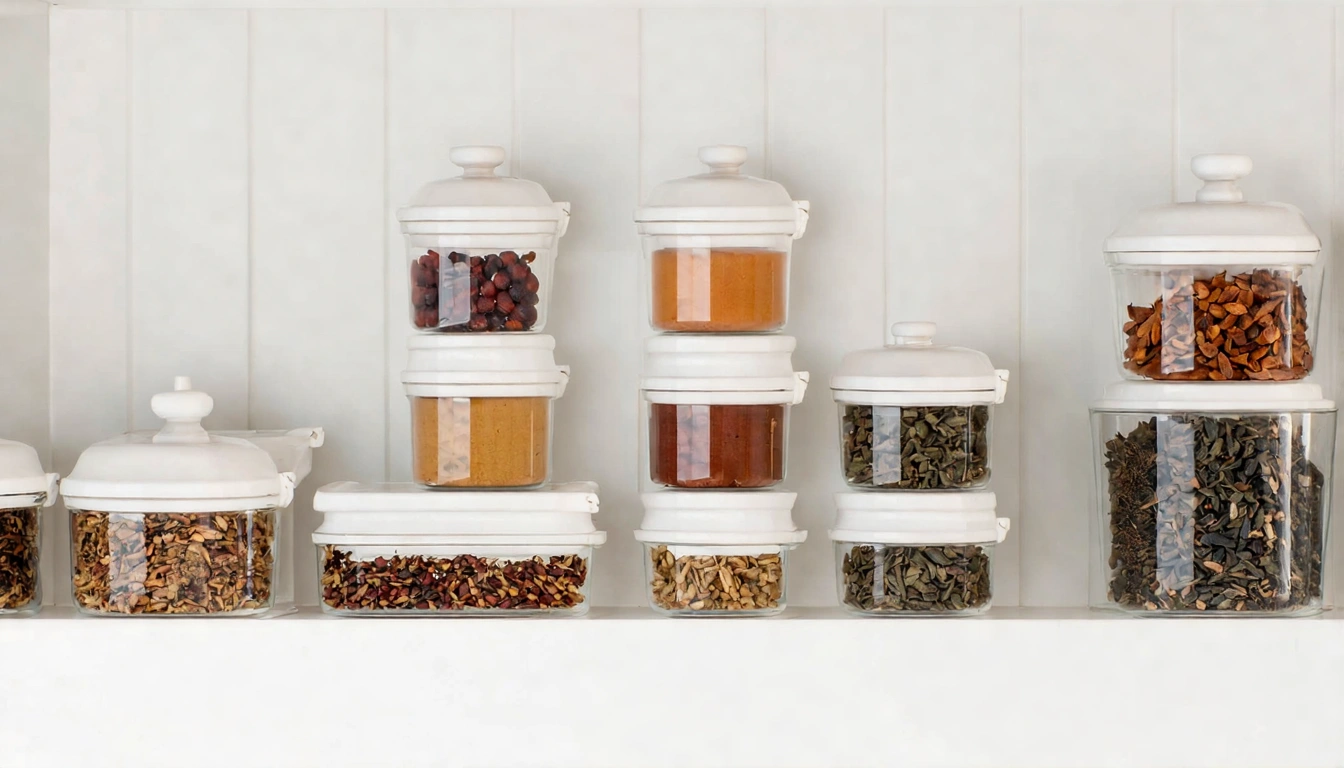
Unopened Tea
Unopened tea is relatively stable under the protection of sealed packaging, but the following points still apply:
- Store in a cool, shaded location (not the kitchen, not a windowsill)
- Good room temperature storage life: light and floral teas 1-2 years, roasted teas 2-3 years
- If space allows, refrigeration can extend shelf life to 3-5 years (unnecessary for roasted teas)
Opened Light and Floral Teas
Light and floral teas (Sijichun, Jin Xuan, Wenshan Baozhong, Alishan Oolong, Shanlinxi tea, etc.):
| Storage Method | Recommended Duration | Notes |
|---|---|---|
| Sealed at room temperature | 1-2 months | Away from light, heat sources, and odors |
| Refrigerated | 3-6 months | Must be completely sealed; let return to room temperature (~30 min) before opening |
| Frozen | 1-2 years | Requires multiple sealing layers; only suitable for large quantities for long-term storage |
Critical step for refrigeration: After removing tea from the refrigerator, do not open it immediately. Wait until the bag’s exterior temperature matches room temperature (approximately 20 to 30 minutes) before opening. Opening while still cold causes atmospheric moisture to rapidly condense on the tea leaves, causing dampness.
Opened Roasted Teas and Pu-erh
- Dong Ding Oolong (roasted), aged tea: Sealed at room temperature is sufficient; refrigeration is unnecessary
- Pu-erh tea: Needs a “breathing” environment; avoid over-tight sealing; store in breathable cotton paper or ceramic jars
- Taiwanese black tea: Sealed at room temperature; best consumed within 2-3 months
Nantou County accounts for 48.9% of Taiwan’s tea garden area and Chiayi County for 14.1% (Source: Ministry of Agriculture, 2024). These two major producing regions supply the largest share of Taiwan’s oolong tea, and teas from different regions have subtle storage differences.
Over years of serving customers at ChaYanSo, we found that many customers buy Alishan high mountain tea and then hesitate to drink it, letting it sit for months. By the time they reopen it, the aroma has faded significantly. We now proactively remind everyone: “Great tea should be enjoyed while fresh — within two months of opening is the optimal tasting window.” This simple reminder has dramatically improved the tasting experience for many returning customers.
Can You Store Tea in the Refrigerator? (Detailed Guide)
This is the most confusing question. The answer is: Yes, but with strict prerequisites, and not all teas are suitable.
Teas Suitable for Refrigeration:
- Light and floral green tea (Taiwanese green tea)
- Light and floral oolong (Alishan, Shanlinxi, Lishan high mountain teas)
- Sijichun, Jin Xuan (light and floral versions)
- Wenshan Baozhong tea
These teas’ aromatic compounds volatilize much more slowly at low temperatures, so refrigeration effectively extends their aroma freshness. Taiwanese export tea unit prices are approximately 6.5 times those of imported tea (Source: Ministry of Agriculture Trade Statistics, 2024), reflecting Taiwanese tea’s value — proper storage becomes even more important.
Teas That Do Not Need Refrigeration (Room Temperature Is Fine):
- Roasted oolong (Dong Ding roasted, aged Tieguanyin)
- Taiwanese black tea, honey black tea, Ruby black tea (No. 18)
- Pu-erh tea, aged tea
- Oriental Beauty tea (heavily oxidized versions)
These teas are already stabilized through their processing, so refrigeration offers no significant benefit, and improper refrigeration can actually introduce moisture.
3 Key Steps for Refrigeration:
- Seal completely (press air out of zipper bags before sealing, or use an airtight canister)
- Store separately in the refrigerator, not directly adjacent to other foods
- Let it return to room temperature before opening (never open while still cold)
Storage Container Comparison (Pros and Cons at a Glance)
| Container Type | Advantages | Disadvantages | Suitable Teas |
|---|---|---|---|
| Tin Sealed Canister | Excellent light-blocking, good seal, durable | More expensive | All teas |
| Ceramic Tea Jar | Moderate breathability, maintains humidity | Incomplete light-blocking, needs dark storage | Pu-erh, roasted teas |
| Glass Sealed Jar | Can observe tea leaf condition | No light-blocking, needs dark storage | Short-term storage, all teas |
| Food-Grade Aluminum Foil Bag | Good light-blocking, lightweight, can expel air | Not durable, needs to be clamped | All teas (for transfer after opening) |
| Regular Zipper Bag | Cheap, convenient | Average seal, possible plastic odor | Short-term 1 week (transitional use) |
| Regular Plastic Bag | — | Poor seal, odor issues | Not recommended |
Our recommendation: ChaYanSo’s most recommended combination is: tin sealed canister (for daily use) + aluminum foil zipper bag (for long-term refrigerated storage). The former offers excellent light-blocking and sealing for direct access in the living room; the latter, once air is expelled and sealed, can be refrigerated for long-term preservation. Our own shop manages tea inventory this way, ensuring every customer receives tea in optimal condition.
At ChaYanSo, we once conducted an internal experiment: we split the same batch of Alishan oolong into three portions, storing them for 30 days under sealed room temperature, sealed refrigerated, and unsealed room temperature conditions before comparing through tasting. The unsealed room temperature portion had almost completely lost its floral aroma, while the sealed refrigerated portion retained the highest aroma level, barely different from when it was first opened. This experiment reinforced our conviction: sealing is the single most important first step in tea storage.
Now that you have learned proper storage, come choose some great tea. Shop ChaYanSo
FAQ: Common Tea Storage Questions
What should I watch out for when storing tea in the refrigerator?
The most critical factors are “complete seal” and “letting it return to room temperature before opening.” After removing tea from the refrigerator, wait 20 to 30 minutes at room temperature until there is no longer condensation on the bag’s exterior before opening. Opening while still cold causes large amounts of moisture to condense instantly on the tea leaves, causing dampness and ruining tea quality.
Can you still drink expired tea?
Expired tea is generally safe, but its aroma and flavor may have diminished significantly. Assessment criteria: no mold spots visible, no off-odors or musty smell when sniffed, no off-flavors in the brewed liquor — tea meeting all three criteria can still be consumed (though quality may not match when it was fresh). If there is obvious dampness or mold, do not drink it.
How long can opened tea still be consumed?
Light and floral oolong, Sijichun, Jin Xuan: Sealed room temperature storage recommended within 2 months; sealed refrigerated can extend to 6 months. Roasted teas: Sealed room temperature for 3-6 months. Black teas: Sealed room temperature for 2-3 months. Beyond these periods, tea is still drinkable, but aroma and freshness will have declined.
Further Reading
- Tea Buying Guide for Beginners: 5 Questions to Find Your Perfect Taiwanese Tea
- Taiwanese Tea Starter Recommendations: Best Teas for Beginners and Young Adults
- Tea Grades and Competition Tea Complete Guide
- Budget Taiwanese Tea Recommendations: NT$300-800 Quality Teas Compared
- Alishan Tea Complete Guide: Storage and Buying for Taiwan’s Most Popular High Mountain Tea
References
- Taiwan Tea Research and Extension Station (2023). Effects of storage conditions on tea quality.