
Tea Buying Guide 2026 | A Must-Read for Beginners! How to Choose, Store, and Judge Quality — All in One Guide
You walk into a tea specialty shop. Dozens of teas line the shelves, with packages labeled “Grand Prize,” “Competition Tea,” “High Mountain Oolong”… and you have no idea where to begin.
This feeling is completely normal. The world of Taiwanese tea is indeed rich and complex. But choosing tea really comes down to answering five questions — aroma preference, caffeine needs, brewing method, budget, and purpose. Once you figure these out, you can quickly narrow down dozens of teas to the one that suits you best.
Taiwan’s annual tea production is approximately 16,000 to 17,000 tonnes, with over 50 tea varieties available on the market. For beginners, the sheer number of options can be overwhelming (Source: Ministry of Agriculture Annual Statistics, 2024). This guide was written to solve that exact problem.
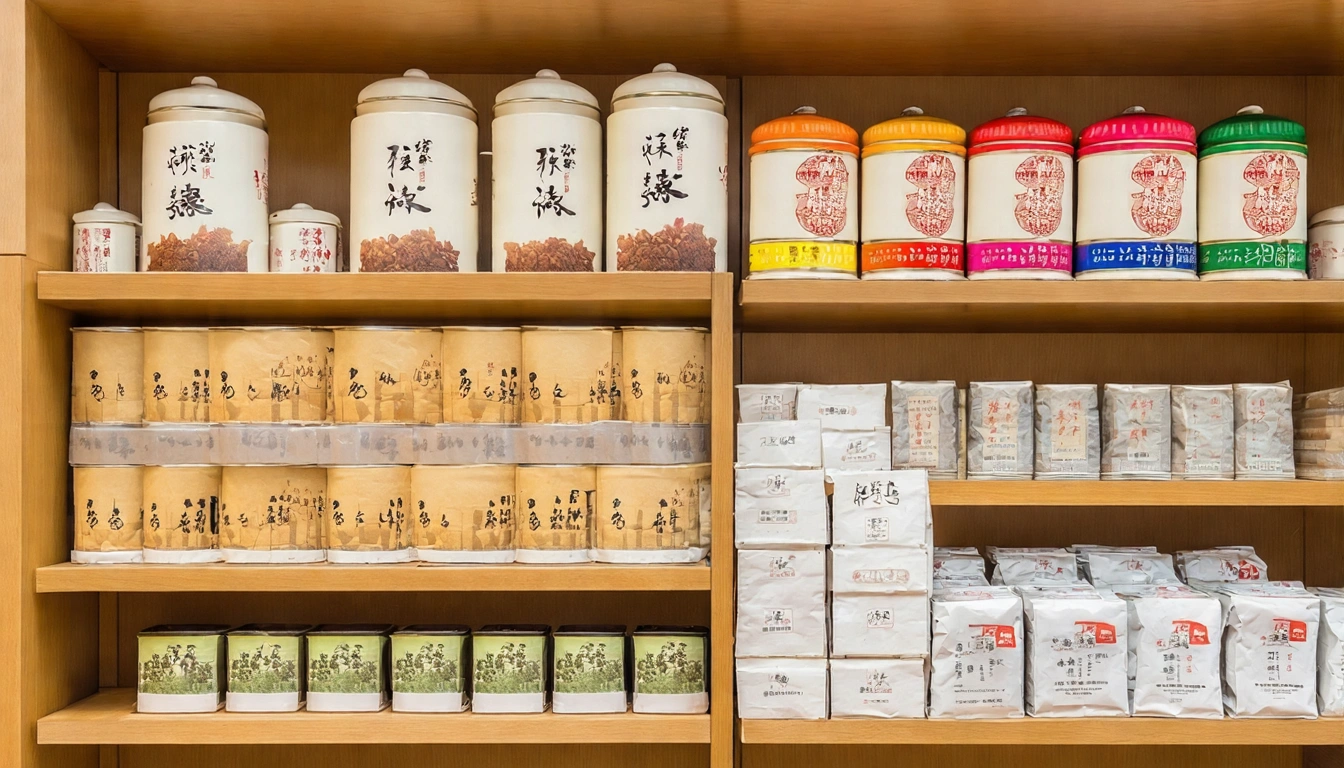
TL;DR: Choosing tea requires just 5 questions: aroma, caffeine, brewing method, budget, and purpose. Taiwan’s annual tea production is approximately 16,000 tonnes (Ministry of Agriculture, 2024). Best starter teas: Sijichun (light, floral, affordable) or Jin Xuan (milky aroma, easy to love). Storage: sealed, away from light, far from strong odors. Grades: First Prize and above indicates premium quality.
Not sure which tea to pick? Start here. ChaYanSo Beginner’s Selection
How Should Tea Beginners Get Started? (5 Questions to Help You Choose)
With over 50 tea varieties on the Taiwanese market, guessing or relying on packaging alone makes it nearly impossible to find the right one. But after answering these 5 questions, you can narrow your options down to 2 or 3 candidates.
Question 1: Do you prefer light and floral or rich and robust?
This is the most fundamental question in tea selection. Light and floral teas include Alishan Oolong, Sijichun, and Wenshan Baozhong — they are refreshing with pronounced floral notes. Rich and robust teas include Dong Ding Oolong, Aged Tieguanyin, and roasted high mountain teas — they have a full-bodied mouthfeel with a lingering finish. If you typically drink green tea or bubble tea (the refreshing route), we recommend starting with light and floral types.
Taiwan has approximately 12,000 hectares of tea gardens producing about 14,000 tonnes annually, with oolong tea making up the largest share. Nantou County accounts for 48.9% and Chiayi County for 14.1% of national production, with the two counties combined producing over 60% of all Taiwanese tea (Source: Ministry of Agriculture Annual Statistics, 2024).
At ChaYanSo, we have served thousands of first-time tea buyers and found that about 70% of beginners are initially drawn to “light and floral” types, especially Sijichun’s fresh floral aroma. We typically recommend beginners start with Sijichun or Jin Xuan, establish a baseline, and then explore other tea varieties from there.
Question 2: Do you need low caffeine?
Caffeine content varies widely among Taiwanese teas. Regular oolong tea contains about 30 to 50mg of caffeine per cup, black tea slightly more, while Oriental Beauty and aged teas (aged roasted varieties) are relatively lower. If you want to drink tea in the afternoon without worrying about insomnia, consider more heavily roasted teas, or choose Taiwanese specialty low-caffeine tea varieties.
Question 3: Will you primarily hot-brew or cold-brew?
Cold-brew tea has become popular in recent years, but not all teas are suitable. Sijichun, Jin Xuan, Wenshan Baozhong, and Alishan Oolong are all excellent for cold brewing (refreshing without bitterness). Roasted teas and heavily oxidized teas are better hot-brewed (heat is needed to bring out the roasted aroma).
Question 4: What is your budget?
Taiwanese tea prices span a very wide range:
| Budget (per catty/600g) | Suitable Teas | Quality Expectations |
|---|---|---|
| NT$300-600 | Sijichun, Jin Xuan tea bags, Songboling tea | Daily drinking, stable light aroma |
| NT$600-1,500 | Dong Ding Oolong, Wenshan Baozhong, Honey Black Tea | Balanced quality, good for regular drinking |
| NT$1,500-4,000 | Alishan tea, Shanlinxi tea, Lishan tea | High mountain floral aroma, noticeable sweet aftertaste |
| NT$4,000+ | Premium Lishan, Dayuling tea, competition teas | Top-tier aroma, ideal for collecting or gifting |
Question 5: Personal use or gifting?
For personal use, prioritize value and personal taste preferences. For gifts, consider packaging, grade markings (First Prize or above), name recognition (Alishan and Lishan are readily accepted by older generations), and whether there is clear origin information to reassure the recipient.
How to Identify Taiwanese Tea Grades (Complete Illustrated Guide)
The Taiwanese tea grading system is one of the most important reference points for choosing tea, but many people see “Grand Prize” and assume it is the best — which is not always the case.
The Taiwanese Tea Competition System
Tea competitions in Taiwan are regularly organized by local farmers’ associations, the Tea Research and Extension Station, and county/city agricultural agencies. Judging criteria include four dimensions: appearance, aroma, tea liquor color, and taste (Source: Council of Agriculture Tea Research and Extension Station, 2024).
| Grade | Description | Suitable Occasions |
|---|---|---|
| Grand Prize | Highest competition honor, top 1-3 in the batch | Premium gifting, collecting |
| First Prize | Second tier, typically multiple groups | Quality gifting, tea enthusiasts |
| Excellence Award | Third tier, good quality | Daily tea enjoyment, general gifts |
| Merit Award | Fourth tier, acceptable quality | Daily drinking |
| No Award | Commercial tea, did not enter or did not win | Daily drinking (does not mean poor quality) |
Key Reminder: Competition teas are not available every season, and many excellent farmers do not enter competitions, so teas without awards are not necessarily inferior. Finding a trustworthy tea merchant or farmer is more important than chasing medals.
Tea competitions in Taiwan are co-organized by regional farmers’ associations and the Tea Research and Extension Station. Standard evaluation cups are used, with ball-shaped teas steeped for 6 minutes before evaluating aroma, liquor color, taste, and spent leaves. After grading, the organizing body affixes official competition tea seals (Source: Tea and Beverage Crops Research and Extension Station Evaluation System, 2024).
For a complete breakdown of tea grades, see Tea Grades and Competition Tea Complete Guide.
2026 Taiwanese Tea Recommendations for Beginners
Different taste preferences call for different starter teas. Here are recommendations organized by aroma type:
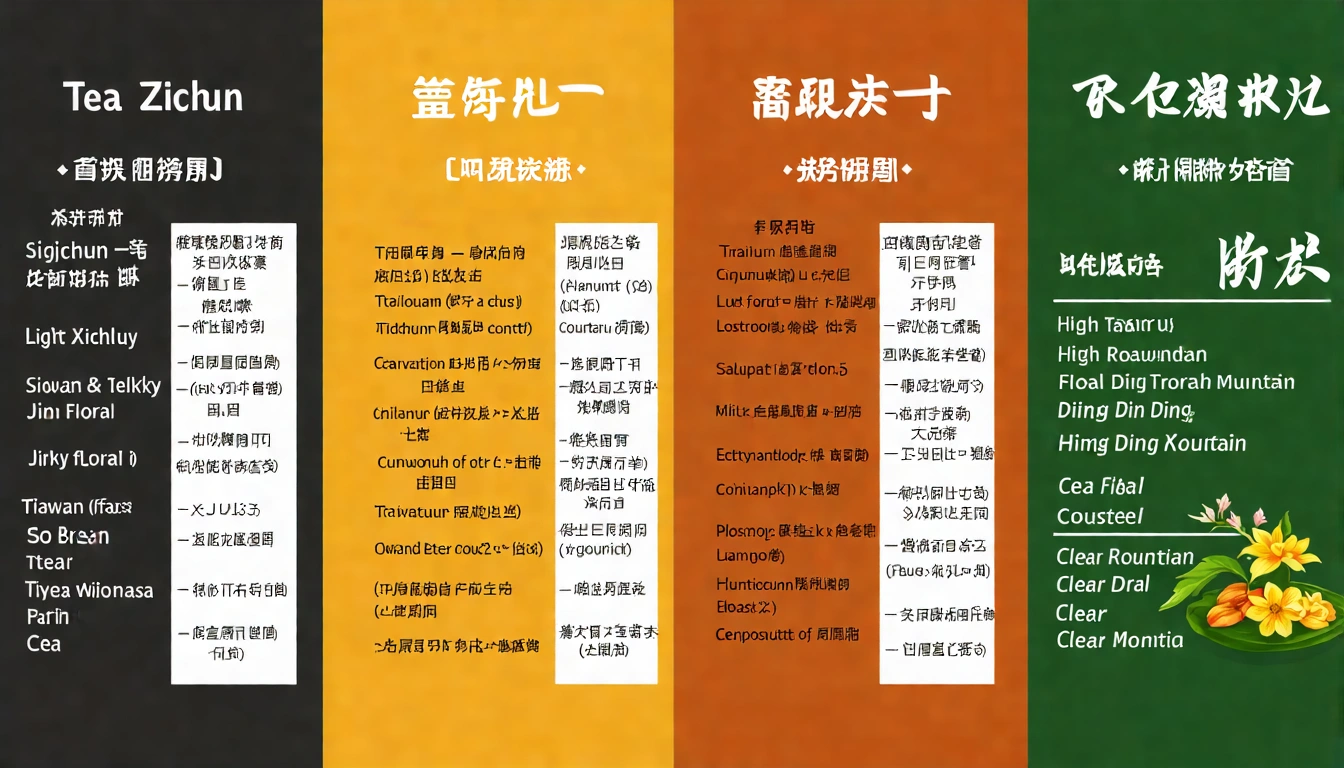
| Tea | Aroma | Caffeine | Taste | Best For | Price Reference (per catty) |
|---|---|---|---|---|---|
| Sijichun | Light floral | Medium | Light, no astringency | First-time Taiwanese tea drinkers, cold-brew lovers | NT$300-600 |
| Jin Xuan | Natural milky aroma | Medium | Rounded, sweet | Those unaccustomed to tea astringency, milk tea lovers | NT$400-800 |
| Wenshan Baozhong | Elegant floral | Medium | Closest to green tea | Japanese tea drinkers | NT$500-1,200 |
| Honey Black Tea | Lychee honey aroma | Higher | Sweet, low astringency | Red tea and sweet flavor lovers | NT$600-1,500 |
| Alishan Oolong | Cool high mountain floral | Medium | Sweet with lingering aftertaste | Intermediate beginners, high mountain tea fans | NT$800-2,000 |
| Dong Ding Oolong | Ripe fruit roasted aroma | Medium | Full-bodied, mellow | Traditional Taiwanese tea style lovers | NT$500-2,000 |
In my years at ChaYanSo, the starter tea with the highest repurchase rate has consistently been Jin Xuan — because that natural milky aroma gives young people accustomed to sweetened beverages an immediate “This is delicious!” reaction, rather than a bitter-then-sweet challenge. This is the best starting point for falling in love with Taiwanese tea.
Further reading: Taiwanese Tea Starter Recommendations | Best Teas for Beginners, Young Adults, and Women.
Proper Tea Storage Methods (Detailed Guide)
Research shows that tea leaves exposed to air for more than 48 hours can lose 20 to 30% of their aromatic compounds (primarily terpene volatiles). When exposed to direct sunlight, catechin degradation occurs at 3 to 5 times the rate of normal storage conditions (Source: Taiwan Tea Research and Extension Station, 2023).
Buy great tea, store it improperly, and it can lose its essence within days.
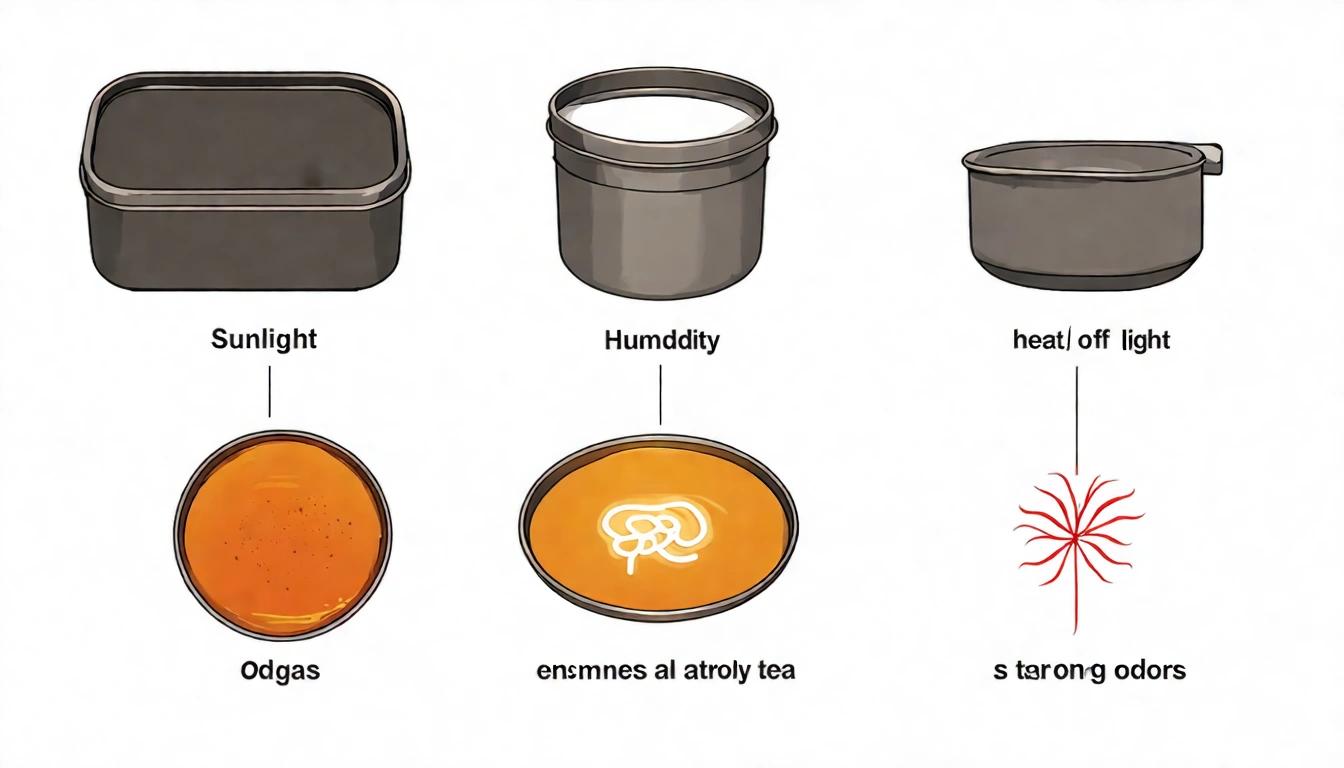
The Four Enemies of Tea:
- Light: UV rays in sunlight accelerate tea oxidation, causing aroma loss and tea liquor darkening
- Heat: High temperatures promote chemical reactions, accelerating tea “aging”
- Moisture: Taiwan’s humid climate means tea easily absorbs water, leading to dampness and mold
- Odors: Tea leaves are natural odor absorbers, easily picking up cooking fumes, spices, and other ambient smells
Proper Storage After Opening:
- Immediately transfer to an airtight container (tin canister or sealable zipper bag)
- Store in a cool, dry place away from the kitchen
- Light and floral teas (Sijichun, Alishan Oolong): can be refrigerated, but must be completely sealed — let the package return to room temperature before opening
- Roasted teas, pu-erh tea: room temperature storage is fine; refrigeration is unnecessary
For a more detailed storage guide, see Complete Guide to Tea Storage.
Great tea deserves proper storage — start by choosing great tea. Browse ChaYanSo Teas
Can You Still Drink Expired Tea?
This is one of the most common questions about buying tea. The answer is: Expired tea is usually safe, but quality may have declined.
Three Indicators to Assess Tea Condition:
- Appearance: Has the tea become damp, clumped, or moldy? If you see mold spots or unusual dampness, do not drink it
- Smell: Does the dry tea have off-odors or musty smells? Normal tea, even past expiration, should still smell clean (just lighter)
- Brewed liquor color: If the liquor is abnormally dark or has off-flavors, do not force it
Alternative Uses for Expired Tea:
Tea that has lost its aroma but looks normal can be repurposed:
- Odor absorber (place in a cloth bag in the refrigerator or shoe cabinet)
- Foot soak water (antibacterial, relieves fatigue)
- Plant fertilizer (tea contains organic matter that can be mixed into soil)
Budget vs. Premium Tea: Is It Worth Spending More?
Not every cup of tea needs to be top quality. Understanding tea pricing logic helps you make the right decision every time.
Key Factors Affecting Tea Prices:
- Altitude: High mountain tea (above 1,000 meters) grows slowly with fewer harvests per year, increasing costs
- Picking method: Hand-picking costs 3 to 5 times more than machine harvesting
- Processing: Traditional master craftsman methods are more time-consuming with higher labor costs
- Competition certification: Competition teas have additional entry costs and command a premium
Smart Choices for Different Budgets:
Taiwanese tea export unit prices are approximately 6.5 times those of imported tea, demonstrating that Taiwanese tea competes on quality. Even affordable Sijichun or Jin Xuan teas are far superior in quality to imported teas at the same price point (Source: Ministry of Agriculture Trade Statistics, 2024).
Daily use (limited budget): Sijichun, Jin Xuan, Songboling Evergreen Tea, and other lowland teas. While they may not match high mountain tea aromas, they are refreshing and enjoyable without being precious about every pot.
Connoisseur grade (to experience the essence of Taiwanese tea): Spring and autumn teas from Alishan, Shanlinxi, and Lishan in the NT$1,500-4,000 per catty range, with distinct high mountain floral aromas, lingering sweetness, and a worthwhile experience.
Gifts or special occasions: First Prize or higher competition teas, or premium Lishan or Dayuling selections. Beautifully packaged with guaranteed quality, leaving a lasting impression on the recipient.
For more information on affordable teas, see Budget Taiwanese Tea Recommendations.
Where to Buy Tea at the Best Value? (Platform Comparison)
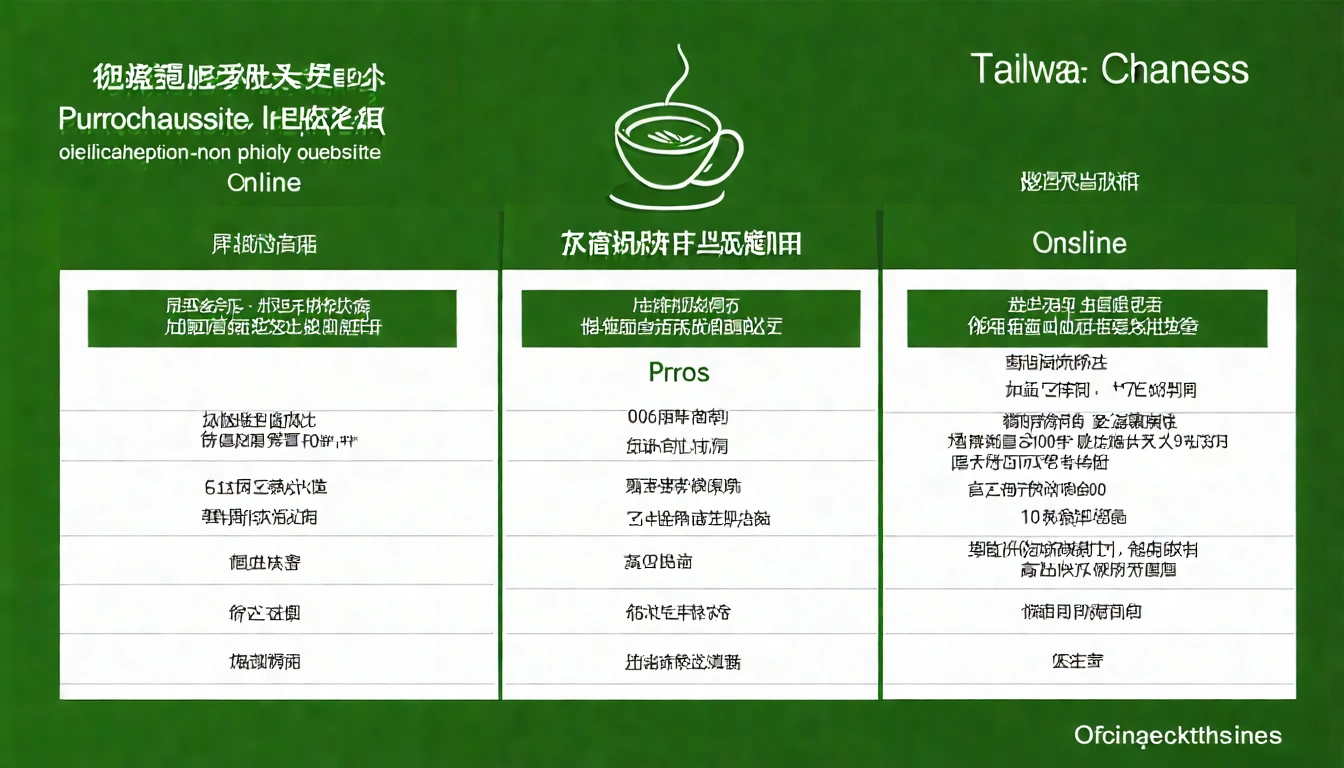
| Purchase Channel | Advantages | Disadvantages | Best For |
|---|---|---|---|
| Official Website | Buy directly from tea farmers/brands, most transparent quality | Requires some familiarity with the brand | Repurchasing from known brands |
Qingxin Oolong is Taiwan’s most widely planted cultivar (accounting for approximately 60-70%), followed by Jin Xuan, with Sijichun ranking fifth. Checking cultivar labels when purchasing helps assess the tea’s fundamental quality characteristics (Source: Tea and Beverage Crops Research and Extension Station Cultivar Statistics, 2024). | Shopee/Online Marketplaces | Competitive pricing, wide variety | Difficult to verify authenticity, troublesome returns | Low-budget exploration | | Physical Tea Shops | Tasting available, direct comparison | Location-dependent, time-consuming | First-time buyers, special needs | | Farmers’ Associations, Direct Sales | Clear sourcing, competition teas guaranteed | Limited variety, less convenient purchasing | Buying specific competition teas |
Based on consumer feedback, the proportion of counterfeit “Lishan tea” on Shopee far exceeds genuine products — because real Lishan tea farmers cannot possibly sell at less than NT$2,000 per catty, yet the platform is flooded with “Lishan tea” priced under NT$1,000. When shopping online, transparent branding and traceable origin information are the most important reference points.
Found a tea you like? Shop directly at ChaYanSo. Shop Now
FAQ: Common Tea Buying Questions
Can you still drink expired tea?
Tea past its best-by date is generally safe to consume, but aroma and flavor will have diminished over time. Opened tea is best consumed within 2 months; unopened sealed packages can be stored at room temperature for 1 to 2 years, or refrigerated for 3+ years. If you find the tea has become damp, has mold spots, or smells off, it should not be consumed.
What is the best way to store tea?
The four principles are: sealed, away from light, dry, and away from strong odors. Light and floral teas (Sijichun, Alishan Oolong) can be refrigerated, but must be completely sealed. Allow the package to return to room temperature before opening to prevent condensation. Roasted teas and pu-erh teas can be stored sealed at room temperature.
What tea is best for beginners?
Sijichun and Jin Xuan are the two best starter Taiwanese teas. Sijichun is refreshing without astringency, naturally aromatic, and great for cold brewing too. Jin Xuan has a natural milky aroma that is very approachable for those unaccustomed to tea astringency. Both offer great value, making them an ideal starting point before exploring more Taiwanese tea varieties.
Is a higher tea grade always better?
Not necessarily. Tea grades (such as Grand Prize, First Prize) are the results of competition evaluations, representing relative quality within the same batch — not an absolute standard. Many excellent farmers do not enter competitions, and their teas can be equally outstanding. Finding a trustworthy tea merchant and understanding the tea’s origin, cultivar, and processing is more reliable than chasing medals alone.
Where can I buy affordable Taiwanese tea at the best value?
Farmers’ association direct sales centers, agricultural product exhibitions, or purchasing directly from tea farmer brands’ official channels are typically the best value options. Sijichun and Jin Xuan at NT$300-600 per catty from reliable tea merchants are perfectly adequate for daily drinking. Avoid purchasing teas labeled “High Mountain Tea” or “Lishan Tea” at extremely low prices from unverified online marketplace sellers.
At ChaYanSo, we have always believed that great tea does not have to be expensive. Our starter Sijichun and Jin Xuan are sourced directly from Nantou local tea farmers, cutting out middleman markups. Many customers tell us that the quality they get at ChaYanSo for the same budget is far better than what they find on e-commerce platforms — this is precisely the advantage of direct brand sales.
References
- Ministry of Agriculture (2024). Annual Agricultural Statistics: Taiwan Tea Production and Sales.
- Council of Agriculture Tea Research and Extension Station (2024). Taiwan Tea Evaluation System Guide.
- Taiwan Tea Research and Extension Station (2023). Tea Storage Conditions and Quality Research Report.
- Complete Guide to Tea Storage
- Taiwanese Tea Starter Recommendations
- Budget Taiwanese Tea Recommendations
- Tea Grades and Competition Tea Complete Guide