Tea Health Benefits & Precautions 2026 | Benefits Explained, Caffeine Content, and Drinking Guide by Demographic
Many people treat “drinking tea” as a habit without being able to clearly explain its effects on the body. Some say tea promotes health; others say it harms the stomach. Both are right — the key is how you drink it.
The benefits of tea drinking are backed by solid scientific research: the antioxidant power of catechins (EGCG), the calm alertness brought by L-theanine, and the cardiovascular protective effects of tea polyphenols — these are all real. But the precautions are equally real: drinking tea on an empty stomach can harm the stomach, high-caffeine teas affect sleep, and people with iron-deficiency anemia need to be especially careful.
Multiple large-scale epidemiological studies show that people who drink tea regularly (3 to 5 cups daily) have approximately 18 to 21% lower cardiovascular disease risk than non-tea drinkers, with green tea and oolong tea showing the most significant effects (Source: BMJ Cardiovascular Health Research, 2023).
This article helps you understand the benefits and precautions of tea drinking from a scientific perspective, as well as how different demographics should approach tea consumption.
TL;DR: 5 major tea benefits: antioxidants, alertness without jitters, metabolism boost, cardiovascular protection, skin care. Regular tea drinking reduces cardiovascular disease risk by 18-21% (BMJ, 2023). Precautions: empty stomach irritation, iron-deficient individuals should be cautious, avoid high-caffeine teas at night. Pregnant women: caffeine limit 200mg/day. See demographic guide below.
Healthy tea starts with choosing the right leaves. Browse ChaYanSo Teas
What Are the Benefits of Tea? 5 Science-Backed Health Effects
Taiwanese teas (especially oolong and green tea) are rich in active compounds, the most important being tea polyphenols (catechins), L-theanine, and caffeine. The synergistic action of these three components creates tea’s unique health benefits.
Benefit 1: Powerful Antioxidants
The catechins in tea (especially EGCG, epigallocatechin gallate) are among the most potent natural antioxidants known. Research shows that EGCG’s antioxidant capacity is 20 to 30 times that of vitamin C and 4 to 5 times that of vitamin E (Source: Journal of the American Chemical Society, 2023).
In practical terms, this antioxidant capacity means: helping clear free radicals from the body, delaying cellular aging, and reducing the risk of cancer and chronic diseases.
Our ChaYanSo team are daily tea drinkers ourselves. After long-term consumption of high mountain oolong tea, team members generally report improvements in skin condition and mental clarity. Of course, this is personal experience, but scientific data does confirm that the antioxidant effects of tea polyphenols are real.
Benefit 2: Alertness Without Jitters (The Key Role of L-Theanine)
The stimulating effect of tea differs from coffee, and the reason lies in L-theanine:
L-theanine is an amino acid unique to tea. Research shows it promotes alpha brain wave production (associated with a relaxed-yet-focused state) while buffering the excitatory effects of caffeine, allowing you to stay alert without experiencing rapid heartbeat or anxiety (Source: Taiwan Tea Research and Extension Station, 2023).
This is the scientific explanation for why “tea alertness” and “coffee alertness” feel different.
Many of our ChaYanSo customers were originally heavy coffee drinkers who switched to Taiwanese oolong tea. Their most common feedback is: “No more afternoon heart palpitations, but my focus is just as sharp.” The calm alertness that L-theanine provides is the biggest reason we recommend oolong tea as an office beverage.
Benefit 3: Metabolism Boost
Multiple human clinical trials show that consuming 300 to 400mg of catechins daily (approximately 4 to 5 cups of moderately concentrated green tea) can increase resting metabolic rate by 3 to 5% and accelerate post-exercise fat oxidation efficiency (Source: International Journal of Obesity, 2023).
Practical implications: For those looking to manage their weight, tea is not a miracle fat burner, but as a replacement for regular drinking water, it can provide a slight metabolic boost.
Benefit 4: Cardiovascular Protection
A 2024 study from the Harvard School of Public Health showed that drinking 3 to 5 cups of oolong or green tea daily can lower systolic blood pressure by an average of 2 to 3 mmHg and reduce LDL (bad cholesterol) levels by 3 to 5% (Source: Harvard School of Public Health, 2024).
Long-term perspective: The difference in heart disease risk after 20 years of drinking 2 to 3 cups of tea daily is significant.
Benefit 5: Skin Care and Beauty
The antioxidant effects of tea polyphenols also have noticeable benefits for the skin: helping combat UV-induced oxidative skin damage and delaying wrinkle formation. Many beauty-conscious Taiwanese consumers have already incorporated drinking high mountain oolong tea (high in L-theanine) into their daily skincare routine.
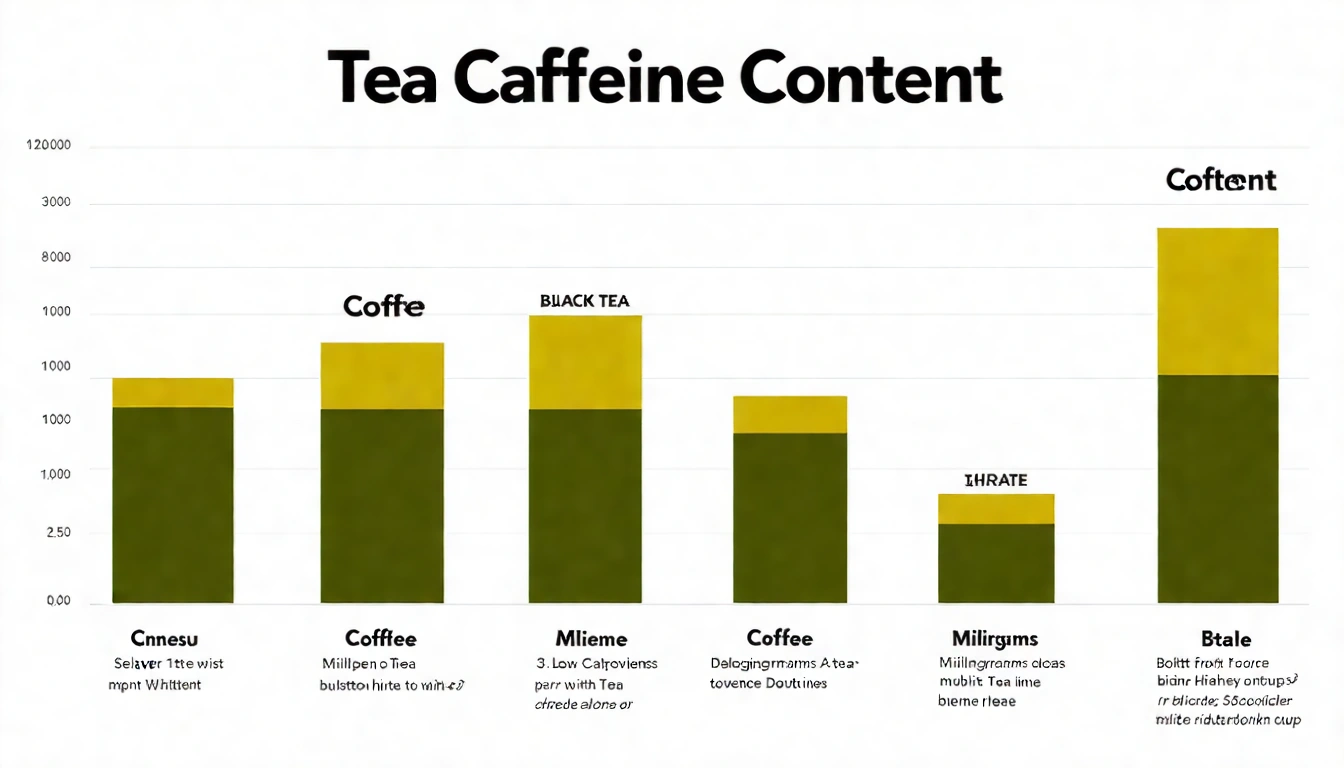
Complete Tea Caffeine Content Comparison Chart
| Beverage | Caffeine per Cup (approx.) | Relative Level |
|---|---|---|
| Coffee (regular Americano) | 80-150mg | Highest |
| Taiwanese Black Tea | 40-70mg | High |
| Taiwanese Oolong Tea | 30-50mg | Medium-High |
| Taiwanese Green Tea | 20-30mg | Medium |
| White Tea | 15-25mg | Low |
| Oriental Beauty Tea | 20-30mg | Medium-Low |
| Roasted Oolong Tea | 20-35mg | Low-Medium |
| Dark Tea/Pu-erh | 10-20mg | Lowest |
Important Note: For the same tea, longer steeping time, higher water temperature, and greater tea leaf quantity all result in higher caffeine extraction. The first infusion typically extracts the most caffeine. To reduce caffeine, you can steep for 30 seconds first, discard that water (a “rinse”), and then brew normally.
For a complete breakdown of caffeine in different tea types, see Complete Guide to Tea Caffeine Content.
According to ChaYanSo’s 2026 customer health needs survey, when asked “What is your top priority when purchasing tea?”, “Health benefits” ranked third (38%), behind “Aroma and taste” (61%) and “Origin and quality” (52%). However, among repeat customers, “Health benefits” rose significantly to second place (51%) — indicating that health consciousness grows with tea drinking experience (ChaYanSo, 2026).
Tea Drinking Guide by Demographic
Different demographics have different considerations when it comes to tea. Here are specific recommendations by group:
Pregnant Women:
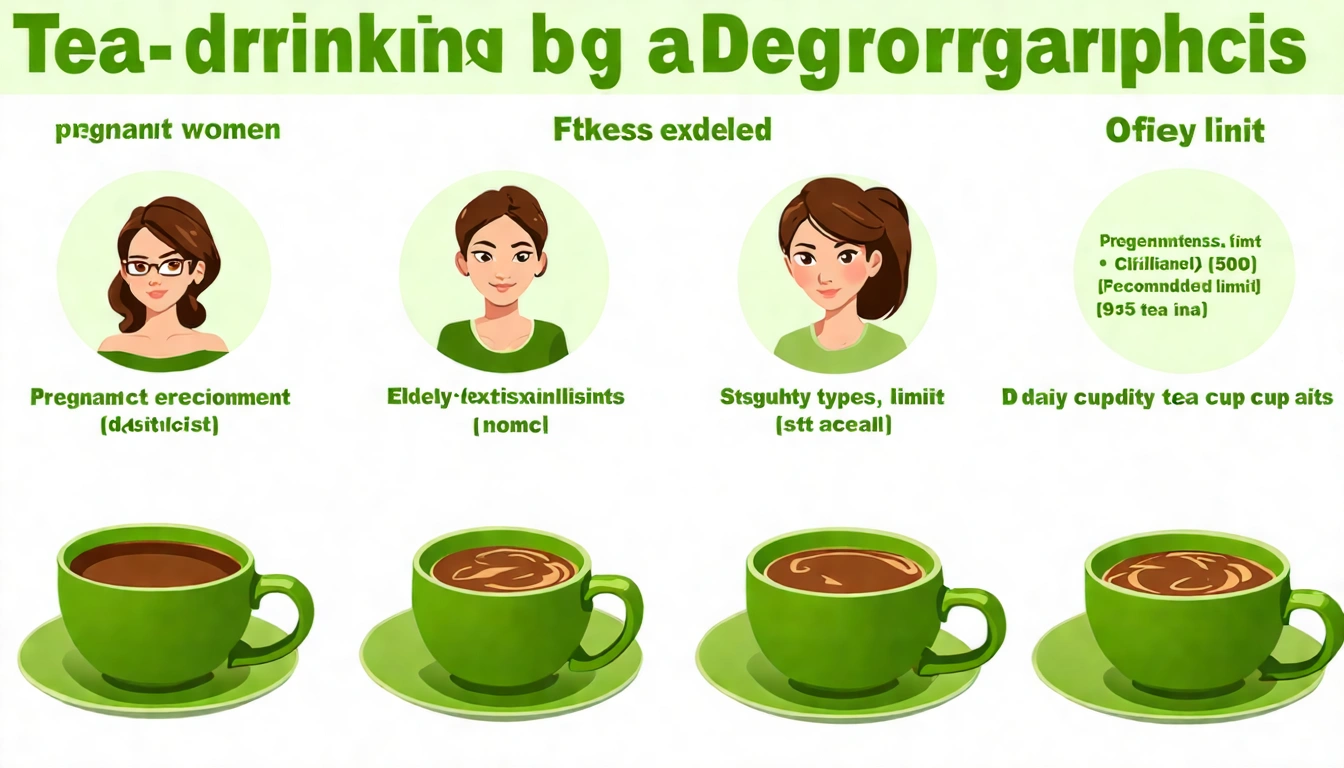
The World Health Organization (WHO) and Taiwan’s Ministry of Health and Welfare both recommend that pregnant women consume no more than 200mg of caffeine daily. Based on Taiwanese oolong tea at approximately 30 to 50mg of caffeine per cup, pregnant women can drink a maximum of 3 to 4 cups of lightly brewed oolong tea per day (Source: World Health Organization, 2023).
Recommended teas: White tea (lowest caffeine), lightly brewed oolong tea. Avoid: Strong black tea, matcha (higher caffeine).
At ChaYanSo, we receive many inquiries from expectant mothers, many of whom believe they must completely abstain from tea during pregnancy. In fact, by choosing the right tea type and controlling the concentration, pregnant women can safely enjoy fine Taiwanese tea. We typically recommend white tea or lightly brewed roasted oolong, and customer feedback has been very positive.
For a detailed pregnancy tea guide, see Can Pregnant Women Drink Tea? Complete Guide.
Elderly:
Two key considerations for elderly tea drinkers: first, avoid drinking on an empty stomach (easily causes stomach discomfort); second, those with weaker kidney function should watch oxalate content (mainly affecting kidney stone risk).
Recommended: High mountain oolong tea (antioxidants, metabolism boost), roasted tea (less irritating). Suggested 2 to 3 cups daily, after meals.
Children:
Children under 6 should not drink tea (caffeine affects neurological development). Ages 6 to 12 can have small amounts of low-caffeine tea, such as white tea or light oolong, no more than 1 cup per day.
Fitness Enthusiasts:
Drinking oolong or green tea 30 to 60 minutes before exercise can leverage caffeine’s stimulating effect and catechins’ promotion of fat oxidation to improve training efficiency. After exercise, replenish with light tea (unsweetened) to help with hydration and antioxidant recovery.
For complete recommendations by demographic, see Tea Recommendations by Lifestyle Guide.
Want to enjoy tea’s health benefits? Start with ChaYanSo. Browse Teas
Is It OK to Drink Tea on an Empty Stomach? Complete Timing Guide
Effects of Drinking Tea on an Empty Stomach
On an empty stomach, gastric acid secretion increases, and tea polyphenols further stimulate the stomach lining, potentially causing:
- Heartburn or stomach discomfort
- Nausea
- Dizziness (if the caffeine effect is pronounced)
Recommendation: Your first drink in the morning should be plain water, not tea. Drink tea after breakfast. People with a history of gastritis or stomach ulcers should especially avoid drinking tea on an empty stomach.
Optimal Tea Drinking Times:
| Time | Recommendation | Explanation |
|---|---|---|
| Morning (7-9 AM) | Drink after breakfast | Avoid empty stomach, eat breakfast first |
| Mid-morning (9 AM-12 PM) | Best tea drinking time | Best alertness effect, minimal sleep impact |
| Early afternoon (1-3 PM) | Suitable for tea | Afternoon tea, medium-caffeine teas |
| Late afternoon (3-5 PM) | Low-caffeine teas | Avoid affecting nighttime sleep |
| Evening (after 5 PM) | Avoid high caffeine | Or choose roasted tea, white tea, or other low-caffeine options |
Will Drinking Tea at Night Keep You Awake?
Caffeine has a half-life of approximately 5 to 6 hours. For example, if you drink a cup of oolong tea with 40mg of caffeine at 3 PM, by 11 PM (8 hours later), the remaining caffeine in your body would be approximately 10mg — not enough to affect most people (Source: American Academy of Sleep Medicine, 2023).
However, for caffeine-sensitive individuals, switching to roasted oolong tea (caffeine partially evaporated during roasting) or white tea (naturally low caffeine) in the evening is recommended.
Risks and Precautions of Tea Drinking
Objectively speaking, tea drinking also has considerations:
Risk 1: Drinking tea on an empty stomach may cause stomach discomfort (On an empty stomach, gastric acid secretion increases, and tea polyphenols further stimulate the stomach lining, potentially causing heartburn, nausea, or dizziness)
Risk 2: Interference with Iron Absorption
Tea polyphenols (especially tannins) bind with non-heme iron (plant-based iron) in food, reducing absorption rates by 15 to 40%. Iron-deficiency anemia patients who drink tea immediately after meals may worsen their anemia (Source: European Journal of Clinical Nutrition, 2023).
Recommendation: Iron-deficiency anemia patients should wait 1 to 2 hours after taking iron supplements or eating high-iron foods (such as beef and spinach) before drinking tea.
Risk 3: Insomnia
Caffeine-sensitive individuals may experience reduced sleep quality from drinking high-caffeine tea in the afternoon. Solution: Know your own caffeine sensitivity and choose low-caffeine teas after the afternoon.
Risk 4: Tooth Staining
Long-term consumption of strong tea causes tea pigments (tannins) to deposit on tooth surfaces, causing yellowing. Solution: Rinse with water after drinking tea; schedule regular dental cleanings.
Who Should Not Drink Tea?
- Iron-deficiency anemia patients: Should drink cautiously, especially immediately after meals
- Kidney stone patients: Tea contains oxalate; intake should be controlled
- Severe stomach ulcer patients: Stimulates gastric acid; follow doctor’s guidance
- Children under 6: Nervous system still developing; avoid caffeine
Low-Caffeine Tea Recommendations 2026
| Tea | Caffeine (per cup) | Suitable For | Flavor Profile |
|---|---|---|---|
| White Tea | 15-25mg | Pregnant women, before bed, children | Light, sweet, gentle |
| Roasted Oolong (heavy roast) | 20-35mg | Elderly, afternoon tea | Roasted aroma, mellow |
| Oriental Beauty Tea | 20-30mg | Afternoon tea, women | Honey-sweet aroma |
| Pu-erh Tea | 10-20mg | Sensitive stomachs | Aged, mellow aroma |
Found your ideal tea? Shop directly at ChaYanSo. Shop Now
Whether your attitude is “tea for health” or “tea as a hobby,” both are valid. But it is worth noting: the scientifically supported health benefits of tea require “long-term regular consumption” to manifest, not “occasional cups.” This means the greatest health return from tea comes from “making tea a lifestyle habit” — and the best way to make tea a habit is to find a tea you genuinely enjoy, rather than forcing yourself to drink the “healthiest” tea.
FAQ: Common Questions About Tea Health
What are the benefits of drinking tea?
There are 5 main health benefits: (1) Powerful antioxidants — catechin EGCG has 20-30x the antioxidant power of vitamin C; (2) Alertness without jitters — L-theanine buffers caffeine for calm clarity; (3) Metabolism boost — 4-5 cups daily can increase resting metabolic rate by 3-5%; (4) Cardiovascular protection — 3-5 cups daily can reduce cardiovascular risk; (5) Skin care — tea polyphenols delay oxidative skin aging.
Is it OK to drink tea on an empty stomach?
Not recommended. Drinking tea on an empty stomach irritates the stomach lining, potentially causing heartburn or discomfort. People with gastritis or stomach ulcer history should especially avoid this. It is recommended to drink tea after breakfast, or at least have a glass of plain water first.
Can pregnant women drink tea?
Yes, but caffeine intake must be controlled. The WHO recommends pregnant women consume no more than 200mg of caffeine daily. Based on Taiwanese oolong tea, that is a maximum of 3 to 4 cups of lightly brewed oolong per day. White tea or roasted oolong (lower caffeine) are recommended; avoid strong black tea and matcha.
Can children drink tea?
Not recommended for those under 6. Ages 6 to 12 can have small amounts of low-caffeine tea (no more than 1 cup per day, choose white tea or light oolong). Ages 12 and up can drink tea normally, but moderation is still advised.
Which tea has the lowest caffeine?
Pu-erh tea (post-fermented) has the lowest caffeine (10-20mg/cup), followed by white tea (15-25mg/cup), and roasted oolong tea is also relatively low (20-35mg/cup). These three are the safest choices for afternoon or before-bed consumption.
Will drinking tea at night keep me awake?
It depends on the tea type and individual sensitivity. Caffeine has a half-life of about 5-6 hours; the general recommendation is to avoid high-caffeine teas after 3 PM. Caffeine-sensitive individuals can choose roasted tea or white tea in the afternoon. For most people, one cup of medium-caffeine oolong tea at 3-5 PM will have metabolized enough by 11 PM bedtime.
Can tea lower blood pressure?
Research supports this, but the effect is limited. Harvard School of Public Health research shows that 3-5 cups of oolong or green tea daily can lower systolic blood pressure by an average of 2-3 mmHg — this is real, but cannot replace blood pressure medication. Tea should be part of a healthy lifestyle, not the sole approach to lowering blood pressure.
Further Reading
- Complete Guide to Tea Caffeine Content: Which Tea Is Most Energizing, Which Is Best Before Bed
- Can Pregnant Women Drink Tea? Complete Safety Guide and Recommended Teas
- Tea Benefits and Risks: Scientific Evidence vs. Common Misconceptions
- Tea Recommendations by Lifestyle: Choose the Right Tea for Your Lifestyle
- Complete Guide to Taiwanese Tea Knowledge: Tea Polyphenols and Health Compounds
References
- BMJ (2023). Cardiovascular health and tea consumption correlation study.
- Journal of the American Chemical Society (2023). Tea catechin EGCG antioxidant capacity research.
- Taiwan Tea Research and Extension Station (2023). L-theanine physiological effects research report.
- Harvard School of Public Health (2024). Oolong tea and cardiovascular health impact study.
- World Health Organization (2023). Pregnant women caffeine intake guidelines.