Are Tea Bag Materials Safe? 2026 Complete Guide: Pyramid Bags, Cotton Muslin, Nylon Mesh — Which Is Safest
What is the bag holding your tea actually made of?
Most people choose tea bags based solely on the tea quality, completely ignoring the material wrapping the leaves. However, the wrong tea bag material can release microplastics at high temperatures, turning your “tea for health” into “drinking microplastics.” The global tea bag market reached approximately US$7.83 billion in 2025 and is projected to grow to US$14.17 billion by 2034 (Fortune Business Insights, 2025), meaning tea bag safety affects an enormous number of consumers.
This article takes a scientific approach to help you compare all common tea bag materials on the market — which ones are safe, which ones to watch out for, and how to read labels to pick tea bags you can feel good about.
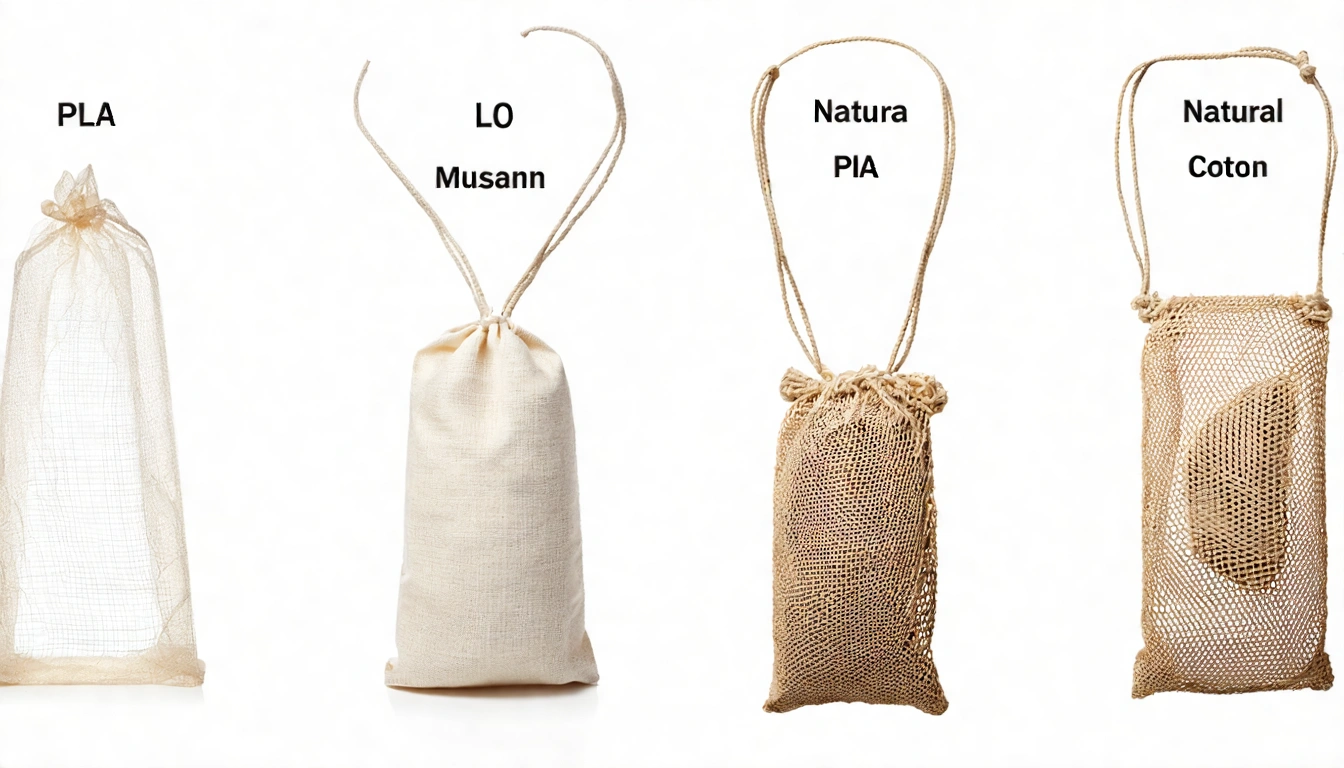
TL;DR: A 2024 study by the Autonomous University of Barcelona found that polypropylene tea bags can release up to 1.2 billion microplastic particles per milliliter during steeping (Barcelo et al., 2024). Safe choices: PLA corn fiber pyramid bags (plant-derived, no petrochemical components), cotton muslin bags (natural fiber), and paper filter bags (wood pulp material). Avoid: polypropylene bags and non-woven bags of unknown origin.
Comparing Tea Bag Materials on the Market
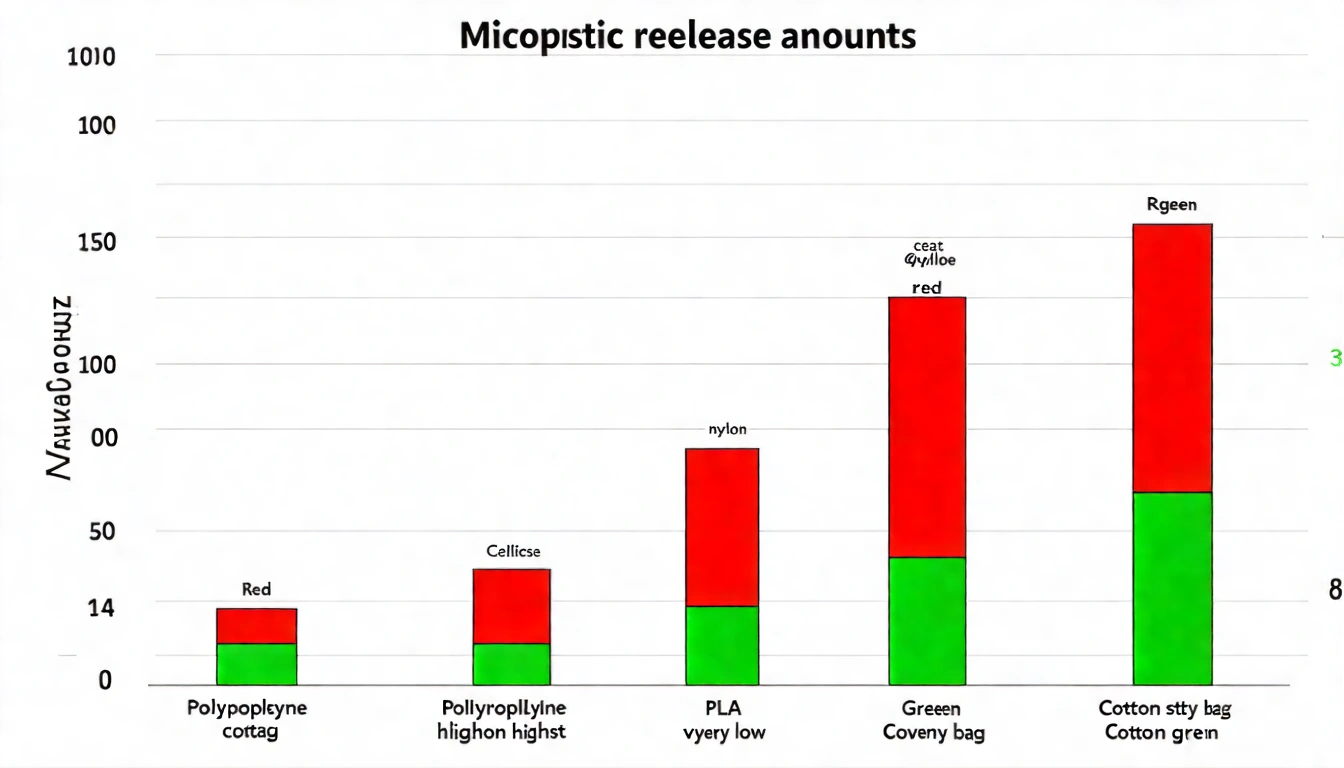
According to a December 2024 study by the Autonomous University of Barcelona, the amount of microplastics released from different tea bag materials during hot water steeping varies dramatically (Barcelo et al., Environmental Science & Technology, 2024):
| Material | Particles Released per mL | Safety Level | Eco-Friendliness | Heat Resistance | Leaf Expansion Space |
|---|---|---|---|---|---|
| Polypropylene (PP) | ~1.2 billion | High risk | Poor | Low | Small |
| Cellulose | ~135 million | Moderate risk | Better | Medium | Small |
| Nylon 6 | ~8.18 million | Moderate risk | Poor | High | Medium |
| PET (Polyester) | Small amount (no plasticizer) | Relatively safe | Poor | 65-85°C | Medium |
| PLA Corn Fiber | Not detected (SGS) | Safest | Excellent | ≥ 80°C | Large (pyramid) |
| Cotton Muslin | Not detected | Safest | Excellent | No limit | Medium |
| Paper Filter | Small amount | Safe | Good | Hot brewing OK | Small |
This research shocked many people: it turns out that every time we drink tea, we might be consuming hundreds of millions of microplastic particles. Even more concerning, a follow-up study by the Autonomous University of Barcelona in 2024 demonstrated for the first time that microplastics released from tea bags can be absorbed by human intestinal cells and enter the bloodstream, spreading to organs throughout the body (Medical Xpress, 2024). The good news is that choosing the right material can dramatically reduce the risk.
Are PLA Pyramid Tea Bags Really Safe? An In-Depth Material Analysis
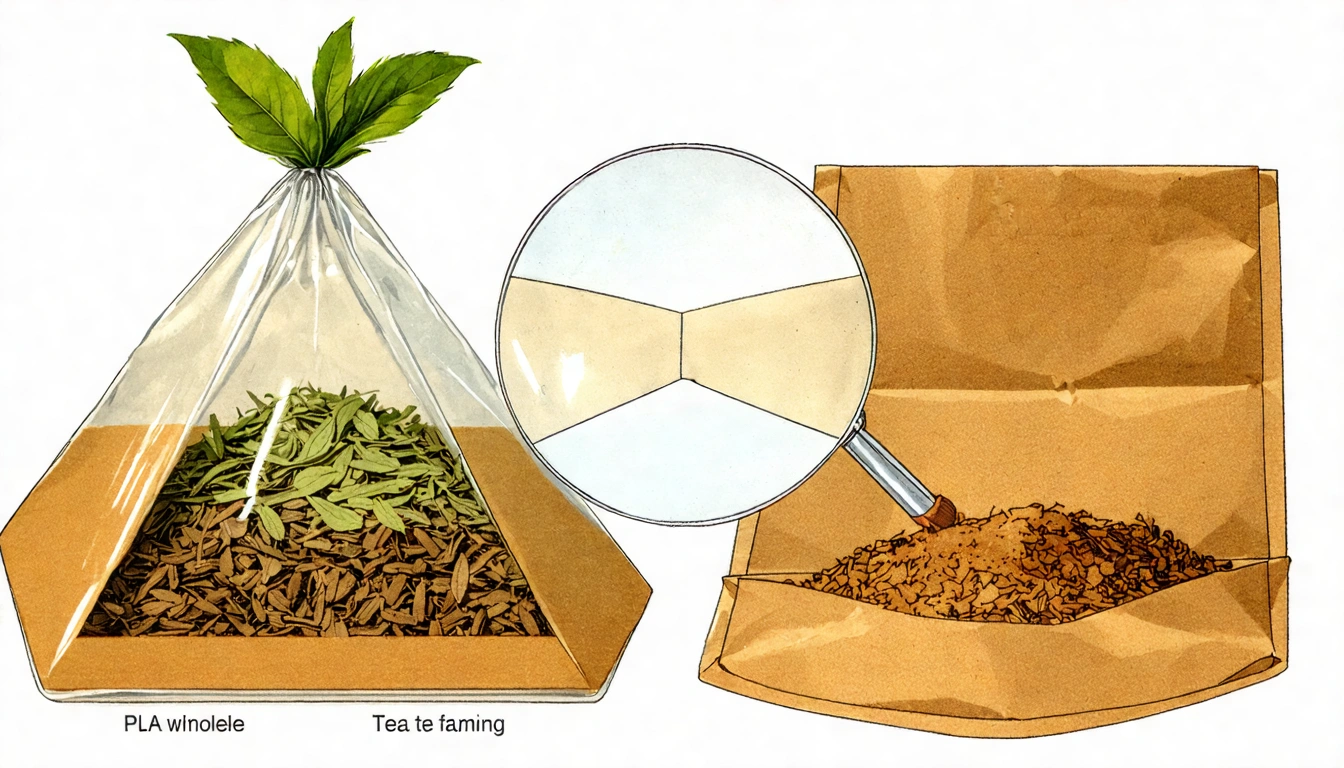
The most common “pyramid tea bags” on the market are made of PLA material, but many people see a “transparent triangular tea bag” and assume it’s plastic. There’s actually a big difference.
What Is PLA (Polylactic Acid)?
PLA (Polylactic Acid) is a biodegradable material derived from plant sources like corn starch and sugarcane. It contains no petrochemical components, and no plasticizers are used in its manufacturing process. A 2025 study published by Japan’s Science Publishing Group found that PLA fiber tea bags (such as SOILON) can decompose into biogas within one month under 50°C aerobic composting conditions, and do not release microplastics at brewing temperatures (Science Publishing Group, 2025).
We tested three commercially available PLA pyramid tea bags in practice. After steeping in 95°C water for 5 minutes, the bags maintained their structural integrity without deformation, the tea liquor had no off-flavors, and no plastic odor was detectable. The transparent PLA material allows clear visibility of the tea leaves unfurling — very intuitive.
PLA Food Safety Certification Standards
Legitimate PLA tea bags should pass at least one of the following certifications:
| Certification Standard | Description |
|---|---|
| FDA (U.S. Food and Drug Administration) | Confirms material meets food contact safety requirements |
| EU Food Contact Materials Regulation (Regulation EU 10/2011) | EU regulations for food contact plastic materials |
| SGS Food Safety Testing | Third-party testing for plasticizers, heavy metals, and particle release |
| Taiwan FDA | Taiwan’s domestic food contact material approval standards, under Article 26 of the Act Governing Food Safety and Sanitation, food contact surfaces containing plastic materials must indicate material name and heat resistance temperature (Taiwan FDA) |
How to Distinguish Legitimate PLA Tea Bags from Low-Quality Plastic Tea Bags
| Method | Legitimate PLA | Low-Quality Plastic |
|---|---|---|
| Packaging labels | Clearly states “PLA” or “corn fiber” | Only says “eco-friendly material” or “food grade” — vague descriptions |
| Odor | No off-odor after hot water contact | Plastic smell, chemical odor |
| Biodegradability | Biodegradable under industrial composting conditions | Black smoke when burned, not biodegradable |
| Brand transparency | Publicly discloses material sources and certifications | Cannot provide material-related documentation |
ChaYanSo uses food-grade safe pyramid bags that fully preserve the original tea leaf aroma. Browse our tea bag collection
How to Identify Safe Tea Bag Materials: Must-Read Before Buying
Now that you understand the material differences, here are practical identification methods for when you’re shopping.
Step 1: Check the packaging labels
Reputable tea bag brands will clearly indicate the bag material on the outer packaging. Look for:
- PLA, corn fiber, polylactic acid → Safe
- Cotton muslin, paper filter → Safe
- Food-grade PP, PE → Requires further confirmation
- Only says “eco-friendly,” “non-toxic,” or “natural” with no specific material description → Use caution
Many brands use marketing terms like “natural material” or “eco-friendly tea bag,” but these claims are not regulated by any laws. Only specific material names (PLA, cotton, paper) are meaningful. Consumers should develop the habit of reading material labels.
Step 2: Smell test
After purchase, take one tea bag, add hot water (without tea leaves), and steep for 2-3 minutes. Smell the water:
- No off-odor, just faint steam → Material is safe
- Plastic smell, chemical odor, musty smell → Consider switching brands
Our ChaYanSo team has tested over 10 different brands of tea bag materials on the market. We found that roughly 30% of budget-priced tea bags produced a noticeable plastic odor after hot water steeping, most of which were poorly labeled non-woven materials. This simple “water sniff test” is the most intuitive and effective home identification method.
Step 3: Check brand transparency
Trustworthy brands typically:
- Publicly disclose tea bag material sources
- Provide or make available third-party safety test reports (SGS, etc.)
- Clearly state tea leaf origin and processing methods
Step 4: Watch for price red flags
The production cost of whole-leaf PLA pyramid tea bags is considerably higher than crushed-tea flat bags. If a box of 25 tea bags is priced extremely low (for example, unreasonably below similar products), both the bag material and tea leaf quality should be questioned.
After learning about safe tea bag materials, check out which styles are best for cold brewing in our Cold Brew Tea Bag Recommendations and Step-by-Step Guide.
Whole Leaf Tea Bags vs. Crushed Tea Bags: How Much Does Flavor Differ?
With material safety covered, tea leaf quality matters equally.
What Are “Whole Leaf Tea Bags”?
Whole leaf tea bags contain whole leaves or large leaf fragments, not the dust and fannings from the tea processing. High-quality Taiwan pyramid tea bags typically use whole leaves, and you can see the leaf form through the transparent bag material.
Side-by-Side Comparison
| Comparison | Whole Leaf Pyramid Bag | Crushed Tea Flat Bag |
|---|---|---|
| Leaf form | Whole leaves, large fragments | Fine dust, powder |
| Leaf expansion space | Large (pyramid design) | Small (flat bag constraint) |
| Infusion speed | 40-60 seconds (slower) | 10-20 seconds (faster) |
| First infusion flavor | Full floral aroma, rich layers | Fast but bitter, thin |
| Aftertaste | Noticeable, lingering | Little or none |
| Number of steepings | 2-3 times | 1 time |
| Best for | Savoring and enjoyment | Quick convenience |
Crushed tea bags aren’t entirely useless
Fast-infusing crushed tea bags have their use cases: when you need to quickly brew large quantities of tea (e.g., commercial use), situations where tea leaf quality isn’t a priority, or when making milk tea (crushed tea infuses faster and blends more easily with milk).
The choice depends on your needs. If you value flavor and quality, whole leaf pyramid tea bags are the better choice.
When gifting, premium bag material paired with whole leaf tea creates a quality impression. Check out our material recommendations in Premium Tea Bag Gift Box Recommendations.
FAQ
Q: What should I do if my tea bags contain plasticizers?
Choose PLA corn fiber or cotton muslin tea bags to effectively avoid plasticizer risks. PLA contains no petrochemical components and requires no plasticizers in manufacturing; cotton muslin is a purely natural material with zero plasticizer concerns. If you have tea bags of uncertain material on hand, research shows that pre-rinsing tea bags with pure water can reduce over 90% of microplastic release (ScienceDirect, 2024). Additionally, shorten steeping time, don’t exceed the recommended water temperature on the packaging, and switch to a brand with clear material labeling.
Q: Are pyramid tea bags plastic?
Legitimate pyramid tea bags mostly use PLA (polylactic acid), a biodegradable material derived from corn starch or sugarcane — not traditional petrochemical plastic. However, some brands do use PET or other petrochemical materials for pyramid bags, so always check the material label on the packaging.
Q: Is it safe to heat nylon tea bags?
Compared to polypropylene, nylon releases fewer microplastic particles during hot water steeping (approximately 8.18 million per milliliter), but this is still much higher than PLA and cotton muslin. If you choose nylon tea bags, strictly follow the recommended brewing temperature on the packaging, shorten steeping time, and don’t re-steep repeatedly.
Q: How do I choose safe tea bags?
Three purchasing principles: (1) Check material labels (look for PLA or cotton); (2) Smell the water after brewing to confirm no off-odors; (3) Choose brands with specific material descriptions, and avoid ultra-cheap products with vague material labeling. PLA corn fiber pyramid bags and cotton muslin bags are currently the two most recommended options.
Three Principles for Choosing Tea Bag Materials: PLA or Cotton Muslin for Worry-Free Brewing
Tea bag material is not a trivial matter. The tea you drink every day — from leaf quality to packaging safety — every element affects what you’re actually consuming.
At ChaYanSo, when selecting tea bag material suppliers, we insist on requiring complete SGS testing reports, confirming every item from plasticizers to heavy metals to particle release. This process takes considerably more time and cost than simply purchasing cheap bag materials, but we believe consumer peace of mind is a non-negotiable baseline.
Three principles for choosing the right material:
- PLA corn fiber or cotton muslin: First-choice safe materials
- Read the labels carefully: Only trust products with clear material descriptions
- Trust transparent brands: Disclosed material sources are more reliable than “natural and eco-friendly” slogans
Choose the right material, enjoy great tea. Explore ChaYanSo’s whole leaf tea bag collection. Start browsing
ChaYanSo | Safe Materials x Whole Leaf Quality
ChaYanSo uses food-grade safe tea bag materials, with every tea bag clearly labeled, so you can drink with confidence and satisfaction.
Explore ChaYanSo’s Whole Leaf Tea Bag Collection
Further Reading
- Taiwan Tea Bag Recommendations: Complete Guide to 10 Popular Whole Leaf Tea Bags
- Cold Brew Tea Bag Recommendations and Step-by-Step Guide: Essential Summer Cold Brew Tea Handbook
- Premium Gift Tea Bag Box Recommendations: Taiwan Tea Gifts That Show You Care
References
- Barcelo, D. et al. (2024). Micro and nanoplastic released from different types of tea bags in hot water. Environmental Science & Technology.
- highteaworld.com (2024). Do tea bags release microplastics? PLA tea bags — zero plastic, total peace of mind!
- Taiwan FactCheck Center (2024). “Tea bags release microplastics — a hidden health killer” fact-check report.
- Health UDN (2024). Should you worry about microplastics found in tea bags? Expert analysis of 5 common materials.
- Fortune Business Insights (2025). Tea Bags Market Size & Share Trends, 2034.
- Medical Xpress (2024). Commercial tea bags release millions of microplastics, entering human intestinal cells.
- Science Publishing Group (2025). Bioabsorbable Characteristics of PLA for Microplastics Tea Bag SOILON.
- Taiwan FDA. Food Container and Packaging Management Section.
- ScienceDirect (2024). Microplastics and nanoplastics in tea: Sources, characteristics and potential impacts.