Taiwan Tea Lifestyle Guide 2026 | Tea Ware Recommendations, Tea Ceremony Basics, Afternoon Tea & Tea Farm Experiences
What’s the difference between “tasting tea” and “drinking tea”?
To put it clearly: drinking tea is about hydrating and getting some caffeine; tasting tea is about consciously experiencing the aroma, mouthfeel, and aftertaste of the tea leaves, turning the process of brewing and drinking tea into a life ritual. The difference isn’t in the quality of the tea, but in the way and mindset with which you drink it. Taiwan’s tea garden area spans approximately 12,000 hectares, producing about 14,000 metric tons annually, with around 25,000 tea farming households and approximately 90,000 people employed — Taiwan tea isn’t just a beverage; it’s a cultural industry supporting tens of thousands of families (Ministry of Agriculture Tea Research and Extension Station).
Taiwan’s tea arts began forming in the late 1970s, influenced by Chinese and Japanese tea cultures, developing into a unique gongfu tea ceremony style (Wikipedia: Taiwanese Tea Arts). Taiwan’s tea culture has something very distinctive — it combines the refinement of traditional Chinese tea ceremony with the practicality of modern life. You can sit in a highland tea farmer’s cottage using gongfu tea ware to savor Lishan oolong one infusion at a time, or you can use a mug and a quality tea bag at the office to give yourself a 5-minute pause at 2 PM when fatigue hits. Both are part of Taiwan’s tea-tasting culture.
In our 2025 ChaYanSo customer survey, over 60% of customers said that “after starting to drink Taiwan whole-leaf tea, the act of making tea itself became the small thing they most looked forward to during their most stressful moments” — not because of the tea’s chemical compounds, but because the brief ritual of “preparing the tea leaves, waiting for the water temperature, smelling the aroma, drinking the tea” gave them a conscious pause (ChaYanSo, 2025).
This article brings together all aspects of the tea-tasting lifestyle.
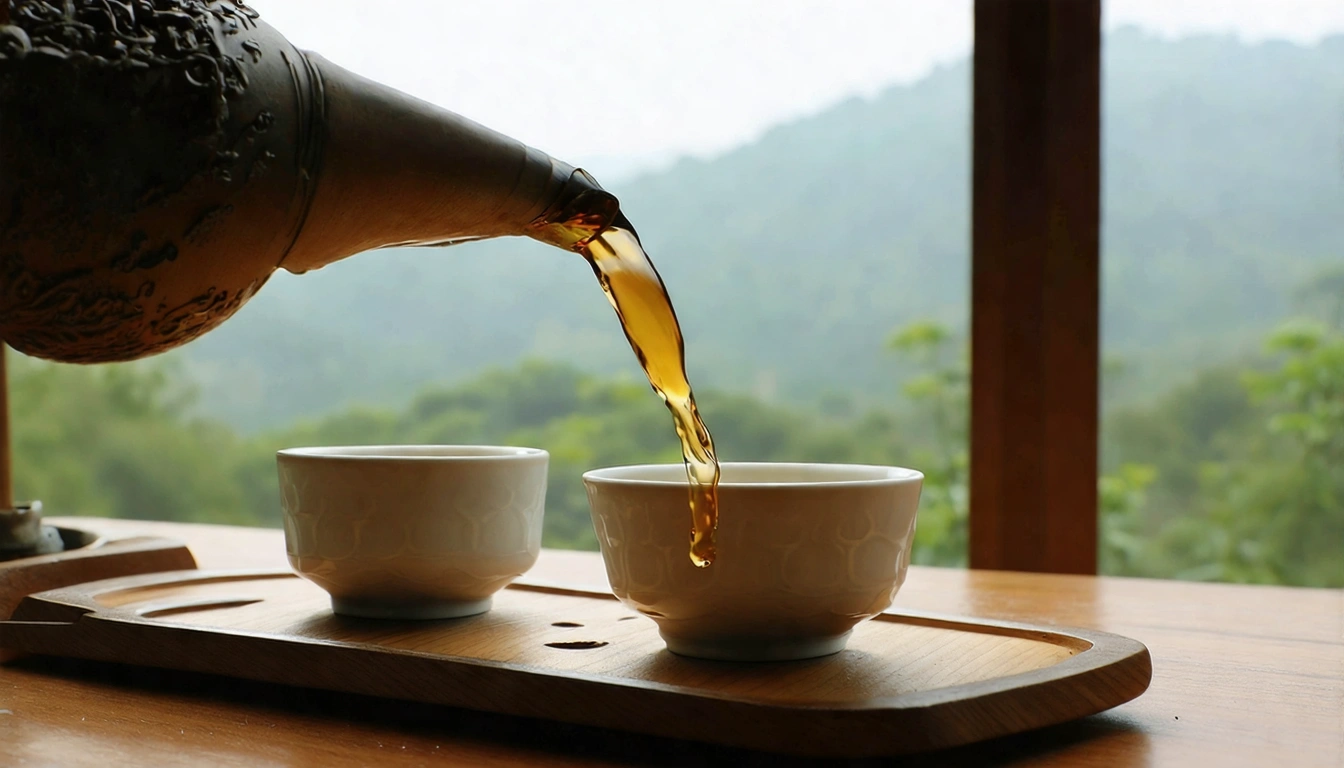
TL;DR: Four steps to getting started with tea tasting (Select tea → Prepare ware → Brew → Savor). 60% of customers say the “tea ritual” became their most anticipated activity during stressful times (ChaYanSo, 2025). Beginner tea ware under NT$1,000: teapot + fairness pitcher + cups + tea tray. Alishan and Nantou Lugu offer tea-picking experiences.
Begin your tea journey with ChaYanSo’s curated teas. Start Selecting Tea
What Is Tea Tasting? A Beginner’s Introduction to Taiwan Tea Ceremony
The Four Steps of Tea Tasting
Whether in the refined form of gongfu tea or a simplified office version, the core process of tea tasting is the same:
Step 1: Select Your Tea
Choose a tea based on your mood and needs: high-mountain oolong for focus, Jin Xuan for afternoon relaxation, Si Ji Chun for a refreshing floral lift. Selecting tea itself is an act of conscious self-awareness.
Step 2: Prepare Your Ware
Prepare your tea ware — you don’t need a full gongfu set; a clean teapot and cups are sufficient. The preparation process helps you switch out of work mode.
Step 3: Brew
Mind the water temperature, add the tea leaves, wait for the steeping time — these 3 minutes of “waiting for tea” are 3 minutes when you don’t need to do anything at all.
Step 4: Savor
First: Smell the aroma (before pouring the tea liquor into cups, smell the aroma at the teapot spout). Second: Observe the color (the hue and clarity of the tea liquor). Third: Taste (notice the mouthfeel, astringency, and sweetness). Fourth: Feel the aftertaste (the sweet sensation that lingers 30-60 seconds after swallowing).
Beginner Tea Ware Recommendations 2026
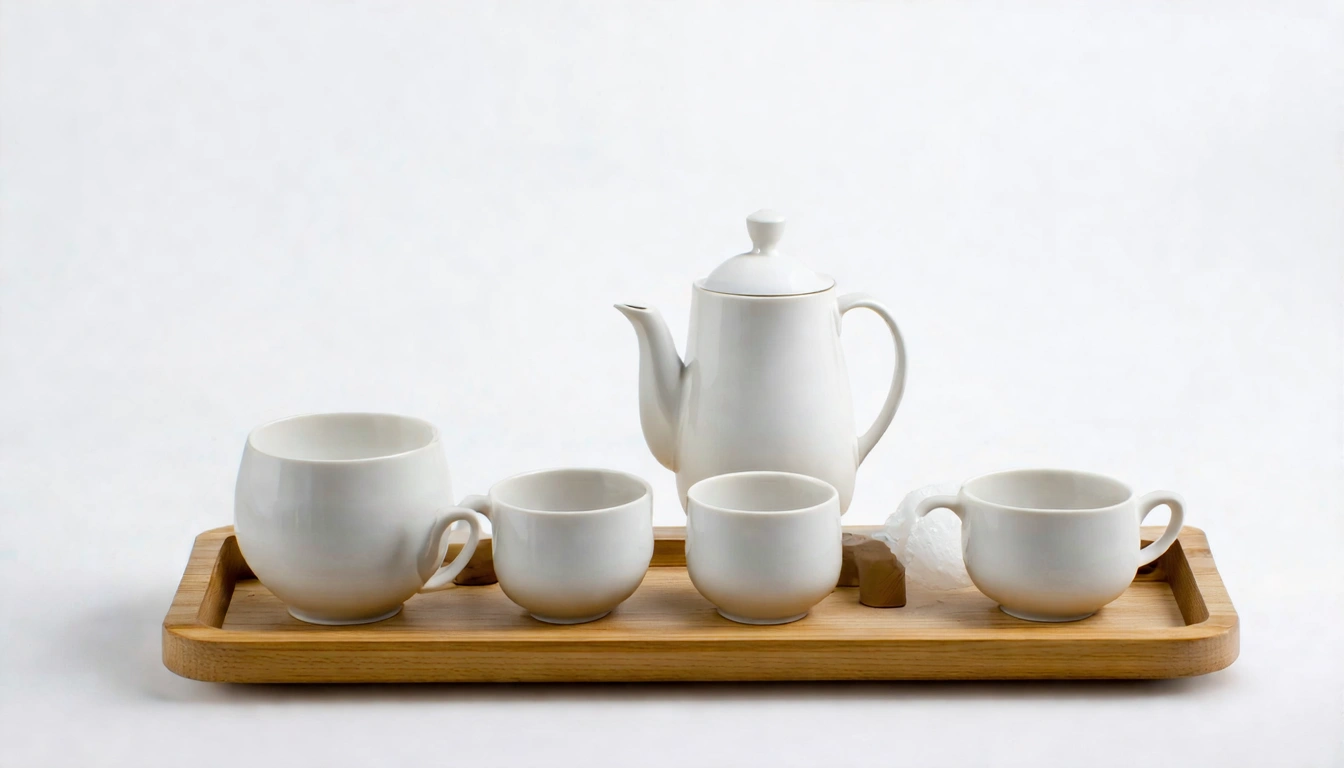
Taiwan’s tea industry generates an annual output value of approximately NT$3.7 billion, driving the thriving development of related industries including tea ware, tea snacks, and tea farm tourism (Ministry of Agriculture). Beginners don’t need expensive Yixing clay teapots to start — a starter set under NT$1,000 is enough for a gongfu tea experience:
Minimum Starter Kit (NT$400-600)
| Tea Ware | Function | Recommended Specs |
|---|---|---|
| Teapot | Main brewing vessel | 150-200ml, ceramic or glass |
| Tasting cups ×4 | For drinking | 30-50ml each, white porcelain preferred |
Complete Starter Set (NT$600-1,000)
Add the following to the minimum kit:
- Fairness pitcher (gongdao bei): Ensures uniform concentration in every cup, prevents over-steeping bitterness
- Tea tray: Catches excess water, keeps the table clean
Material Comparison
| Material | Pros | Cons | Best For |
|---|---|---|---|
| White porcelain | Best for displaying tea liquor color, easy to clean | Slightly lower heat retention | Most recommended for beginners |
| Glass | Can observe leaf unfurling and liquor color | Poor heat retention, fragile | Those who enjoy visual experience |
| Ceramic | Good heat retention, rustic aesthetic | Color makes it hard to judge tea liquor | Advanced users |
| Yixing clay | Best for enhancing tea aroma, collectible value | Expensive, requires seasoning and care | Seasoned tea enthusiasts |
Taiwan Afternoon Tea Culture
Taiwan’s afternoon tea is different from the formal ritual of English afternoon tea — Taiwan’s approach is more about the idea that “anywhere can be an afternoon tea moment.”
The office, the desk, the living room sofa, a teahouse — the core of afternoon tea is “giving yourself a conscious pause to properly enjoy a cup of tea.”
Best Time for Office Afternoon Tea
The period between 2-3 PM is when work efficiency most commonly dips — brewing a cup of tea at this time isn’t just about caffeine, it’s about giving yourself a signal to “pause work mode and switch gears.” Brief mindful pauses (5-10 minutes) have research-backed benefits for restoring work efficiency (Taiwan Ministry of Labor, 2024). The tea-brewing process itself — waiting for water temperature, smelling the aroma, waiting for steeping — is a structured mindfulness break.
Taiwan Tea vs English Afternoon Tea
| Aspect | Taiwan Afternoon Tea | English Afternoon Tea |
|---|---|---|
| Tea selection | Primarily Taiwan oolong | Primarily Indian black tea, Earl Grey |
| Tea ware | Gongfu set (refined) or tea bags (daily) | Teapot + cup set |
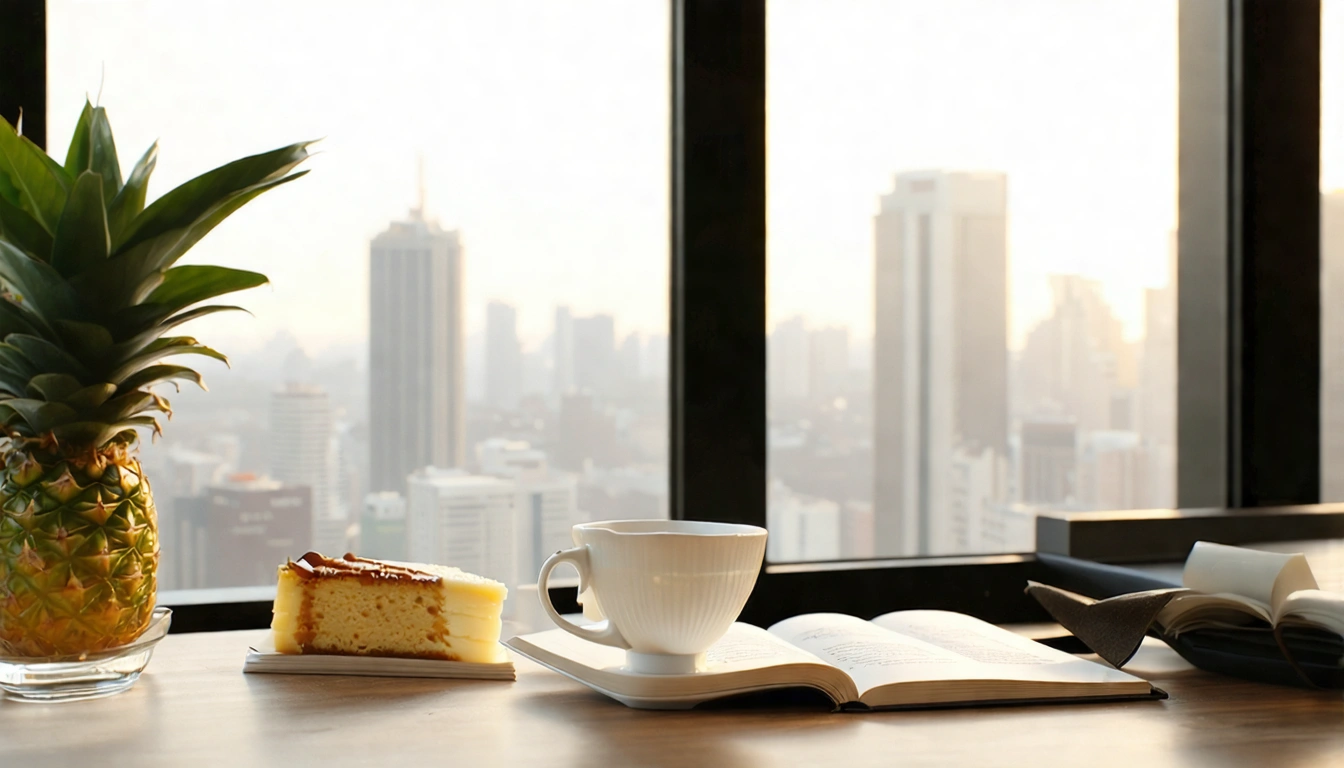
| Accompaniments | Traditional Taiwan tea snacks (pineapple cake, pastries) | Scones, three-tier stand treats |
| Spirit | Daily ritual | Social ritual |
Tea and Food Pairing Guide
Taiwan oolong tea accounts for the largest share of Taiwan’s tea production, and its complete flavor spectrum from light to heavily roasted provides a rich foundation for tea-food pairings (Ministry of Agriculture). The core principle of Taiwan tea-food pairing is “pair light with light, heavy with heavy” — delicate, fragrant teas go with light snacks, while richly aromatic heavily roasted or heavily fermented teas pair with heavier desserts:
| Tea | Best Paired Snacks | Pairing Logic |
|---|---|---|
| Si Ji Chun, Wenshan Baozhong | Pineapple cake, mung bean cake, fresh fruit | Clean aroma doesn’t overpower; sweet but not cloying |
| High-mountain oolong (Alishan, Lishan) | Walnut cookies, traditional Taiwan pastries | Tea sweetness and pastry complement each other |
| Honey-scented black tea | English scones, butter cake | Black tea with buttery pastries is the classic combination |
| Oriental Beauty Tea | Cheese pastries, fruit tart | Honey aroma and fruit acidity in perfect harmony |
| Jin Xuan Tea | Taro pastry, creamy snacks | Natural milky aroma doubled with cream-based treats |
Taiwan Tea Farm Experiences: A Travel Guide to Visiting in Person
Nantou County’s tea garden area accounts for 48.9% of the national total, making it the largest production region, followed by Chiayi County at 14.1% (Ministry of Agriculture) — behind these numbers are tea farms well worth visiting in person. A trip to a Taiwan tea farm gives you a deeper understanding of why Taiwan tea tastes so good than any article ever could — the altitude, humidity, and mist-shrouded mountain scenery are the real sources of tea flavor.
Recommended Tea Region Experiences
- Alishan Tea Region (Fanlu Township, Alishan Township, Chiayi County): Taiwan’s most famous high-mountain tea-producing area, 1,000-1,800 meters elevation. Spring tea season (March-April) and winter tea season (November) are the best times to visit
- Nantou Lugu (Birthplace of Dong Ding Oolong): 1.5 hours by car from Taichung, with several tea farmers offering tea-picking experiences
- Nantou Yuchi (Sun Moon Lake Black Tea Producing Area): Black tea farms around Sun Moon Lake offer tea-making experiences, ideal for travelers interested in Taiwan black tea
- Taipei Pinglin (Core producing area of Wenshan Baozhong Tea): Near Taipei suburbs, suitable for a day trip
Great tea ware deserves great tea — curated by ChaYanSo. Start Selecting Tea
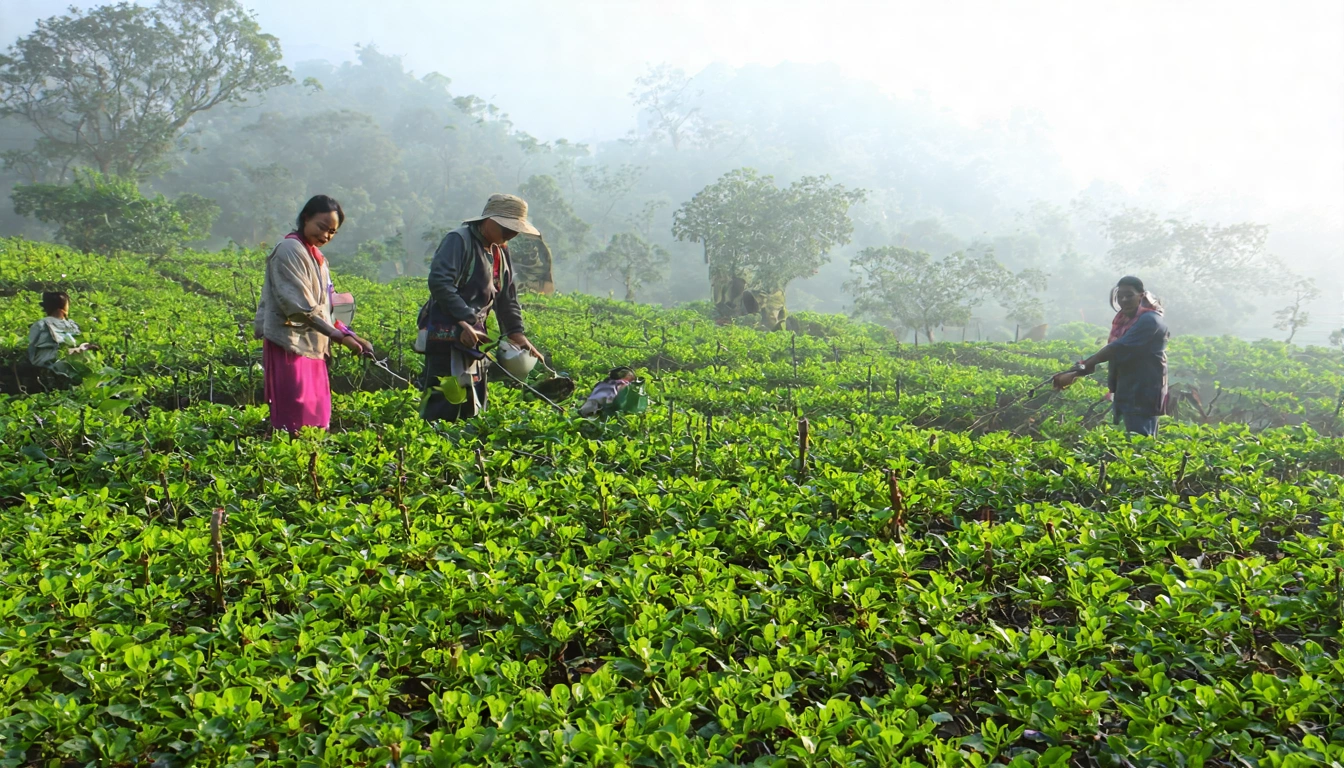
According to ChaYanSo customer feedback, customers who have personally visited Taiwan tea-producing regions show 2.1 times greater long-term loyalty to Taiwan tea compared to those without farm visit experience — we deeply recognize that the experience of “seeing the tea trees and smelling the tea-making aroma” creates a fundamentally different level of trust in tea quality (ChaYanSo, 2025).
FAQ: Common Questions About the Taiwan Tea Lifestyle
What tea ware does a beginner need?
At minimum: a 150-200ml ceramic or glass teapot + 2-4 small tasting cups, available for under NT$400-600. A complete starter set adding a fairness pitcher and tea tray runs NT$600-1,000. No need to buy a Yixing clay teapot right away — white porcelain or glass tea ware is easier to clean and better for judging tea liquor color, making it more beginner-friendly.
What tea is recommended for office afternoon tea?
Tea bags are the most convenient for the office. Top picks for 2-3 PM: Si Ji Chun tea bags (clean aroma, energizing, moderate caffeine) or Jin Xuan tea bags (natural milky aroma, relaxing). After 3 PM, choose Wenshan Baozhong tea (low caffeine, 20-30mg), which won’t affect evening sleep. Mug steeping method: place the tea bag, let boiling water cool for 2-3 minutes to 90°C, steep for 45-60 seconds, then remove the tea bag.
Where can I experience Taiwan tea farms?
Three recommended options: Alishan tea region (highest quality, visit during spring/winter tea seasons), Nantou Lugu (birthplace of Dong Ding Oolong, close to Taichung), and Taipei Pinglin (Wenshan Baozhong producing area, ideal for a Taipei day trip). Most tea-picking experiences require advance reservations — book even earlier during peak seasons (spring tea March-April, winter tea November). Taiwan tea export unit price is approximately 6.5 times that of imported tea — visiting a tea farm in person helps you understand the source of this value difference (Ministry of Agriculture).
What snacks pair best with Taiwan tea?
Light oolong teas (Si Ji Chun, Wenshan Baozhong) pair classically with pineapple cake — sweet but not cloying, complementary flavors. High-mountain oolong pairs with walnut cookies or traditional pastries. Oriental Beauty’s honey aroma with fruit tarts or cheese pastries creates delightful surprises. Jin Xuan’s milky aroma with taro pastry is a hidden gem in Taiwan tea-food pairing.
How much do tea ceremony courses cost?
Taiwan tea ceremony course prices vary widely. Introductory experience classes (2-3 hours) typically cost NT$500-1,500; complete course series (6-12 sessions) range from NT$3,000-10,000. Taipei has numerous tea ceremony classrooms and cultural centers offering courses, and the Dadaocheng tea culture district frequently hosts workshops (NT$200-600 per session).
Further Reading
- Beginner’s Tea Ware Guide: From NT$400 Entry-Level to Advanced Yixing Clay
- Taiwan Tea Farm Experience Travel: Alishan, Lugu, Pinglin Complete Guide
- Office Afternoon Tea Guide: A 5-Minute Tea Ritual for Working Professionals
- Taiwan Tea-Food Pairing Guide: Which Tea Goes Best with Which Snack?
- Complete Taiwan Tea Knowledge: Tasting, Selecting & Four-Season Tea Drinking Guide
References
- Taiwan Ministry of Labor (2024). Work Efficiency and Mindful Pause Research.