Taiwan Tea Farm Experience Guide 2026 | Alishan, Nantou Tea Picking Tours — Experience Taiwan Tea Culture Firsthand
Why does Taiwan high mountain tea taste so good? Reading about it isn’t enough to truly understand — until you stand in an Alishan tea garden at 1,200 meters elevation, the morning mist still lingering, and hand-pick dew-covered tea buds yourself, you’ll truly understand what “high mountain tea” really means.
Multiple tea regions across Taiwan offer tea picking experiences, from the most famous Alishan, to Nantou’s Lugu Dong Ding and Yuchi black tea, to Pinglin Baozhong tea near Taipei — each region has its own character, and visiting delivers far more than any written description ever could.
Taiwan’s tea cultivation area is approximately 12,000 hectares with annual production of about 14,000 metric tons (Tea Research and Extension Station, 2023), of which Nantou County accounts for approximately 48.9% of total tea garden area (Ministry of Agriculture, 2024), making it Taiwan’s largest tea-producing region and the area with the highest concentration of tourist tea farm experiences.
ChaYanSo has taken multiple groups of clients and media friends on visits to the Alishan tea region — nearly everyone, after hand-picking tea, smelling the fresh leaf aroma, and tasting just-processed tea on the same day, says “I never knew tea leaf aromas could be this vibrant” (ChaYanSo, 2025).
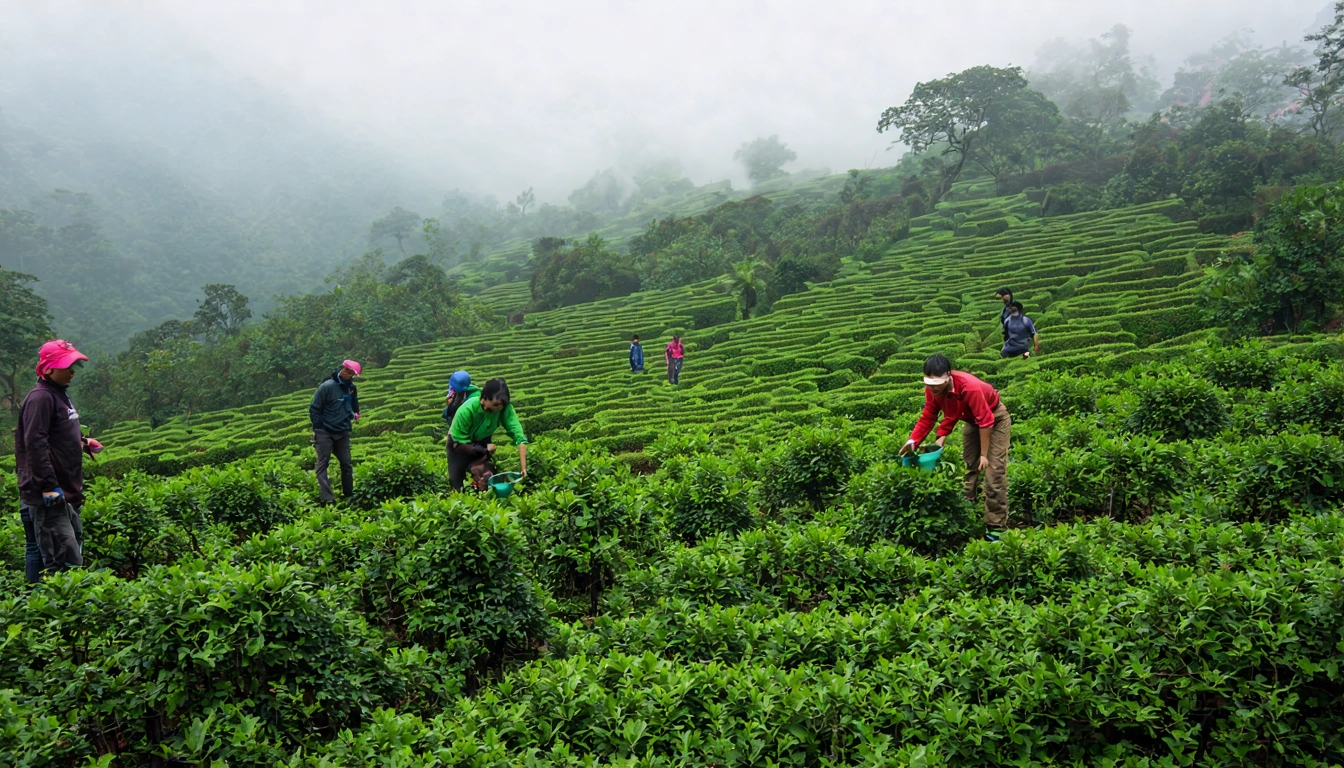
TL;DR: Taiwan’s four major tea farm experience regions: Alishan (highest elevation, most spectacular scenery), Nantou Lugu (birthplace of Dong Ding Oolong), Nantou Yuchi (Sun Moon Lake black tea), Taipei Pinglin (Baozhong tea, close to Taipei for day trips). After picking, nearly everyone says “Now I understand how vibrant fresh tea leaf aromas are” (ChaYanSo, 2025). Spring tea (March-April) and winter tea (November) are the best tea picking seasons.
Before visiting a tea farm, pick a Taiwan tea you like first. Visit ChaYanSo
Why Experience Taiwan Tea Farms in Person?
There are a few experiences that words simply cannot fully convey:
Feeling the Authenticity of Terroir
“High mountain tea” isn’t just a label — standing in a tea garden above 1,000 meters, you can physically feel the morning mist, the dramatic temperature swings, the hillside slope, and the color and smell of the soil. These environmental conditions are the source of high mountain tea’s flavor, and seeing them firsthand completely transforms your understanding of “terroir.” Taiwan’s central and southern high-altitude tea regions (above 1,000 meters) are estimated at over 6,000 hectares, accounting for more than 50% of national tea cultivation area (Ministry of Agriculture, 2023), and these high-elevation regions are where the most popular tourist tea farms are located.
Understanding the Tea Processing Journey
Freshly picked tea leaves don’t directly become the dry leaves you brew — they must undergo withering (dehydrating the leaves), agitation (light oxidation stirring), kill-green (high-heat fixing), rolling (shaping), and drying, among other complex processes. Having witnessed this process firsthand, every cup of tea you brew afterward will carry a different meaning.
Farm-Direct Purchasing Opportunities
Most farms offering experiences also sell direct. When you taste a tea you love at the farm, you can usually take a pack home — cheaper than going through middlemen, and you know exactly where the tea came from. ChaYanSo’s teas are also sourced through direct partnerships with origin farms. Visiting tea farms helps consumers understand why farm-direct purchasing offers more quality assurance (ChaYanSo, 2025).
Alishan Tea Region Experience Recommendations
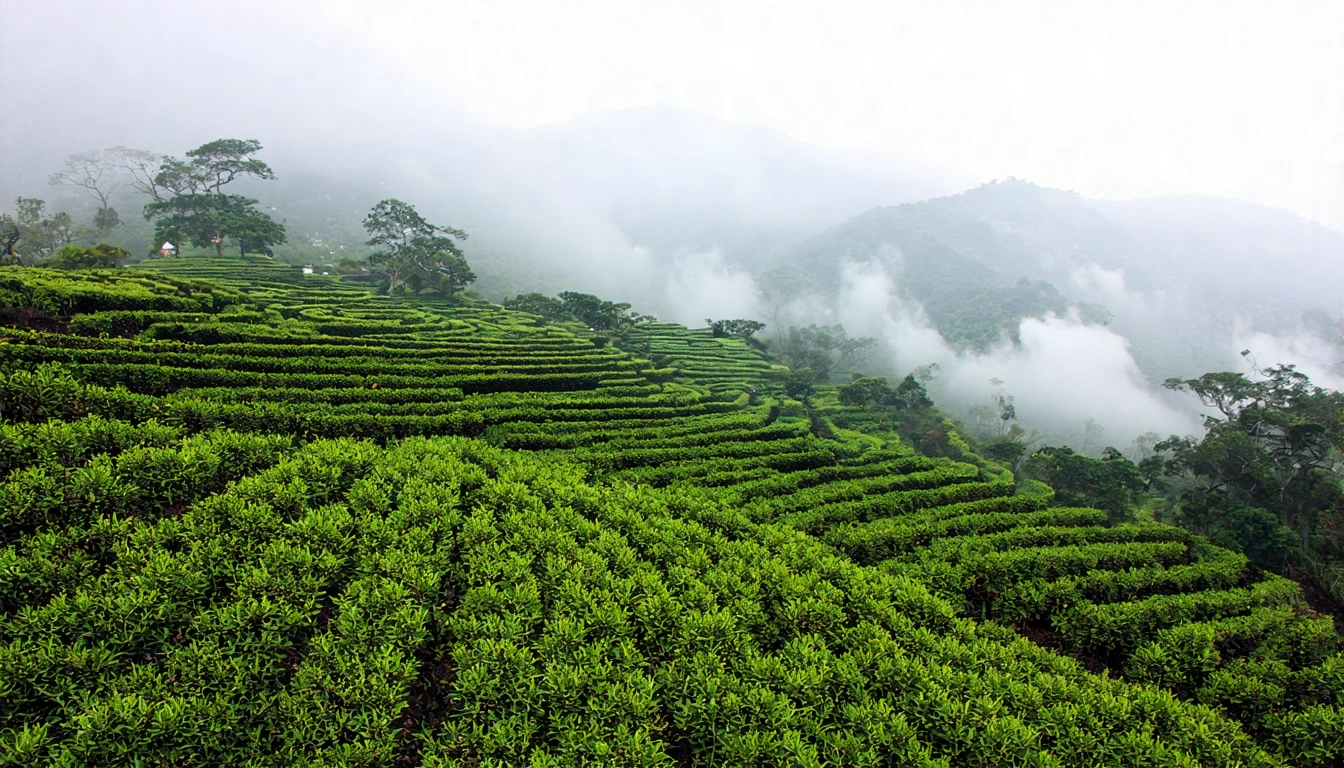
Alishan Tea Region Overview
| Info | Details |
|---|---|
| Location | Chiayi County — Fanlu, Alishan, and Zhuqi Townships |
| Primary elevation | 800-1,800 meters |
| Main teas | Alishan Oolong, Jin Xuan |
| Best visiting season | Spring tea (March-May), Winter tea (Nov-Dec) |
| Transportation | About 1.5-2 hours from Tainan/Chiayi |
Alishan is Taiwan’s most famous high mountain tea region and the most popular destination for tea picking experiences. Most farms offer tea picking experiences during the spring and winter tea harvest seasons, requiring advance phone or online reservations. ChaYanSo’s partner Alishan tea farmers tell us that over half of tea-picking experience visitors end up purchasing tea directly from the farm after the experience — tea that you’ve picked yourself just tastes different (ChaYanSo, 2025).
Alishan Tea Picking Experience Approximate Costs
- Tea picking experience (with guided tour): typically NT$500-1,500/person
- Tea processing experience (including picking + processing workshop): NT$1,500-3,000/person
- Fees usually include admission, guided tour, and select tea tastings
Nantou Tea Region Experiences
Lugu Tea Region (Birthplace of Dong Ding Oolong)
Nantou County’s Lugu Township is the traditional origin of Dong Ding Oolong and one of Taiwan’s most important oolong tea growing regions.
| Info | Details |
|---|---|
| Location | Nantou County, Lugu Township |
| Primary elevation | 600-1,000 meters |
| Main teas | Dong Ding Oolong, Taiwan black tea |
| Best season | Spring tea (April-May), Winter tea (Nov-Dec) |
| Transportation | About 1.5 hours from Taichung |
Lugu has multiple farms and tea factories offering tours and experiences, with some farms also providing DIY tea-picking and tea-processing workshops. The “Lugu Township Farmers’ Association” is the most reliable source of information; more activities are available around the annual competition tea evaluation period (the famous Dong Ding Oolong evaluation).
Yuchi Tea Region (Sun Moon Lake Black Tea Origin)
Nantou County’s Yuchi Township is an important producing region for Taiwan black tea, particularly Sun Moon Lake black tea/Taiwan Tea No. 18.
| Info | Details |
|---|---|
| Location | Nantou County, Yuchi Township |
| Main teas | Taiwan Tea No. 18 (Ruby/Hong Yu Black Tea), Honey Black Tea |
| Features | Combined with Sun Moon Lake tourism, ideal for in-depth travel |
| Transportation | About 1.5-2 hours from Taichung (can be combined with a Sun Moon Lake day trip) |
Yuchi’s Taiwan Tea No. 18 (also called Ruby) is one of Taiwan’s most distinctive black teas, with a natural menthol aroma that amazes foreign visitors. Several farms offer tea processing experiences and tasting activities. Hohocha in Yuchi, Nantou is a Sun Moon Lake black tea-themed tourist tea factory offering rolling, blending, tasting, and other DIY experiences (Tourism Bureau, 2024).
Near Taipei: Pinglin Tea Region Day Trip
For people in Taipei, Pinglin is the most convenient tea farm experience destination — only about 40-60 minutes by car from Taipei city center, making it ideal for a weekend day trip.
| Info | Details |
|---|---|
| Location | Pinglin District, New Taipei City |
| Main teas | Wenshan Baozhong Tea |
| Features | Near Taipei, in the protected natural environment of the Feitsui Reservoir watershed |
| Transportation | 40-60 min from Taipei by car; take Freeway 5 to the Pinglin interchange |
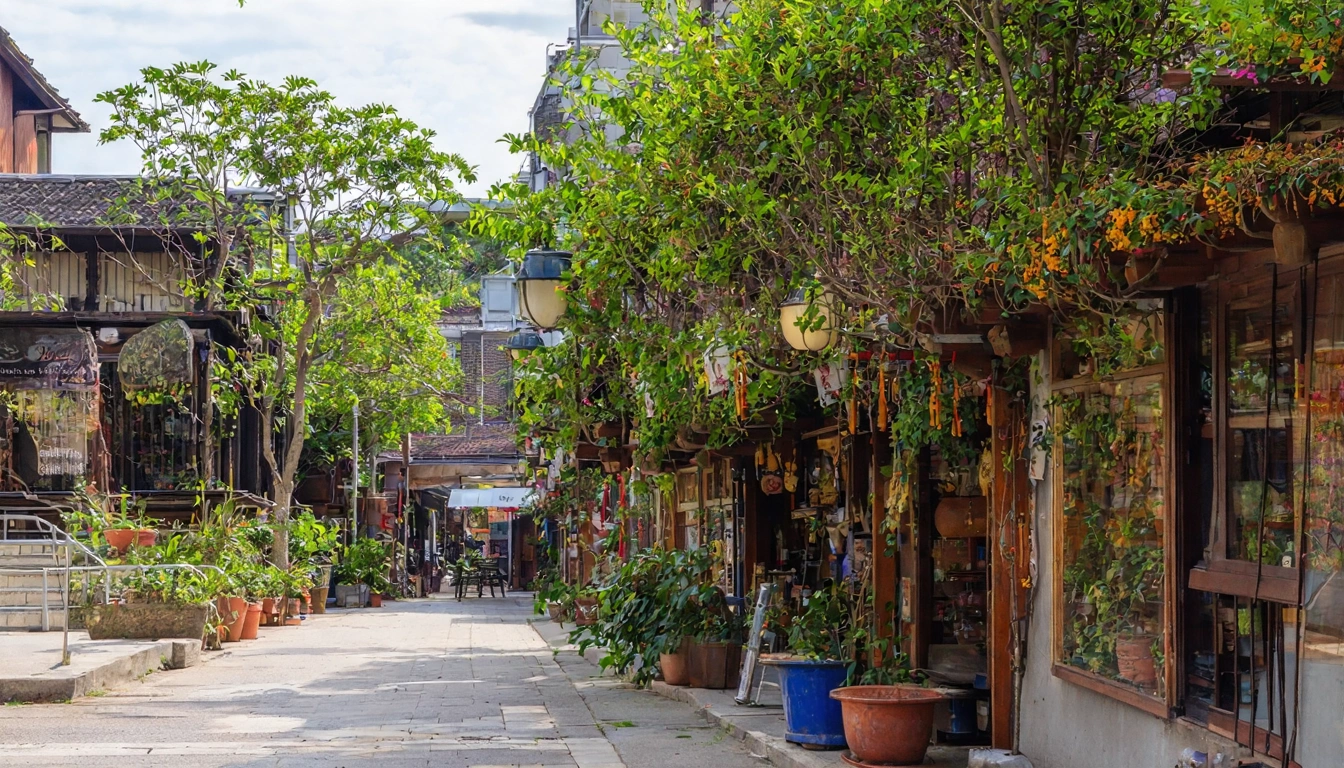
Pinglin has the “Pinglin Tea Museum” — free or low-cost admission, showcasing the history and processing of Taiwan Baozhong tea, with tasting events and teaware exhibitions. The Pinglin Tea Museum opened in 1997 and since reopening in 2015 has continued promoting tea culture. In 2024-2025, it features the “Tea and Kings” special exhibition (Pinglin Tea Museum, 2024). Pinglin’s old street also has multiple tea shops where you can taste and purchase tea. You don’t necessarily need a formal “tea picking experience” — simply visiting Pinglin itself is a wonderful tea culture experience.
Love the tea from this region? Buy it directly at ChaYanSo. Order now
Practical Tea Farm Travel Information
How to Book Tea Picking Experiences
Most farms do not offer walk-in tea picking — advance reservations are required (especially during spring and winter tea peak seasons). Booking channels are typically direct phone calls to the farm, the farm’s website (some have one), or through travel agencies offering tea farm experience packages. The 2025 Nantou World Tea Expo was held in October at Zhongxing New Village, combining thousand-person tea gatherings, tea art performances, and other events — an annual highlight for experiencing Taiwan tea culture (Nantou County Government, 2025). ChaYanSo arranges VIP client tea region visits each spring tea season, offering a complete origin-to-cup experience that deepens customers’ understanding of Taiwan tea (ChaYanSo, 2025).
Peak vs. Off-Peak Seasons
| Season | Peak Status | Features |
|---|---|---|
| Spring tea (March-May) | Busiest | Tenderest buds, highest quality, most complete experiences |
| Summer (June-August) | Oriental Beauty tea season | Hsinchu/Miaoli farms especially suitable |
| Winter tea (November-December) | Second busiest | High mountain oolong winter tea, exceptional quality |
| Other times | Off-season | Some farms not open; confirm in advance |
Cost Reference
| Experience Type | Approximate Cost |
|---|---|
| Tea picking experience (with tasting) | NT$300-800/person |
| Tea picking + processing experience | NT$800-2,500/person |
| Tea factory tour (no picking) | Free to NT$200/person |
FAQ: Common Questions About Taiwan Tea Farm Experiences
Where are Taiwan tea picking experiences located?
Four main recommended areas: Alishan (Chiayi County, most spectacular mountain scenery), Nantou Lugu (birthplace of Dong Ding Oolong), Nantou Yuchi (Sun Moon Lake black tea origin), and Taipei Pinglin (Baozhong tea, near Taipei for day trips). Each farm offers different experience content, so contact farms directly to confirm available experience options.
Do tea picking experiences require reservations?
Most farms require advance reservations, especially during peak seasons (spring tea March-May, winter tea November-December). Some popular farms require 1-2 months advance booking during peak season. During off-peak periods, some farms accept short-notice reservations (3-7 days ahead).
How much does a Taiwan tea farm trip cost?
Tea picking experiences (with guided tour and tastings) typically cost NT$300-800/person. Adding a tea processing workshop (hands-on firing, rolling) raises costs to NT$800-2,500/person. Taipei’s Pinglin Tea Museum has lower admission fees, suitable for budget-conscious visitors. During spring tea peak season (March-April), experience programs may include surcharges due to farm busy periods, so plan as early as possible.
What age is appropriate for Taiwan tea picking experiences?
Most farms’ tea picking experiences are suitable for ages 6 and up (requires basic mobility and stamina for walking on hillsides). High-altitude tea regions (Alishan above 1,200 meters) may present physical challenges for elderly visitors or young children — lower-elevation tea regions (Pinglin, Lugu) are recommended instead. The Pinglin Tea Museum is the most family-friendly option, with exhibitions and interactive activities that don’t require mountain hiking. Taiwan’s export tea unit price is approximately 6.5 times that of imported tea (Ministry of Agriculture, 2024) — this price differential exists precisely because of Taiwan tea’s terroir quality and craftsmanship, and tea farm experiences are the best way to understand this value.
Further Reading
- Complete Taiwan Tea Lifestyle Guide: Teaware, Tea Ceremony, Afternoon Tea, Farm Experiences
- Beginner’s Teaware Recommendation Guide: Starting from NT$400 to Advanced Yixing
- Taiwan Tea Food Pairing Guide: Which Tea Goes Best with Which Snack?
- Taiwan Tea Knowledge Encyclopedia: Tasting, Selection, Seasonal Drinking
- Alishan Oolong Tea Complete Guide: Spring vs. Winter Tea Differences