
Taiwan Tea Knowledge Encyclopedia 2026 | Tea Tasting, Selection, Seasonal Drinking, and Pesticide Residues — Everything You Need to Know
Many people have been drinking Taiwan tea for years but still aren’t confident about “how to choose good tea.” How do you taste-test? How do you verify pesticide residues? Should you drink different teas in summer versus winter? What’s really the difference between Taiwan tea and Japanese tea?
This article brings all these questions together. The goal isn’t to make you a tea expert, but to give you enough foundational knowledge to make good decisions next time you buy, brew, or drink tea.
Based on customer question records at ChaYanSo, the most frequently asked tea knowledge questions are, in order: “How do I know if tea leaves are fresh?”, “How can I verify pesticide residues?”, and “What tea is best for summer?” — we found these three questions cover three different knowledge levels (freshness, safety, seasonal matching), and all have concrete, actionable answers (ChaYanSo, 2025).
TL;DR: Four-step tea tasting method (visual inspection, aroma evaluation, tasting, aftertaste assessment). Seasonal tea choices: cold brew Si Ji Chun in summer, high mountain oolong in winter. Taiwan tea pesticide residue compliance rate exceeds 97% (Taiwan Council of Agriculture, 2024). Taiwan tea vs. Japanese tea: Taiwan excels in oolong diversity, Japan excels in green tea craftsmanship. Recommended daily intake: 3-5 cups of Taiwan oolong.
Want to try great Taiwan tea? ChaYanSo makes it easy. Browse our teas
How to Taste-Test Tea: Essential Knowledge Before Buying
Taste-testing is the most reliable way to find good tea — more direct than judging by packaging, price, or reviews. Tea’s flavor compounds continue to oxidize after drying, and the sensory difference between fresh and over-stored tea is significant — information that no label can fully convey (Taiwan Tea Research and Extension Station, 2024).
The Four Steps of Tea Tasting
Step 1: Visual Inspection (Dry Leaf Evaluation)
Observe the appearance of the dry tea leaves, noting:
- Whether the twisted/ball-shaped leaves are uniform and tightly rolled (loose leaves indicate less refined processing)
- Whether the color matches the tea variety’s characteristics (Baozhong should be jade green, Tieguanyin should be dark brown)
- Proportion of broken leaves (good tea has few broken pieces)
Step 2: Dry Aroma Evaluation
Take a small amount of tea leaves in your palm, gently rub to warm them, and smell the aroma. Good tea’s dry aroma should:
- Have the characteristic fragrance of its variety (floral, honey, roasted, etc.)
- Be persistent — you can still smell it after setting down your hand
- Be free of off-odors (mold, chemical smells, excessive burnt smell)
Step 3: Tasting (The Most Critical Step)
No matter how beautiful the appearance, the final judgment comes from drinking:
- The brew should be clear and bright (cloudiness may indicate quality issues)
- The aroma should be consistent with or richer than the dry aroma
- After swallowing, there should be a returning sweetness (hui gan) — a hallmark of good tea
- No excessive bitterness or astringency (slight bitterness is normal; excessive is undesirable)
Step 4: Aftertaste Assessment (Hui Gan)
30-60 seconds after swallowing the tea, notice the sensation in your throat — good tea produces a noticeable sweet sensation rising from the throat. This pronounced hui gan is typically an indicator of high quality.
Seasonal Tea Drinking Guide
Taiwan has four distinct seasons, and choosing teas that match the seasonal climate produces the best experience:
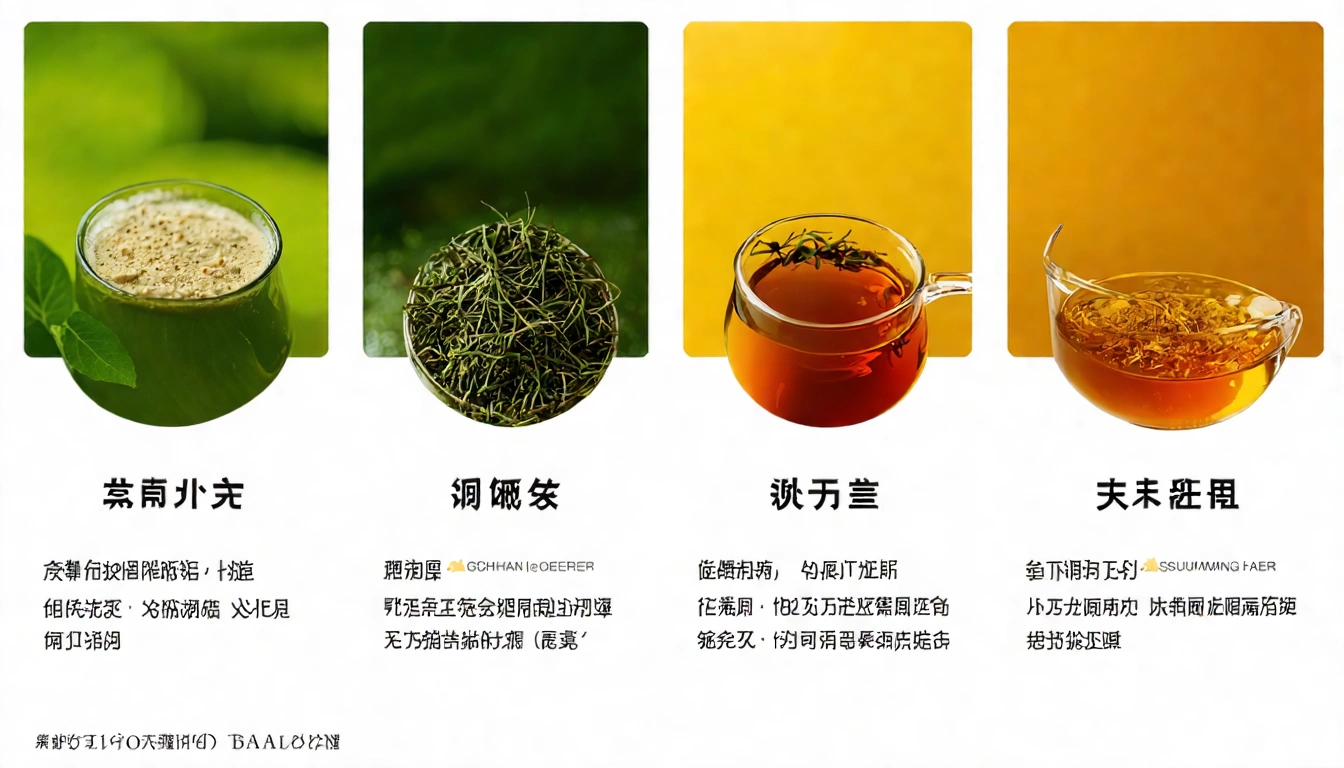
| Season | Recommended Tea | Reason | Recommended Method |
|---|---|---|---|
| Spring | Wenshan Baozhong, Si Ji Chun spring flush | Fresh spring tea just harvested, peak fragrance | Hot brew to appreciate aroma |
| Summer | Si Ji Chun cold brew, Jin Xuan cold brew | Cool and refreshing, low bitterness | Cold brew (1g:100ml, 4-6 hours) |
| Autumn | High mountain oolong (winter tea pre-order), Wenshan Baozhong | Crisp autumn air pairs perfectly with high mountain tea | Gongfu slow-tasting |
| Winter | High mountain oolong, honey black tea, Oriental Beauty | Warming and invigorating, rich body pairs best | Hot brew, focus on heat retention |
Spring: Spring Tea Season
Spring (February-May) is an important harvest season for Taiwan tea — spring tea comes from the first new leaves after winter dormancy, with particularly high amino acid content and typically excellent quality. Spring tea’s L-theanine content is 15-30% higher than summer tea, which is the biochemical reason for spring tea’s exceptional sweetness (Taiwan Tea Research and Extension Station, 2024).
Spring is ideal for light floral oolongs — Wenshan Baozhong’s orchid fragrance and Si Ji Chun’s fresh floral aroma are most fitting in spring.
Summer: Cold Brew First
Taiwan summers are very hot, and drinking large amounts of hot tea is uncomfortable. Cold brew tea is the top choice for summer — Si Ji Chun and Jin Xuan’s floral aromas are most fully preserved in cold brew, with absolutely no bitterness, tasting as refreshing as floral sparkling water.
Not recommended for summer: heavily roasted oolong (like Muzha Tieguanyin) or Oriental Beauty Tea — these teas have a noticeably warming effect that isn’t comfortable in summer heat.
Winter: Warming Comfort
Winter (November-February) is also an important harvest season for Taiwan high mountain tea — winter tea’s sweetness is typically more pronounced than summer tea. High mountain oolong’s sweet warmth and honey black tea’s cozy richness make them the best choices for winter afternoon tea.
Winter brewing tip: Teaware loses heat quickly in cold weather. Pre-heat your teaware (pour boiling water into the teapot, wait 30 seconds, then discard) before brewing to better maintain brewing temperature.
Tea Pesticide Residues: How to Ensure Your Tea Is Safe
Pesticide residue is a concern for many tea consumers. This concern deserves to be taken seriously, but there’s no need for excessive alarm.
Taiwan’s Council of Agriculture 2024 tea pesticide residue inspection results show that Taiwan-grown tea has a compliance rate of 97.2% — the non-compliance rate for Taiwan-grown tea is very low (Taiwan Council of Agriculture, 2024). Taiwan’s tea pesticide residue standards are among the strictest in Asia, with many pesticide tolerance limits stricter than the EU.
The actual pesticide residue risks mainly come from two sources:
- A small number of farms that don’t follow proper pesticide usage protocols (buying from reputable brands greatly reduces this risk)
- Undeclared, illegally imported tea (tea of unknown origin sold at low prices)
Five Specific Methods for Choosing Safe Taiwan Tea
| Method | Explanation |
|---|---|
| Choose brands with pesticide residue test reports | Reputable tea merchants test each batch and have reports available |
| Choose organically certified tea | MOA, TOPA, COAA and other organic certifications have third-party verification |
| Choose Taiwan-grown tea | Taiwan’s pesticide regulations are stricter than those for imports |
| Avoid bulk tea of unknown origin | Unpackaged, unlabeled bulk tea carries the highest risk |
| Read product labels | Legitimate products include complete origin and manufacturer information |
Common Myths About Pesticide Residues Debunked
- “Rinsing tea washes away pesticides”: This is a misconception. “Rinsing tea” (quickly discarding the first steep) mainly removes surface debris and helps ball-shaped leaves unfurl. Its effect on removing pesticide residues is very limited — pesticide residues are within the leaf tissue, not on the surface.
- “Longer steeping releases more pesticides”: Relatively correct, but only if the tea already has excessive pesticide residues. If the tea itself is compliant, extended steeping still keeps pesticide dissolution within safe limits.
- “Organic tea has absolutely no pesticides”: The core of organic certification is not using synthetic pesticides, but organic farms may still use naturally permitted pesticide substances.
Based on our years of curation experience at ChaYanSo, consumer concerns about pesticide safety often center on the issue of “imported tea being passed off as Taiwan tea” — this is more concerning than pesticides themselves. Taiwan imports approximately 26,000 metric tons of tea annually, of which Vietnam accounts for about 70% and mainland China about 10% (Ministry of Agriculture, 2024). The truly high-risk category is low-priced bulk tea of opaque origin, not legitimate Taiwan-grown tea from established brands (Council of Agriculture compliance rate: 97.2%). Our key identification rule: legitimate Taiwan tea must have complete Chinese labeling, origin, and manufacturer information — if any of these is missing, exercise caution.
Core Differences Between Taiwan Tea and Japanese Tea
Taiwan tea and Japanese tea are both representatives of Asia’s finest teas, but their strengths are completely different:
| Comparison | Taiwan Tea | Japanese Tea |
|---|---|---|
| Primary tea types | Oolong (diverse), black tea | Primarily green tea (sencha, gyokuro, matcha) |
| Processing specialty | Oxidation craft (semi-oxidized oolong as core) | Kill-green craft (preserving more catechins) |
| Climate and terroir | Subtropical mountains, emphasis on high elevation | Temperate, focus on precise harvesting techniques |
| Main aroma profiles | Floral, honey, roasted, fruity (diverse) | Vegetal, seaweed, sweet (pure/clean) |
| EGCG content | Medium (oolong tea) | High (green tea, especially matcha) |
| Caffeine | Low-medium (30-50mg/cup) | Low-high (gyokuro higher, matcha highest) |
| Price (purchased in Taiwan) | Moderate | Import markup |
Conclusion: Taiwan oolong tea’s aromatic diversity and complexity are globally irreplaceable; Japanese green tea’s EGCG content and clean vegetal craft are Japan’s strength. Taiwan’s export tea unit price is approximately 6.5 times that of imported tea, reflecting the high international market recognition of Taiwan tea’s craftsmanship and terroir value (Ministry of Agriculture). Different needs call for different teas — “want complex floral-fruity aromas” choose Taiwan oolong; “want high EGCG antioxidants” choose Japanese green tea (or Taiwan’s Sanxia Biluochun is also a good option).
This season’s recommended teas are available at ChaYanSo. Browse our teas
How to Identify Good Tea: Complete Checklist
| Assessment Aspect | Good Tea Characteristics | Quality Concern Signs |
|---|---|---|
| Appearance | Uniform leaf shape, natural color, few broken pieces | Many broken leaves, uneven color, foreign matter |
| Dry aroma | Clear and persistent fragrance matching variety | No aroma, off-odors, chemical smell |
| Brew color | Clear and bright, color matching the variety | Cloudy, abnormal color |
| Brew aroma | Rich, more complex than dry aroma | Weak aroma, doesn’t match variety |
| Mouthfeel | Primarily sweet, acceptable moderate bitterness | Excessive unrelenting bitterness, noticeable sourness |
| Hui gan (aftertaste) | Sweet sensation rising 30-60 seconds after swallowing | No hui gan or returning bitterness |
Hui gan is the most important quality indicator. The scientific explanation for hui gan is that polyphenol compounds in tea bind with salivary proteins and then separate, stimulating sweet taste receptors (Taiwan Tea Research and Extension Station, 2024). Pronounced hui gan typically indicates rich and balanced polyphenol content — a biochemical marker of high-quality Taiwan tea.
How Many Cups of Tea Can You Drink Per Day? A Frequency Guide
Each cup (200ml) of Taiwan oolong tea contains approximately 30-50mg of caffeine. According to general health recommendations, the daily caffeine intake limit for adults is approximately 400mg (Ministry of Health and Welfare, 2024).
Recommended Daily Intake by Group
| Group | Recommended Cups/Day | Notes |
|---|---|---|
| General adults | 3-5 cups oolong tea | Avoid drinking 3-4 hours before bedtime |
| Pregnant women | 1-2 cups (low-caffeine varieties) | WHO recommends <=200mg/day during pregnancy |
| Elderly | 2-3 cups | Avoid on an empty stomach; drink after meals if stomach-sensitive |
| Caffeine-sensitive individuals | 1-2 cups (low-caffeine varieties) | Choose white tea or light oolong in the afternoon |
Timing matters more than quantity: drink for alertness in the morning, finish high-caffeine teas before 3 PM, and choose low-caffeine white tea or herbal tea in the evening.
FAQ: Common Taiwan Tea Knowledge Questions
What tea is best for summer?
Cold-brewed light floral oolongs are best for summer — Si Ji Chun (sweet floral) and Jin Xuan (natural milk aroma) are the most popular summer choices. 1g:100ml cold water, refrigerate 4-6 hours, completely non-bitter, more refreshing than any other beverage. Chrysanthemum tea and hibiscus tea are caffeine-free alternatives that are also great for beating the heat. Not recommended for summer: heavily roasted Tieguanyin and highly oxidized Oriental Beauty Tea, which have a warming effect that’s uncomfortable in summer heat.
What tea is best for winter health?
High mountain oolong (Lishan, Alishan) is the most recommended winter tea — high L-theanine content provides sweet warmth. Honey black tea has higher caffeine and ample warming quality, making it the best choice for winter afternoon tea. Research supports that theaflavins in black tea may promote circulation, offering antioxidant benefits alongside stomach-warming comfort (Taiwan Tea Research and Extension Station, 2024).
How can I verify whether tea has pesticide residues?
The most reliable method: choose brands with pesticide residue test reports (good merchants test each batch and have reports available), or purchase government-certified organic tea (MOA, TOPA, and other certifications). Taiwan-grown tea has a pesticide residue compliance rate of 97.2% (Council of Agriculture, 2024) — choosing well-known brands and reputable merchants already makes safety risks very low.
Which is better, Taiwan tea or Japanese tea?
Each has its strengths; neither is objectively superior. Taiwan oolong tea’s aromatic complexity and diversity are world-class; Japanese green tea’s EGCG content and clean vegetal craftsmanship are Japan’s unique advantage. If you prefer floral-fruity aromas and complex layering, choose Taiwan oolong; if you prefer clean vegetal purity and seek high antioxidant content, choose Japanese green tea (or Taiwan’s Sanxia Biluochun). When purchasing in Taiwan, Taiwan tea offers clearly better value.
How many cups of tea can you drink per day?
For healthy adults, 3-5 cups of Taiwan oolong tea (200ml/cup, 30-50mg caffeine) is perfectly safe, well below the daily 400mg caffeine limit. The key is timing: avoid high-caffeine varieties 3-4 hours before bedtime. Pregnant women should limit to 1-2 cups of low-caffeine varieties; elderly are recommended 2-3 cups, preferably after meals.
What are the standards for good tea?
The single most important indicator: hui gan (returning sweetness). 30-60 seconds after swallowing the tea, if you feel a sustained sweet sensation rising in your throat, that’s good tea. The biochemical mechanism of hui gan involves the interaction of polyphenol compounds with salivary proteins. Pronounced hui gan indicates rich and balanced polyphenol content — a biochemical marker of high-quality Taiwan tea (Taiwan Tea Research and Extension Station, 2024).
Further Reading
- Seasonal Tea Guide: Best Taiwan Teas for Spring, Summer, Autumn, and Winter
- Tea Pesticide Residue Safety Guide: How to Choose Safe Taiwan Tea
- Taiwan Tea vs. Japanese Tea: Complete Oolong vs. Green Tea Comparison
- Taiwan Tea Complete Guide (English): Taiwan Tea Guide for Tourists
- Complete Taiwan Tea Knowledge Guide: Oxidation, Origins, Processing Explained
- Taiwan Tea Recommendation Guide: Essential Beginner’s Guide to Choosing Tea
References
- Taiwan Tea Research and Extension Station (2024). Taiwan Tea Quality and Component Research.
- Taiwan Council of Agriculture (2024). Annual Tea Pesticide Residue Inspection Report.
- Ministry of Health and Welfare (2024). Daily Caffeine Intake Recommendations.
- WHO (2025). Pregnancy Caffeine Intake Guidelines.