Taiwan Tea Brewing Guide 2026 | Best Brewing Methods for Black Tea, Green Tea, Oolong, and Si Ji Chun
Both involve “pouring hot water and waiting,” but Taiwan black tea needs 95-100°C while Taiwan green tea can only handle 70-75°C. A 30-degree difference means the taste is worlds apart.
Based on our observations at ChaYanSo from interacting with tea drinkers, over 60% of people have no concept of water temperature control when brewing tea — which is why many are surprised the first time they taste the same tea brewed correctly: “I had no idea this tea could taste this good!”
This is a practical brewing guide organized by tea type, covering Taiwan’s most popular teas: black tea, green tea, oolong tea (Si Ji Chun), and honey black tea. Each tea has different characteristics, and brewing methods vary accordingly. Taiwan’s tea cultivation area is approximately 12,000 hectares, with an annual production of about 14,000 metric tons, of which Nantou County accounts for about 48.9% of the total, making it the largest tea-producing region (Ministry of Agriculture, 2024).
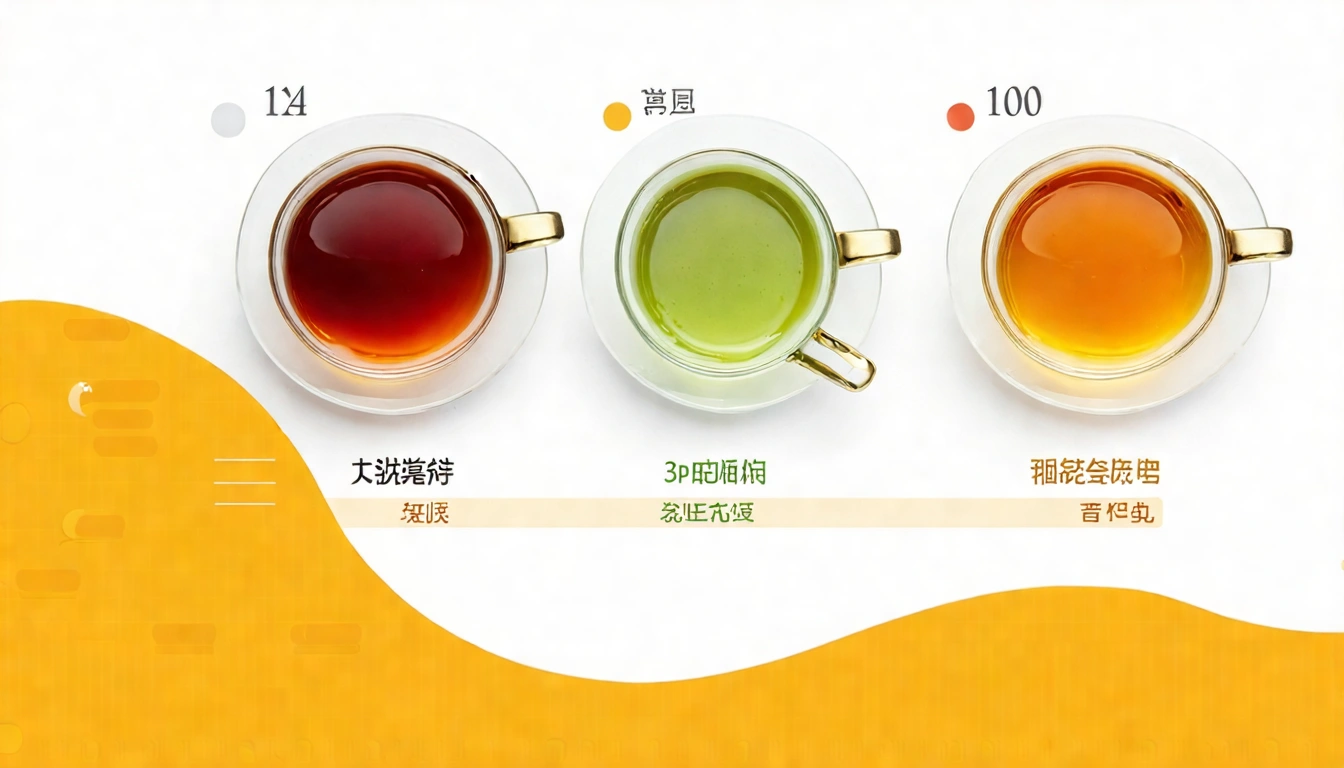
TL;DR: Optimal water temperatures for Taiwan teas: black tea 95-100°C, green tea 70-75°C, Si Ji Chun 85-90°C, honey black tea 90-95°C. Incorrect water temperature is the most common brewing mistake — using the right temperature can improve flavor by over 50% for the same tea. First infusion 30-45 seconds, gradually extend with each subsequent infusion.
The first step to a great cup of tea is choosing great tea leaves. Visit ChaYanSo
Taiwan Tea Brewing Guide Overview
Here is a quick-reference overview table:
| Tea Type | Water Temp | Tea-to-Water Ratio | First Infusion | Re-steeps | Best Method |
|---|---|---|---|---|---|
| Taiwan Green Tea | 70-75°C | 1g:60ml | 45-60 sec | 2-3 times | Hot brew |
| Taiwan White Tea | 85-90°C | 1g:60ml | 30-45 sec | 3-5 times | Hot/Cold brew |
| Si Ji Chun | 85-90°C | 1g:50ml | 30-40 sec | 5-7 times | Hot/Cold brew |
| Alishan Oolong | 90-95°C | 1g:50ml | 35-45 sec | 6-8 times | Gongfu/Hot brew |
| Taiwan Black Tea (Ruby/Yiye) | 95-100°C | 1g:50ml | 45-60 sec | 3-4 times | Hot/Cold brew |
| Honey Black Tea | 90-95°C | 1g:50ml | 40-50 sec | 3-5 times | Hot brew/With milk |
| Oriental Beauty | 90-95°C | 1g:50ml | 30-45 sec | 4-6 times | Hot/Cold brew |
How to Brew Taiwan Black Tea
Taiwan’s representative black teas are Taiwan Tea No. 18 (Ruby/Hong Yu) and Honey Black Tea, each with its own characteristics and slightly different brewing methods.
Taiwan Tea No. 18 (Ruby) Hot Brew:
Taiwan Tea No. 18 is one of the most highly regarded Taiwan black tea varieties in the world, with distinctive menthol and cinnamon aromas. High temperature (95-100°C) is needed to fully release these unique aromas. Taiwan’s export tea unit price is approximately 6.5 times that of imported tea, and Taiwan Tea No. 18 Ruby is one of the representative high-value export varieties (Ministry of Agriculture, 2024).
- Water temperature: 95-100°C (pour directly with boiling water)
- Ratio: 1g:50ml
- Steeping time: 45-60 seconds
- Special note: Do not exceed 60 seconds, or Ruby’s menthol aroma will be overwhelmed by bitterness
Taiwan Tea No. 18 Cold Brew:
- Ratio: 1g:100ml
- Refrigeration time: 6-8 hours
- Flavor profile: Bitterness is completely eliminated, and the menthol aroma becomes clearer and more prominent — one of the best ways to experience the unique aroma of Taiwan Tea No. 18
Milk Tea Ratio Recommendations: Taiwan black tea has a very strong tea flavor. When making milk tea, brew a concentrated tea (1g:30ml) and use a tea-to-milk ratio of 3:2. Whole milk works best; frothed milk also pairs wonderfully with Taiwan black tea.
How to Brew Taiwan Green Tea
Taiwan green tea (Sanxia Longjing, Biluochun, lightly roasted Wenshan Baozhong) follows similar brewing logic to Japanese green tea, but the flavor profile is different — Taiwan green tea has higher polyphenol content and stronger aromas, requiring stricter low-temperature control. Sanxia Biluochun is Taiwan’s most renowned locally produced green tea, with a growing area of about 88 hectares, using Taiwan’s only “Qingxin Gan Zai” cultivar, which has the highest catechin content among all tea varieties (New Taipei City Bureau of Agriculture, 2024).
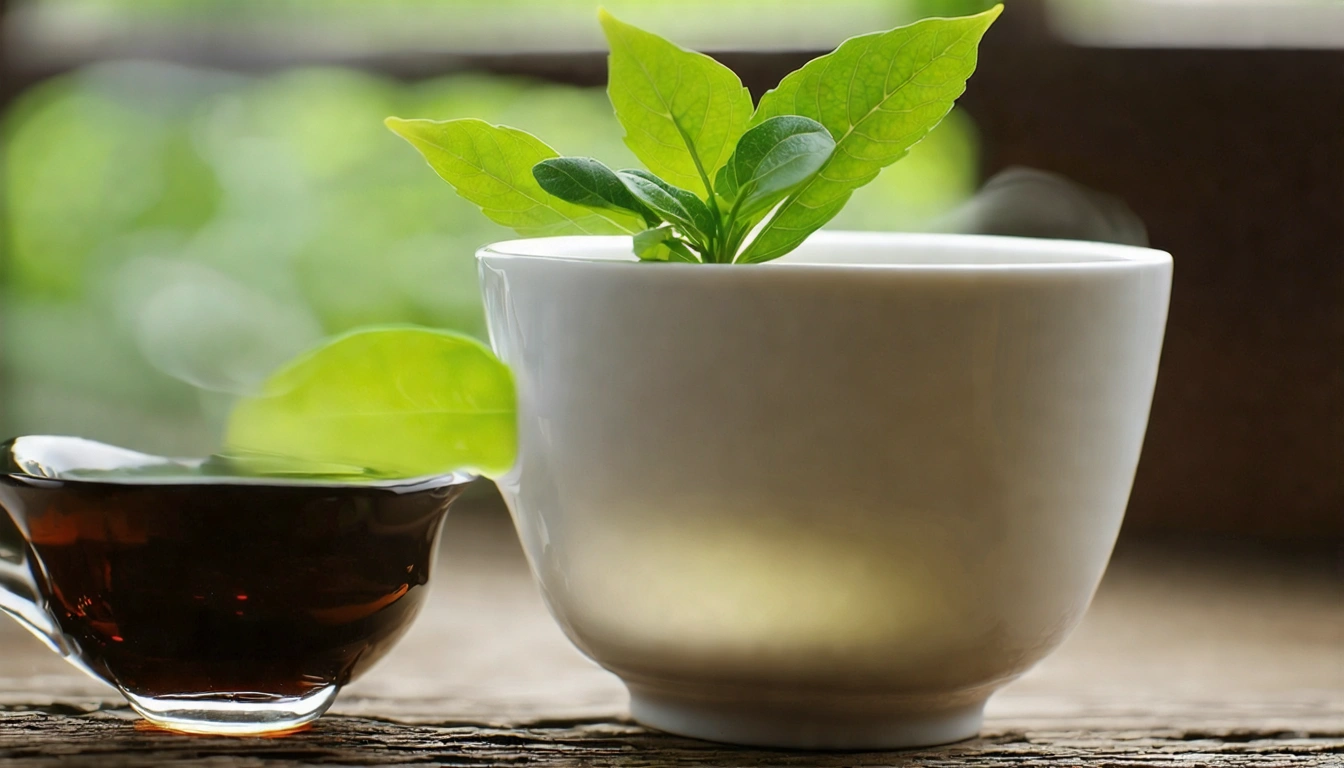
Core Principle: Keep the Temperature Lower Rather Than Higher
Taiwan green tea has high catechin content in its tender leaves, and high temperatures directly trigger significant bitterness. 70-75°C is the safest temperature range. Above 80°C, noticeable bitterness appears; above 90°C, bitterness is almost certain.
- Water temperature: 70-75°C
- Ratio: 1g:60ml (slightly more water than oolong)
- Steeping time: 45-60 seconds (slightly longer than oolong because low-temperature extraction is slower)
- Re-steeps: 2-3 times; later infusions can be extended to 1-1.5 minutes
How to Reach 70-75°C: Let boiled water sit for 8-12 minutes; or pour into another vessel and back, lowering the temperature by about 5-8°C each time; the most accurate method is a temperature-controlled electric kettle.
Is Taiwan Green Tea Not Suitable for Cold Brew?
It can actually be cold brewed, but the results aren’t as distinctive as with oolong. Taiwan green tea cold brewed becomes refreshingly smooth with virtually no bitterness, but the aroma tends to be thin. Use 1g:80ml, refrigerate for 3-4 hours — shorter than oolong cold brew time.
How to Brew Si Ji Chun (Four Seasons Spring)
Si Ji Chun is the most commonly found everyday oolong tea on the Taiwan market — light floral aroma, approachable and easy to brew, it’s many people’s entry point into Taiwan tea. Among global tea production, oolong tea accounts for only about 2%, and Taiwan is one of the world’s most important oolong tea-producing regions. Si Ji Chun, as a uniquely Taiwanese cultivar, is highly recognizable in international markets (Ministry of Agriculture, 2024).
Why Is Si Ji Chun Best for Cold Brewing?
Si Ji Chun’s floral aroma comes from volatile terpene aroma compounds, which are better preserved during low-temperature extraction. Hot brewing produces stronger but more fleeting aromas; cold brewing preserves them for a more lingering and delicate experience. At ChaYanSo tasting events, we found that many first-time Si Ji Chun cold brew drinkers said it tasted better than the hot version — the cold brew’s floral fragrance is more concentrated, and the sweetness is more prominent.
Si Ji Chun Hot Brew:
- Water temperature: 85-90°C (avoid going higher, as high heat causes the floral aroma to dissipate too quickly)
- Ratio: 1g:50ml
- First infusion: 30-40 seconds
- Subsequent: Add 10 seconds per infusion, steepable 5-7 times
Si Ji Chun Cold Brew (recommended):
- Ratio: 1g:100ml
- Refrigeration: 3-5 hours
- Flavor: Fresh, sweet floral notes with virtually zero bitterness — the top choice for summer refreshment
How to Brew Honey Black Tea
Honey black tea is a uniquely Taiwanese small-leaf black tea. Its honey aroma develops because leafhoppers gently bite the tea leaves during the growing process, triggering a special honey-like aromatic quality — this is the origin of the honey aroma and its only source. Boiling water extracts at least double the caffeine compared to 80°C, so honey black tea is best brewed at 90-95°C rather than boiling water, to balance honey aroma release with bitterness control (Food Science Research, 2023).
The Key to Extracting the Honey Aroma:
The chemical components of the honey aroma (primarily hotrienol) are most fully released at 90-95°C. Water that’s too cool (e.g., 85°C) produces an incomplete honey aroma; water that’s too hot (100°C) causes the honey aroma to evaporate too quickly, shortening its lingering time.
- Water temperature: 90-95°C (slightly lower than Taiwan Tea No. 18)
- Ratio: 1g:50ml
- First infusion: 40-50 seconds
- Subsequent: Add 10-15 seconds per infusion, steepable 3-5 times
- Special tip: After pouring, smell the aroma first — the fruity honey notes are most pronounced at the rim of the cup
Honey Black Tea: Milk vs. Pure: Adding milk to honey black tea partially masks its delicate honey aroma. We recommend drinking it pure first to experience the honey character. If you decide you’d like it as a milk tea, adding oat milk preserves the honey sweetness better than regular milk.
All the teas featured in this article are carefully curated by ChaYanSo. Shop now
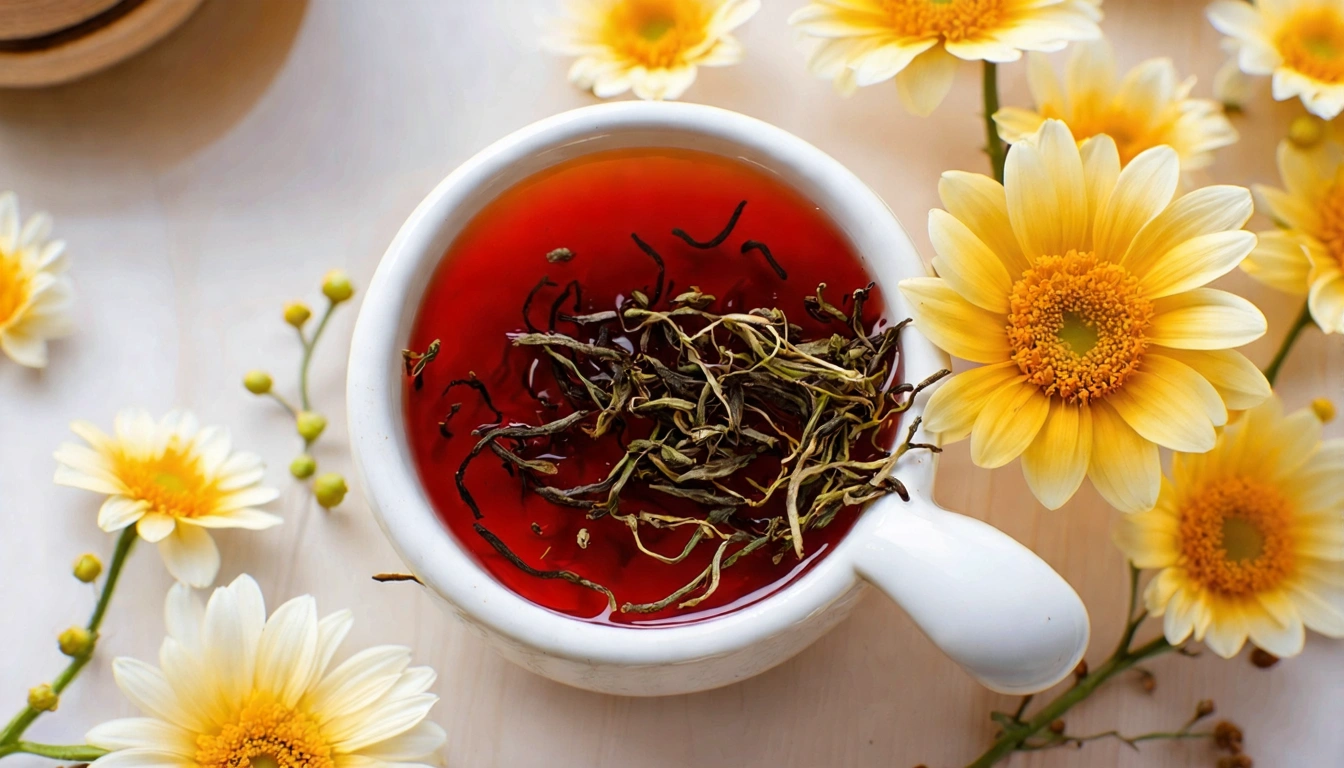
Honey black tea and Taiwan Tea No. 18 Ruby are Taiwan’s two signature black teas, but the optimal temperature for bringing out their “signature” differs: Ruby’s menthol-cinnamon aroma needs boiling-hot water to activate, while honey black tea’s floral honey aroma reaches its best balance at 90-95°C — going higher actually causes the honey aroma to dissipate too quickly. Different teas require different “ideal solutions” for water temperature.
How to Brew Tea Without Bitterness: The Three Most Important Habits
Habit 1: Confirm the Water Temperature (Most Important)
The number one cause of bitter tea is water that’s too hot. Pouring boiling water directly onto green tea or lightly roasted oolong will almost certainly result in bitterness. Getting a thermometer, or using a temperature-controlled electric kettle, is the most effective solution. Cold brew tea extracts only about 30% of the caffeine compared to hot brewing, which also explains why cold brew is virtually never bitter (Food Science Research, 2024).
At ChaYanSo, customers frequently tell us “the tea is too bitter,” and our first question is always “What temperature water are you using?” — in over 90% of cases, simply adjusting the water temperature solves the problem. This is why we clearly label the recommended water temperature on every tea’s packaging.
Habit 2: Don’t Over-Steep
Control steeping time to 30-60 seconds for the first infusion (depending on tea type). Use a timer — don’t go by feel, especially when you’re just learning to brew tea. Bitterness caused by over-steeping is harder to predict than temperature-related issues.
Habit 3: Pour Out Completely
Pour out all the tea liquor after each infusion. Tea left sitting in the pot continues to extract, which is the most common reason each subsequent infusion becomes increasingly bitter. Once you develop this habit, the quality of later infusions from the same tea will improve significantly.
FAQ: Common Questions About Brewing Different Tea Types
How do I brew tea without bitterness?
Three keys: confirm water temperature (green tea 70-75°C, oolong 90°C, black tea 95-100°C), control time (first infusion 30-60 seconds, don’t over-steep), and pour out completely (empty the pot each time, don’t leave liquid at the bottom to keep extracting). Research by Taiwan’s Tea Research and Extension Station confirms that every 10°C increase in water temperature raises bitter catechin extraction by 15-20% (Tea Research and Extension Station, 2024).
How long should I steep tea leaves?
It depends on the type. Green tea 45-60 seconds (low-temperature extraction is slow), oolong 30-45 seconds (first infusion), black tea 45-60 seconds. When trying a new tea for the first time, start with a 30-second pour, and if it’s too light, extend by 10 seconds. Don’t try to increase strength by extending time — that only increases bitterness. Adjusting concentration by increasing the amount of tea leaves is the better approach. High-altitude tea regions (650-1,100 meters) produce leaves with significantly higher theanine content than low-altitude regions, meaning they are richer in sweet compounds, so high mountain oolong brewed correctly has a more pronounced lingering sweetness (Food Science Research, 2022).
Our ChaYanSo team, while testing optimal brewing parameters for different tea types, discovered an interesting pattern: many customers who taste correctly brewed Taiwan black tea and green tea for the first time exclaim “I had no idea the difference could be this big.” Proper brewing brings out completely different flavor dimensions from the same tea.
Further Reading
- Complete Tea Brewing Tutorial: Hot Brew, Cold Brew, Gongfu Steps
- Complete Cold Brew Tea Guide: Ratios, Timing, Best Teas
- Complete Tea Brewing Temperature and Ratio Guide: Optimal Parameters by Type
- Oolong Tea Brewing Tutorial: Hot Brew, Cold Brew, Gongfu
- Complete Guide to Taiwan Black Tea: Sun Moon Lake, Ruby, Honey Varieties
References
- Taiwan Tea Research and Extension Station (2024). Taiwan Tea Brewing Conditions Research.