
Complete Guide to Taiwan Specialty Tea Varieties 2026 | Tieguanyin, Wenshan Baozhong, Oriental Beauty Tea
Taiwan’s oolong tea is not just one single type — Tieguanyin, Wenshan Baozhong, Oriental Beauty Tea, and Gui Fei Tea each have completely different oxidation levels, aroma profiles, and stories, and they are all crystallizations of Taiwan’s unique tea culture.
This article thoroughly analyzes Taiwan’s most important specialty tea varieties: what they are, why they smell the way they do, how to judge quality, and which ones to choose.
Based on customer inquiry records at our tea research institute, “What kind of tea is Tieguanyin?”, “Is Wenshan Baozhong a green tea?”, and “Where does Oriental Beauty Tea’s honey aroma come from?” are the three most frequently asked questions about specialty teas — we found that these three questions share a common thread: the names are well-known, but very few people truly understand them (ChaYanSo Tea Research, 2025).
Let’s clear all of this up at once.
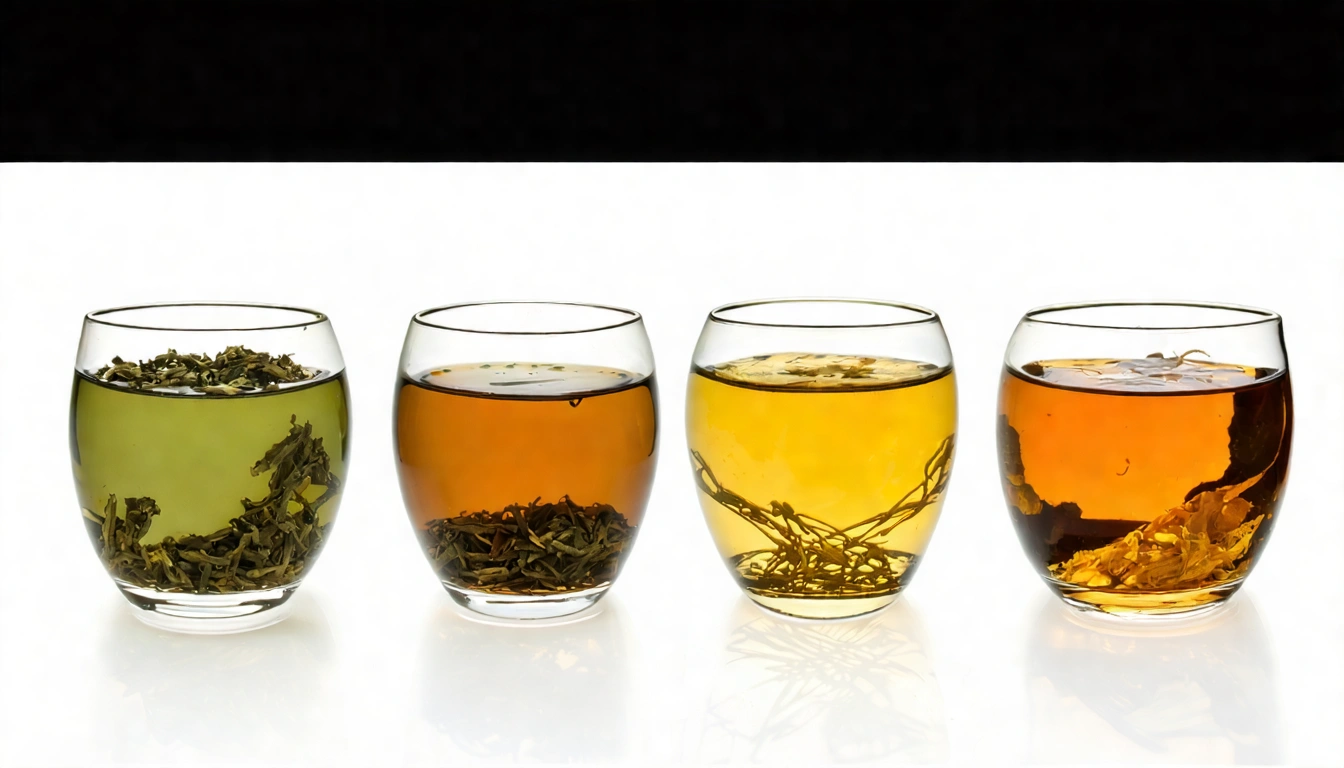
TL;DR: Taiwan’s four major specialty tea varieties — Tieguanyin (medium oxidation 30-40%, rich roasted character), Wenshan Baozhong (ultra-low oxidation 15-20%, the most fragrant Taiwan oolong), Oriental Beauty Tea (high oxidation 50-70%, honey aroma created by leafhoppers), and Gui Fei Tea (medium-high oxidation, lighter insect-bitten honey aroma). Taiwan’s four major oolong teas each have their own independent geographical indication certification (Taiwan Council of Agriculture, 2024).
Explore Taiwan’s specialty tea varieties, carefully curated by ChaYanSo. Browse our teas
What Kind of Tea Is Tieguanyin?
Tieguanyin is a type of oolong tea (qing cha) — it is not black tea, not green tea, and not “shu cha” (ripe tea) — these three misconceptions are very common in Taiwan. Tieguanyin is a semi-oxidized tea, with the Taiwan version oxidized to approximately 30-40%. Combined with traditional roasting techniques, Taiwan’s Tieguanyin presents a “rich roasted” character that is distinctly different from its Chinese counterpart (Taiwan Council of Agriculture, 2024).
Is Tieguanyin a “ripe tea” (shu cha)?
No. In Taiwan, “shu cha” (ripe tea) typically refers to ripe pu-erh tea — pu-erh that has undergone artificial pile fermentation, which is an entirely different category of tea. The “ripe” quality of Tieguanyin refers to the cooked fruit aroma and roasted fragrance that comes from the roasting process — it is a stylistic characteristic of the craft, not a tea classification.
Taiwan Tieguanyin vs. Fujian Tieguanyin
| Comparison | Taiwan Tieguanyin (Muzha) | Fujian Tieguanyin (Anxi) |
|---|---|---|
| Oxidation level | 30-40% | 15-35% (lower for qingxiang type) |
| Roast level | Medium-heavy roast | Qingxiang: light roast; Traditional: medium-heavy roast |
| Main aroma profile | Rich roasted, with fruit notes | Qingxiang: light floral; Traditional: rich and mellow |
| Growing region | Muzha and Shiding, Taipei | Anxi, Fujian |
| Infusion count | 5-8 times | 4-7 times (varies by roast level) |
| Price | Higher (high craft costs) | Wide range (from affordable qingxiang to premium) |
The defining feature of Taiwan’s Muzha Tieguanyin is its roasting technique — traditional Muzha Tieguanyin masters roast the tea leaves multiple times, allowing them to rest between each roast so the roasted character can mellow before the next session. This process gives Taiwan’s Tieguanyin a more even and layered roasted fragrance — not simply a “burnt” flavor, but a complex aroma of “cooked fruit + roasted sweetness.”
Wenshan Baozhong Tea: Taiwan’s Most Fragrant Oolong
Wenshan Baozhong tea is often mistaken for green tea, but it is actually an oolong tea — and the one with the lowest oxidation level among all Taiwan oolongs. Wenshan Baozhong has an oxidation level of only 15-20%, far lower than Si Ji Chun (20-30%) and Jin Xuan (25-35%), resulting in a clear, transparent brew with an aroma similar to green tea but with richer flavor (Taiwan Tea Research and Extension Station, 2024).
Why is it often mistaken for green tea?
Several reasons: the dry leaves are a green jade color (unlike the dark brown of heavily roasted oolong), the tea liquor is a pale, clear yellow (like green tea), and it tastes light and fragrant without noticeable fermented fruit aromas. However, in terms of processing, Baozhong tea does undergo light withering and light agitation (lang qing), which are processes unique to oolong tea and absent from green tea production.
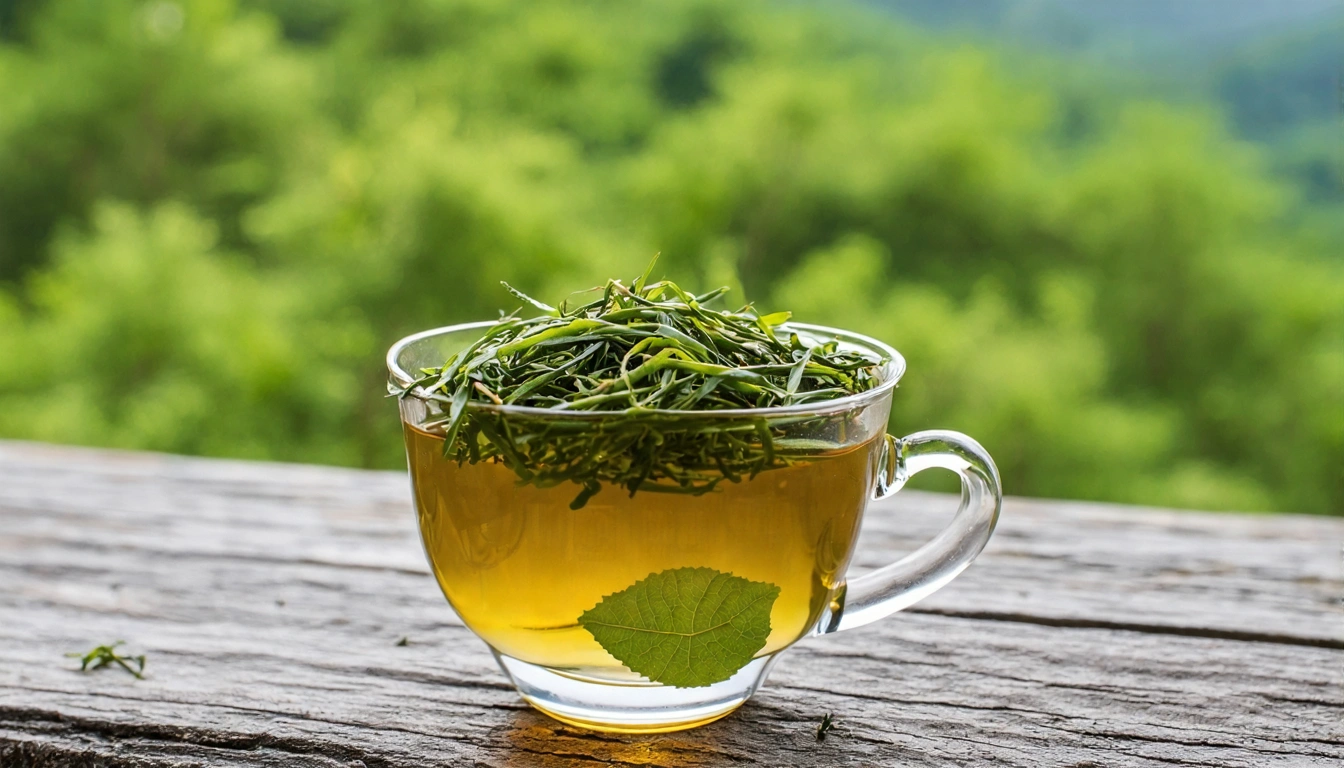
Wenshan Baozhong’s Aroma Profile: Natural Orchid Fragrance
Baozhong tea is most famous for its “natural orchid fragrance” — this aroma is not added; it develops naturally during the light agitation process. The higher the quality of the Baozhong tea, the clearer and more persistent the orchid fragrance becomes, with each infusion revealing slightly different nuances. This is the most captivating aspect of Baozhong tea.
Main Growing Regions of Wenshan Baozhong
Taipei’s Wenshan District (Jingmei, Muzha, Xindian) and Pinglin in New Taipei City are the primary growing regions. Pinglin is Taiwan’s most concentrated Baozhong tea-producing area, where annual competition tea evaluations are held. Pinglin’s mountainous environment (the protected agricultural zone within the Feitsui Reservoir watershed) provides excellent growing conditions for Baozhong tea.
Oriental Beauty Tea: Taiwan’s Remarkable Tea Born from Leafhopper Bites
Oriental Beauty Tea is the most story-rich variety among Taiwan’s teas — its honey aroma comes entirely from an insect’s bite.
The green leafhopper (Jacobiasca formosana) feeds on tea leaves during summer, triggering the tea plant’s defense response — the leaves release terpene compounds (such as hotrienol) to suppress the pest, and these compounds transform during tea processing into Oriental Beauty Tea’s distinctive honey aroma (Taiwan Tea Research and Extension Station, 2023). This mechanism can only occur on natural farming (pesticide-free) farms, because chemical pesticides would kill the leafhoppers, eliminating the honey aroma entirely.
Alternative Names for Oriental Beauty Tea
Oriental Beauty Tea has several common alternative names:
- Pengfeng Cha (Braggart Tea): From the Hokkien word meaning “to boast.” Legend has it that when early tea farmers told their neighbors about the good price they got for this tea, the neighbors didn’t believe them and said they were “bragging,” hence the name.
- Five-Color Tea: Because the tea leaves display five colors — red, yellow, white, green, and brown — creating a very distinctive appearance.
- Bai Hao Oolong (White Tip Oolong): Describing the white downy tips (bai hao) on the tea leaves.
Growing Regions for Oriental Beauty Tea
Taiwan’s Oriental Beauty Tea is mainly produced in Hsinchu County (Beipu, Emei) and Miaoli County (Toufen, Nanzhuang). The summer climate in these two areas is ideal for leafhopper survival, and they are the traditional core growing regions for Oriental Beauty Tea.
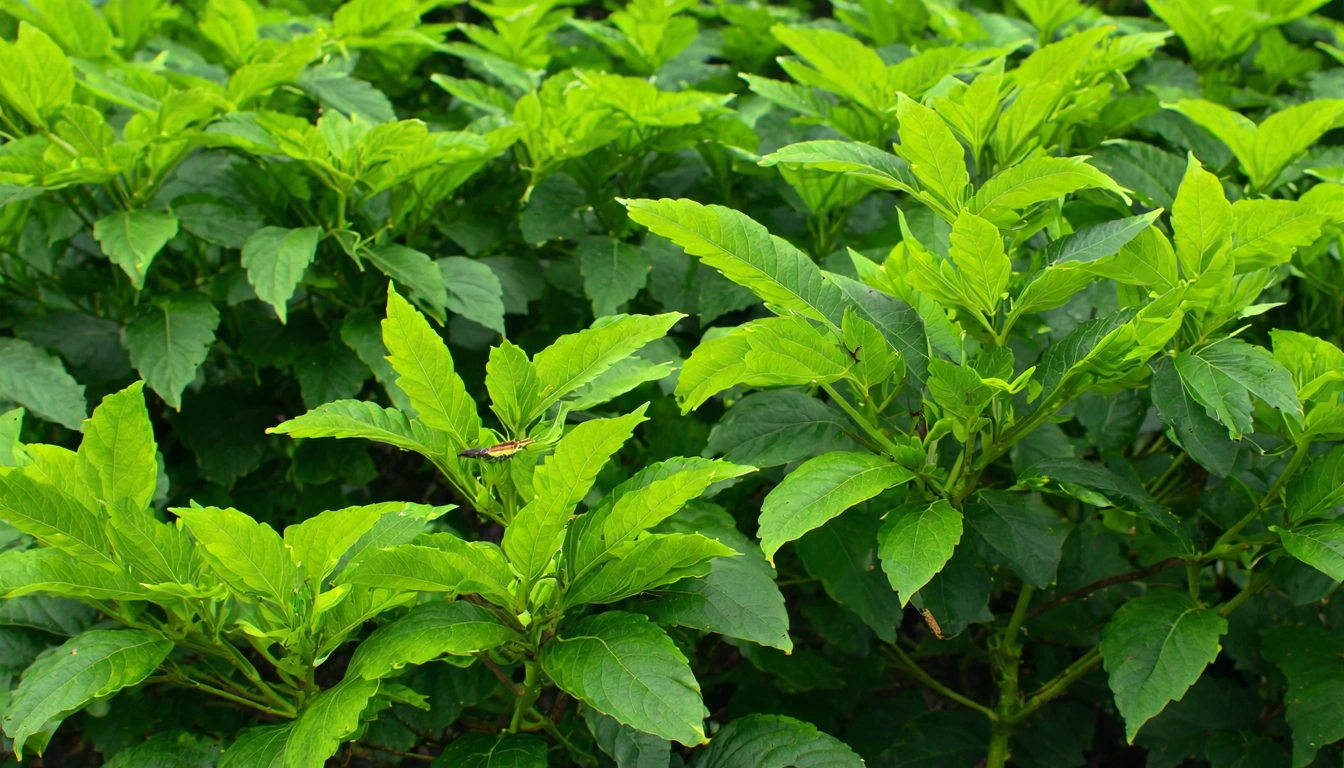
The reason Oriental Beauty Tea “cannot be mass-produced” is not that farmers don’t want to grow it, but that its core quality (honey aroma) requires insect bites, and insect biting is nonlinear and unpredictable — the activity level of green leafhoppers each summer is heavily influenced by weather, and the honey aroma quality between a good year and a bad year can differ by more than twofold. This is also why the award threshold for Oriental Beauty Tea competitions varies from year to year.
Complete Comparison Table of Taiwan Specialty Tea Varieties
| Tea Variety | Oxidation Level | Main Aroma Profile | Main Growing Region | Caffeine | Price Range (100g) | Infusion Count |
|---|---|---|---|---|---|---|
| Tieguanyin | 30-40% | Rich roasted, cooked fruit | Muzha, Taipei | Medium (35-50mg) | NT$400-2,000 | 5-8 times |
| Wenshan Baozhong | 15-20% | Light orchid fragrance | Pinglin, Taipei | Low (20-30mg) | NT$150-1,500 | 4-6 times |
| Oriental Beauty Tea | 50-70% | Honey aroma, fruit notes | Hsinchu, Miaoli | Medium-high (45-60mg) | NT$500-3,000+ | 5-7 times |
| Gui Fei Tea | 30-45% | Osmanthus honey aroma (light) | Nantou | Medium (35-45mg) | NT$300-1,200 | 4-6 times |
| Si Ji Chun | 20-30% | Light floral, fruity | Various regions in Taiwan | Low-medium (25-35mg) | NT$150-800 | 5-8 times |
The specialty teas featured in this article are all available at ChaYanSo. Browse our teas
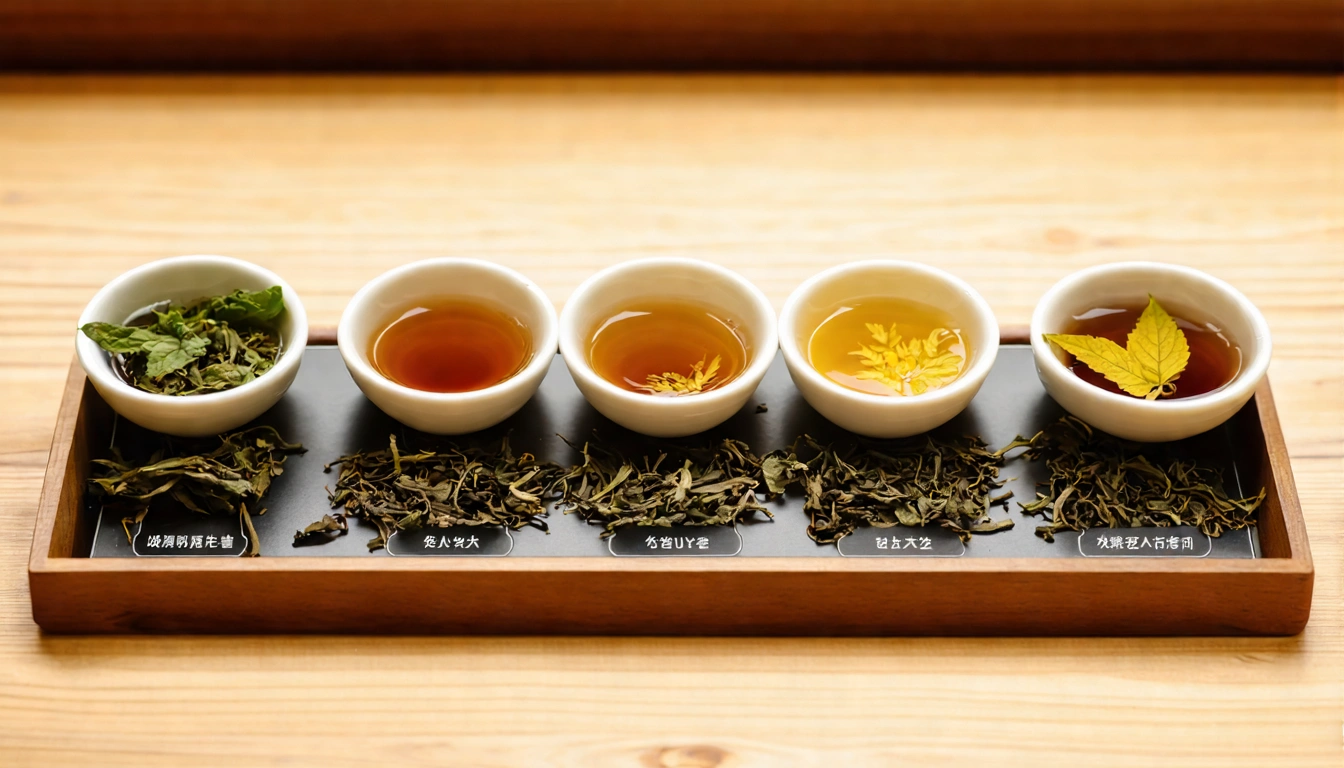
2026 Recommendations for Each Tea Variety
How to Choose Tieguanyin
For Taiwan Tieguanyin, the Muzha growing region is the safest choice. Good Muzha Tieguanyin has a “roasted grain + dried fruit” aroma when you smell the dry leaves, without any harsh burnt sensation — if it smells pungent, the roasting was usually too heavy or the quality is inconsistent. The aroma is most pronounced in the first two infusions, after which the sweetness increases.
How to Choose Wenshan Baozhong
Buying “competition-grade” Baozhong tea offers the most assurance. The Pinglin Farmers’ Association holds annual competition tea evaluations, and award-winning teas have rigorous scoring records — buying competition-grade Baozhong almost guarantees you won’t be disappointed. Regular commercial-grade (non-competition) Baozhong varies more in quality, so it’s best to start with tasting samples.
How to Choose Oriental Beauty Tea
Oriental Beauty Tea has a very wide price range — entry-level teas are around NT$500/100g, while top-tier competition teas can exceed NT$5,000. We at ChaYanSo recommend first-time buyers start with the mid-range at NT$1,000-1,500/100g: at this price point, you can typically taste the distinctive honey aroma clearly, experiencing the core character of Oriental Beauty Tea without spending a fortune.
FAQ: Common Questions About Taiwan Specialty Tea Varieties
What kind of tea is Tieguanyin? What category does it belong to?
Tieguanyin belongs to the oolong tea (qing cha) category and is a semi-oxidized tea. The Taiwan version (Muzha Tieguanyin) is characterized by medium-heavy roasting, with an oxidation level of approximately 30-40%. Its aroma profile features rich roasted fragrance with cooked fruit notes. It is not green tea, not black tea, and not ripe pu-erh tea — these three are the most common misconceptions.
Is Wenshan Baozhong a green tea?
No. Wenshan Baozhong is a type of oolong tea, but with the lowest oxidation level (15-20%), so its brew and taste are similar to green tea. The key difference lies in the processing: Baozhong tea undergoes “lang qing” (agitation for light oxidation), while the core process for green tea is “sha qing” (kill-green, to halt oxidation) — these two processes have opposite purposes and determine the fundamental classification of the tea (Taiwan Tea Research and Extension Station, 2024).
Where does Oriental Beauty Tea’s aroma come from?
It comes entirely from green leafhopper bites. The insect bites trigger the tea plant’s defense mechanism, releasing terpene compounds that transform during tea processing into the distinctive honey aroma — this mechanism can only occur on natural farming (pesticide-free) farms. This is why Oriental Beauty Tea is more expensive than other Taiwan teas: it cannot be mass-produced and can only be made during specific seasons (when leafhoppers are active in summer) under specific conditions (organic farming methods) (Taiwan Tea Research and Extension Station, 2023).
Is Tieguanyin a ripe tea (shu cha)?
No. Ripe tea specifically refers to ripe pu-erh tea (pu-erh that has undergone artificial pile fermentation). The “ripe” quality of Tieguanyin comes from the cooked fruit aroma and roasted flavor produced by the roasting process. It is a semi-oxidized oolong tea with a completely different production process from ripe pu-erh.
Which tastes better, Taiwan Tieguanyin or Fujian Tieguanyin?
The two have different styles and cannot be directly compared as better or worse. Taiwan’s Muzha Tieguanyin is known for its rich roasted character, ideal for those who enjoy a “mature” feel with roasted fragrance. Fujian Anxi’s qingxiang-type Tieguanyin offers a fresh floral character, suited for those who prefer a lighter, fragrant style. Among our ChaYanSo customers who have tasted Taiwan’s Muzha Tieguanyin, most said “I never expected Taiwan’s Tieguanyin to have such a distinctive personality” — in our tasting events, we observed that the roasted character is the biggest point of differentiation from Fujian’s qingxiang type, and those who love it, truly love it.
Further Reading
- Complete Guide to Tieguanyin Tea: Muzha Tieguanyin Flavor, Selection, and Brewing
- Complete Guide to Wenshan Baozhong Tea: Taiwan’s Most Fragrant Oolong
- Complete Guide to Oriental Beauty Tea: The Leafhopper Honey Aroma Story
- Taiwan Tea Processing Explained: Picking, Withering, Oxidation
- Taiwan Tea Recommendations by Audience: Choosing Tea for Different Needs
References
- Taiwan Tea Research and Extension Station (2024). Taiwan Tea Processing and Oxidation Classification Research.
- Taiwan Council of Agriculture (2024). Taiwan Tea Geographical Indication Standards.
- Taiwan Tea Research and Extension Station (2023). Research on the Honey Aroma Formation Mechanism of Oriental Beauty Tea.