Sijichun Tea Benefits 2026 | Catechins, Caffeine Content & Ideal Drinkers — Complete Analysis
What do you get from drinking Sijichun besides a delicious, light-fragrance tea?
Sijichun is a lightly fermented oolong (15-25% fermentation), sitting between green tea and oolong in terms of processing. It retains a large quantity of catechin compounds, giving it health benefits closer to green tea while having far less bitterness than typical green tea. This is the core logic behind Sijichun being “healthy and delicious at the same time.”
According to the Taiwan Tea Research and Extension Station’s 2023 research, Sijichun’s catechin content ranks medium-high among lightly fermented oolongs, with approximately 8-15mg of EGCG per gram of tea leaves (source: Tea Research and Extension Station health component analysis, 2023). This article provides a complete analysis of Sijichun’s benefits and ideal drinker profiles.
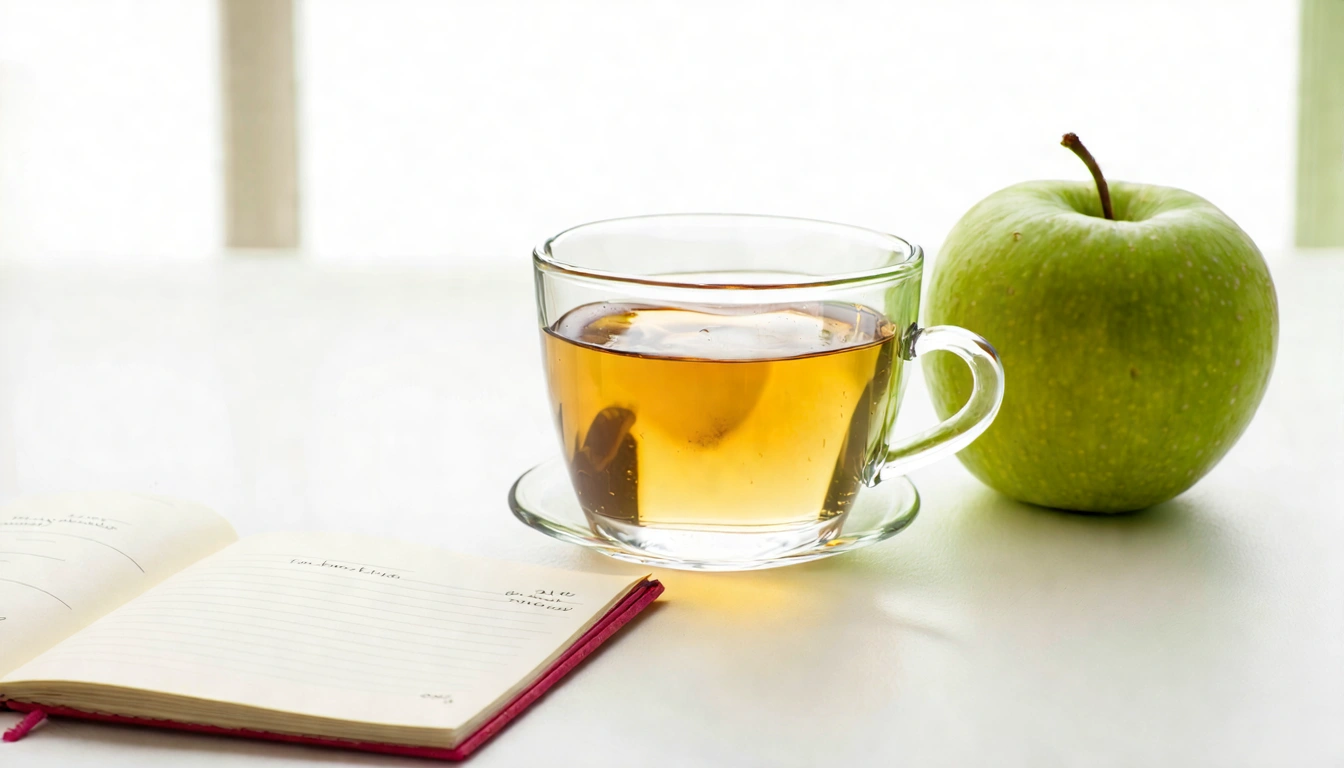
TL;DR: Sijichun is a lightly fermented oolong with medium-high catechin (EGCG) content, about 30-50mg caffeine per cup. Each gram of tea leaves contains approximately 8-15mg EGCG (Tea Research and Extension Station, 2023). The three core benefits are: metabolism boost, mental alertness (caffeine + theanine), and antioxidant protection. Ideal for office workers, tea beginners, and those who prefer light-bodied teas. Pregnant women should limit to 2 cups or fewer per day.
Start every day refreshed with a cup of Sijichun from ChaYanSo. Browse Teas
Key Health Components in Sijichun
Sijichun’s health component profile determines its functional characteristics:
| Component | Status in Sijichun | Function |
|---|---|---|
| Catechins (primarily EGCG) | Medium-high (low fermentation preserves more) | Antioxidant, metabolism boost |
| L-Theanine | Moderate | Relaxation with alertness, cognitive enhancement |
| Caffeine | Moderate (30-50mg/cup) | Alertness, metabolism boost |
| Total tea polyphenols | Abundant | Antioxidant, gut health |
| Flavonoids | Moderate | Antioxidant, anti-inflammatory |
The Key Significance of Light Fermentation:
The higher the fermentation level, the more catechins are oxidized (converting to theaflavins and thearubigins). Sijichun’s fermentation level of only 15-25% means most catechins remain in their original form, maintaining higher antioxidant activity. This gives Sijichun health characteristics closer to green tea than heavily fermented oolongs (such as Dong Ding) or black tea, while having more pleasant aroma and taste. Taiwan’s tea garden area covers approximately 12,000 hectares with annual production of about 14,000 metric tons, with oolong tea as the largest category. Sijichun is one of the most consistently supplied varieties within the oolong family (source: Ministry of Agriculture Tea Research and Extension Station, 2024).
Among ChaYanSo’s office-worker customer base, Sijichun is one of the teas with the highest repurchase rate. Many customers say, “Keeping a bag of Sijichun at the office is so much better than that third cup of coffee” — alert but not anxious is precisely the quality that makes Sijichun so popular.
4 Science-Backed Sijichun Health Benefits
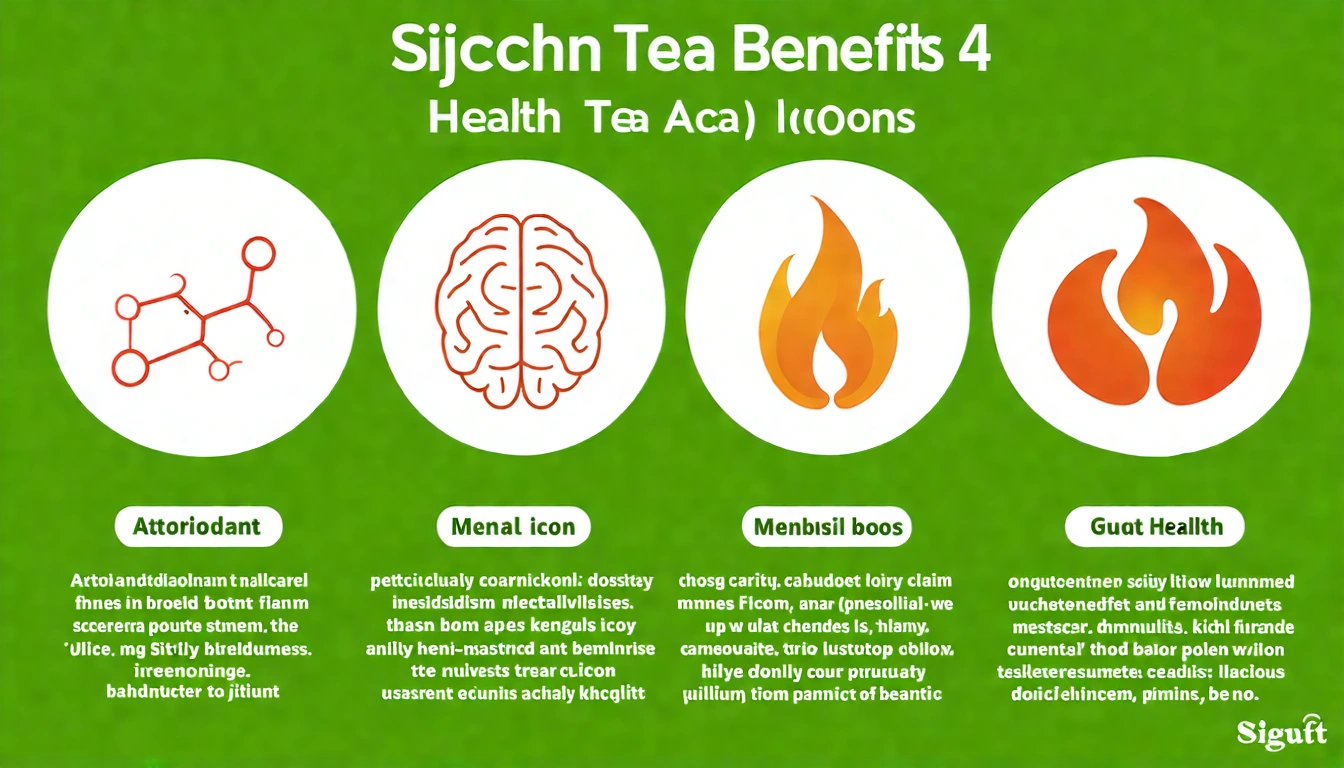
Benefit 1: Powerful Antioxidant Protection — The Catechin Shield
Sijichun’s EGCG (epigallocatechin gallate) is the catechin with the highest antioxidant activity. Its in-vitro antioxidant capacity (ORAC value) is 25-100 times higher than vitamin C (source: Journal of Food Chemistry Research, 2022).
Drinking 2-3 cups of Sijichun daily provides significant polyphenol compounds that help combat cellular oxidative damage.
Benefit 2: Mental Alertness — Caffeine + Theanine Synergy
Sijichun contains approximately 30-50mg of caffeine per cup, paired with L-theanine. Instead of coffee’s “short burst + crash,” it delivers a “sustained alertness + calm focus” cognitive state (source: Nutritional Neuroscience, 2022).
Why it’s better suited for long work sessions than coffee:
- Coffee: High caffeine provides rapid alertness, but often followed by fatigue crash after 2-3 hours
- Sijichun: Moderate caffeine + theanine buffer provides more stable effects, less likely to cause anxiety
Benefit 3: Metabolism Boost — Tea Polyphenol Action
Multiple studies show that regular consumption of catechin-containing teas can increase resting metabolic rate by 3-4% (source: American Journal of Clinical Nutrition, 2022). While Sijichun doesn’t have the highest catechin content of all teas (that would be green tea), it ranks on the higher end among oolongs.
What this means in practice: Sijichun is not a weight-loss drug, but as a daily zero-calorie beverage (when consumed without sugar), its metabolism-supporting effect is real and documented.
Many ChaYanSo customers switched from sugary drinks to Sijichun. They report that Sijichun’s floral sweetness makes “drinking without sugar” much less painful — a great entry point for those looking to reduce sugar intake.
Benefit 4: Daily Hydration + Gentle Gut Support
Research shows that moderate consumption of unsweetened tea can increase overall daily fluid intake and support digestive motility (source: European Journal of Nutrition, 2021). Sijichun’s light body makes hydration enjoyable, especially for those who don’t like plain water.
Sijichun Caffeine Comparison Chart
| Beverage | Caffeine (per 200ml) | Compared to Sijichun |
|---|---|---|
| Sijichun tea | 30-50mg | Baseline |
| Jinxuan tea | 30-50mg | Similar |
| High mountain oolong (Dong Ding) | 35-55mg | Slightly higher |
| Taiwan black tea | 40-70mg | Higher |
| Regular coffee | 95-120mg | 1.5-3x higher |
| Green tea | 20-35mg | Slightly lower |
| Herbal tea (pure) | 0mg | Caffeine-free |
Recommended Drinking Times:
- Morning after waking (alertness, start the day)
- During afternoon work (maintain focus, ideally before 3 PM)
- 3-5 PM (may mildly affect some people’s sleep — depends on individual sensitivity)
- Avoid within 3 hours of bedtime (caffeine half-life is 5-6 hours, may affect sleep)
Who Should Drink Sijichun?
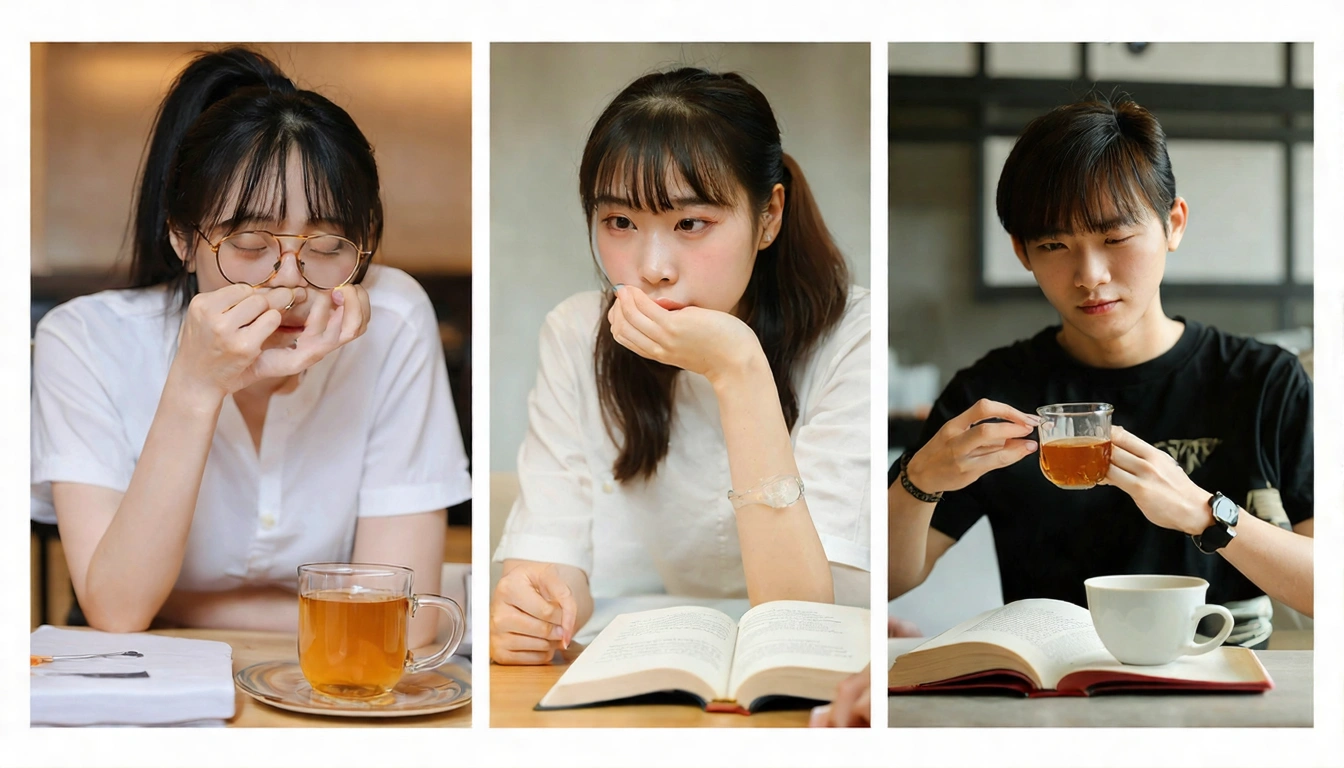
| Audience | Why Sijichun Is Ideal |
|---|---|
| Office workers | Moderate caffeine for alertness without causing anxiety, suitable for all-day drinking |
| Tea beginners | Low bitterness, fresh floral aroma that’s easy to enjoy, no adjustment period needed |
| Post-workout hydration | Light body, contains trace electrolyte minerals, more pleasant than plain water |
| Health-conscious individuals | Catechin antioxidants, tea polyphenols for gut health, zero calories (without sugar) |
| Students | Alert but not overstimulated, suitable for studying and exam preparation |
Precautions for Pregnant Women, Anemia Patients & Insomnia Sufferers
| Group | Precautions |
|---|---|
| Pregnant women | Daily caffeine limit 200mg; limit Sijichun to 3-4 cups per day |
| Breastfeeding mothers | Caffeine passes into breast milk; recommend moderate intake (1-2 cups per day) |
| Insomnia sufferers | Avoid after 3 PM, or switch to caffeine-free herbal tea |
| Sensitive stomach | Avoid drinking on an empty stomach; drink 30 minutes after meals |
| Anemia patients | Tea tannins inhibit iron absorption; space iron supplements or iron-rich foods at least 1 hour from tea |
According to ChaYanSo customer inquiry statistics, the most frequently asked questions about Sijichun are, in order: whether caffeine affects sleep (most common), how many cups per day is appropriate, and what time of day to drink. All three questions are fully addressed in this article.
Choose the right tea and start a healthier day. ChaYanSo’s Sijichun is carefully selected from the Nantou region with traceable quality. Shop Sijichun Now
FAQ: Common Questions About Sijichun Benefits
Is Sijichun high in caffeine?
Moderate. Approximately 30-50mg per cup (200ml), lower than coffee (95-120mg) and slightly lower than black tea. For those with mild caffeine sensitivity, drinking before 3 PM generally does not affect sleep. Nantou County accounts for approximately 48.9% of Taiwan’s tea cultivation area, with Sijichun primarily produced in Nantou’s Mingjian Township — stable and reliable quality (source: Ministry of Agriculture, 2024).
Can drinking Sijichun help with weight loss?
Sijichun’s catechins can help boost metabolism (approximately 3-4%), but the effect is limited and cannot replace exercise and dietary control. As a daily zero-calorie beverage, it plays a supportive role in weight management — zero calories, some metabolic support, and far healthier than sugary drinks. Taiwan tea’s export unit price is approximately 6.5 times that of imported tea, demonstrating international recognition of Taiwan tea’s quality and health value (source: Ministry of Agriculture, 2024).
ChaYanSo often receives the question “Can Sijichun really help with weight loss?” Our answer is: Sijichun is a great companion for a healthy diet, but it’s not magic. Replacing one sugary drink per day with a cup of Sijichun — the cumulative sugar reduction over a year is what truly makes the difference.
Is Sijichun suitable for afternoon drinking?
Completely suitable before 3 PM. Between 3-5 PM, it depends on individual caffeine sensitivity. If you can normally drink coffee in the afternoon and still fall asleep, Sijichun before 5 PM should be no problem. For those sensitive to caffeine, switch to herbal tea after 2 PM.
References
- Ministry of Agriculture Tea Research and Extension Station (2023). Taiwan oolong tea health component analysis report.
- American Journal of Clinical Nutrition (2022). Tea catechins and metabolic rate.
- Nutritional Neuroscience (2022). Caffeine and L-theanine: synergistic cognitive effects.
- European Journal of Nutrition (2021). Tea consumption and gut health.
Further Reading
- Sijichun & Jinxuan Complete Guide: Flavor, Benefits & Recommendations — Best Taiwan Oolong for Beginners
- How Does Jinxuan Tea Get Its Milky Flavor? Natural vs Artificial Identification Guide
- Sijichun & Jinxuan Tea Recommendations 2026: The Two Most Worth-Buying Taiwan Oolongs from Nantou
- Oolong Tea Health Benefits Guide: Catechins, Caffeine & Ideal Drinkers
- Complete Guide to Tea Health Benefits: Antioxidant, Metabolism, Sleep & Cardiovascular