
Sijichun Tea Recommendations 2026 | Jinxuan Tea Recommendations — Complete Buying Guide for Nantou’s Two Best Taiwan Oolongs
Among Taiwan’s many oolong tea varieties, the two that are truly “suitable for everyday drinking and great for first-time tasters” are Sijichun and Jinxuan.
These two teas share a common trait: they’re approachable. You don’t need special brewing skills, fancy teaware, or particular water quality — just get the water temperature right and don’t over-steep, and anyone can brew a delicious cup of Taiwan oolong. This guide provides practical 2026 buying advice so you can avoid wasting money and find genuinely good Sijichun and Jinxuan.
Taiwan’s tea garden area covers approximately 12,000 hectares with annual production of about 14,000 metric tons, of which oolong tea accounts for the largest share. Sijichun and Jinxuan are the two most popular entry-level varieties within the oolong category (source: Ministry of Agriculture Tea Research and Extension Station, 2024).
According to ChaYanSo’s 2026 customer repurchase data, Sijichun and Jinxuan are the two products with the highest repurchase rates, reflecting high customer satisfaction and frequent daily use.
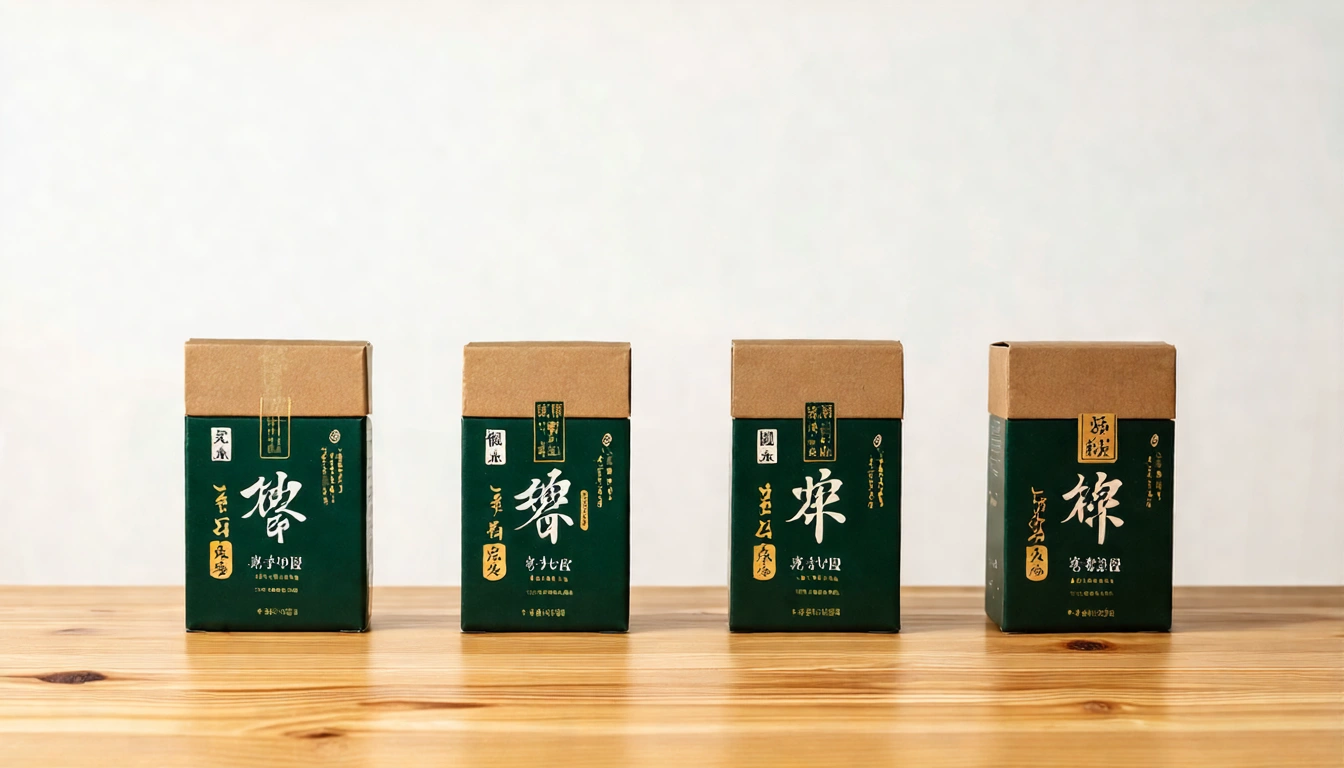
TL;DR: For Sijichun, prioritize Nantou spring tea at NT$300-800 per jin. For Jinxuan, look for clearly labeled varieties (TTES No.12) from the spring harvest at NT$400-1,200 per jin. Repurchase data shows both teas have high daily-use appeal (ChaYanSo, 2026). Quality checks: look at origin labeling, smell the bag upon opening, and confirm the harvest season.
Nantou’s two most accessible Taiwan oolongs, carefully selected by ChaYanSo. Browse Teas
Quick Comparison Before Buying: Sijichun vs Jinxuan
Before diving into specific recommendations, confirm which one suits your needs:
| Your Preference | Recommended Choice |
|---|---|
| Fresh floral aroma | Sijichun |
| Soft milky aroma | Jinxuan |
| Complete tea beginner, first time trying | Jinxuan (most direct aroma) |
| Daily high-volume drinking, value-focused | Sijichun (higher production, more affordable) |
| Afternoon tea with pastries | Jinxuan (milky aroma pairs perfectly with sweets) |
| Gift for an experienced tea drinker | Either works (depends on their aroma preference) |
Sijichun Recommendation Rankings 2026
4 Key Criteria for Choosing Sijichun
1. Confirm whether it’s spring or summer tea
Spring tea (harvested February-April): Most pronounced floral aroma, richest aftertaste — prioritize this Summer tea (harvested May-September): Slightly lighter fragrance, but lower price — suitable for high-volume daily drinking
2. Check the altitude labeling
Sijichun grown above 600 meters benefits from slower growth and richer aroma accumulation. Lower-altitude Sijichun (below 400 meters) is still good quality, but the aroma layers tend to be simpler.
3. Ask about the growing region
“Nantou County Mingjian Township” and “Nantou County Zhushan Township” are the main low-altitude production areas for Sijichun; “Nantou County Xinyi Township” and other higher-altitude regions also cultivate it.
Nantou County accounts for 40-45% of Taiwan’s domestically produced tea annual output. Mingjian Township is the largest Sijichun production area, contributing 46.5% of Nantou’s output, with 90% of local tea gardens growing Sijichun (source: CommonWealth Magazine industry survey; Ministry of Agriculture statistics, 2024).
4. Try small before buying big
For first-time Sijichun purchases, start with a 75-150g trial quantity. If you like it, then go for a full jin (600g) package.
Sijichun Budget Recommendations
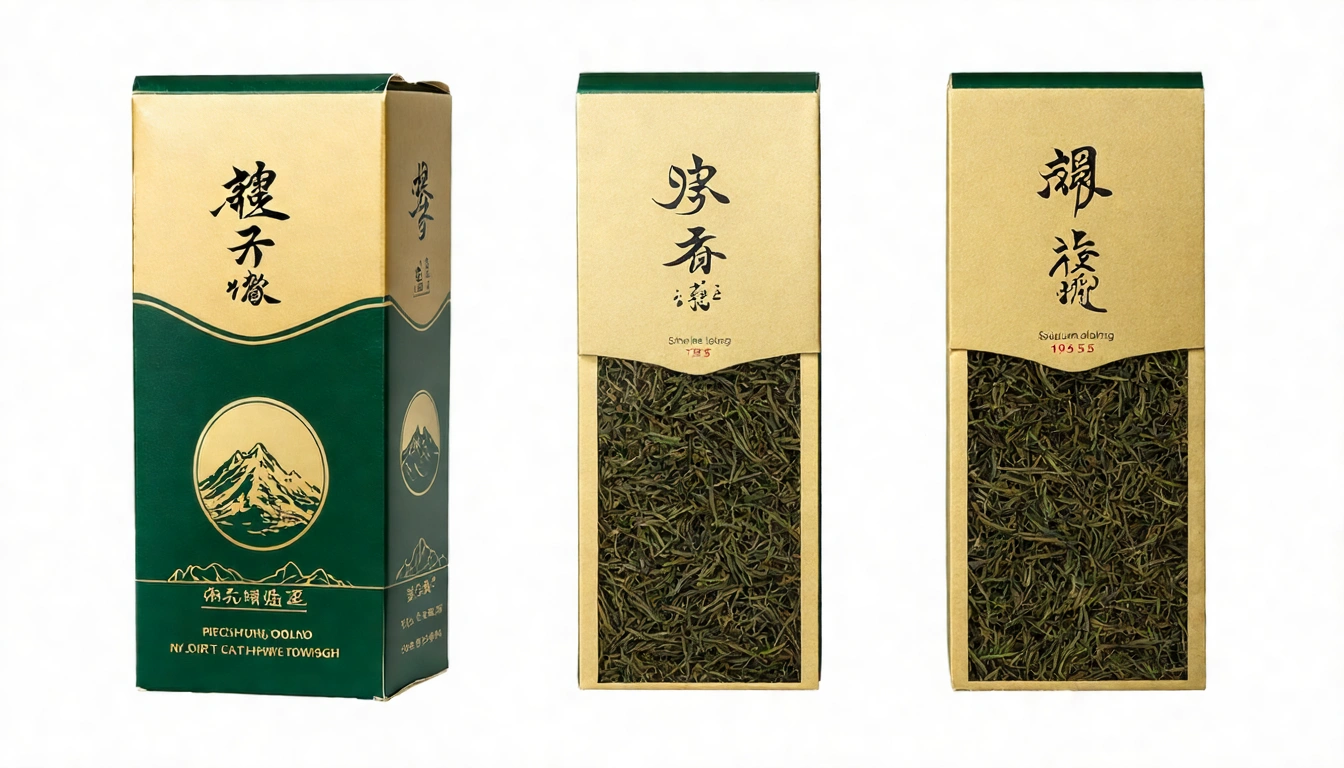
| Budget (per jin) | Expected Quality | Best For | Key Buying Tips |
|---|---|---|---|
| NT$300-500 | Standard quality, stable fragrance | Daily office hydration, high-volume drinking | Confirm it’s domestically grown in Taiwan with origin labeling |
| NT$500-800 | Mid-range quality, noticeable floral aroma | Daily enjoyment, casual gifting | Look for harvest season labeling, prioritize spring tea |
| NT$800-1,500 | Premium spring tea, complex aroma | Tasting, gifting, personal enjoyment | Confirm spring tea + altitude, ask about tea farmer info |
ChaYanSo Sijichun Purchasing Notes:
ChaYanSo’s Sijichun comes directly from Nantou-based tea farmers through direct partnerships to ensure traceable origins. Beginners should start with the 150g package and upgrade to the premium spring tea selection once they’ve become accustomed to the light fragrance.
Jinxuan Tea Recommendation Rankings 2026
5 Key Criteria for Choosing Jinxuan Tea
1. Confirm variety labeling
The packaging should clearly state “TTES No.12” or “Jinxuan Tea (variety).” If it only says “milky oolong” without specifying the variety, that’s a warning sign.
TTES No.12 (Jinxuan) is Taiwan’s second most widely planted tea variety, after Qingxin Oolong. Its harvest yield is 20-50% higher than Qingxin Oolong, with main production concentrated in Nantou and Chiayi (source: Tea and Beverage Crop Research and Extension Station variety introduction, 2024).
2. Opening-the-bag aroma test
Genuine Jinxuan tea should have a subtle milky aroma when you open the package, but it shouldn’t be intense (natural aroma is “there-but-barely-there”). If the bag releases a strong, pungent sweet fragrance upon opening, it may be artificially flavored tea.
3. Confirm it’s spring tea
Jinxuan’s milky aroma is most complete in spring tea; summer tea shows significantly weaker milky aroma. Jinxuan labeled as “spring tea” has a much higher success rate for purchase satisfaction.
4. Watch out for unreasonable pricing
Jinxuan tea priced below NT$400 per jin raises questions about varietal authenticity — the milky aroma characteristic is often artificial at that price point. A reasonable entry price is NT$600 per jin or above.
5. Try the tea bag format first
Some brands offer Jinxuan tea bags, which are excellent for first-time tasters — each bag contains about 3-5g, allowing low-cost confirmation of whether you like this tea’s milky aroma style.
Taiwan tea’s export unit price is approximately 6.5 times that of imported tea, reflecting Taiwan tea’s quality-driven competitive advantage. When purchasing Jinxuan, a reasonable price reflects Taiwan tea’s quality positioning (source: Ministry of Agriculture trade statistics, 2024).
Jinxuan Budget Recommendations
| Budget (per jin) | Expected Quality | Best For | Key Buying Tips |
|---|---|---|---|
| NT$400-700 | Milky aroma may or may not be present, approachable flavor | High-volume daily drinking, beginner tasting | Verify variety labeling, prioritize spring tea |
| NT$700-1,200 | Stable milky aroma, noticeable quality | Daily enjoyment, casual gifting | Confirm TTES No.12 variety, spring harvest |
| NT$1,200-2,000 | Premium spring tea, elegant and rich milky aroma | Tasting, gifting, special occasions | Direct tea farmer info inquiry, full traceability |
Buying Tips: How to Quickly Assess Tea Quality
Sijichun Quality Assessment
Signs of good tea:
- Dry leaves: Uniform, bright green with golden highlights, tightly rolled
- Liquor: Clear pale yellow, no cloudiness
- Aroma: Fresh floral scent noticeable when opening the package
- Taste: Sweet on entry, clear aftertaste, minimal bitterness
At ChaYanSo, the metric we value most when selecting Sijichun is the “opening aroma.” We’ve partnered with local Nantou tea farmers for years, tasting every batch before it arrives to confirm floral aroma intensity and sweetness, ensuring every package our customers receive delivers the fresh fragrance that Sijichun is known for.
Warning signs:
- High breakage rate (more than 30% fragments)
- Cloudy or dark liquor
- Flat aroma with no noticeable floral notes
- Strong bitterness (when brewed correctly)
Jinxuan Quality Assessment
Signs of good tea:
- Dry leaves: Uniform, golden-yellow or honey-green color
- Liquor: Pale honey-yellow, clear
- Aroma: Subtle milky aroma upon opening the bag (not intense)
- Taste: Smooth on entry, milky aroma emerges at the back of the throat, lasting aftertaste
Warning signs:
- Intensely pungent aroma upon opening (artificial flavoring alert)
- Artificial sweetness lingering on the palate
- Dark or cloudy liquor
- Priced below NT$400 per jin
Purchasing Channel Comparison
| Channel | Advantages | Disadvantages | Recommendation |
|---|---|---|---|
| Brand official website | Quality guaranteed, customer service available | Need to research the brand | Recommended, especially those with loyalty programs |
| Farmer’s markets | Direct access to tea farmers | Not regularly held | Very worthwhile to try |
| Online e-commerce | Convenient, easy comparison shopping | Hard to verify authenticity | Verify seller info carefully |
| Physical tea shops | Can taste before buying | Must visit in person | Great for first-time purchases |
Qingxin Oolong is Taiwan’s most widely planted variety (accounting for roughly 60-70%), followed by Jinxuan in second place and Sijichun in fifth. The top five varieties in order are: Qingxin Oolong, Qingxin Damao, Jinxuan, Cuiyu, and Sijichun (source: Ministry of Agriculture Tea and Beverage Crop Research and Extension Station variety statistics, 2024).
Nantou County accounts for 48.9% of the national planting area, and Chiayi County for 14.1% — together exceeding 60%, making these the most concentrated production areas for Sijichun and Jinxuan (source: Ministry of Agriculture Agricultural Statistics Yearbook, 2024).
For complete characteristics and scientific background on Sijichun and Jinxuan, see Sijichun & Jinxuan Complete Guide, as well as Jinxuan Tea Milky Aroma Science: Natural vs Artificial Identification.
Floral or milky — ChaYanSo has both ready for you. Shop now and find your favorite Taiwan oolong. Explore ChaYanSo Teas
FAQ: Sijichun & Jinxuan Buying Common Questions
Which is better — Sijichun or Jinxuan?
It depends on your flavor preference; there’s no absolute winner. If you prefer light fragrance and a natural floral quality: choose Sijichun. If you prefer a soft milky aroma with low-bitterness sweetness: choose Jinxuan. If unsure, buy small quantities of both to compare.
How much does Nantou Sijichun cost per jin?
According to ChaYanSo’s 2026 market survey, Nantou Sijichun prices vary widely: standard summer tea NT$300-500/jin, premium spring tea NT$500-1,000/jin, competition-grade or top-select teas can exceed NT$1,500/jin.
Where is the most reliable place to buy Jinxuan tea?
Prioritize sources with variety labeling (TTES No.12), specific origin information, and tea farmer or processing facility details. Buying directly from tea farmers at farmer’s markets is the most reliable method; reputable brand official websites are second; e-commerce platforms require careful seller verification.
At ChaYanSo, every batch of our Jinxuan tea includes origin and variety information, allowing customers to trace back to the partner tea farmer. We believe transparent sourcing information is the best way to build trust, and it’s our biggest differentiator from anonymous e-commerce sellers.
References
- ChaYanSo (2026). Sales data and customer feedback compilation.
- Sijichun & Jinxuan Complete Guide
- Sijichun Tea Benefits & Caffeine Analysis
- Jinxuan Tea Milky Aroma Science