Sijichun & Jinxuan Tea 2026 Complete Guide | Flavor, Benefits, Caffeine & Recommendations — Best Taiwan Oolong for Beginners
If you’re just getting started with Taiwanese tea, two varieties almost never disappoint — Sijichun and Jinxuan.
These two teas have an unofficial title in the Taiwanese tea world: “the honor students of entry-level tea.” Sijichun attracts newcomers with its fresh floral aroma, while Jinxuan wins over those who dislike bitterness with its natural milky fragrance. They’re not the most expensive Taiwanese teas, but they are the two most commonly enjoyed on a daily basis, for a simple reason: they taste great, they’re easy to brew, and they’re affordably priced.
According to sales data compiled by ChaYanSo in 2026, Sijichun and Jinxuan are the two varieties most frequently asked about by first-time buyers of Taiwanese tea, accounting for approximately 35% of all new customer inquiries. This guide covers everything from varietal characteristics to brewing techniques, offering a complete introduction to these two top picks for Taiwan oolong beginners.
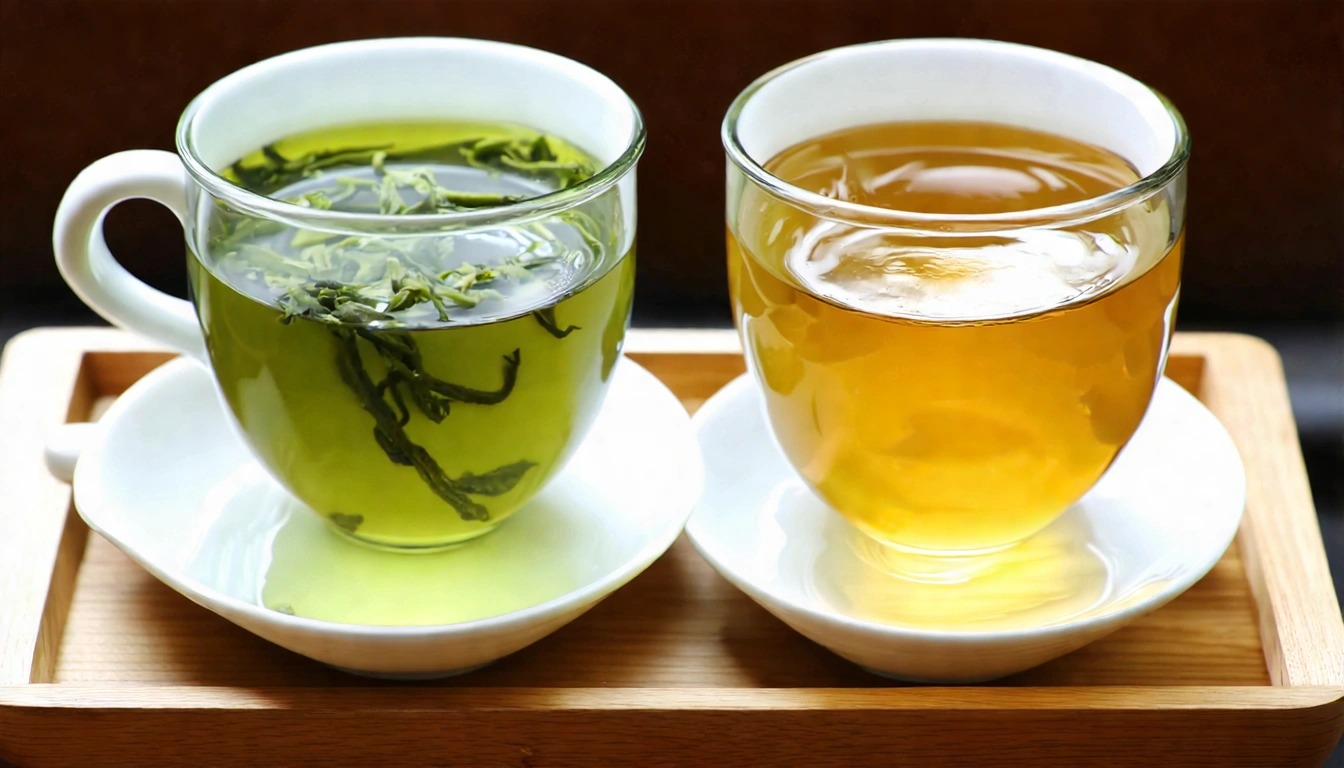
TL;DR: Sijichun is a native Taiwanese oolong variety — light floral aroma, harvested four times a year, moderate caffeine (about 30-50mg per cup). Jinxuan (TTES No.12) is known for its natural milky fragrance, which is not artificially added but rather a varietal characteristic. Both are primarily grown in Nantou County, and their annual production ranks among the top three oolong varieties in Taiwan (Ministry of Agriculture, 2024). Choose Sijichun for a light, refreshing experience; choose Jinxuan if you love milky aromas.
Want to taste Sijichun’s fresh floral aroma or Jinxuan’s natural milky fragrance? ChaYanSo carefully selects teas from the Nantou region with traceable quality. Browse ChaYanSo Teas
What Is Sijichun Tea? Taiwan’s Most Accessible Oolong
Sijichun is a locally bred Taiwanese oolong tea variety whose defining feature is right there in its name: it can be harvested in all four seasons.
Most oolong varieties are harvested 2 to 4 times a year (spring, summer, autumn, winter), but the Sijichun variety grows so vigorously that it can be picked up to 5 or 6 times per year (source: Ministry of Agriculture Tea Research and Extension Station varietal data, 2024). This makes Sijichun’s supply stable and its price accessible, making it one of the most widely circulated Taiwan oolong varieties on the market.
Sijichun Flavor Profile:
- Aroma: Light and fragrant, with natural floral notes (similar to gardenia and wildflowers)
- Bitterness: Low — beginner-friendly
- Body: Light, suitable for daily hydration
- Liquor color: Pale yellow to pale green, clear and bright
- Aftertaste: Present, but relatively brief
Who Should Drink Sijichun:
| Audience | Reason |
|---|---|
| Tea beginners | Low bitterness, fresh floral aroma, easy to enjoy |
| Office workers | Light and refreshing, not overly stimulating |
| Afternoon drinkers | Moderate caffeine, unlikely to affect nighttime sleep |
| Those who prefer light flavors | Ideal if you don’t like heavy-bodied teas |
For more on Sijichun’s health benefits and caffeine content, see Sijichun Tea Benefits: Catechins, Caffeine & Who Should Drink It.
Sijichun vs Jinxuan Tea: Key Differences at a Glance
| Feature | Sijichun | Jinxuan |
|---|---|---|
| Variety | Sijichun (breeding number undisclosed) | TTES No.12 (official designation) |
| Aroma | Light floral (gardenia, wildflowers) | Natural milky aroma with floral notes |
| Fermentation level | 15-25% | 15-25% |
| Caffeine | Moderate (30-50mg/cup) | Moderate (30-50mg/cup) |
| Bitterness | Low | Very low |
| Body | Light | Medium, soft and smooth |
| Liquor color | Pale yellow to pale green | Pale yellow to honey yellow |
| Main producing area | Nantou, Changhua, Chiayi | Nantou (Miaoli, Hualien secondary) |
| Harvests per year | 5-6 times | 4-5 times |
| Market price (per jin) | NT$300-800 | NT$400-1,000 |
| Best occasion | Daily hydration, office refreshment | Afternoon tea, first-time Taiwan tea experience |
Conclusion: Both teas are lightly fermented, light-fragrance oolongs with low bitterness — extremely approachable. The choice comes down purely to aroma preference: fresh floral fragrance for Sijichun, soft milky aroma for Jinxuan. Taiwan’s tea export unit price is approximately 6.5 times that of imported tea, meaning even the affordably priced Sijichun and Jinxuan are far superior in quality to imported oolongs (source: Ministry of Agriculture, 2024).
At our ChaYanSo retail location, we regularly offer side-by-side tastings of Sijichun and Jinxuan so customers can compare the two directly. Based on our observations, about 60% of first-time Taiwan tea drinkers choose Jinxuan (the milky aroma is more intuitive), while 40% choose Sijichun (the floral aroma is more refreshing) — neither choice disappoints.
Why Does Jinxuan Tea Have a Milky Aroma? The Science Explained
This is the most frequently asked question about Jinxuan tea, and the answer beautifully showcases the charm of Taiwanese tea.
Jinxuan tea’s (TTES No.12) natural milky aroma doesn’t come from milk or added flavoring. It is determined by the unique genetics of the TTES No.12 variety itself.
The Science of the Aroma:
According to research by the Taiwan Tea Research and Extension Station, Jinxuan’s milky aroma primarily comes from two types of volatile compounds (source: Tea Research and Extension Station varietal characteristics research, 2022):
-
Gamma-butyrolactone and related lactone compounds: These compounds carry a distinctive creamy, coconut-milk sweetness and are found in significantly higher concentrations in TTES No.12 compared to other varieties.
-
Geraniol: A major component of rose fragrance, also present in notable amounts in Jinxuan, adding a floral layer to the milky aroma.
Why doesn’t every Jinxuan have a milky aroma?
This is practical knowledge for tea buyers: while the Jinxuan variety does carry a natural milky aroma, the intensity is influenced by several factors:
- Harvest timing: Spring tea has the most pronounced milky aroma, followed by summer tea
- Altitude: Higher altitude (above 600 meters) means slower growth and richer aroma accumulation
- Withering conditions: Proper sun withering helps bring out the aroma
- Processing technique: Improper high-temperature fixation can destroy milky aroma compounds
If you encounter “Jinxuan tea” with almost no milky aroma, it may be because: (1) it’s summer tea rather than spring tea, (2) it’s from a lower altitude region, (3) processing was subpar, (4) it was blended with other varieties, or (5) it’s cheap tea with artificial Jinxuan-style flavoring added. Taiwan’s tea garden area is approximately 12,000 hectares with annual production of about 14,000 metric tons, but annual imports reach about 26,000 metric tons, meaning blending with imported tea does occur — pay attention to origin labeling when purchasing (source: Ministry of Agriculture, 2024).
At ChaYanSo, we’ve maintained long-term partnerships with tea farmers in Nantou’s Mingjian Township, and we insist on complete origin and varietal labeling. We’ve found that truly fine Jinxuan tea has a milky aroma that is “subtle and fleeting” — if it smells as strong as powdered creamer, you should actually suspect artificial flavoring has been added.
For a complete scientific analysis of Jinxuan’s milky aroma, see How Does Jinxuan Tea Get Its Milky Flavor? Natural vs Artificial Identification Guide.
Sijichun Benefits in Detail
Sijichun is a lightly fermented oolong that retains a higher proportion of catechins, offering health benefits similar to green tea but with less bitterness:
Key Health Components:
| Component | Level in Sijichun | Main Function |
|---|---|---|
| Catechins | Medium-high (low fermentation preserves more) | Antioxidant, metabolism boost |
| L-Theanine | Moderate | Relaxation with alertness, cognitive enhancement |
| Caffeine | Moderate (about 30-50mg/cup) | Alertness, metabolism boost |
| Tea polyphenols | Abundant | Antioxidant, gut health |
Drinking 2-3 cups of lightly fermented oolong tea daily can provide approximately 60-80% of the recommended daily polyphenol intake (source: Tea Research and Extension Station health benefits research, 2023).
Why It’s Especially Good for Office Workers:
Sijichun’s caffeine content (about 30-50mg per cup) is lower than typical coffee (about 95-120mg per cup). Combined with L-theanine’s calming effect, it provides an “alert but not anxious” state, ideal for those who need sustained focus during long work sessions.
Found a tea you like from this article? ChaYanSo’s Nantou Sijichun and Jinxuan teas — traceable quality, delivered to your door. Shop Now
Sijichun & Jinxuan Tea Recommendation Rankings 2026
Sijichun Buying Guide:
| Grade | Characteristics | Suggested Price (per jin) | Best For |
|---|---|---|---|
| Premium spring tea | Pronounced floral aroma, lasting aftertaste | NT$600-1,000 | Tasting, gifting |
| Standard spring/summer tea | Stable fragrance, great value | NT$300-600 | Daily drinking |
| Tea bag format | Convenient, office-ready | Varies by brand | Office, on-the-go |
Jinxuan Buying Guide:
| Grade | Characteristics | Suggested Price (per jin) | Best For |
|---|---|---|---|
| Premium natural milky aroma | Elegant milky aroma, pronounced floral notes | NT$700-1,200 | Tasting, gifting |
| Standard milky aroma | Stable milky aroma, affordable | NT$400-700 | Daily drinking |
| Tea bag format | Quick and convenient, good for first try | Varies by brand | First-time experience |
For more detailed purchase recommendations and brand comparisons, see Sijichun & Jinxuan Tea Recommendations 2026: The Two Most Worth-Buying Taiwan Oolongs from Nantou.
Sijichun / Jinxuan Tea Brewing Tips
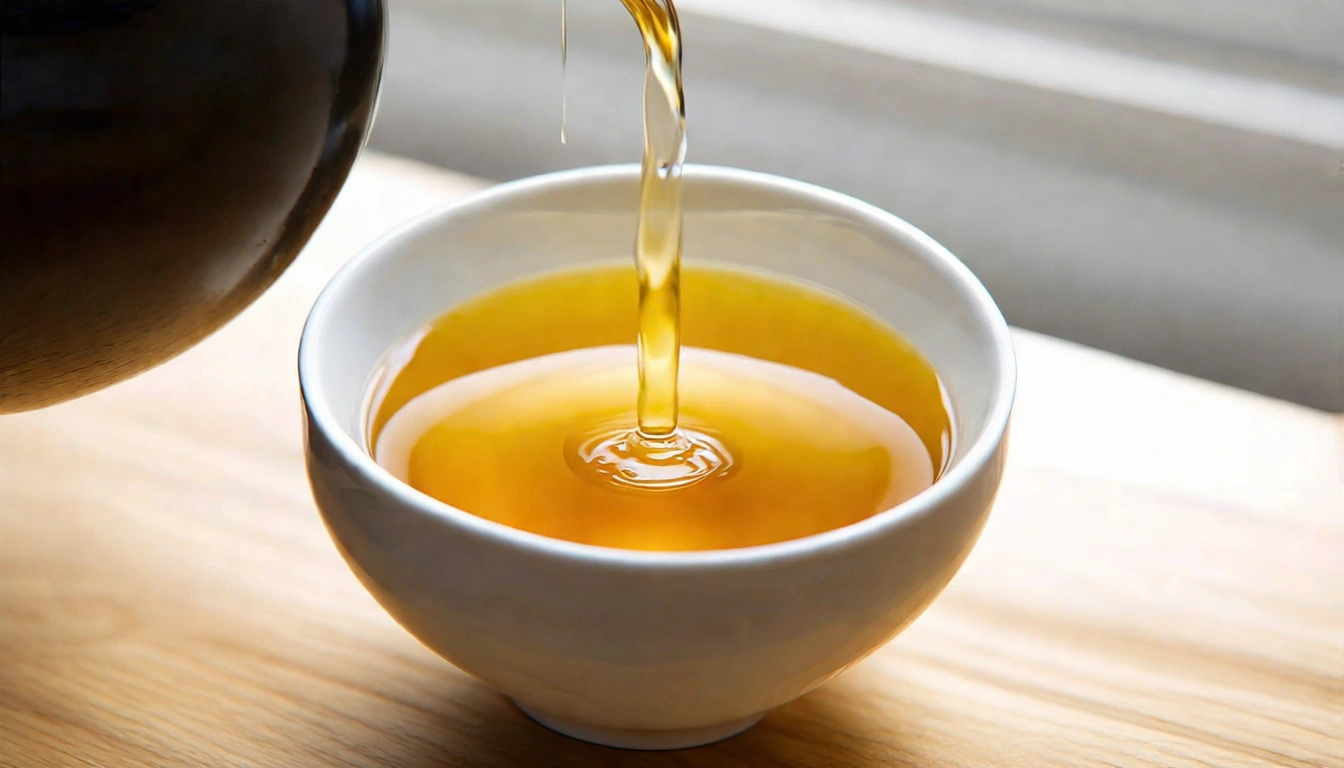
Hot Brewing (Standard Method):
| Parameter | Sijichun | Jinxuan |
|---|---|---|
| Water temperature | 80-85°C | 75-85°C |
| Tea-to-water ratio | 1g : 60ml | 1g : 70ml |
| First steep time | 30-45 seconds | 25-40 seconds |
| Number of steeps | 4-5 | 4-5 |
Key Reminder:
Both teas are lightly fermented and fragrance-forward — do not exceed 90°C water temperature. High temperatures cause the delicate aromas to dissipate too quickly, resulting in a dramatic drop in fragrance after the first steep and increased bitterness. The 75-85°C range is the ideal temperature window for showcasing these two teas’ aromas. Nantou County accounts for approximately 48.9% of Taiwan’s tea cultivation area. Sijichun is primarily produced in Nantou’s Mingjian Township, and Jinxuan is also mainly grown in the Nantou region (source: Ministry of Agriculture, 2024).
Cold Brewing (Recommended for Summer):
- Ratio: 1g : 120ml cold water
- Time: Refrigerate for 6-8 hours
- Characteristics: Sijichun’s floral aroma becomes purer when cold-brewed; Jinxuan’s milky aroma transforms into a refined sweetness
- Suggestion: Cold brew overnight and enjoy in the morning — the most refreshing hydration choice for summer
Our ChaYanSo team’s favorite summer preparation is cold-brewed Sijichun — put it in the fridge the night before, bring it to the office the next morning. The floral sweetness with zero bitterness is better than any store-bought beverage. Many customers who’ve tried our recommended cold brew method never go back.
Simple Office Brewing Method:
Using a mug with a tea infuser basket or tea bag:
- Wait until water temperature reaches 80-85°C (let boiling water rest for about 30 seconds)
- Steep for 60-90 seconds, then remove the tea leaves (don’t let them continue steeping)
- After finishing the first cup, you can re-steep once (second steep: 60-75 seconds)
FAQ: Common Questions About Sijichun & Jinxuan Tea
Is Sijichun a green tea?
No. Sijichun is a native Taiwanese oolong tea variety, classified as a lightly fermented oolong (approximately 15-25% fermentation). Although it appears greenish and has a fresh aroma, its processing method differs from green tea (which is completely unfermented), and its catechin composition is also different.
Is Sijichun high in caffeine?
Moderate. Sijichun contains approximately 30-50mg of caffeine per cup (200ml), lower than typical coffee (95-120mg) and also lower than black tea (40-70mg) (source: Ministry of Health and Welfare Food Safety Database, 2024). When consumed before 3 PM, it generally does not affect nighttime sleep.
Is Jinxuan tea’s milky aroma artificial?
Authentic Jinxuan tea (TTES No.12) has a natural milky aroma that is an inherent varietal characteristic, produced by gamma-butyrolactone and related lactone compounds — not artificially added. However, counterfeit products with added milky flavoring do exist on the market (typically made from cheap tea leaves). How to tell the difference: natural milky aroma is subtle and fleeting, while artificial fragrance is intense and pungent.
Are TTES No.12 and Jinxuan tea the same thing?
Yes. “Jinxuan tea” is the popular name for TTES No.12, named by the Tea Research and Extension Station in 1981. The name “Jinxuan” was chosen after the mother of the breeder Wu Zhenduo, carrying a meaning of heritage and legacy.
Which is better for beginners — Sijichun or Jinxuan?
Both are extremely beginner-friendly. If you have absolutely no experience with Taiwanese tea: choose Jinxuan (the milky aroma makes it almost impossible not to enjoy). If you have basic tea knowledge: choose Sijichun (it better showcases the essence of Taiwan oolong’s light fragrance).
Further Reading
- Sijichun Tea Benefits: Catechins, Caffeine & Who Should Drink It
- How Does Jinxuan Tea Get Its Milky Flavor? Natural vs Artificial Identification Guide
- Sijichun & Jinxuan Tea Recommendations 2026: The Two Most Worth-Buying Taiwan Oolongs from Nantou
- Taiwan Tea Bag Recommendations: Complete Comparison of 10 Popular Whole-Leaf Tea Bags
- Oolong Tea Complete Guide: Characteristics and Buying Guide for Taiwan’s Four Major Oolongs
References
- Ministry of Agriculture Tea Research and Extension Station (2024). Taiwan tea varietal data: Sijichun and TTES No.12.
- Ministry of Agriculture Tea Research and Extension Station (2022). Jinxuan tea varietal aroma compound characteristics research.
- Ministry of Agriculture Tea Research and Extension Station (2023). Oolong tea health benefits research report.
- Ministry of Health and Welfare (2024). Caffeine content in food database.