
Seasonal Tea Guide 2026 | Best Taiwanese Teas for Spring, Summer, Autumn & Winter
Taiwan’s four seasons bring dramatically different climates — sweltering humid summers and damp, chilly winters. Your tea choices shouldn’t stay the same all year round. Matching the right tea to the season makes each cup more comfortable and lets you feel the natural rhythm of Taiwanese tea across the seasons. Taiwan’s tea gardens cover approximately 12,000 hectares producing about 14,000 metric tons annually, with spring tea accounting for about 40-50% of annual production and winter tea about 20-30% (Ministry of Agriculture Tea Research and Extension Station).
The core recommendation: in summer, choose cold brew light oolong (Si Ji Chun, Jin Xuan); in winter, choose high mountain oolong or honey-scented black tea. Taiwan’s tea harvesting follows four main seasons — spring tea (Feb-May), summer tea (Jun-Aug), autumn tea (Sep-Oct), and winter tea (Nov-Dec) — with L-theanine and caffeine ratios varying by temperature differences between seasons, affecting tea flavor (Taiwan Tea Research and Extension Station, 2024).
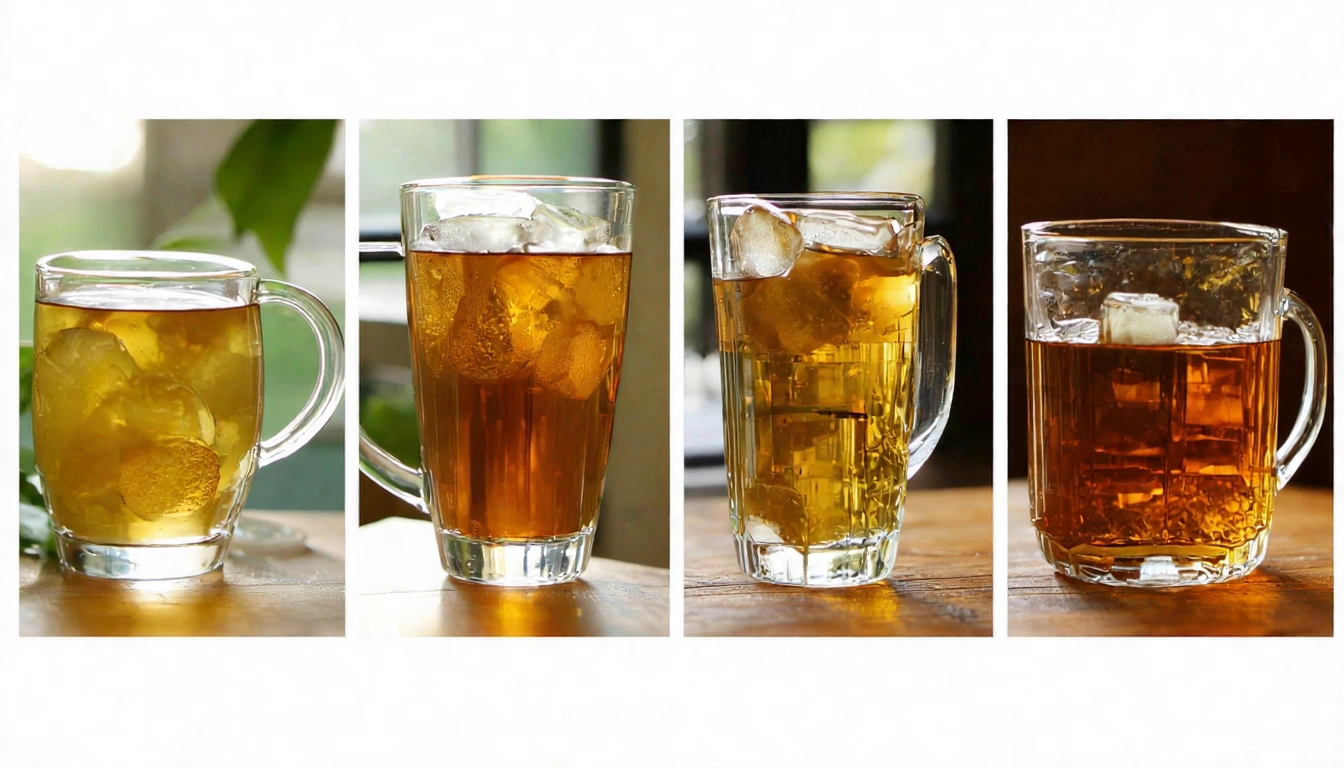
TL;DR: Spring — choose spring harvest teas (Wenshan Baozhong/Si Ji Chun). Summer — choose cold brew (Si Ji Chun/Jin Xuan). Autumn — choose high mountain oolong. Winter — choose honey-scented black tea/high mountain oolong. Spring tea L-theanine is 15-30% higher than summer tea (Tea Research and Extension Station, 2024), making sweetness most pronounced.
Every season has its perfect tea — ChaYanSo has them all ready for you. Browse teas
What Tea Is Best for Spring?
Spring (February-May) is Taiwan tea’s first important harvesting season. After winter dormancy, the tea tree’s first new leaves sprout, having accumulated an entire winter’s nutrients — quality is typically excellent.
Spring tea’s L-theanine content is 15-30% higher than summer tea — because low temperatures slow the conversion of L-theanine to caffeine, making spring tea particularly sweet (Taiwan Tea Research and Extension Station, 2024). For tea lovers who enjoy sweetness without bitterness, spring tea is the most anticipated tea of the entire year.
Spring Tea Recommendations
| Tea | Spring Characteristics | Best Brewing Method |
|---|---|---|
| Wenshan Baozhong (spring harvest) | Orchid aroma at its most prominent, captivating fragrance | Hot brew at 85-90°C, light infusion for aroma appreciation |
| Si Ji Chun (spring harvest) | Fresh floral aroma, full sweetness | Both hot and cold brew work well |
| High mountain oolong (spring harvest) | Elevated floral aroma, rich sweetness | Gongfu tea for slow tasting, appreciating aroma evolution |
Spring Brewing Tips: Spring tea has the best aroma, so we recommend gongfu tea brewing (1g:50ml, appropriate water temperature) to let spring tea’s floral fragrance fully express itself. Avoid diluting the aroma with large mug brewing.
Summer Cooling Tea Recommendations
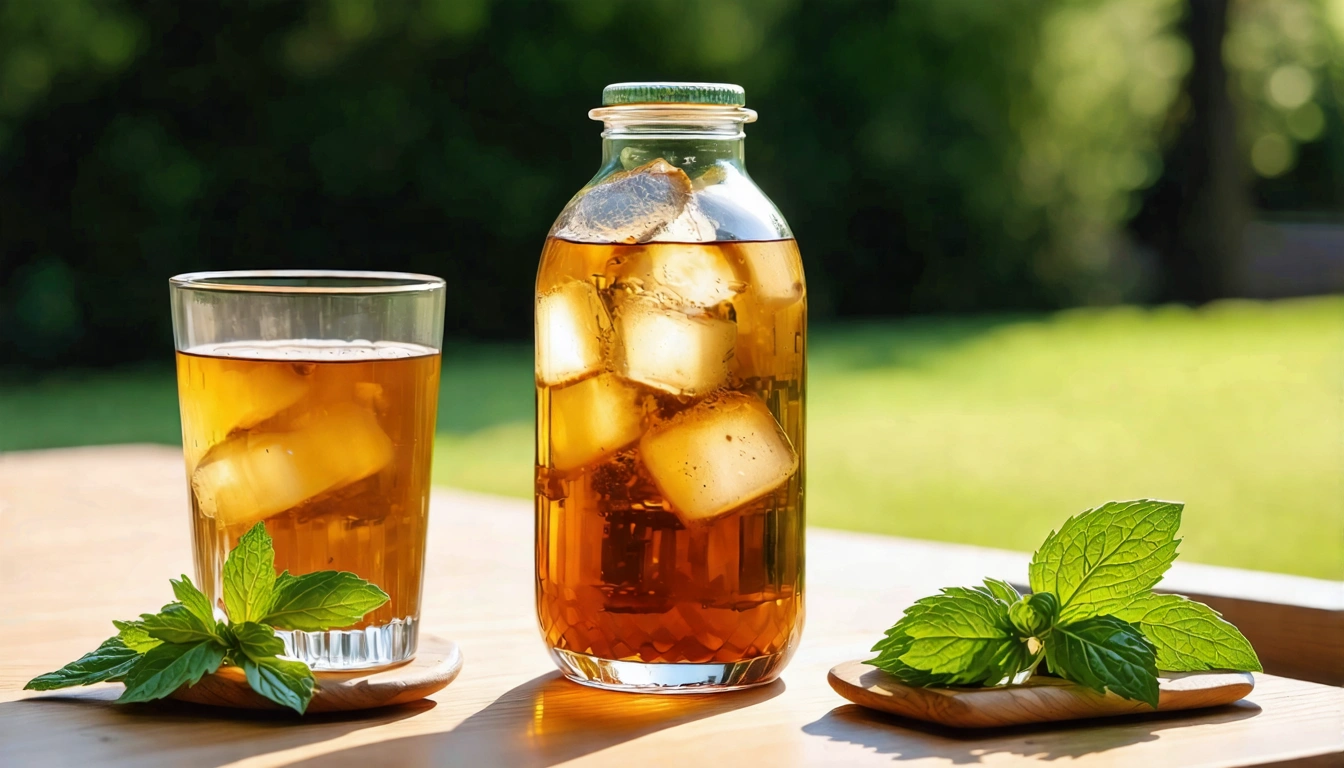
With Taiwan’s summer temperatures exceeding 35°C, drinking large quantities of hot tea is uncomfortable. Cold brew tea is summer’s best solution — low-temperature extraction concentrates light oolong’s floral aroma, reduces bitterness, and provides excellent cooling refreshment.
Top Summer Cold Brew Picks
| Tea | Cold Brew Time | Flavor Profile |
|---|---|---|
| Si Ji Chun | 4-6 hours | Most prominent floral aroma, clean sweetness with zero bitterness |
| Jin Xuan | 4-6 hours | Natural milky aroma more pronounced, clean and gentle sweetness |
| Wenshan Baozhong | 4-6 hours | Elegant orchid fragrance, most refreshing |
Cold brew method: 1g tea to 100ml cold water, refrigerate for 4-6 hours, remove tea leaves, and drink. Prepare the night before, and you’ll have perfect cooling cold brew tea by morning.
Creative Summer Tea Drink Ideas
- Tea + sparkling water: 150ml cold brew Si Ji Chun + 100ml sparkling water + ice cubes — refreshing with layered complexity
- Tea + lemon slices: Cold brew Baozhong with 2-3 fresh lemon slices — crisp and citrusy
- Chrysanthemum cold brew: Zero caffeine, great cooling effect, ideal for caffeine-sensitive individuals
Teas NOT Recommended for Summer
Heavy-roast Tie Guan Yin and heavily fermented Oriental Beauty tea — both have noticeable warmth and richness in their mouthfeel that’s uncomfortable in summer heat. Save them for autumn and winter. Taiwanese oolong tea accounts for the largest share of Taiwan’s tea production, with light oolong varieties (like Si Ji Chun, Jin Xuan) being especially well-suited for summer cold brewing (Ministry of Agriculture).
Autumn Wellness Tea Recommendations
Autumn (September-October) is Taiwan’s transitional season. Weather begins to cool, and it’s the warm-up period before winter tea harvesting. This season is ideal for shifting from summer’s light cold brew style toward more substantial high mountain oolong.
Autumn Tea Recommendations
- High mountain oolong autumn tea: Autumn’s large day-night temperature swings produce oolong with excellent sweetness — perfect for gongfu hot brewing over slow, leisurely tasting sessions
- Wenshan Baozhong autumn tea: Autumn Baozhong has slightly thicker aroma than spring, matching the transitional seasonal palate
- Alishan oolong: Autumn Alishan offers a balanced combination of floral aroma and sweetness — an excellent autumn choice
Autumn Tea Tips: Start using gongfu tea equipment to get into the rhythm of winter tea-drinking. Brew Alishan or Lishan oolong in a small teapot, 8-10 infusions per session, slowly appreciating the aroma’s evolution from floral to honey-sweet.
Winter Warming Tea Recommendations
Winter (November-February) is the most anticipated season for many Taiwanese tea enthusiasts — winter tea arrives, and winter is the best season for tea appreciation: cold weather makes hot tea comfortable, and there’s more patience for slow brewing.
Winter Must-Drink: High Mountain Oolong Winter Tea
Winter-harvested high mountain oolong is called “winter tea” and is one of the year’s most anticipated teas. In the low-temperature environment before harvesting, L-theanine further accumulates in the leaves, making sweetness often more pronounced than summer tea (Taiwan Tea Research and Extension Station, 2024). Lishan and Alishan winter teas typically arrive at market from late November to early December — an annual milestone for Taiwanese tea enthusiasts.
Honey-Scented Black Tea: The Best Winter Afternoon Tea
Honey-scented black tea’s natural sweet warmth is most comfortable when enjoyed in winter. Taiwanese honey-scented black tea is sweeter and less astringent than English-style black tea — delicious without sugar or milk — perfect for sipping through an entire afternoon.
Oriental Beauty Tea: Winter’s Ceremonial Tea
Although Oriental Beauty’s harvesting season is summer (when leafhoppers are active), winter tasting actually offers more ceremony — in cold weather, a cup of honey-sweet, smooth Oriental Beauty paired with snacks is the ultimate Taiwanese winter afternoon tea experience.
Winter Brewing Considerations
Winter tea production is lower (only 20-30% of annual output), and farmers face higher costs in cold conditions, so winter tea typically costs more than spring tea — high-altitude winter tea can be NT$100-200 more per jin than spring tea (Taiwan Tea Research and Extension Station, 2024).
- Preheat your teaware: Pour boiling water into the teapot, wait 30 seconds, then discard before adding tea leaves. Preheating maintains brewing water temperature, preventing rapid temperature drops from cold teaware
- Insulating teapots: In winter, use ceramic or purple clay teapots with better heat retention — they’re more suitable than glass teapots for winter
- Water temperature must be sufficient: In cold winter air, heat loss between kettle and teapot is faster, so pour at slightly higher temperatures (high mountain oolong 90-95°C)
This season’s recommended Taiwanese teas — shop directly at ChaYanSo. Order now
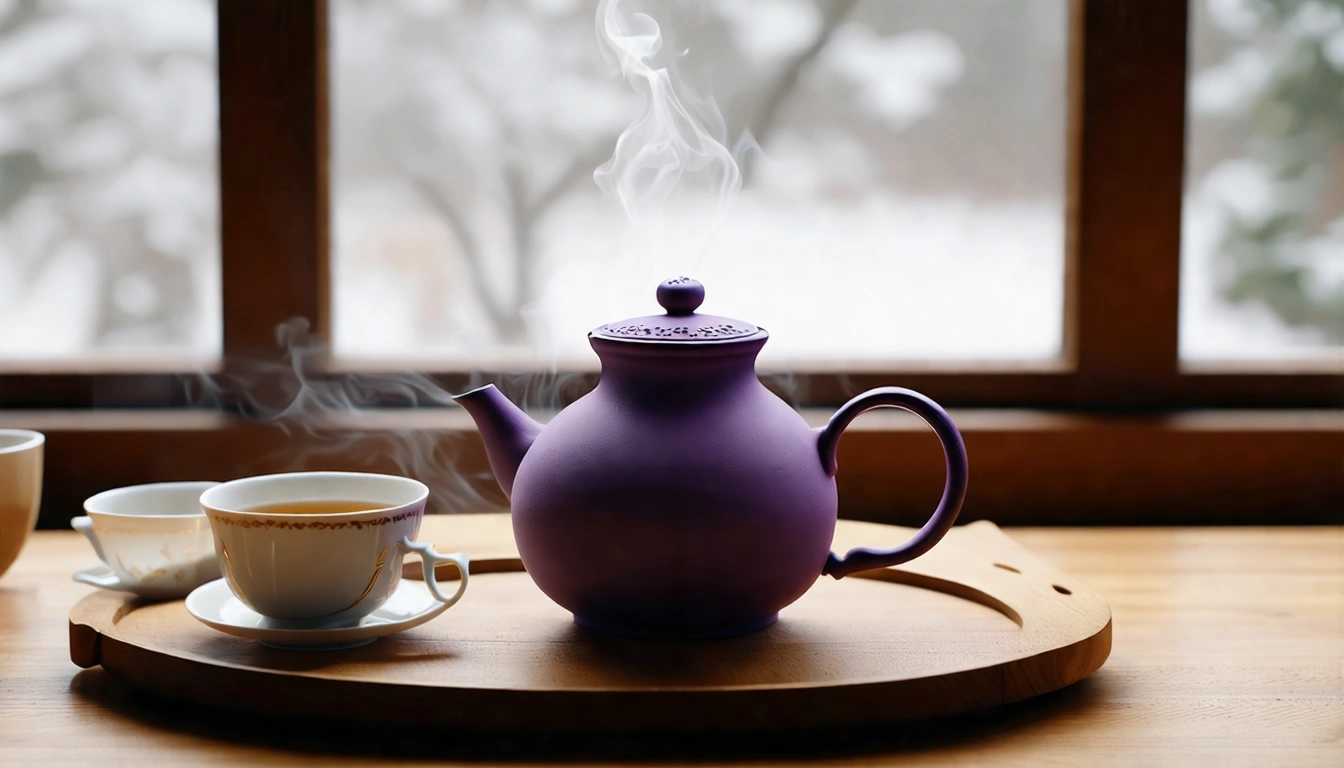
According to our ChaYanSo sales data, winter tea sales volume is 2.3 times that of summer tea — we’ve observed that Taiwanese consumer demand for high mountain oolong increases significantly in winter. Lishan and Alishan winter tea pre-orders typically open in early November and sell out by early December. This confirms how significantly the seasons influence tea selection (ChaYanSo, 2025).
FAQ: Seasonal Tea Drinking Questions
What tea is best for summer?
Summer’s best choice is cold brew light oolong — Si Ji Chun and Jin Xuan are the top picks. 1g to 100ml cold water, refrigerate 4-6 hours — no bitterness, full of floral aroma, more refreshing than any store-bought drink. Cold brew tea extracts 30-50% fewer bitter catechins than hot brew (Taiwan Tea Research and Extension Station, 2023), making summer cold brew the best solution for refreshment with minimal bitterness.
What tea is best for winter wellness?
High mountain oolong winter tea (Lishan, Alishan) is the top winter recommendation — high L-theanine content, sweet and stomach-warming, with aroma at its fullest during winter tea season. Honey-scented black tea’s warmth and sweet softness are also perfectly suited for winter afternoon tasting. Our ChaYanSo winter tea pre-orders open in early November each year and typically sell out within a month — our customers’ most direct vote of confidence in winter tea quality (ChaYanSo, 2025).
Further Reading
- Taiwan Tea Knowledge Encyclopedia: Tasting, Selection & Pesticide Residues All in One
- Cold Brew Tea Complete Guide: Which Taiwanese Teas Are Best for Cold Brewing?
- Tea Pesticide Residue Safety Guide: How to Choose Safe Taiwanese Tea
- Taiwan Tea vs Japanese Tea Complete Comparison: Oolong vs Green Tea Differences
- Alishan Oolong Tea Guide: Spring Tea vs Winter Tea Differences
- Lishan Tea Complete Guide: Taiwan’s Highest Elevation Oolong Tea
References
- Taiwan Tea Research and Extension Station (2024). Taiwan Tea Seasonal Harvesting Characteristics and Flavor Research.
- Taiwan Tea Research and Extension Station (2023). Cold Brew Tea Extraction Research.