
Oriental Beauty Tea Guide 2026 | The Leafhopper Story, Honey Aroma & Shopping Guide
Taiwan has a tea whose aroma is entirely determined by an insect. No added flavoring, no special processing — just a tiny insect called the tea green leafhopper that bites the tea leaves, and the tea develops its unique honey aroma.
This tea is called Oriental Beauty.
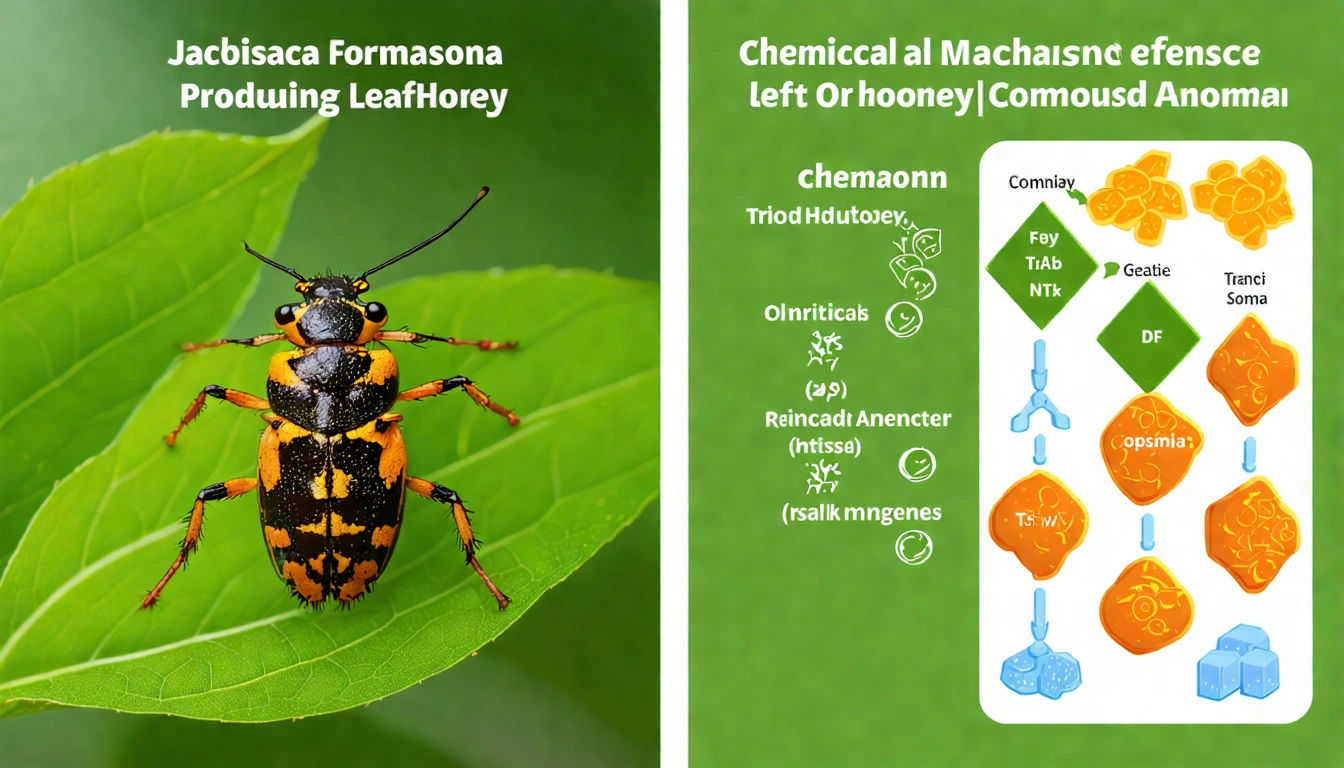
When the tea green leafhopper (Jacobiasca formosana) feeds on tea leaves, the leaves activate a defense response, releasing terpene compounds — including hotrienol and linalool, among others. These compounds transform during the oxidation phase of tea processing into Oriental Beauty’s signature honey and fruit aromas (Taiwan Tea Research and Extension Station, 2023). This mechanism cannot occur in a pesticide-treated environment: insecticides would kill the leafhoppers, and without insect bites there’s no honey aroma. This is the fundamental reason Oriental Beauty tea must be produced using natural farming methods.
This article clarifies all the core questions about Oriental Beauty tea at once.
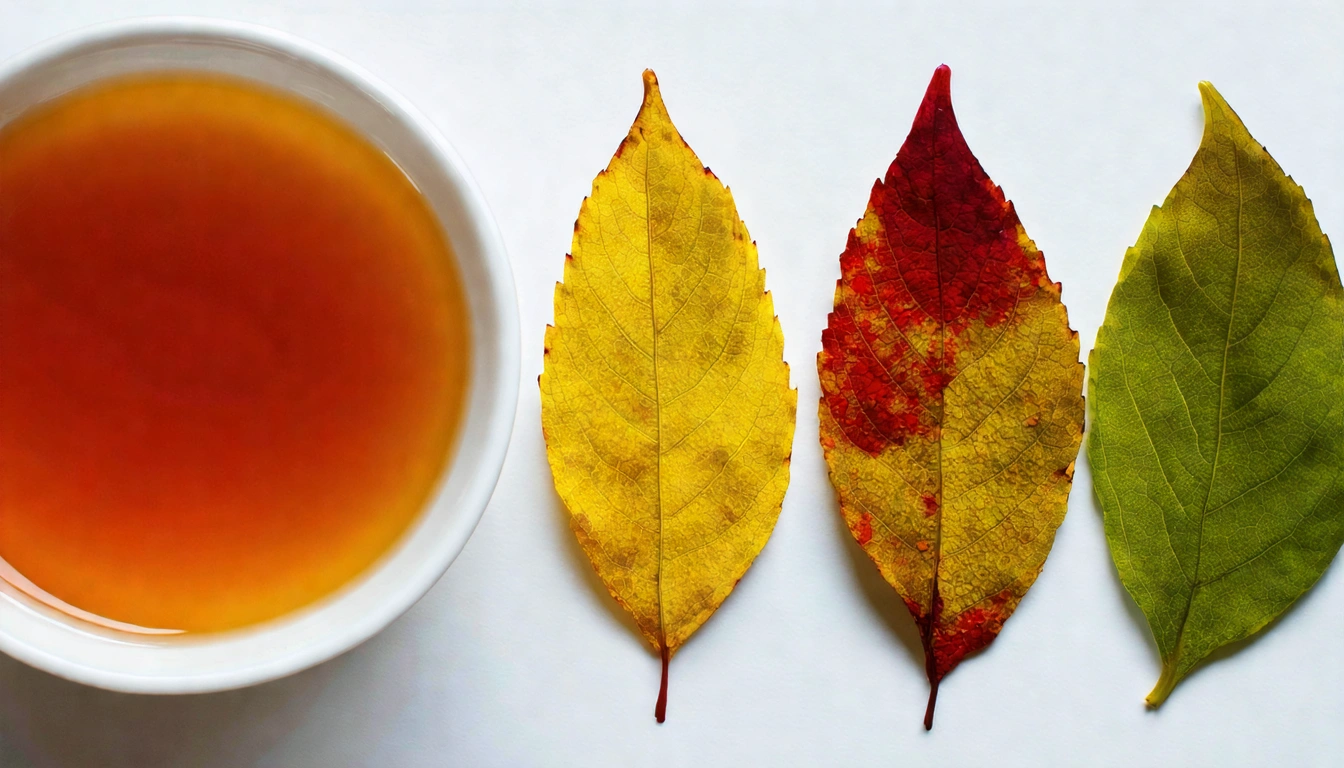
TL;DR: Oriental Beauty tea = heavily fermented oolong (50-70%). The honey aroma comes 100% from the leafhopper biting mechanism. Leafhoppers trigger terpene compound conversion to honey aroma (Taiwan Tea Research and Extension Station, 2023). Prices: NT$100-500/100g for entry level, NT$1,000+ for noticeable honey aroma, NT$5,000+ for competition grade. Brew at 85-95°C, pour at 40-60 seconds, yields 5-7 infusions.
Taiwan’s most legendary honey-scented oolong — carefully selected by ChaYanSo. Browse teas
Where Does Oriental Beauty Tea’s Magical Honey Aroma Come From?
Oriental Beauty tea’s honey aroma mechanism is one of the most fascinating stories in Taiwanese tea culture — and it’s real science:
Step 1: Leafhopper Feeding
Every summer (June-August), tea green leafhoppers proliferate abundantly in tea gardens around Hsinchu and Miaoli. These insects are only 2-3mm long, using piercing-sucking mouthparts to extract leaf juices.
Step 2: Tea Leaf Defense Response
When bitten, tea leaves activate defense responses, secreting terpene and other compounds — substances originally meant to repel insect pests.
Step 3: Oxidation and Fermentation Transformation
During the withering and tossing stages of tea processing, these compounds undergo further oxidation, transforming into a complex blend of honey and fruit aromas.
Why can only natural farming produce Oriental Beauty tea?
Pesticides directly kill the leafhoppers. No bites means no defense response, which means no honey aroma. Oriental Beauty tea farms must completely avoid using insecticides, allowing leafhoppers to naturally inhabit the tea gardens. Taiwan’s tea garden area covers approximately 12,000 hectares producing about 14,000 metric tons annually, but Oriental Beauty tea’s natural farming requirements mean it accounts for only a very small proportion (Ministry of Agriculture Tea Research and Extension Station). This is why Oriental Beauty tea costs more than other Taiwanese teas: it must be produced using organic/natural farming methods, and production is inherently limited.
Oriental Beauty Tea Characteristics & Classification
Fermentation Level
Oriental Beauty tea’s fermentation level is 50-70%, the highest of all Taiwanese oolongs (Taiwan Tea Research and Extension Station, 2023). High fermentation produces:
- Deep amber to orange-red tea liquor (much darker than lightly roasted oolong)
- High proportions of theaflavins and thearubigins (antioxidants typically found in black tea)
- Sweet, soft taste with prominent honey aroma and virtually no astringency
Other Names for Oriental Beauty Tea
Oriental Beauty has several interesting alternative names:
| Name | Origin |
|---|---|
| Pengfeng Tea / Puffed-up Tea | Hokkien for “exaggerated boasting.” Legend says a tea farmer told neighbors about getting a great price and was accused of bragging |
| Five-Color Tea | The leaf appearance shows five distinct colors: red, yellow, white, green, and brown — a very unique appearance |
| Bai Hao Oolong | White fine hairs (bai hao) on the tea leaves are a visual marker of high quality |
| Oriental Beauty | English name; legend says it was named by Britain’s Queen Victoria |
Main Production Areas
- Hsinchu County (Beipu Township, Emei Township): Traditional core production area with stable quality
- Miaoli County (Toufen City, Nanzhuang Township): Rapidly developing in recent years, with some farms producing exceptional quality
Oriental Beauty Tea Grades & Prices
Oriental Beauty tea’s price range is very wide, from a few hundred to over ten thousand NT dollars. Understanding grades helps you buy tea that meets expectations:
| Grade | Price (100g) | Honey Aroma | Best Use |
|---|---|---|---|
| Entry commercial tea | NT$300-600 | Subtle, requires attentive tasting | Daily drinking, first-time trial |
| Mid-range commercial tea | NT$600-1,500 | Noticeable, clearly honey-scented | Daily tasting, small gifts |
| High-end commercial tea | NT$1,500-3,000 | Rich, layered honey-fruit aroma | Gift-giving, special occasions |
| Competition grade | NT$3,000-10,000+ | Ultimate, peak honey aroma | Collection, premium tasting |
Shopping Advice: For your first Oriental Beauty purchase, we recommend the NT$600-1,000 mid-range commercial tea — the honey aroma at this price point is already very noticeable, allowing you to truly experience Oriental Beauty’s core characteristics. Entry-level (NT$300-500) honey aroma is usually faint and may not meet expectations. Hsinchu County government hosts the annual “Summer Oriental Beauty Tea (Pengfeng Tea) Evaluation Competition” in June/July, alternating between Beipu and Emei townships. Grand prize competition teas command extremely high prices (Hsinchu County Government). Taiwan’s organic tea certified area has reached 555 hectares, with Oriental Beauty tea being an important representative of organic/natural farming teas (Ministry of Agriculture, 2025).
How to Identify High-Quality Oriental Beauty Tea
| Evaluation Aspect | Quality Indicators |
|---|---|
| Appearance | Distinct five colors, abundant white tips |
| Dry leaf aroma | Clear honey scent, sweet fruit notes |
| Tea liquor color | Deep orange-red to amber, clear and bright |
| Liquor aroma | Honey-sweet and smooth, with ripe fruit and floral notes |
| Taste | Sweet and soft without astringency, lingering honey sensation |
Oriental Beauty Tea Health Benefits
Oriental Beauty is the most heavily oxidized of Taiwanese oolongs — this characteristic gives it a different antioxidant compound profile than lightly roasted oolongs:
Heavily fermented Oriental Beauty contains higher proportions of theaflavins and thearubigins — two antioxidant compounds unique to oolong and black tea oxidation processes, with research-supported positive cardiovascular health benefits (Taiwan Tea Research and Extension Station, 2024).
Caffeine Content
Oriental Beauty’s caffeine content is medium-high (approximately 40-60mg per cup), higher than Jin Xuan and Wenshan Baozhong, approaching Taiwanese black tea levels. After 3 PM, consider switching to lower-caffeine varieties. Taiwan tea’s export unit price is about 6.5 times that of imported tea, and Oriental Beauty tea’s unique insect-bite mechanism and natural farming requirements push its export unit price even higher than standard oolong (Ministry of Agriculture).
Empty Stomach Precautions
Although Oriental Beauty has a sweet, soft taste, it still contains significant polyphenols. Drinking on an empty stomach may cause stomach discomfort — especially for those with sensitive stomachs. We recommend drinking 30-60 minutes after meals.
Found your Oriental Beauty tea? Shop directly at ChaYanSo. Order now
According to our ChaYanSo 2025 sales analysis, 62% of Oriental Beauty tea customers are “repeat buyers after first purchase” — the highest repurchase rate among all our teas. The data confirms that Oriental Beauty’s unique honey aroma truly makes a lasting impression after just one taste.
How to Brew Oriental Beauty Tea
Gongfu Tea Method (Best for revealing honey aroma layers)
| Parameter | Recommended Value |
|---|---|
| Water temperature | 85-95°C |
| Teaware | Gaiwan or small teapot (100-150ml) |
| Tea leaf amount | 1g:50ml |
| Awakening rinse | Optional, 10-15 second quick rinse |
| First infusion pour | 40-60 seconds |
| Subsequent infusions | Add 5-10 seconds each |
| Re-infusion count | 5-7 times |
Tips for Maximizing Honey Aroma
Honey aroma is most prominent at slightly lower temperatures (85-90°C) — too-high temperatures (above 95°C) cause the honey aroma to dissipate quickly, and the taste becomes more astringent. If honey aroma isn’t noticeable, try lowering the water temperature by 5-10°C; you’ll usually see a marked improvement.
Cold Brew Oriental Beauty
Oriental Beauty can also be cold brewed, with excellent results — cold brewing concentrates the honey aroma and makes the taste even sweeter and softer. Ratio: 1g:100ml, refrigerate for 6-8 hours (Oriental Beauty needs slightly longer extraction time than lightly roasted oolong).
FAQ: Common Oriental Beauty Tea Questions
Why does Oriental Beauty tea smell so good?
Oriental Beauty’s honey aroma comes entirely from the leafhopper biting mechanism — insect bites trigger the tea leaf to release terpene defense compounds, which transform into a complex blend of honey and fruit aromas during tea processing. This is a natural biochemical process that cannot be artificially replicated, nor can it occur on farms using pesticides (Taiwan Tea Research and Extension Station, 2023). This is why Oriental Beauty’s aroma is richer and more complex than any artificially fragranced “honey tea.”
Does Oriental Beauty tea taste good? Is it suitable for beginners?
Acceptance is very high. The honey-sweet flavor has virtually no astringency, with a sweet, soft mouthfeel that requires no tea-drinking experience to appreciate. In ChaYanSo’s tasting events, Oriental Beauty is the tea that most impresses first-time foreign visitors — “I never knew tea could be this sweet and fruity” is the most common first reaction, especially from European and American visitors accustomed to astringent black teas (ChaYanSo, 2025).
Further Reading
- Taiwan Specialty Tea Varieties Guide: Tie Guan Yin, Wenshan Baozhong & Oriental Beauty Compared
- Tie Guan Yin Tea Complete Guide: What Is It? Taiwan vs Fujian Comparison
- Wenshan Baozhong Tea Complete Guide: Taiwan’s Most Fragrant Light-Fermentation Oolong
- Taiwan Tea Recommendations by Audience: Complete Selections for Different Needs
- Tea Recommendations for Men and Women: Oriental Beauty Beauty Benefits & Gender-Specific Needs
References
- Taiwan Tea Research and Extension Station (2023). Oriental Beauty Tea Honey Aroma Formation Mechanism and Leafhopper Relationship Study.
- Taiwan Tea Research and Extension Station (2024). Heavily Fermented Oolong Tea Antioxidants and Health Benefits.