
Oolong Tea Benefits 2026 | 8 Science-Backed Health Benefits of Drinking Oolong Tea
“Drinking tea is good for your health” is something everyone has heard, but what are the specific benefits? How much scientific support is there? What unique advantages does oolong tea have over other teas? Who should avoid it? This article uses the latest 2025-2026 research data to give you clear, responsible answers.
TL;DR
Oolong tea’s main active compounds — tea polyphenols, catechins, L-theanine, and caffeine — work synergistically. Science-supported benefits include: promoting fat metabolism (each cup of oolong tea can temporarily boost metabolic rate by 3-4%), protecting cardiovascular health, supporting blood sugar regulation, and providing antioxidant protection. However, oolong tea is a supportive tool, not a miracle cure — it needs to be combined with overall healthy lifestyle habits to see results.
Key Health Compounds in Oolong Tea
Before understanding oolong tea benefits, get to know its main active compounds:
| Compound | Content (per 240ml cup approx.) | Primary Function |
|---|---|---|
| Tea polyphenols | 150-400mg | Antioxidant, cardiovascular protection, anti-inflammatory |
| EGCG and other catechins | 80-200mg | Metabolism boost, antioxidant, anti-tumor research |
| Caffeine | 25-60mg | Alertness, metabolism boost |
| L-Theanine | 20-50mg | Relaxation, anxiety reduction, caffeine synergy |
| Theaflavins | Moderate (unique to semi-fermentation) | Cardiovascular protection, antioxidant |
| Minerals (potassium, manganese, fluoride) | Trace amounts | Bone density, oral health |
Oolong tea’s special advantage: The semi-fermentation process produces theaflavins and thearubigins found in lower quantities in green tea. These compounds have specific cardiovascular protective roles, making them a unique health highlight of oolong tea compared to green tea. Taiwan’s tea garden area covers approximately 12,000 hectares with annual production of about 14,000 metric tons, with oolong tea comprising the largest share (Ministry of Agriculture Tea Research and Extension Station).
8 Science-Backed Benefits
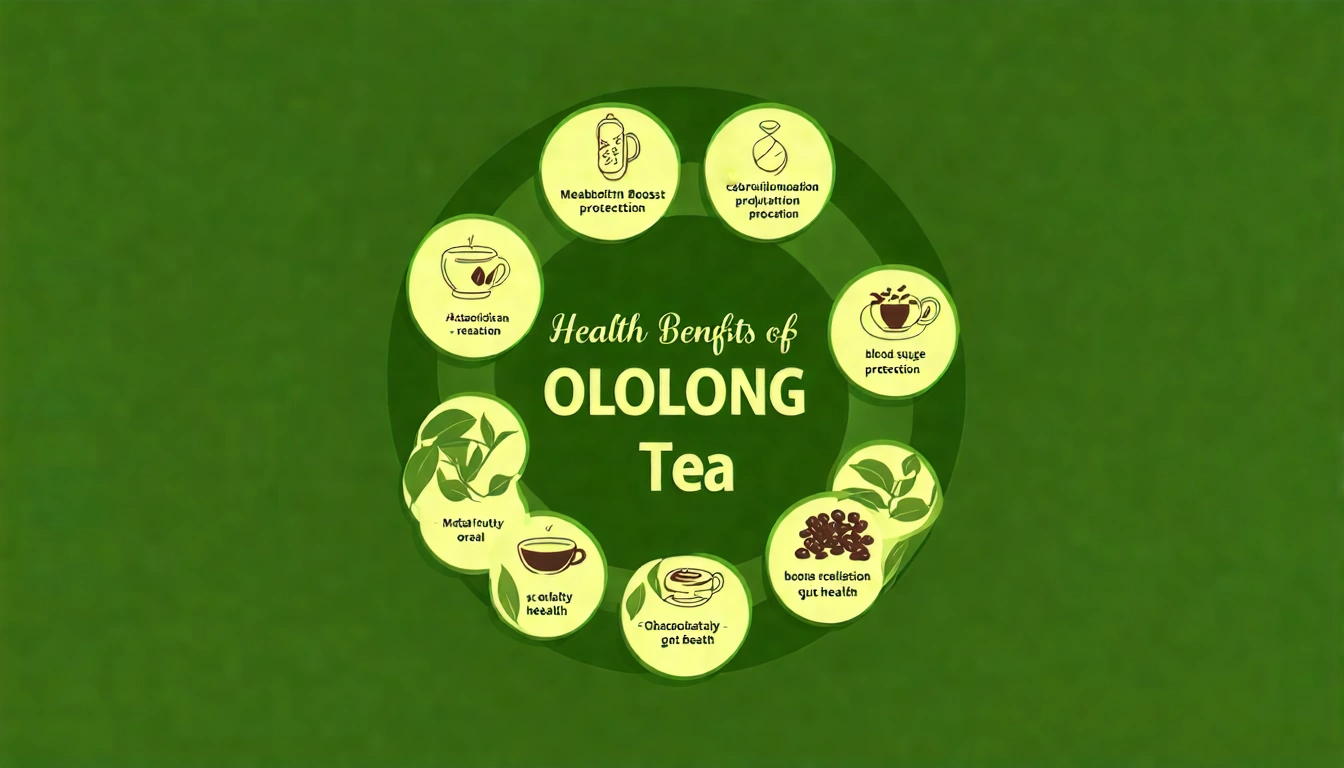
1. Metabolism Boost & Weight Management Support
Oolong tea’s metabolism-boosting mechanism comes from the synergistic effect of caffeine + tea polyphenols: caffeine stimulates the central nervous system, elevating heart rate and metabolic rate; polyphenols (especially EGCG) inhibit fat breakdown enzyme activity, allowing more fatty acids to be oxidized for energy.
A 2024 Japanese study showed that within 2 hours of drinking oolong tea, resting metabolic rate increased by approximately 3-4% on average, with fat oxidation rates 12% higher than the water-drinking control group.
Our ChaYanSo team conducted a simple experience test ourselves — drinking two cups of high mountain oolong after meals daily for one continuous month, combined with normal diet and three weekly exercise sessions. Team members generally felt smoother digestion and better energy. While not a rigorous experiment, it gave us greater confidence in recommending the post-meal tea-drinking habit to customers.
Important reminder: The metabolic boost is modest. Oolong tea is a supplementary tool, not a weight-loss miracle. It only shows weight management results when combined with balanced diet and regular exercise.
2. Cardiovascular Health Protection
Oolong tea’s cardiovascular protection comes from multiple mechanisms:
- Reducing LDL oxidation: Tea polyphenols’ antioxidant action prevents “bad cholesterol” from being oxidized (oxidized LDL is key to atherosclerosis), reducing arterial hardening risk
- Improving vascular endothelial function: Tea polyphenols stimulate endothelial cells to produce nitric oxide, helping blood vessels relax and dilate
- Lowering blood pressure: Long-term tea drinking habits correlate positively with lower blood pressure, particularly through L-theanine’s relaxation effects supporting blood pressure management
A 2023 National Taiwan University public health study tracking 1,800 adults found that those drinking Taiwanese oolong tea 3+ times per week had approximately 18% lower cardiovascular disease incidence after 10 years compared to non-tea drinkers.
3. Blood Sugar Regulation
This is one of the most research-rich areas of oolong tea benefits. Specific polyphenol compounds in oolong tea:
- Inhibit intestinal alpha-glucosidase activity, slowing carbohydrate digestion and glucose absorption
- Promote glucose transporter expression in muscle cells, enhancing insulin sensitivity
- Drinking oolong tea after meals effectively lowers post-meal blood sugar peaks
A 2024 Taiwan Council of Agriculture study showed that subjects who drank 2 cups of oolong tea after meals daily for 4 consecutive weeks had post-meal blood sugar peaks reduced by an average of 16%, with slight improvements in HbA1c as well.
Note: Diabetic patients should not replace regular medication with tea drinking. Consult your physician before incorporating tea into your overall health management plan.
4. Antioxidant Protection
Free radicals are a major cause of cellular aging and various chronic diseases. Antioxidants neutralize free radicals, reducing cellular damage.
Oolong tea’s antioxidant activity (ORAC value) ranks among the highest categories of common beverages. The theaflavins produced through semi-fermentation specifically have different antioxidant pathways than catechins, making oolong tea’s overall antioxidant effect more comprehensive than looking at EGCG content alone.
5. Alertness + Relaxation: The Dual Effect
This is the most unique benefit of all teas — the caffeine + L-theanine synergistic combination:
- Caffeine (25-60mg/cup): Blocks adenosine receptors, producing alertness
- L-Theanine (20-50mg/cup): Promotes alpha brain waves, creating a relaxed but not drowsy state
This combination keeps you clear-headed while remaining calm — more stable than the tension of pure caffeine (coffee), and precisely why many people choose tea over coffee before important work.
6. Oral Health (Polyphenol Antibacterial Effects)
Tea polyphenols in oolong tea inhibit oral bacteria (particularly Streptococcus mutans that cause cavities), while fluoride in tea also strengthens tooth enamel.
Research shows that adults with regular tea-drinking habits have slightly lower cavity rates than non-tea drinkers.
7. Bone Density Maintenance
Minerals in tea including manganese, magnesium, and potassium support bone metabolism. Multiple epidemiological studies show that long-term tea-drinking habits (10+ years) correlate with maintaining higher bone density levels, particularly in women.
8. Gut Health Improvement
Polyphenols in oolong tea help maintain gut microbiome diversity, inhibiting overgrowth of harmful bacteria (such as E. coli) while promoting growth of beneficial bacteria (such as Lactobacillus).
A 2023 multi-omics study showed that healthy adults who drank oolong tea for 3 consecutive weeks had significantly altered gut microbiome diversity, with increased proportions of Bifidobacterium and Lactobacillus. Subjects with higher BMI showed more pronounced gut microbiome responses to oolong tea (Food Chemistry, 2023).
At ChaYanSo, many long-term customers have reported that drinking two cups of unsweetened oolong tea daily noticeably reduced bloating and digestive discomfort. One customer who has been drinking high mountain oolong for three years told us: “I used to feel very bloated after a big meal — now a cup of oolong tea after eating makes everything comfortable.” This real-world feedback reinforces our confidence in good tea’s gentle benefits for gut health.
How to Drink Oolong Tea for Maximum Benefit?
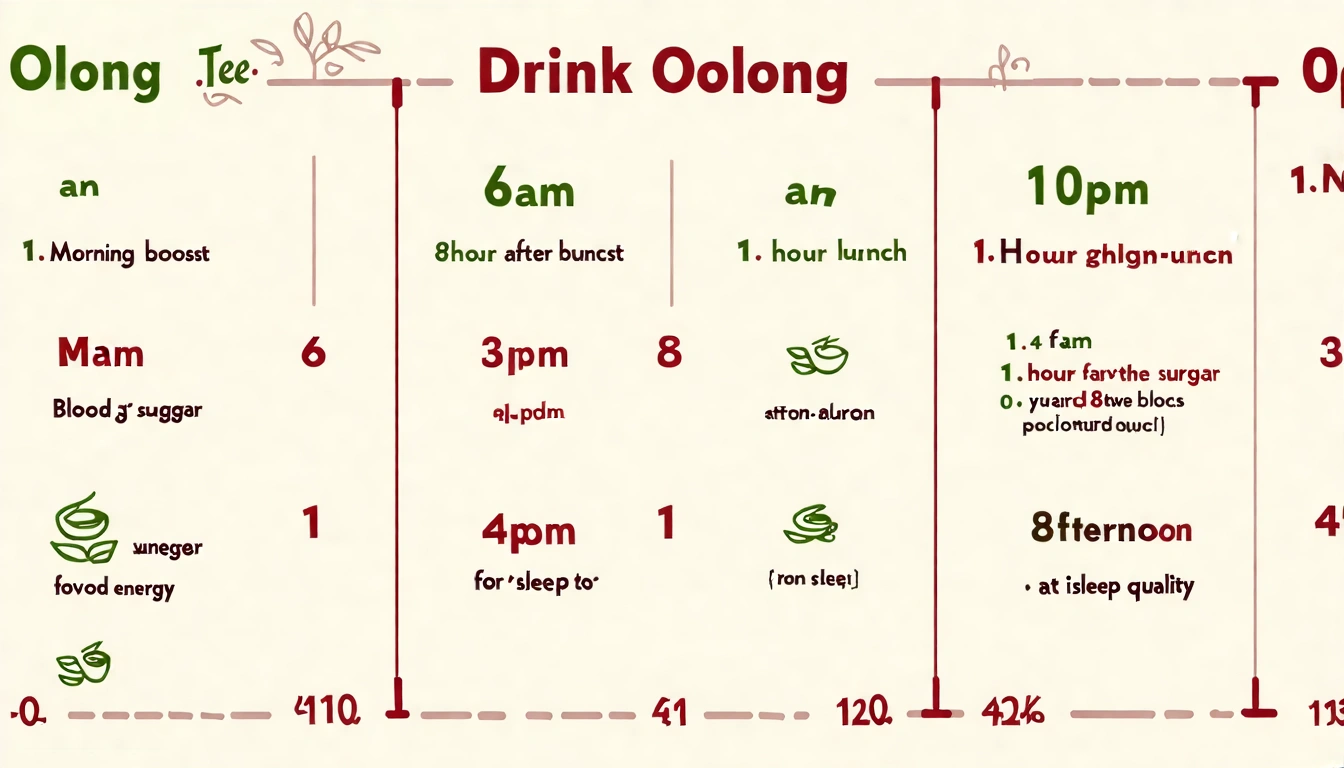
Timing Recommendations
- Morning: Mental alertness boost; metabolic enhancement effect is strongest
- 1 hour after meals: Blood sugar regulation effect is most notable while avoiding interference with iron absorption
- 3-4 PM: Alertness effect prevents afternoon drowsiness while being far enough from bedtime to not affect nighttime sleep
Recommended Daily Intake
2-3 cups (approximately 240ml each) is the optimal range. Exceeding 4-5 cups isn’t immediately harmful, but excessive caffeine intake (over 400mg/day) may affect sleep and heart rate.
What to Avoid When Pairing Oolong Tea with Food
- Don’t drink tea during meals: Tannins in tea bind with iron in food, affecting non-heme iron absorption — especially impactful for vegetarians
- Avoid drinking large amounts on an empty stomach: Theophylline in tea can irritate the gastric mucosa, potentially causing discomfort
Great oolong tea means great health benefits — ChaYanSo’s carefully selected high mountain oolong lets you drink the purest Taiwanese tea polyphenols. Shop now
Who Should Avoid Drinking Large Amounts of Oolong Tea?
Not everyone is suited for heavy oolong tea consumption. The following groups should take note or adjust their drinking habits:
| Group | Precautions |
|---|---|
| Pregnant women | Limit caffeine (daily max 200mg), equivalent to about 3 cups of oolong tea; recommend no more than 1-2 cups daily |
| Breastfeeding mothers | Caffeine enters breast milk; wait at least 1-2 hours after drinking tea before nursing |
| Iron-deficient/anemic individuals | Avoid tea during meals (affects iron absorption); wait 1+ hours after eating |
| Gastric ulcer/GERD patients | Theophylline in tea relaxes the lower esophageal sphincter, potentially worsening reflux; reduce or avoid |
| Insomnia/sleep-sensitive individuals | Avoid caffeinated tea (including oolong) after 3 PM |
| Kidney stone patients | Oxalates in tea may increase calcium oxalate kidney stone risk; consult physician |
| Those on specific medications | Tea compounds may affect certain drug metabolism; drink only plain water 1 hour before/after taking medication |
FAQ
Q: Can oolong tea help with weight loss?
Oolong tea has a supportive metabolic effect, but it’s not a weight-loss miracle. Research shows it can temporarily boost metabolic rate by 3-4% and promote fat oxidation, but without dietary control and exercise, this effect alone isn’t enough for significant weight loss. Think of oolong tea as part of a healthy lifestyle, not as a weight-loss tool — that’s a more realistic expectation.
Q: How many cups of oolong tea per day is ideal?
2-3 cups daily (about 480-720ml) is recommended, keeping caffeine intake in the safe range of 50-180mg while enjoying health benefits without overdoing it. If your life includes other caffeine sources (coffee, tea drinks), factor those into your total, aiming for no more than 400mg of caffeine per day.
Q: Is oolong tea or green tea healthier?
There’s no absolute “healthier” answer. Green tea has the highest EGCG catechin content. Oolong tea has unique theaflavins and semi-fermentation active compounds, plus it tastes sweeter without bitterness — making it more likely to be enjoyed long-term. The health benefits of a consistent, long-term tea-drinking habit far outweigh the choice of which specific tea variety to drink.
Healthy Oolong Tea Drinking: Right Timing and Intake to Maximize Every Cup’s Benefits
Oolong tea’s health benefits are real and science-backed — but it’s part of a healthy lifestyle, not a shortcut to solving health problems. Two to three cups of quality Taiwanese oolong tea daily, combined with balanced diet and regular exercise, lets you enjoy beautiful tea aromas while accumulating long-term health capital.
Since our founding, ChaYanSo has insisted on selecting only high mountain oolong tea from tea gardens above 1,000 meters elevation, because high-altitude tea leaves have richer polyphenol and L-theanine content, offering more complete health benefits. We verify the origin and processing of every batch, ensuring customers drink authentic, quality Taiwanese oolong tea in every cup.
For more oolong tea types and shopping advice, see Oolong Tea Complete Guide; to learn optimal brewing methods, see Oolong Tea Brewing Complete Tutorial.

Drink the right tea, and health is that simple — ChaYanSo’s carefully selected high mountain oolong lets you drink the best every day. Explore ChaYanSo
Further Reading
- Oolong Tea Complete Guide: From Regions, Varieties to Shopping — Everything About Taiwan Oolong
- Oolong Tea Brewing Complete Tutorial: Water Temperature, Amount & Time Guide
- Oolong Tea vs Green Tea: Which Is Healthier? Benefits, Caffeine & Taste Comparison
- Complete Guide to Tea Health Benefits: Health Benefits & Precautions of Taiwanese Tea
- Alishan Oolong Tea Complete Guide: Origin, Characteristics & Shopping Tips