
Oolong Tea Complete Guide 2026 | Benefits, Prices, Types & Recommendations — From Beginner to Connoisseur
Oolong tea is the world’s most complex and diverse tea category — teas all called “oolong” can range from Baozhong tea’s delicate floral aroma to Oriental Beauty’s rich honey fragrance, tasting like completely different beverages. And Taiwanese high mountain oolong is globally recognized as representing the highest standard of oolong tea craftsmanship. Taiwanese oolong tea (semi-fermented tea) accounts for the largest share of Taiwan’s tea production, forming the core of the island’s tea industry.
If you want to truly understand oolong tea — from what it is, what benefits it offers, how the varieties differ, how to choose, and how to brew it — this complete guide covers everything at once.
TL;DR
Oolong tea is a semi-fermented tea with fermentation levels ranging from 10% to 80%, falling between green tea (0%) and black tea (100%). Taiwan is the world’s premier oolong tea-producing region, with Alishan, Lishan, and Shanlinxi high mountain tea areas nurturing world-class high mountain oolong. 2025 research shows that tea polyphenols and catechins in oolong tea support metabolism, cardiovascular health, and blood sugar regulation. This article covers types, benefits, prices, recommendations, and brewing techniques.
What Is Oolong Tea? Fermentation Levels & Types Overview
Defining Oolong Tea: The Quintessential Semi-Fermented Tea
Oolong Tea is a semi-fermented tea that falls between green tea and black tea. During processing, tea leaves undergo partial oxidation (fermentation), then high-temperature “kill-green” (pan-firing or steaming) halts oxidation at a specific point. This “partial fermentation” craft creates oolong tea’s distinctive:
- Rich aroma layers (from floral to honey-sweet to roasted)
- Sweet, mellow taste without bitterness
- Rich active compounds (polyphenols, catechins, caffeine, L-theanine)
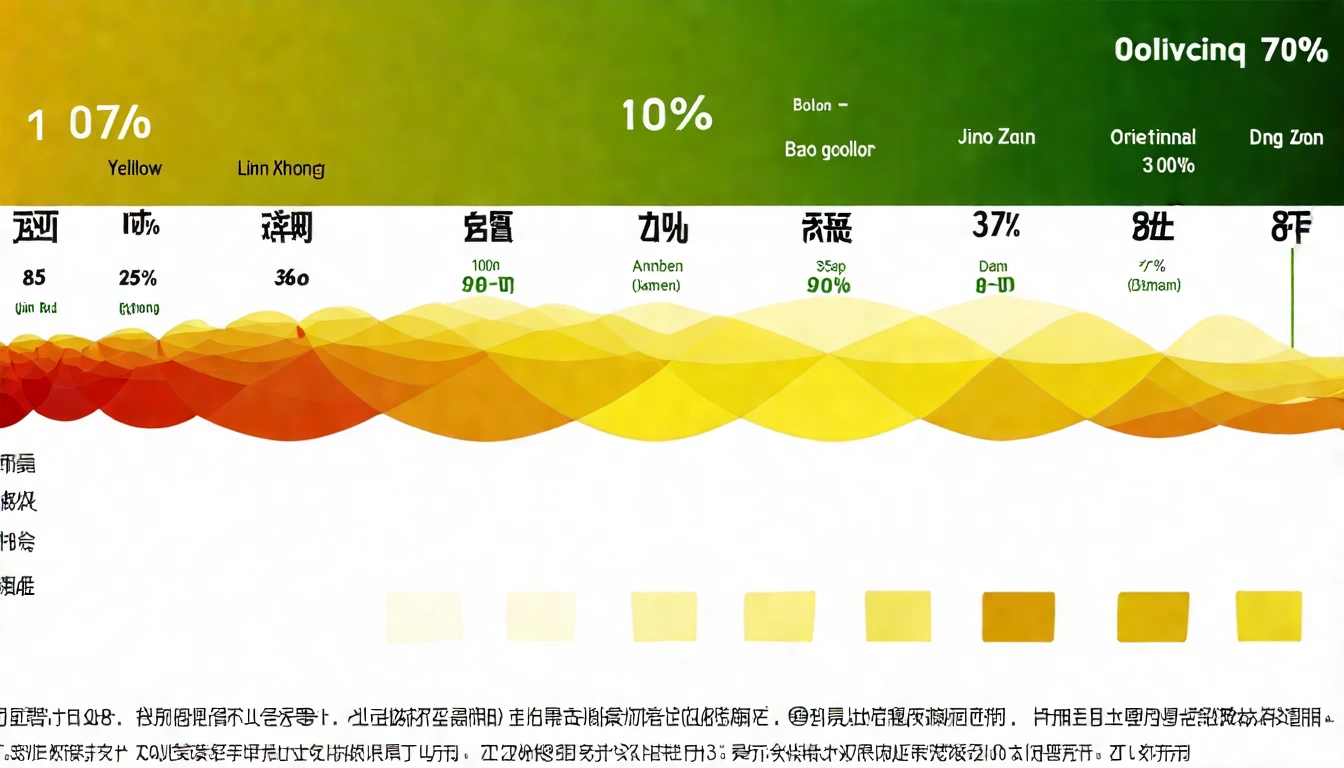
Fermentation Spanning 10% to 80%
Oolong tea’s fermentation level determines its flavor profile. This is why “oolong tea” encompasses such a diverse range of flavors:
| Fermentation Level | Representative Teas | Flavor Profile |
|---|---|---|
| 10-20% | Wenshan Baozhong, light Alishan oolong | Light floral, non-bitter, similar to green tea |
| 25-35% | Jin Xuan oolong, Si Ji Chun | Sweet floral, light and delicate |
| 30-40% | Dong Ding oolong, Shanlinxi oolong | Traditional oolong mellowness, light roasted notes |
| 60-80% | Oriental Beauty, Gui Fei oolong | Honey-fruit aroma, insect-bitten natural fermentation |
Main Categories: Light Fragrance vs. Rich Fragrance vs. Roasted
Light fragrance oolong (low fermentation, no roasting): Preserves the tea leaf’s most natural floral aroma and clean sweetness — the most popular choice for beginners. Representatives: Alishan light oolong, Baozhong tea, Jin Xuan.
Rich fragrance oolong (medium-high fermentation): More intense aroma, deeper flavor profile. Representatives: Oriental Beauty, Gui Fei oolong.
Roasted oolong (fire-roasted processing): High-temperature roasting imparts caramel-sweet notes with round, mellow richness. Representatives: Dong Ding oolong (light-medium roast), Muzha Tie Guan Yin (heavy roast).
Oolong Tea vs. Green Tea vs. Black Tea (Complete Comparison)
The most direct way to understand oolong tea’s positioning is comparing it with green tea and black tea:
| Dimension | Green Tea (0% Fermentation) | Oolong Tea (10-80%) | Black Tea (100% Fermentation) |
|---|---|---|---|
| Fermentation | Unfermented | Semi-fermented | Fully fermented |
| Production process | Harvest > Kill-green > Roll > Dry | Harvest > Wither > Shake/Toss > Kill-green > Roll > Roast | Harvest > Wither > Roll > Full fermentation > Dry |
| Tea liquor color | Tender green to deep green | Pale yellow to orange-red (by fermentation) | Deep red to dark red |
| Flavor profile | Fresh, grassy, slightly bitter | Floral, honey-sweet, mellow (varies greatly by variety) | Rich, bittersweet, astringent |
| Caffeine | 30-50mg/cup | 25-60mg/cup | 40-70mg/cup |
| L-theanine | High (good relaxation effect) | Medium | Low |
| Catechins | Highest (richest in EGCG) | Medium (partially converted by fermentation) | Low (mostly converted) |
| Best for | Those who prefer light flavors, familiar with Japanese tea style | Those who love rich aromas, sweet without bitterness | Those who prefer strong flavor, consumers who add milk |
For a deep dive into oolong vs. green tea differences, see Oolong Tea vs Green Tea Complete Comparison.
What Types of Taiwanese Oolong Tea Exist? Flavors & Origins Explained
Alishan Oolong: High Mountain Light Fragrance, Cloud-Nurtured Sweetness
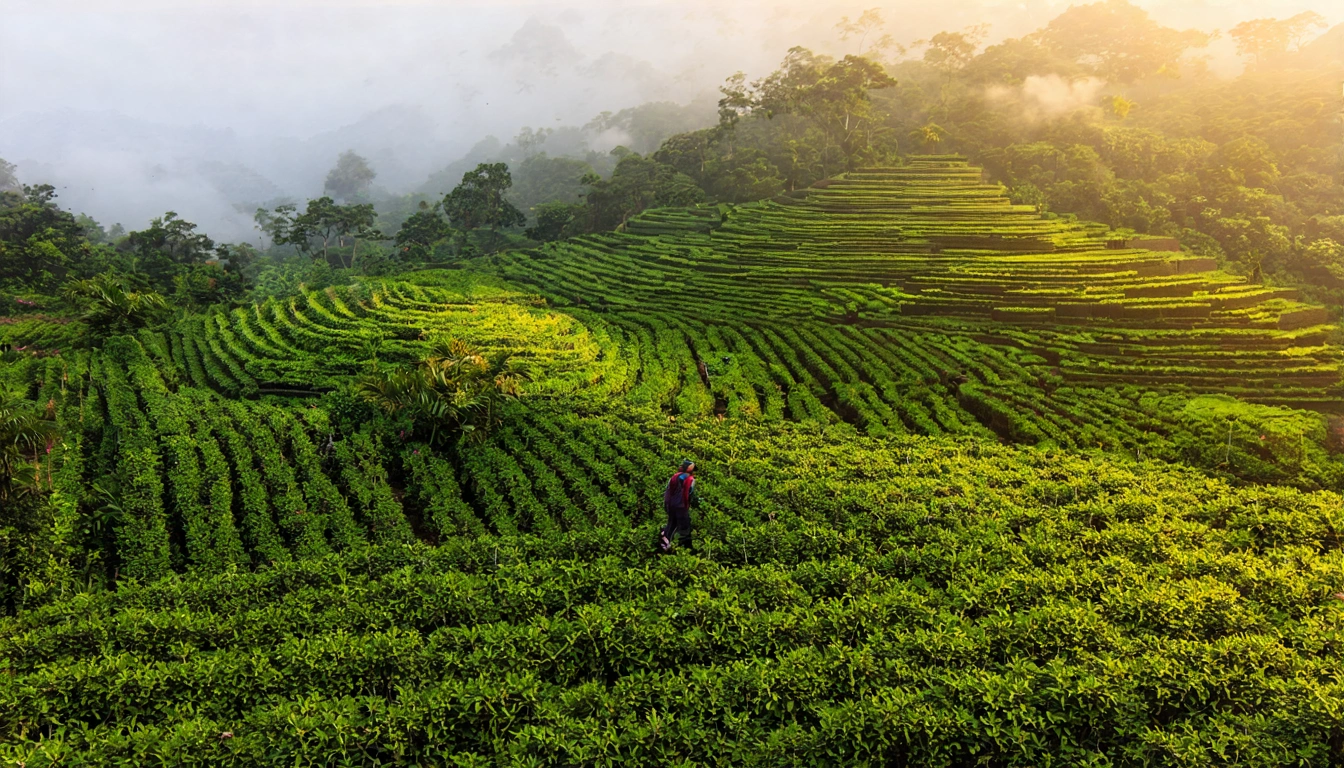
Alishan oolong is Taiwan’s most well-known high mountain oolong, produced in Alishan Township, Chiayi County, at 1,000-1,600 meters elevation. The Alishan tea area receives about 4,000mm of rain annually, has over 200 foggy days per year, and day-night temperature differences of 10-15°C. This environment slows tea growth, allowing rich sugar accumulation that creates its signature light floral aroma with natural sweetness. Our ChaYanSo team visits Alishan tea areas each season to personally verify the season’s tea quality with farmers — this firsthand knowledge gives us complete confidence in every Alishan oolong we recommend.
- Best for: All tea drinkers; the ideal entry point for Taiwanese high mountain oolong
- Price range: NT$800-2,500 per jin (600g)
- Detailed guide: Alishan Oolong Tea Complete Guide
Shanlinxi Oolong: Cool Highland Floral Notes
The Shanlinxi tea area (Zhushan Township, Nantou County, 1,600-1,800 meters elevation) is shrouded in clouds year-round, producing oolong renowned for its high-mountain sweetness, misty quality, and floral-fruity aroma. It’s among the least bitter types of Taiwanese high mountain oolong — ideal for those who appreciate delicate flavor nuances.
- Best for: Discerning palates sensitive to flavor details
- Price range: NT$1,000-3,000 per jin
Gui Fei Oolong: Lychee Honey Aroma from Insect-Bitten Fermentation
Gui Fei oolong has garnered significant attention in recent years as a distinctive Taiwanese oolong. When tea leafhoppers (Jacobiasca formosana) bite the leaves, the tea plant activates defense mechanisms producing abundant terpene compounds (particularly linalool oxide), creating its unique lychee and honey aromas — one of the most distinctive flavor profiles in Taiwanese oolong tea. When our ChaYanSo team first tasted Shanlinxi Gui Fei oolong, the natural lychee-honey aroma amazed the entire team, leading us to include Gui Fei oolong among our core recommended teas.
- Best for: Those who love sweet fruity-floral aromas and distinctive tea varieties
- Detailed guide: Gui Fei Oolong Tea Complete Guide
Si Ji Chun Oolong: Four Harvests a Year, Refreshing Floral Aroma
Si Ji Chun (TTES No. 17) is a uniquely Taiwanese oolong cultivar harvested four times per year, known for its refreshing magnolia-like floral aroma, offering excellent value for daily drinking.
- Best for: Daily tea, office tea; high value for money
- Price range: NT$500-1,200 per jin
Qingxin Oolong: Taiwan’s Heritage Cultivar with Rich Complexity
Qingxin oolong is Taiwan’s most traditional oolong cultivar, serving as the base variety for both Oriental Beauty tea and Wenshan Baozhong tea. When grown in high mountain environments, it displays remarkably rich aromatic layers and flavor depth.
Taiwanese Oolong Tea Types Comparison Chart
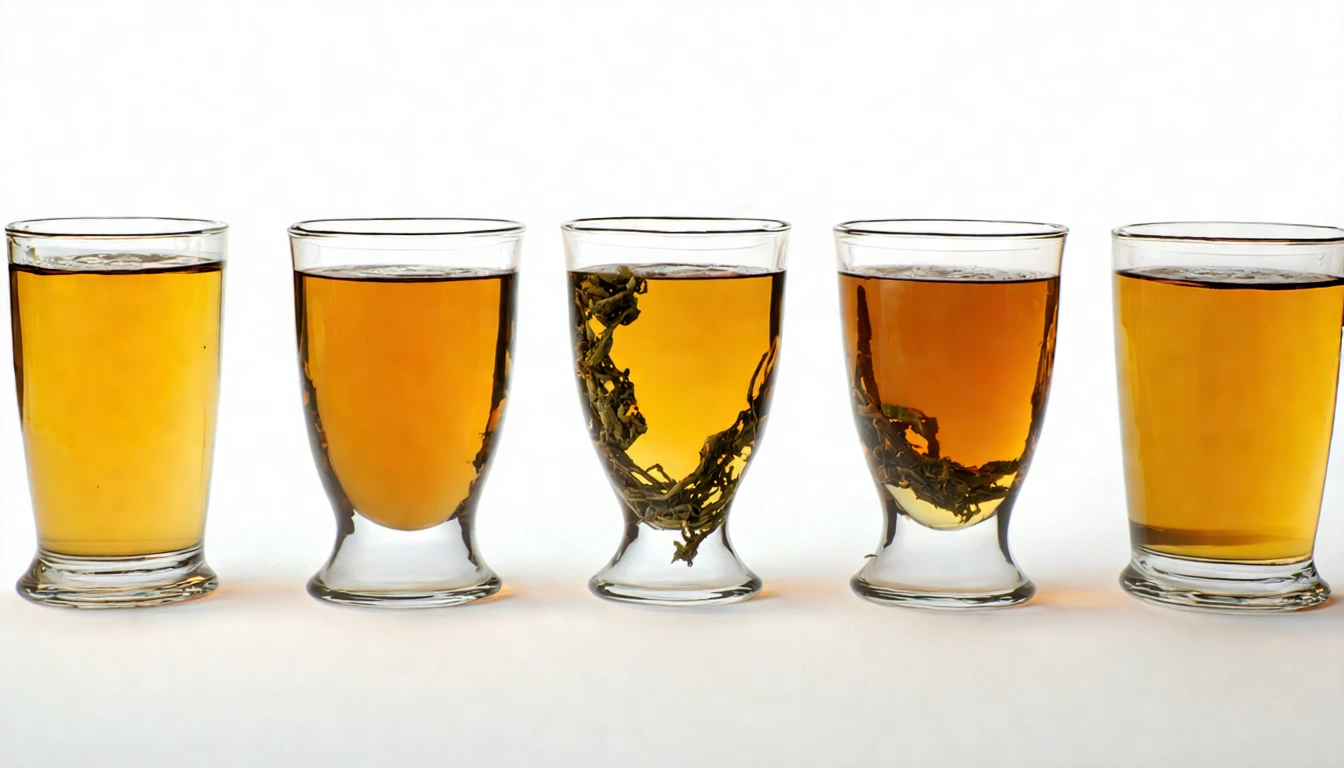
| Tea | Origin | Fermentation | Flavor Profile | Best For | Price Range (per jin) |
|---|---|---|---|---|---|
| Wenshan Baozhong | Taipei Wenshan, Pinglin | 10-15% | Light floral | Beginners, non-bitter preference | NT$300-800 |
| Jin Xuan oolong | Alishan, various mountains | 20-30% | Natural milky aroma, sweet | Beginners | NT$600-1,500 |
| Si Ji Chun | Various regions | 25-35% | Magnolia floral, refreshing | Daily drinking | NT$500-1,200 |
| Alishan light fragrance | Alishan | 20-30% | High mountain sweetness, floral | Everyone | NT$800-2,500 |
| Shanlinxi oolong | Shanlinxi | 25-35% | Misty sweetness, floral-fruity | Tea enthusiasts | NT$1,000-3,000 |
| Dong Ding oolong | Nantou Lugu | 30-40% | Honey-sweet roasted, mellow | Traditional Taiwan tea lovers | NT$500-1,500 |
| Lishan high mountain oolong | Lishan | 20-30% | Extreme sweetness, honey, depth | Premium tasting | NT$1,500-5,000 |
| Gui Fei oolong | Shanlinxi, Nantou | 30-50% | Lychee honey aroma, distinctive | Those seeking unique teas | NT$800-2,000 |
| Oriental Beauty | Hsinchu, Miaoli | 60-80% | Honey-fruit, naturally sweet | Heavy fermentation lovers | NT$800-5,000 |
Oolong Tea Health Benefits: Complete Analysis
Key Active Compounds in Oolong Tea
Oolong tea’s health benefits come from several key components:
- Polyphenols: Potent antioxidants that support cardiovascular health
- Catechins: Particularly EGCG, supporting metabolism and blood sugar regulation
- Caffeine: Alertness boost, approximately 25-60mg per cup
- L-Theanine: A unique relaxation amino acid that works synergistically with caffeine, providing clarity without tension
5 Science-Backed Benefits
1. Metabolism Boost & Weight Management Support
Research shows that oolong tea polyphenols and caffeine work synergistically to elevate resting metabolic rate. A 2023 study found that regular oolong tea drinkers had approximately 12% higher fat oxidation rates than non-tea drinkers. Note: oolong tea is a supportive tool, not a weight-loss miracle — balanced diet and exercise are essential.
2. Cardiovascular Health Protection
Oolong tea polyphenols help reduce LDL (bad cholesterol) oxidation and maintain blood vessel elasticity. A large Japanese tracking study showed lower cardiovascular disease risk among daily green tea or oolong tea drinkers.
3. Blood Sugar Regulation
Specific polyphenols in oolong tea help inhibit intestinal glucose absorption. Drinking after meals can help stabilize post-meal blood sugar levels. For those managing blood sugar (pre-diabetes, mild elevation), a post-meal cup of oolong tea is a worthwhile supportive habit.
4. Antioxidant & Anti-Aging Protection
Oolong tea’s semi-fermentation process produces theaflavins and thearubigins — unique polyphenol compounds with specific antioxidant and cardiovascular protective effects found in lower quantities in green tea. Taiwan oolong tea’s light fermentation (about 10-30%) retains high catechin levels while also producing active compounds beneficial for gut health and metabolic balance.
5. Alertness + Relaxation: The Dual Effect
This is what makes oolong tea (and all tea) unique: caffeine provides alertness while L-theanine provides relaxation. Together they create a state of clarity without tension — an experience coffee alone cannot provide.
For detailed scientific analysis of oolong tea benefits, see 8 Health Benefits of Oolong Tea.
Oolong Tea Price Guide
Key factors affecting oolong tea pricing:
1. Elevation: High mountain tea (above 1,000m) commands higher prices due to limited production and superior quality
2. Harvest Season: Spring tea (Mar-May) and winter tea (Oct-Dec) are the most prized seasons; summer and autumn teas follow
3. Variety Rarity: Lishan-specific high altitude cultivars and limited-edition farm offerings are significantly more expensive
4. Craftsmanship: Traditional handcrafted processing (especially for Gui Fei oolong and Oriental Beauty with insect-bitten fermentation) costs more
| Quality Level | Price per Jin | Representative Teas | Description |
|---|---|---|---|
| Entry level | NT$300-600 | Si Ji Chun, standard Dong Ding | Daily drinking, stable quality |
| Mid-range | NT$600-1,500 | Alishan light fragrance, Dong Ding select | Noticeably higher quality, suitable for gifts |
| Advanced high mountain | NT$1,500-3,000 | Shanlinxi, Alishan premium | Distinct terroir, excellent tasting experience |
| Premium | NT$3,000-8,000 | Lishan spring tea, Oriental Beauty select | Competition winners, limited editions |
| Collector | NT$8,000+ | Lishan Dayuling, top Oriental Beauty | Ultra-rare high altitude teas |
The Taiwanese high mountain oolong teas featured in this article are all available at ChaYanSo — direct from origin, quality guaranteed. Browse teas
Taiwanese Oolong Tea Recommendations 2026
Entry-Level Picks
Jin Xuan Oolong: Natural milky-sweet aroma that’s easy to love on first sip. Good quality starting at NT$500-800/jin.
Alishan Light Oolong (Tea Bag Version): Convenient brewing for an entry-level high mountain tea experience.
Advanced Picks
Alishan High Mountain Oolong (Spring Tea): The full experience of Taiwanese high mountain tea’s sweetness and floral aroma — an excellent choice for establishing your tasting baseline.
Shanlinxi High Mountain Oolong: An extra layer of misty depth beyond Alishan — suited for those already accustomed to high mountain tea.
Gift Picks
Lishan High Mountain Oolong Gift Box: Taiwan’s most premium high mountain tea region — a refined gift box that shows the recipient you truly care.
Oriental Beauty Collector’s Gift Box: Rich in story, culture, and unique aroma — the most conversation-worthy tea gift.
Taiwan Four Teas Collection: Four different Taiwanese oolongs in one set — perfect for introducing someone to the diversity of Taiwan tea.
Oolong Tea Brewing Complete Tutorial
Basic Principles
- Water quality: Filtered or mineral water is best (chlorine in tap water affects tea aroma)
- Water temperature: Light fragrance type 85-90°C, roasted type 90-95°C (don’t exceed 95°C — it damages aroma molecules)
- Tea-to-water ratio: 1g tea : 50ml water (tea bags are usually pre-portioned; just use as-is)
Hot Brew Method (Step by Step)
- Heat water to the right temperature (light oolong 88-90°C)
- Warm the vessel: pour in a small amount of hot water, swirl and discard to raise vessel temperature
- Add tea: use 1:50 ratio
- Pour water: gently along the vessel wall, avoiding direct impact on leaves
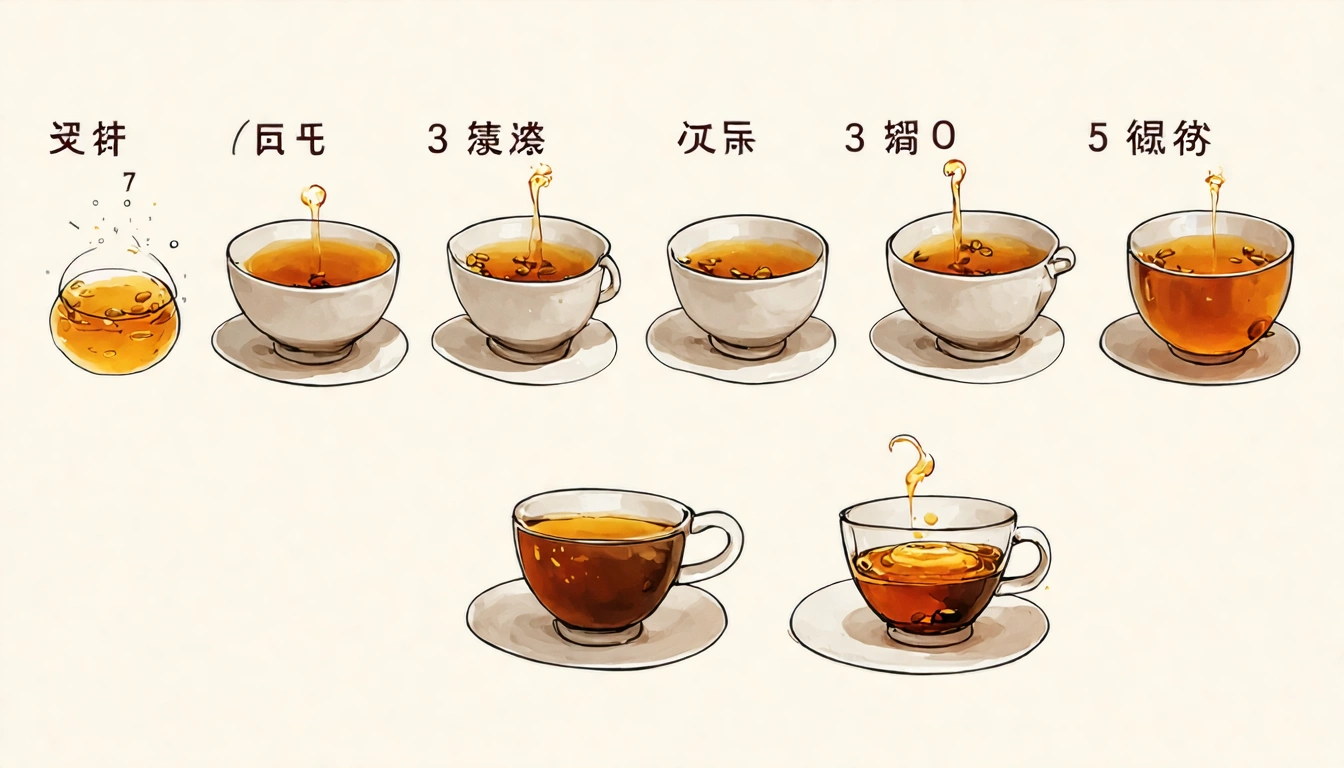
- Steep: first infusion 1-1.5 minutes, then taste
- Subsequent infusions: 2nd at 1.5-2 min, 3rd onward add 30 seconds each
- Premium high mountain oolong yields 6-8 infusions
Cold Brew Method
- Ratio: 1g tea : 100ml cold water (room temperature or ice water)
- Time: Refrigerate for 6-8 hours (overnight is best)
- Result: Clean, sweet tea liquor with virtually no bitterness and especially prominent floral aroma
- Best for cold brew: Light oolong (Alishan light, Jin Xuan) works best
For complete tea-specific and teaware-specific brewing methods, see Oolong Tea Brewing Complete Tutorial.
FAQ
Q: Is oolong tea the same as green tea?
No. Oolong tea is a semi-fermented tea, falling between green tea (0% fermentation) and black tea (100% fermentation), with fermentation levels from 10% to 80%. Green tea uses kill-green to halt oxidation, preserving the most catechins and fresh astringent taste. Oolong tea’s semi-fermentation develops richer aromas and sweeter, more mellow flavors. While both are tea, their production processes and flavor profiles are completely different.
Q: Which is better, oolong tea or green tea?
Each has its strengths, depending on personal taste preferences. Green tea is fresh and astringent with the highest catechin (EGCG) content. Oolong tea has rich aromas and is sweet without bitterness — ideal for those who dislike astringency. If you prefer light flavors, choose green tea. If you prefer rich aromas without bitterness, choose oolong tea.
Q: Why is it called “oolong” tea?
The name “oolong” has several origin stories. The most widely accepted one is: after rolling during processing, oolong tea leaves appear dark and shiny, curled like a “black dragon” (in Hokkien, “wu long” means “black dragon”), hence the name. Other theories point to personal names or place names, but none is definitively confirmed.
Q: Are there any downsides or precautions for drinking oolong tea?
- Avoid before bed: Oolong tea contains caffeine (25-60mg per cup), which may affect falling asleep
- Not ideal on an empty stomach: Tea on an empty stomach may irritate the gastric mucosa; drink 1 hour after meals
- Limit during pregnancy: Caffeine should be limited; pregnant women should keep daily caffeine under 200mg
- Caution for anemia: Tannins in tea bind with iron, affecting non-heme iron absorption; avoid drinking tea during meals
Q: Which is better, Taiwanese or Chinese oolong tea?
Each excels in its own way. Taiwanese high mountain oolong (Alishan, Lishan) is globally recognized as the pinnacle of light, sweet, semi-fermented oolong. Chinese oolong teas (Wuyi rock tea, Anxi Tie Guan Yin) have their own unique rocky character and craft traditions. It’s not a competition — it’s a choice between different styles.
Choosing Taiwanese Oolong Tea: From Entry-Level to Premium — Finding Your Perfect Match by Taste
Oolong tea is a category you could spend a lifetime exploring — from entry-level Jin Xuan’s sweet milky aroma, to advanced Shanlinxi’s misty depth, to premium Lishan’s honey sweetness, each level holds new surprises. Taiwan’s high mountain environment and centuries of tea craftsmanship have given the world the finest oolong tea experience. At ChaYanSo, every oolong we select goes through at least three rounds of blind tasting, ensuring that every tea we recommend offers the best flavor performance in its price range.
Further reading: Alishan Oolong Tea Complete Guide, Gui Fei Oolong Characteristics Analysis, Oolong Tea Health Benefits Scientific Analysis, Oolong Tea Complete Brewing Tutorial
Explore the beauty of Taiwanese oolong tea, starting with ChaYanSo — direct from origin, every cup is authentic Taiwanese tea. Browse teas