Office Tea Bag Recommendations 2026 | 8 Must-Have Taiwanese Whole-Leaf Tea Bags for Workers
Every time you want to drink good tea at the office, you either forget to bring it or it’s too much hassle to brew. Buying afternoon drinks at NT$60 per cup adds up to thousands per month without you even noticing. In reality, keeping a few Taiwanese whole-leaf tea bags in your office drawer means great tea is just a kettle pour away — costing less than bottled tea but tasting several times better.
The problem is: not every tea bag suits the office setting. You need energy in the morning, you can’t have insomnia-inducing tea in the afternoon, and you want fresh breath before meetings. Different times of day actually call for different tea varieties.
TL;DR
The key to drinking tea at the office is “scenario matching”: mornings call for caffeinated Alishan oolong or honey-scented black tea for energy; afternoons switch to low-caffeine Si Ji Chun or roasted oolong to protect your sleep. According to Taiwan tea research data, oolong tea contains about 25-55mg caffeine per 240ml — far less than coffee’s 80-135mg per cup. For office workers who need sustained focus without overstimulation, tea is a more balanced choice than coffee.
5 Benefits of Drinking Tea at Work: Why Keep Tea Bags at the Office
Taiwan’s bubble tea market revenue exceeded NT$133.1 billion in 2024 (Ministry of Economic Affairs Statistics Bureau), with office workers among the largest consumer groups. But brewing your own tea bags is not only healthier — it costs about one-tenth of a bubble tea. Drinking tea is the most cost-effective health investment you can make at the office — this isn’t marketing speak; it’s a scientifically-backed lifestyle habit.
1. More Sustained Alertness — Less Jittery Than Coffee
Tea leaves contain both caffeine and L-theanine. According to a randomized controlled trial published in PubMed, 97mg L-theanine combined with 40mg caffeine significantly improved attention-switching accuracy and subjective alertness (Haskell et al., Nutritional Neuroscience, 2010). L-theanine softens the tension from caffeine, making the energizing effect smoother and more sustained — unlike coffee’s sudden alertness followed by a sudden crash. This is particularly helpful for office workers who need to maintain productivity over long periods.
2. Catechin Antioxidants: Compensating for Office Air Quality
Working long hours in sealed, air-conditioned rooms and staring at screens — the catechins and polyphenols in tea help combat free radicals and protect cells. Research shows that EGCG in tea has antioxidant capacity equivalent to 25-100 times that of Vitamin C and Vitamin E (Taiwan Tea Research Report, 2004). While it’s no magic pill, the long-term cumulative effect is positive for your health.
3. Afternoon Tea Without Sleepless Nights
Coffee has a half-life of about 5-7 hours — coffee consumed at 3 PM still has half its caffeine in your system at 10 PM. But Si Ji Chun and lightly-roasted oolong have noticeably lower caffeine content, and drinking them after 2 PM has minimal impact on nighttime sleep for most people.
4. Fresh Breath: Your Secret Weapon Before Meetings
Tea polyphenols have natural antibacterial effects. Drinking a cup of green tea or oolong tea after meals effectively suppresses oral bacteria and keeps your breath fresh. A small cup after lunch and before meetings is far more elegant than chewing gum.
5. Replace Sugary Drinks and Cut Thousands of Calories Without Noticing
If you buy a bubble tea every afternoon, switching to office tea bags and hot water can save a staggering amount of sugar and calories over a year. The long-term health impact far outweighs any short-term fitness plan.
Office Tea Bag Recommendations by Scenario
Taiwanese oolong tea (semi-fermented tea) makes up the largest share of tea production (Ministry of Agriculture), making it the ideal base for office tea bags. Different times of day and different needs call for different tea varieties. Our ChaYanSo team are heavy users of “office tea bag brewing” ourselves — at least three cups a day — and through long-term testing, we’ve compiled these scenario-based recommendations.
Morning Energy: Alishan Oolong, Honey-Scented Black Tea
Alishan high mountain oolong tea bags are the best choice for office mornings. The cool high-altitude climate produces tea leaves rich in amino acids, with elegant and non-harsh aromas and moderate caffeine (25-40mg per cup). You feel alert without feeling anxious.
Honey-scented black tea bags suit those who prefer a sweet taste. The natural honey-sweet aroma makes mornings especially pleasant, with slightly higher caffeine (about 40-50mg) for noticeable alertness. Black tea warms the stomach, making it friendlier than green tea for those who drink tea on an empty stomach in the morning.
Afternoon Without Insomnia: Low-Caffeine Si Ji Chun, Roasted Oolong
Si Ji Chun tea bags have among the lowest caffeine in the oolong family, and their refreshing floral aroma lifts your afternoon work mood. Drink them after 2 PM without worrying about tossing and turning at night.
Roasted oolong tea bags (medium roast) have caffeine partially evaporated during the roasting process, making their content lower than unroasted oolong. This is the most frequently brewed tea during our ChaYanSo office afternoon tea time — the warm, soothing roasted flavor feels comforting, unanimously recognized by colleagues as “the 3 PM salvation.” It’s especially popular among friends dealing with high office stress.
Post-Entertainment Palate Cleanser: Pu-erh Tea Bags, Roasted High Mountain Oolong
After business lunches or entertaining, heavy foods weigh on your stomach. A cup of pu-erh tea bags or roasted high mountain oolong is the best digestive choice — the oil-cutting effects of fermented and roasted teas are supported by traditional dietary wisdom. The non-sweet taste is perfect after a meal.
Beauty & Wellness for Women: Oriental Beauty Tea Bags, Rose Black Tea Bags
Oriental Beauty tea bags (also called Bai Hao oolong) are rich in tea polyphenols, with natural honey aromas that lift your spirits. A favorite afternoon tea choice among female colleagues — easy to brew, elegant in aroma, and even the packaging looks great on your desk.
Rose black tea bags combine a Taiwanese black tea base with natural rose petals, offering layered floral aromas — a lovely relaxation choice for afternoon tea.
Break Room Stock: Bulk Sharing Packs
If you’re purchasing tea for the office break room, consider 20-30 pack bulk Taiwanese oolong tea bags or roasted tea, convenient for shared use. Choose neutral-flavored, broadly appealing varieties — light oolong or Si Ji Chun are the safest bets that rarely disappoint.
Office Scenario Tea Bag Quick Reference
| Scenario | Recommended Tea | Caffeine Level | Suggested Time |
|---|---|---|---|
| Morning energy | Alishan oolong, honey-scented black tea | Medium (25-50mg) | 8-11 AM |
| Afternoon, no insomnia | Si Ji Chun, roasted oolong | Low (15-30mg) | 1-3 PM |
| Post-entertainment digestion | Pu-erh tea bags, roasted high mountain oolong | Low-Medium | 30 min after meals |
| Beauty & wellness | Oriental Beauty, rose black tea | Low-Medium | Any afternoon time |
| Break room stock | Light oolong, Si Ji Chun (bulk) | Low-Medium | All day |
Pick your office tea, and ChaYanSo delivers straight to your company — one box lasts months. Shop now
Complete Guide to Low-Caffeine Tea Bags: Afternoon Drinking Without Affecting Sleep
According to research, caffeine has a half-life of about 5-7 hours, meaning caffeine consumed at 3 PM still has about half remaining in your body at 10 PM (CommonHealth). Choosing low-caffeine tea bags is the key strategy for afternoon tea that doesn’t affect sleep.
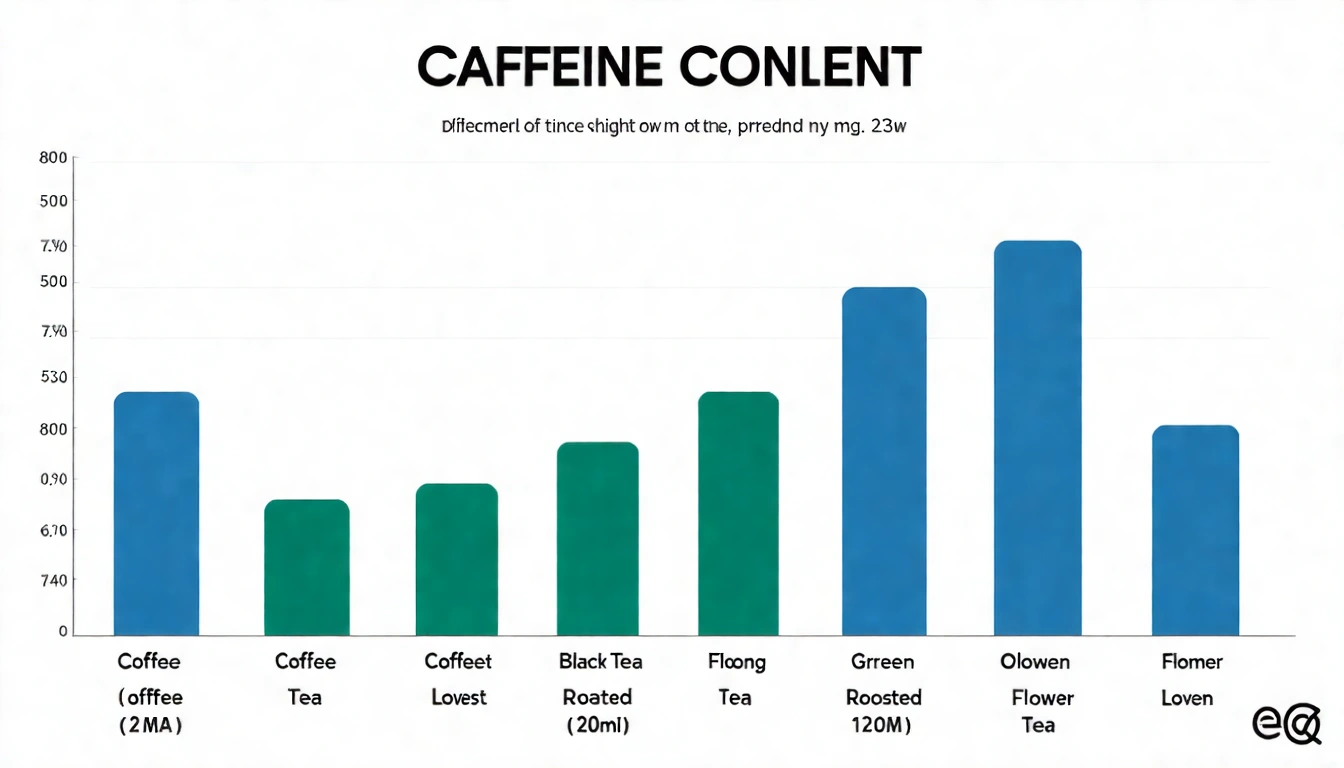
Caffeine content of major Taiwanese tea types (per 240ml brewed):
| Tea Type | Caffeine Content | Suitable Time |
|---|---|---|
| Coffee (reference) | 80-135mg | — |
| Taiwan black tea (honey-scented, etc.) | 40-70mg | Morning |
| Alishan high mountain oolong | 30-50mg | Morning to noon |
| Si Ji Chun oolong | 20-35mg | All day |
| Light oolong | 25-45mg | Morning to afternoon |
| Roasted oolong (medium roast) | 15-30mg | Afternoon |
| GABA oolong tea | Very low | Afternoon to evening |
| Herbal tea (lavender, chamomile) | 0mg | Any time |
Best choices after 2 PM:
- Si Ji Chun: Low caffeine, refreshing floral aroma, easiest to drink
- Roasted oolong: Caffeine reduced through roasting, warm and mellow
- Oriental Beauty tea: Light processing, relatively low caffeine
- GABA oolong tea: Taiwan’s unique gamma-aminobutyric acid tea, promotes relaxation, very low caffeine
- Herbal tea bags: Zero caffeine, suitable for those prone to insomnia or caffeine-sensitive
What if you’re especially sensitive to caffeine?
Shortening the steeping time (30-60 seconds quick brew) can reduce caffeine extraction by about 30-40%, since caffeine releases faster than polyphenols. However, this also makes the tea taste lighter. A more fundamental solution is to choose low-caffeine tea varieties directly rather than expecting brewing methods to completely eliminate caffeine.
How to Brew Great Tea at the Office? 4 Key Details
Over 92% of Taiwanese consumers report drinking brewed tea bags (Pollster Survey, 2019), but whether it tastes good often depends on these four commonly overlooked details. Our ChaYanSo team has tested this in the office for years and found that “steeping time control” is the most commonly mishandled step — and the one that most affects taste.
1. Choosing Your Brewing Vessel
A steeping pot (personal tea cup with filter) is the most recommended choice for the office — it allows precise control of steeping time and prevents over-steeping bitterness. A regular mug works too, but remember to remove the tea bag when time is up — many people forget when busy, leaving the tea bag soaking all morning and ending up with bitter water.
2. Proper Tea Bag Storage at the Office
Tea bags’ worst enemies are: moisture, light, and odor contamination. For office drawers, use a sealed canister or zip-lock bag to store tea bags — don’t leave the original packaging open. Avoid placing near the break room sink (moisture) or windows (light). Properly sealed Taiwanese tea bags typically maintain their flavor for 3-6 months in an office environment.
3. Water Temperature Tips (Without a Thermometer)
- Oolong tea, black tea: 90-95°C — “let boiling water sit for 1-2 minutes”
- Green tea varieties: 75-80°C — “let boiling water sit for 5 minutes” or mix 1:1 with cold water
- Roasted tea: 100°C direct pour is fine
- How to judge: After a full boil and settling, when large bubbles disappear and only small bubbles remain, it’s about 90°C
4. Steeping Time Recommendations
| Tea Type | Recommended Steeping Time | Consequence of Over-steeping |
|---|---|---|
| Oolong tea | 2-3 minutes | Noticeably bitter |
| Black tea | 3-4 minutes | Strong astringency |
| Green tea | 1-2 minutes | Bitter with strong grassy taste |
| Roasted tea | 2-3 minutes | Less sensitive |
Cold brew tea is also a great choice for summer in the office — prepare it the night before in the office refrigerator and it’s ready the next morning. For detailed cold brew instructions, see Cold Brew Tea Bag Guide & Complete Tutorial.
FAQ
Q: What’s the best tea to drink at the office?
It depends on the time of day: mornings go with Alishan high mountain oolong or honey-scented black tea — moderate caffeine with good alertness; after 2 PM, switch to Si Ji Chun or roasted oolong — low caffeine that won’t affect nighttime sleep. If you’re completely caffeine-sensitive, herbal tea bags are a zero-caffeine all-day option.
Q: Will tea bags go bad stored at the office?
Properly sealed Taiwanese tea bags can last 3-6 months in office conditions (avoiding moisture and light). Use sealed canisters or zip-lock bags — don’t leave them open in a drawer. If you notice an odd rancid or musty smell, the tea bags have absorbed moisture and deteriorated — don’t drink them.
Q: How many cups of tea can I drink per day?
For most adults, 3-4 cups per day (about 600-800ml) is a moderate and beneficial amount. Everyone metabolizes caffeine differently — if you notice heart palpitations or declining sleep quality, reduce your intake or switch to low-caffeine varieties. Pregnant and breastfeeding women should keep daily caffeine intake under 200mg.
Q: What tea bags are best for purchasing for the whole office?
For shared office tea, choose light oolong or Si Ji Chun: neutral flavor, delicate floral notes, highest general acceptance, and lowest risk of disappointment. Add a few herbal tea bags for colleagues who are caffeine-sensitive. For colleague gift recommendations, see Gift Tea Bag Recommendations: Premium Taiwanese Tea Bag Gift Boxes.
Office Tea Strategy: Choose the Right Tea, Brew It Right, and Enjoy Great Tea Every Day
From Alishan high mountain oolong’s morning energy boost, to Si Ji Chun’s afternoon stress relief, to Oriental Beauty’s tea-tasting moments — the office is actually the ideal place to build a tea-drinking habit. Fixed time slots, a kettle, and spare moments for brewing — every workday is a great opportunity to establish ritual and routine.
Choose the right variety (by scenario), steep for the right time (don’t over-steep), and store your tea bags properly (sealed and moisture-free) — get these three principles right, and your office tea experience will rival any tea shop.
For more Taiwanese tea bag shopping guides, see Taiwan Tea Bag Recommendations: The 5 Best Types of Whole-Leaf Tea Bags to Buy in 2026.
Make every workday a day with a cup of great Taiwanese tea. ChaYanSo’s premium Taiwanese high mountain whole-leaf tea bags — stock up for your office now. Explore ChaYanSo
Further Reading
- Taiwan Tea Bag Recommendations: 10 Popular Whole-Leaf Tea Bags Complete Comparison
- Cold Brew Tea Bag Guide & Complete Tutorial: Essential Summer Cold Brew Tea Strategies
- Travel Tea Bag Recommendations: Lightweight, Sealed, Bringing Taiwan’s Flavor Worldwide
- Tea Bag Material Safety Guide: How to Identify Harmful Plastic Materials
- Gift Tea Bag Recommendations: Premium Taiwanese Tea Bag Gift Boxes
References
- Caffeine Comparison: Red Tea, Green Tea, and Oolong Tea - Liao Chang Xing Tea
- Which Has More Caffeine: Green Tea, Black Tea, or Oolong Tea? - CommonHealth
- Which Tea Has the Most Caffeine? - Yu Cha Jin
- Oolong Tea, Black Tea, Green Tea Caffeine Comparison - Teapark
- Ministry of Economic Affairs Statistics Bureau - Industry Economic Statistics Brief - Bubble Tea Market Statistics
- The combination of L-theanine and caffeine improves cognitive performance - Haskell et al., Nutritional Neuroscience, 2010
- Taiwan Tea Research Report - Catechin Antioxidant Activity Study, 2004
- Pollster Online Survey - Tea Bag Drinking Habits Survey, 2019