
Hotel & Restaurant Tea Wholesale Guide 2026 | Commercial Taiwan Tea Sourcing & Supplier Evaluation
Hotels and restaurants face entirely different challenges from individual consumers when it comes to procuring tea.
It’s not just about “which tea tastes good” — of course you know good taste matters — but rather: Can I reliably source the same tea next month? Is this batch consistent with the last one? When I calculate the cost against bulk packaging and usage volume, is the pricing reasonable?
In 2024, Taiwan’s food service market reached an annual revenue of NT$1.0378 trillion, a year-on-year increase of 3.6% (Ministry of Economic Affairs, 2024). The tourism hotel industry grew 30.1% year-on-year to NT$59.5 billion in 2023 (Ministry of Economic Affairs, 2024). This massive hospitality market is driving continuous growth in commercial tea demand.
These are the core questions for hotel and restaurant tea procurement. This article provides a comprehensive sourcing framework for the hospitality industry.
At ChaYanSo, the most common issue we encounter when serving hotel clients is not “the tea doesn’t taste good enough” but rather “after switching suppliers, the quality fluctuates between batches and guests notice the difference” — quality consistency always ranks first (ChaYanSo, 2025).
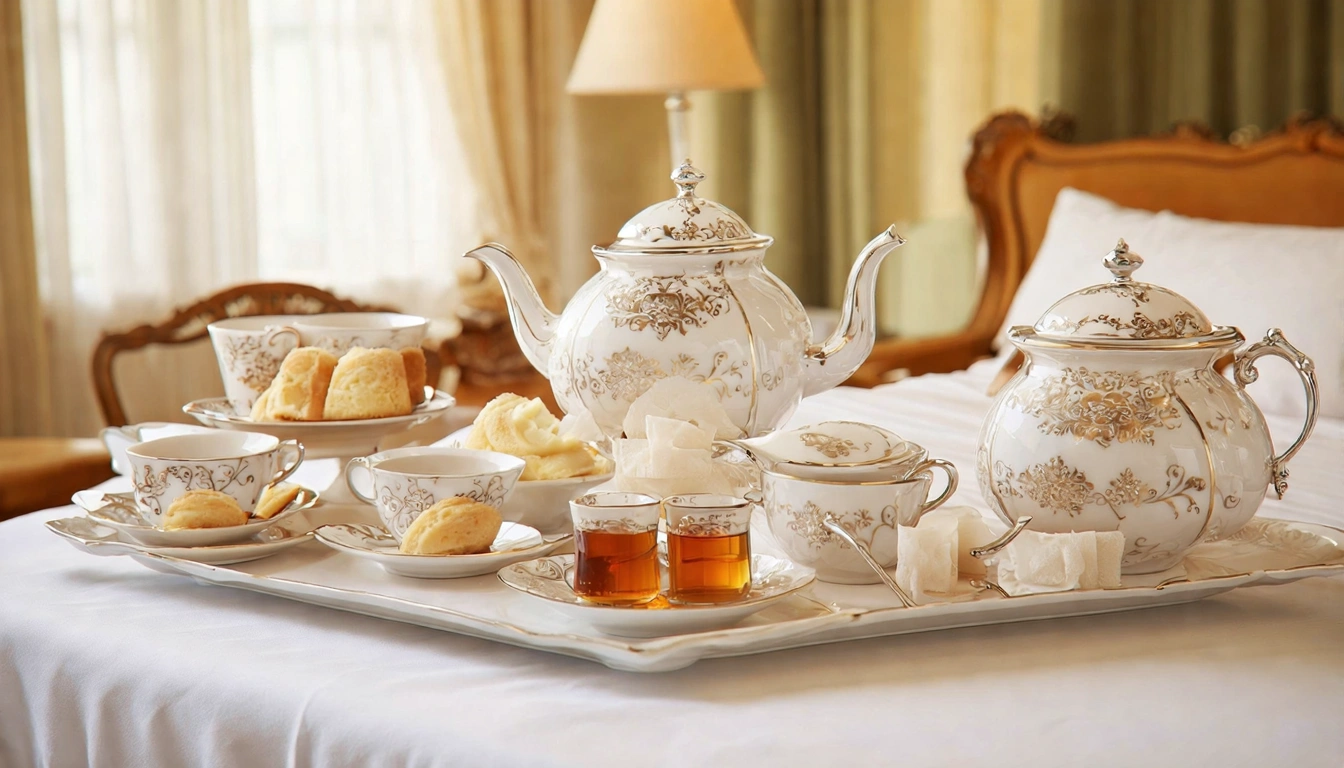
TL;DR: Three core priorities for hotel/restaurant tea procurement: (1) Quality consistency (batch stability) (2) Packaging specifications (bulk loose-leaf or large-quantity tea bags) (3) Procurement cost. Among ChaYanSo’s hotel clients, 80% prioritize tea bags over loose-leaf, citing operational convenience and portion consistency (ChaYanSo, 2025).
Have hotel or restaurant procurement needs? Contact ChaYanSo for inquiries. Business Procurement Inquiries
Hotel Tea Bag Procurement: What Tea for Which Occasion?
Hotel tea needs typically break down across several service contexts, each with different requirements:
Guestroom Tea Amenity
This represents the largest volume of hotel tea procurement. Each room requires at least 2–4 tea bags daily (for guest use), and high-occupancy hotels need extremely stable supply.
Guestroom tea bag selection logic:
- Five-star hotels: Varieties should have character and packaging should convey quality — Alishan Oolong, Jin Xuan Tea, and Lishan Tea are all excellent choices
- Business hotels: Practicality first, no need to be overly premium — Si Ji Chun tea bags and High Mountain Oolong tea bags are mainstream choices
- Boutique B&Bs: Can choose teas with compelling stories, paired with info cards to help guests learn about Taiwan tea
Restaurant Table Tea (Table Water Replacement)
Many Taiwan restaurants have replaced table water with cold-brewed tea, particularly Taiwanese and Chinese restaurants. Taiwan’s tea plantation area covers approximately 12,000 hectares with annual production of about 14,000 metric tons (MODA Tea Research and Extension Station, 2023), providing sufficient domestic tea supply for restaurants to offer high-quality Taiwan tea service at reasonable cost.
Cold brew tea procurement priorities:
- Choose mild teas (Baozhong tea, Si Ji Chun) that won’t compete with food aromas
- Verify cold brew output consistency — a good supplier’s tea should cold-brew consistently
- For high-volume scenarios, procure loose-leaf tea for self-brewing — costs 30–50% less than tea bags
Afternoon Tea Service
Hotels and restaurants with afternoon tea service typically need 1–3 distinctive teas to pair with pastries. The selection logic here differs: aromatic distinction, storytelling potential, and the ability for servers to introduce the tea. Oriental Beauty, Taiwan black tea, and aged tea all present opportunities.
Five Criteria for Evaluating Tea Suppliers
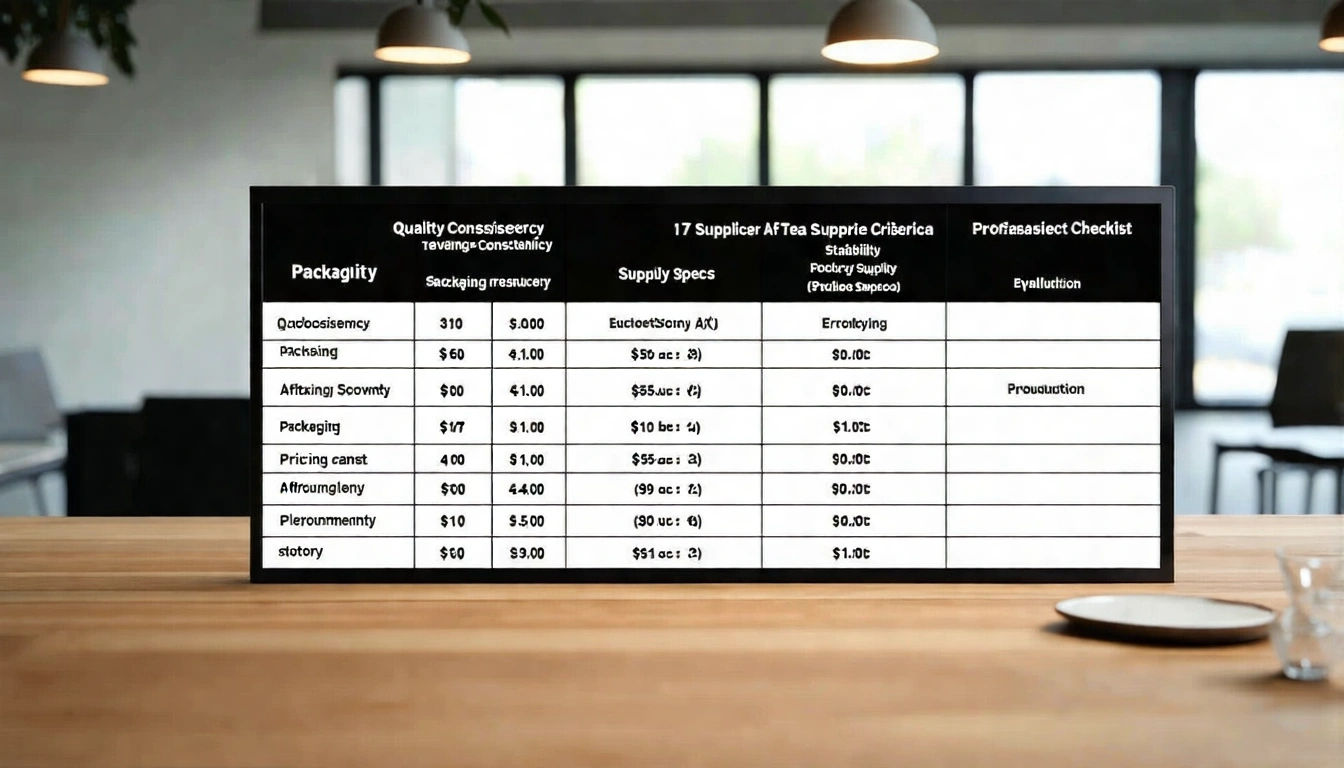
When hotels and restaurants procure tea, supplier evaluation should cover these five dimensions:
1. Quality Consistency (Most Important)
The same tea should maintain stable quality within a reasonable range from one batch to the next. Evaluation method: request batch records from the supplier, or trial-order 2–3 batches in small quantities first and observe quality stability.
A truly consistent supplier maintains a baseline for each tea’s aroma, liquor color, and flavor that doesn’t vary significantly between batches. At ChaYanSo, we maintain liquor color and flavor records for every batch, ensuring hotel clients receive tea that stays within the quality baseline on every delivery (ChaYanSo, 2025).
2. Supply Stability
Can the supplier reliably deliver when you need it? Pre-Lunar New Year and peak tourism season are hospitality industry procurement peaks — supplier stockouts at these times cause serious disruption. Evaluation method: ask about stock levels, seasonal supply plans, and backup plans for shortages.
3. Packaging Specification Flexibility
Can the supplier provide packaging that fits your operational workflow? Loose-leaf weight specifications (500g, 1kg, 2kg), tea bag specifications (pyramid/square, individually wrapped/unwrapped, bags per box) all need to align with your service process.
4. Pricing Transparency
Is wholesale pricing clear with no hidden costs? Are seasonal price adjustments communicated in advance? A good supplier should have a clear quotation sheet covering minimum order quantities, unit prices, logistics costs, and payment terms.
5. After-Sales Service & Communication Efficiency
When issues arise, can you get a quick response? Especially during hotel peak seasons or busy restaurant periods, any supply issue requires a supplier who can communicate and resolve problems rapidly.
Taiwan Tea Wholesale: Common Specifications & Price Reference
| Tea Variety | Recommended Use | Wholesale Packaging | Reference Wholesale Price (per 100g) |
|---|---|---|---|
| Si Ji Chun Oolong | Restaurant table tea, business hotel rooms | Loose-leaf 500g/1kg, Tea bags 200-ct | Medium |
| Jin Xuan Tea | Top choice for guestroom tea bags, afternoon tea | Tea bags 100-ct, 200-ct | Medium |
| High Mountain Oolong | Five-star hotel rooms, afternoon tea sets | Loose-leaf 500g, Tea bags 100-ct | Medium-high |
| Alishan Oolong | Premium hotel rooms, specialty tea service | Tea bags 50-ct, 100-ct | High |
| Oriental Beauty Tea | Afternoon tea set specialty selection | Loose-leaf 100g/250g | High |
| Taiwan Black Tea | Afternoon tea, blended drink base | Tea bags 100-ct, Loose-leaf 500g | Medium |
Specific wholesale pricing varies by order volume, packaging specifications, and tea vintage. Please contact us for a formal quotation.
Hotel and restaurant procurement inquiries — ChaYanSo has dedicated B2B programs. Inquire Now
Practical Procurement Tips for Hotels & Restaurants
Tip 1: Trial Order First, Then Commit to Long-Term Partnership
Don’t place a large order on the first purchase. Start by ordering small quantities of 2–3 teas (enough for 1–2 months), let staff test them and gather guest/customer feedback. Once you’ve confirmed quality and effectiveness, convert to formal long-term orders. Taiwan oolong tea accounts for the largest share of domestic tea production (MODA, 2024), with Nantou County representing approximately 48.9% of Taiwan’s total tea plantation area (MODA, 2024). Choosing suppliers with clear origin sourcing is the foundation of quality stability.
Tip 2: Choose Branded Tea for Guestroom Tea Bags
Many premium hotel guests photograph guestroom tea bags and share on social media — this is free word-of-mouth marketing. Choosing branded tea bags with clear variety descriptions creates better promotional value than anonymous white-label tea bags.
Tip 3: Establish a Clear Procurement Cycle with Your Supplier
Communicate with your supplier: approximately how much you need per month, with preferred restocking on the Xth of each month. This allows the supplier to prepare inventory in advance rather than scrambling with rush orders every time. This benefits both sides — you avoid shortages, and the supplier can manage inventory rationally. Among ChaYanSo’s long-term hotel clients, those on fixed monthly procurement cycles have virtually never experienced stockout issues — advance planning is a win-win approach (ChaYanSo, 2025).
Tip 4: Keep 1–2 Backup Tea Options Ready
Agricultural products are seasonal, and specific teas may decline in quality or become unavailable during off-seasons or poor harvests. Confirm with your supplier in advance: if your primary tea is unavailable or doesn’t meet quality standards, what alternatives are available?
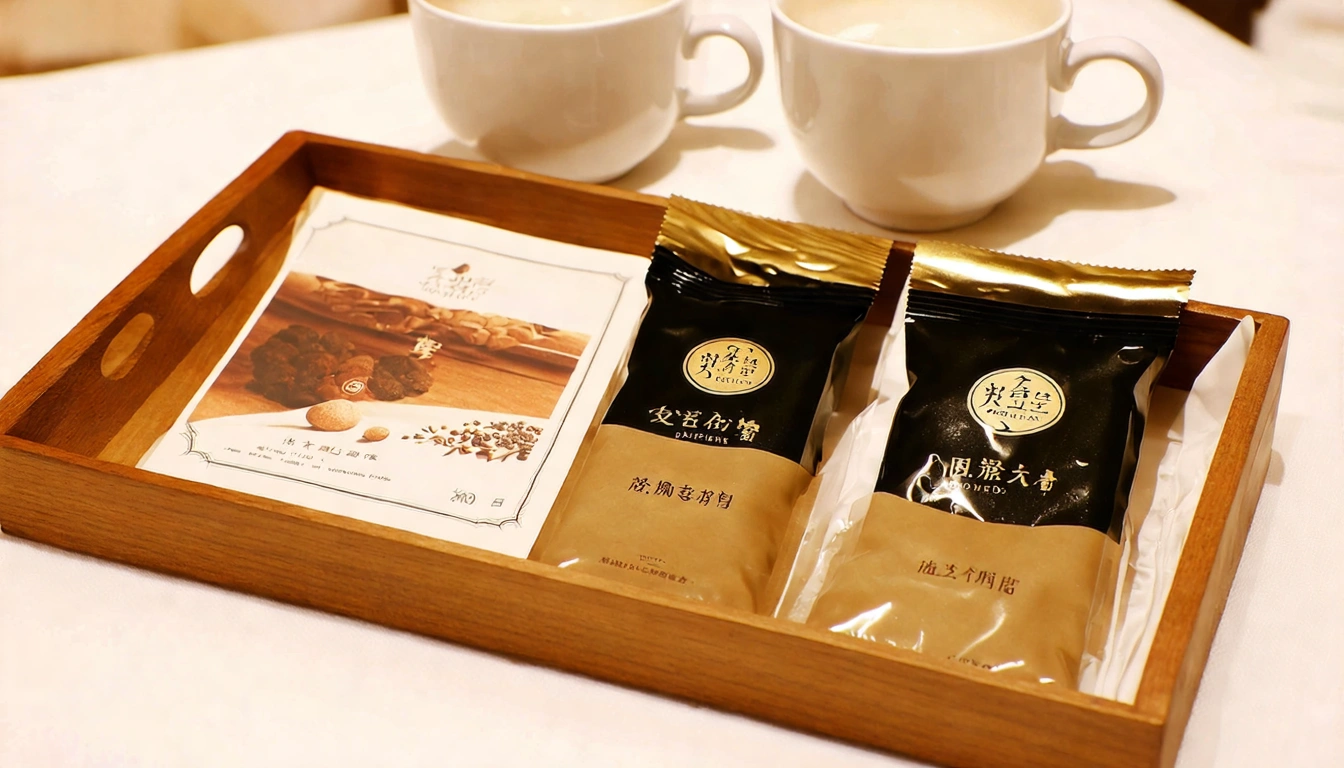
A premium hotel guestroom tea bag “info card” is often overlooked but is actually the lowest-cost brand communication tool — a card reading “Alishan Oolong Tea, 1,200 meters elevation, harvested at dawn” can completely transform how a guest perceives that cup of tea (ChaYanSo, 2025).
FAQ: Hotel & Restaurant Tea Wholesale Common Questions
Do hotel guestroom tea bags have minimum order requirements?
ChaYanSo’s hotel tea bag wholesale typically starts at 100 bags. Smaller B&Bs with lower volumes can also contact us to discuss suitable options. Different packaging specifications (individually wrapped/unwrapped) have different minimum orders — please describe your needs via our contact page.
Should restaurants use loose-leaf cold brew or tea bags?
It depends on volume and operational workflow. High-volume restaurants should use loose-leaf cold brew (lower cost, more flavor control flexibility); low-volume operations or those prioritizing convenience should use tea bags (fixed portions, no measuring needed). ChaYanSo supplies both formats and can recommend the best option for your situation.
Can hotels or restaurants request custom packaging from suppliers?
Yes. ChaYanSo offers customized packaging services — from individually wrapped guestroom tea bags printed with hotel branding to gift boxes with tea variety introduction cards. All can be adjusted to your requirements. Custom packaging typically requires minimum order quantities (ranging from 200–1,000 units depending on complexity). Please describe your specific needs via our contact page for a tailored proposal.
Further Reading
- Taiwan Tea Wholesale & B2B Partnership Guide: OEM, Corporate Procurement, Export Documentation
- Taiwan Tea OEM Manufacturing Guide: From Samples to Mass Production
- Taiwan Tea Export Guide: Japan, US, EU Market Regulations & Procedures
- Taiwan Specialty Tea Varieties Guide: Tieguanyin, Wenshan Baozhong, Oriental Beauty
- Taiwan Tea Comprehensive Knowledge: Classification, Origins, Varieties Complete Guide