
Guifei Oolong Tea Complete Guide 2026 | The Lychee-Scented Oolong: Characteristics, Origins & Buying Guide
Guifei Oolong is one of the most captivating varieties of Taiwan oolong tea — its lychee-honey and floral-fruity complexity stops first-time drinkers in their tracks: “Was something added to this?” No. That aroma is entirely natural. Taiwan oolong tea (semi-fermented) accounts for the largest share of Taiwan’s tea production, and Guifei Oolong is one of its most distinctive representatives.
TL;DR
Guifei Oolong (also called Guifei Tea) is a uniquely Taiwanese specialty oolong whose honey-lychee fragrance is created when leafhoppers (Jacobiasca formosana) bite tea leaves, triggering the plant’s defense mechanism. The principle is identical to Oriental Beauty tea, but the origin (primarily Shanlinxi area) and fermentation degree differ slightly, producing a flavor that leans more toward honey-sweet floral-fruit fragrance rather than Oriental Beauty’s deeper honey-fruit intensity.
What Is Guifei Oolong Tea?
The Origin of the Name
“Guifei” refers to Yang Guifei, the legendary Tang Dynasty imperial consort — lychee was her favorite fruit, and since this tea carries a distinctly lychee-honey sweetness, it evokes the story of Yang Guifei’s passion for lychee, earning the name “Guifei Oolong” or “Guifei Tea.”
The name is romantic, but the source of this tea’s aroma is actually a natural process even more interesting than any poetry.
Guifei Oolong vs Oriental Beauty Tea: Similarities and Differences
Many people hearing about Guifei Oolong for the first time ask: “Is it the same as Oriental Beauty tea?”
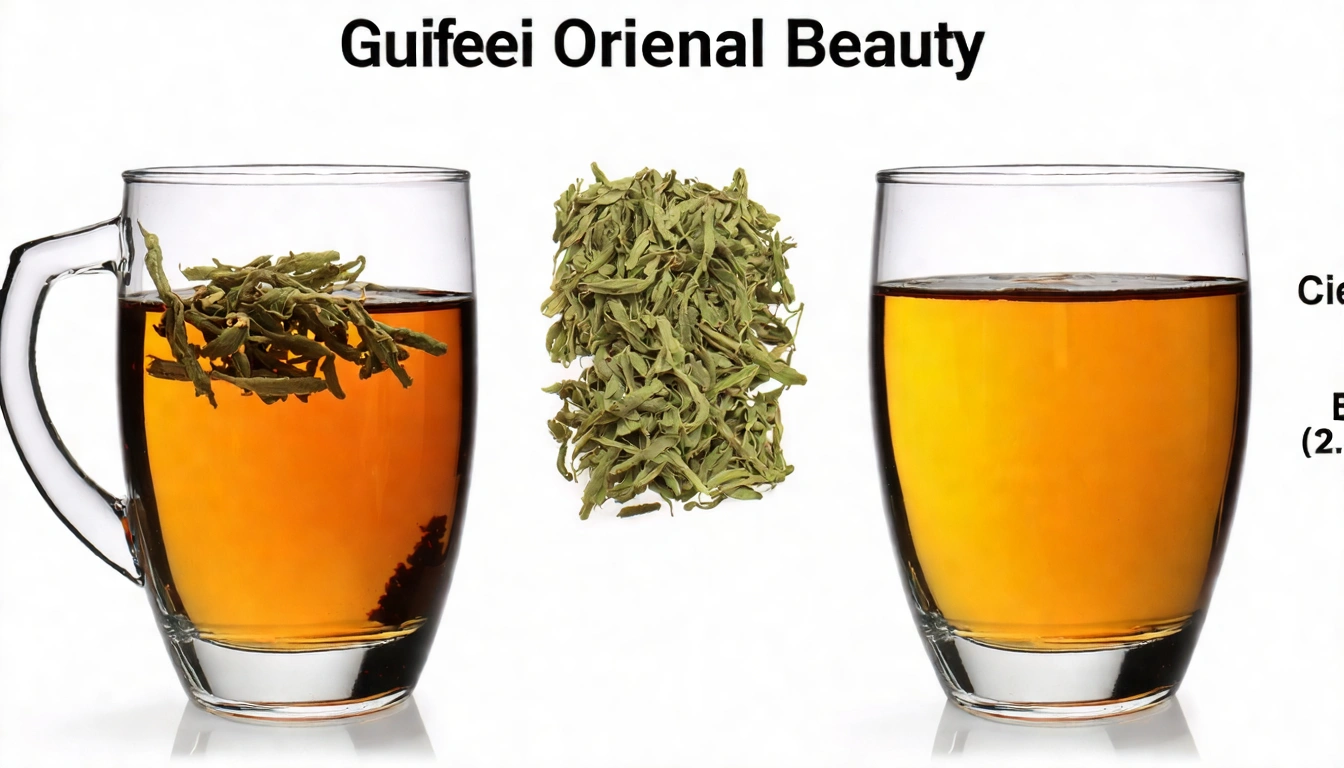
Both share the same core mechanism — insect-bite fermentation (natural oxidation following leafhopper bites) — but there are several key differences:
| Dimension | Guifei Oolong | Oriental Beauty Tea |
|---|---|---|
| Primary Origin | Shanlinxi, Nantou area | Hsinchu County (Beipu, Emei), Miaoli County |
| Fermentation Level | 30–50% | 60–80% |
| Liquor Color | Orange-gold to honey-yellow | Deep gold to amber |
| Primary Aroma | Lychee, honey-sweet, floral | Honey-fruit, ripe fruit, amber sweetness |
| Mouthfeel | Relatively refreshing, led by honey-sweet floral notes | Richer, deeper honey-fruit sweetness |
| Accessibility | Easier for newcomers | Some may need to adjust to heavy fermentation |
The Source of Guifei Oolong’s Aroma: The Remarkable Role of Leafhoppers
The Natural Aroma Science of Insect-Bite Fermentation
This is one of the most fascinating natural processes in Taiwan tea. The small green leafhopper (scientific name: Jacobiasca formosana) is a tiny insect measuring just 2–3mm that feeds by piercing and sucking tea leaf juices.
When leafhoppers bite the tea leaves:
- The tea leaf senses it is “under attack” and activates its defense mechanism
- Through abnormal metabolic pathways, the leaf produces large quantities of terpenoid compounds (particularly 2,6-dimethyl-3,7-octadiene-2,6-diol and other specialized compounds). These compounds attract the leafhopper’s natural predator, the white-spotted hunting spider, even at extremely low concentrations.
- These very compounds are the source of the lychee and honey-sweet aromas — research confirms that mechanical damage simulating insect bites causes tea plants to release volatiles, but the specific compounds produced differ from those triggered by actual leafhopper feeding.
- Tea farmers harvest at precisely this moment, preserving these special aromatic compounds to produce Guifei Oolong
This process requires perfect timing — sufficient leafhopper populations, the right climate conditions, and experienced farmers who know exactly when to pick. Not every tea garden can produce quality Guifei Oolong every year.
Why Organic Farming Is Especially Important for Guifei Oolong
Tea gardens using pesticides typically lack sufficient leafhopper activity — pesticides eliminate insect populations. Therefore, truly premium Guifei Oolong usually comes from organic or reduced-pesticide tea gardens. This is also why good Guifei Oolong is relatively precious, with limited production.
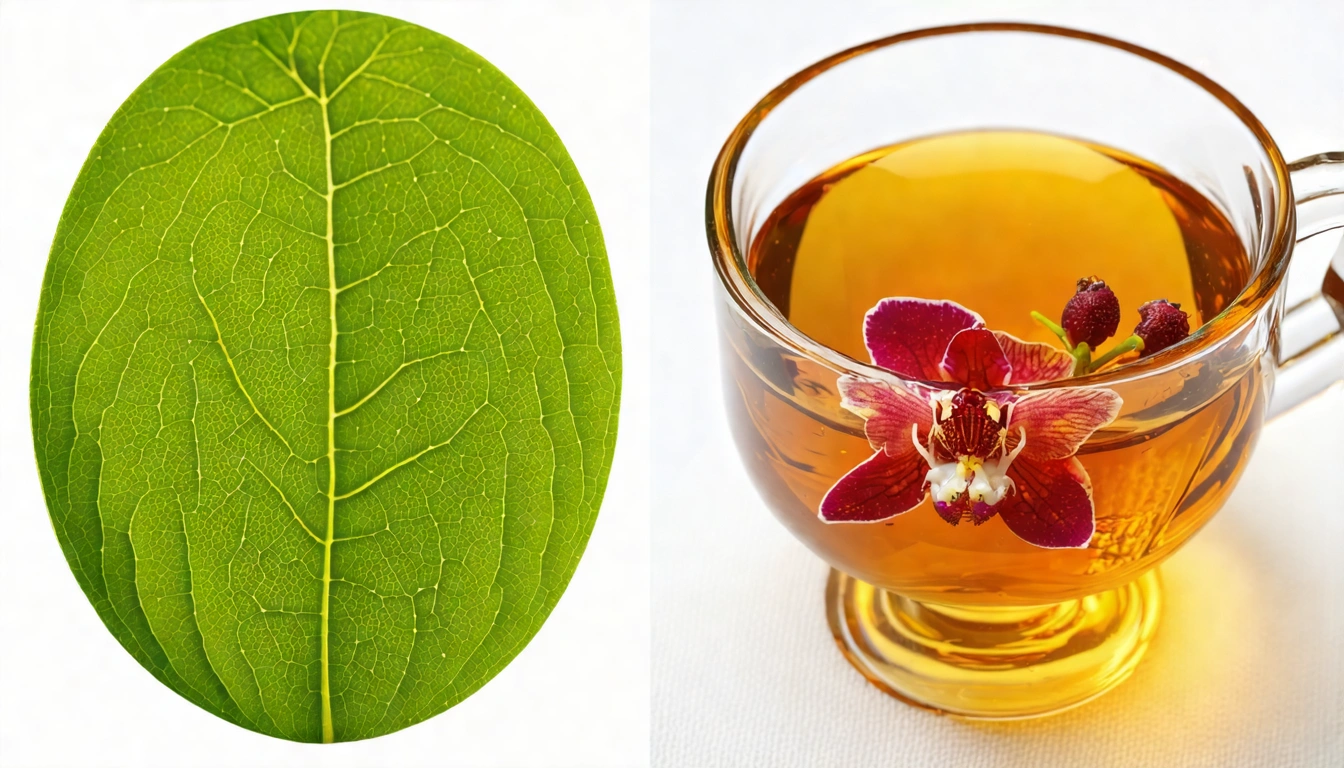
Guifei Oolong’s Origin: The Shanlinxi Tea Region
Shanlinxi: Guifei Oolong Nurtured by High Mountain Clouds
The primary production area for Guifei Oolong is the Shanlinxi tea region in Zhushan Township, Nantou County, where the high mountain environment at 1,600–1,800 meters elevation, combined with summer weather suitable for leafhopper activity (June–September), creates ideal conditions for producing Guifei Oolong.
Shanlinxi tea is already known for its “high mountain sweetness and misty character,” and the addition of insect-bite fermentation gives Shanlinxi Guifei Oolong particularly rich aromatic complexity. Nantou County, where Shanlinxi is located, is Taiwan’s largest tea-producing region, with tea plantation area accounting for 48.9% of the national total and central region annual production exceeding 10,000 metric tons — more than two-thirds of the national total.
The Yuchi Township Production Environment
Some Guifei Oolong also comes from Yuchi Township in Nantou County, where the warm climate and abundant sunshine are even more conducive to leafhopper activity, making it another important Guifei Oolong production area.
Flavor Differences from Alishan Jin Xuan
Alishan Jin Xuan has a natural cultivar-based creamy aroma — originating from the plant’s own genetic characteristics. Guifei Oolong’s lychee-honey fragrance is a defense-triggered aroma induced by external insect bites. Both are “natural aromas,” but their formation mechanisms are completely different, and their flavor profiles are distinctly different as well. Taiwan’s tea export unit price is approximately 5–6.5 times that of imported tea, precisely because specialty teas like Guifei Oolong give Taiwan tea its premium positioning in international markets.
Guifei Oolong Recommendations 2026
By Grade Level
Entry Level (NT$800–1,500/catty): Suitable for first-time Guifei Oolong buyers. Lower proportion of insect bites, but the aroma is still clearly present though lighter in profile.
Select Grade (NT$1,500–3,000/catty): Higher insect-bite proportion with richer, more concentrated lychee-honey fragrance and stricter quality control by the farmer. At ChaYanSo, when selecting in Shanlinxi, we typically use select grade as our baseline because this is the grade where the lychee-honey aroma is most consistently full-bodied. This level represents the ideal entry point for appreciating Guifei Oolong.
Premium Grade (NT$3,000+): Competition-winning teas from top farmers, with perfect insect-bite levels and the richest aromatic complexity, usually in extremely limited quantities.
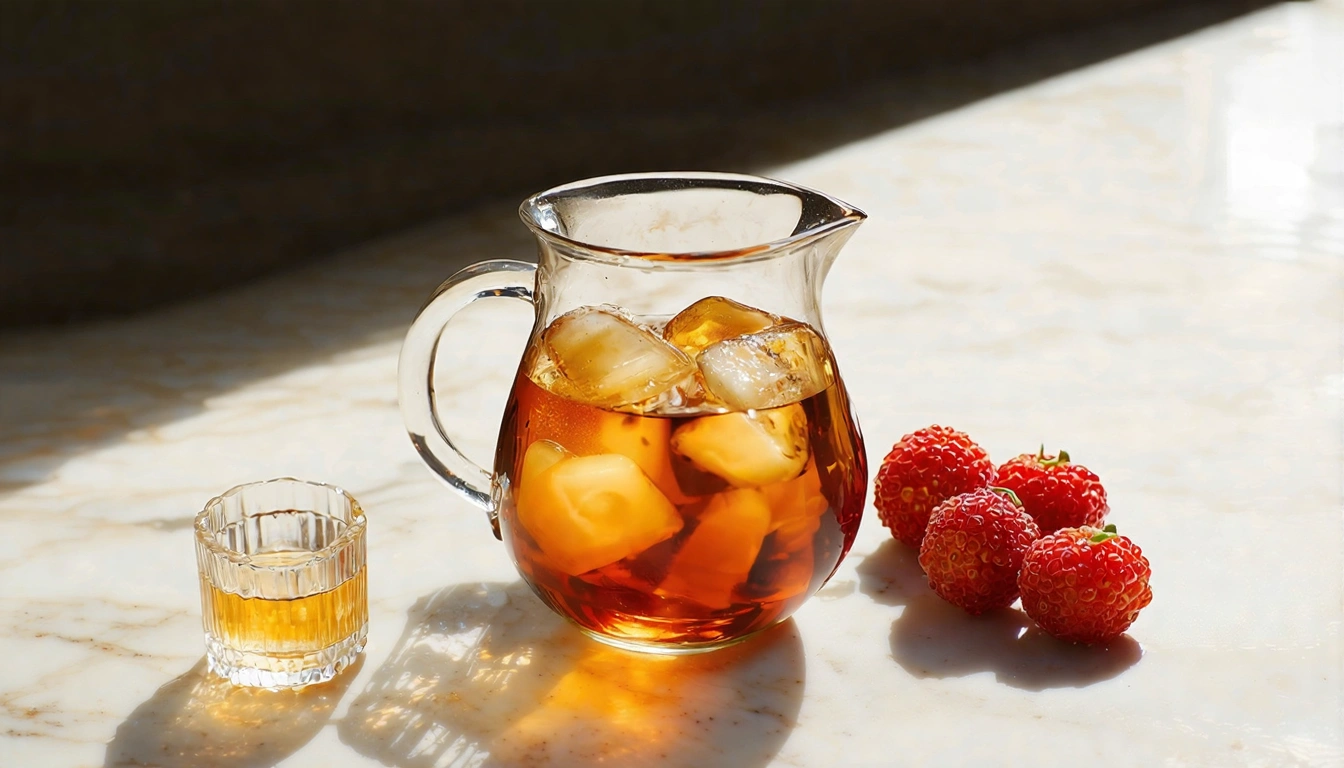
Guifei Oolong for Cold Brewing
Guifei Oolong is exceptionally well-suited for cold brewing — low-temperature extraction makes the lychee-floral-fruit fragrance more vivid while minimizing any possible bitterness. It’s an outstanding choice for summer drinking. At ChaYanSo, we release a Guifei Oolong cold brew set every summer, and customers consistently say the cold-brewed lychee sweetness is even purer than hot-brewed — it’s a hidden-gem favorite for beating office heat.
Cold brew method: 1g tea to 100ml cold water, refrigerate for 6–8 hours. The liquor turns transparent orange-gold, with an irresistibly sweet fragrance.
Frequently Asked Questions
Q: Is Guifei Oolong the same as Oriental Beauty tea?
Not exactly. Both are insect-bite fermented teas, but with three differences: different origins (Guifei is mainly from Shanlinxi/Nantou; Oriental Beauty is mainly from Hsinchu/Miaoli), different fermentation levels (Guifei 30–50%; Oriental Beauty 60–80%), and different aroma profiles (Guifei leans toward lychee-honey sweetness; Oriental Beauty leans toward honey-fruit amber sweetness). Both are worth tasting, and preference is personal.
Q: What’s the best way to brew Guifei Oolong?
Hot brew: 85–90°C water temperature, 1:50 tea-to-water ratio, first infusion 1 minute, brew gently to release fragrance — Guifei Oolong’s aroma is very sensitive, so excessive temperature or steeping time will diminish it. Quality Guifei Oolong can be steeped 4–6 times.
Cold brew: 1g tea to 100ml cold water, refrigerate 6–8 hours. The floral-fruit-honey fragrance is most pronounced with this method — we strongly recommend trying it in summer.
Q: Does Guifei Oolong have pesticide residue issues?
Authentic Guifei Oolong typically comes from organic or low-pesticide tea gardens — because pesticides would eliminate the leafhoppers, and without insect bites there’s no Guifei Oolong aroma. Choosing brands that can provide origin information and pesticide testing reports is the most reassuring way to buy Guifei Oolong.
Q: Is Guifei Oolong suitable for gifting?
Absolutely. Guifei Oolong’s lychee-honey fragrance is uniquely enchanting, it has a great story (natural insect-bite fermentation), and it’s a Taiwan-exclusive specialty tea. It’s perfect for surprising friends who aren’t familiar with Taiwan tea. A select-grade tea at NT$800–1,500/catty with beautiful packaging makes a very refined gift.
ChaYanSo’s curated Guifei Oolong lets you experience the lychee-honey fragrance of natural insect-bite fermentation — direct from origin, quality guaranteed. Browse Our Teas
Guifei Oolong Buying Tips: Understanding Insect-Bite Craftsmanship to Find Truly Great Guifei
Guifei Oolong is a masterpiece co-created by Taiwan’s nature and tea farmer artisanship — tiny insects change the destiny of a tea leaf, creating that unforgettable lychee-honey fragrance. At ChaYanSo, we once witnessed tea farmers in the Shanlinxi tea region carefully inspecting leafhopper activity at dawn to determine the optimal harvest moment. This respect for nature and commitment to quality is precisely what makes Guifei Oolong precious. This enchanting fragrance cannot be fully conveyed through words — you need to taste it for yourself.
The captivating aroma of Guifei cannot be fully conveyed through words — you need to taste it yourself. For more oolong tea knowledge, see Oolong Tea Complete Guide; to learn about Taiwan’s tea regions, see Complete Guide to Taiwan Tea Regions.
Further Reading
- Oolong Tea Complete Guide: Types, Benefits, Recommendations & Brewing Methods
- Alishan Oolong Tea Recommendations: Origin Characteristics, Pricing & Buying Guide
- Oolong vs Green Tea Complete Comparison: Benefits, Flavor, Caffeine Differences
- Oolong Tea Health Benefits: 8 Science-Backed Advantages
- Complete Guide to Taiwan Tea Regions: Origins, Flavors & Buying Guide
The enchanting aroma of Guifei awaits your personal experience — ChaYanSo’s curated Guifei Oolong lets you discover the magic of natural insect-bite fermentation. Explore ChaYanSo