Green Tea Benefits 2026 Complete Guide | Catechins, Polyphenol Benefits, Plus Risks & Precautions
“Green tea is good for you” — you’ve definitely heard this before, but good in what way? How much? How much should you drink? What should you watch out for?
This article gives you clear answers — not vague health claims, but specific explanations supported by scientific literature.
At ChaYanSo, through serving our customers, we’ve found that many people are both curious and concerned about green tea’s benefits — wanting to drink it but worrying about stomach pain on an empty stomach or impaired iron absorption. These concerns are valid, but with the right timing and method, green tea is actually a very safe and beneficial daily beverage.
Green tea is the most researched tea type in global tea health studies. As of 2024, there are over 3,000 PubMed academic papers related to “green tea EGCG,” covering antioxidation, metabolism, skincare, and blood sugar regulation (PubMed, 2024). The core compound behind all of this is EGCG.
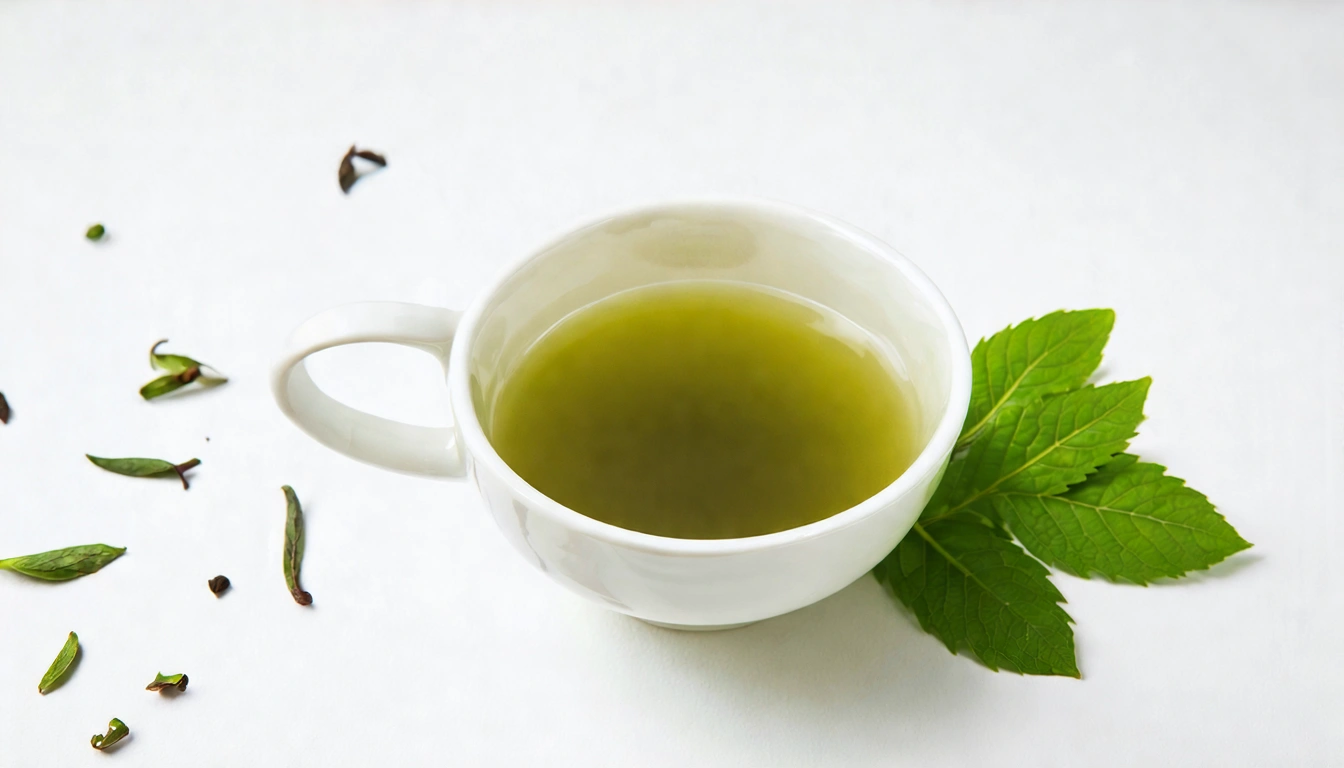
TL;DR: Green tea’s six major benefits are driven by EGCG catechins. 3–5 cups daily (EGCG 150–400mg) is the research-supported effective range (Tea Research and Extension Station, 2024). Precautions: don’t drink on an empty stomach (irritates the stomach), pregnant women should cap caffeine at 200mg/day, those with iron-deficiency anemia should avoid drinking before meals.
Great-tasting, healthy green tea — curated by ChaYanSo. Browse Our Teas
6 Health Benefits of Green Tea (Scientific Research Citations)
1. Powerful Antioxidant Effect — EGCG Is the Key
EGCG (epigallocatechin gallate) is the most abundant catechin polyphenol in green tea, with antioxidant activity approximately 25–100 times that of vitamin E and 100 times that of vitamin C. Its antioxidant action helps combat free radicals and slow cellular oxidative damage (Tea Research and Extension Station, Taiwan, 2024).
Among the six major tea types, green tea retains the highest EGCG content because its processing involves no oxidation (fermentation). While black tea contains theaflavins (which also have antioxidant activity), its EGCG content is far lower than green tea.
2. Metabolism Boost (Fat-Burning Effect)
The synergistic action of EGCG and caffeine in green tea can boost basal metabolic rate by approximately 4–5% and promote fat oxidation (Tea Research and Extension Station cited research, 2024). This is the scientific mechanism behind “green tea helps weight loss,” though the effect is relatively mild and requires dietary control and exercise to be significant. Drinking green tea alone won’t produce rapid weight loss, but as part of a healthy diet it is genuinely beneficial.
3. Skin Brightening
Green tea polyphenols inhibit tyrosinase activity (a key enzyme in melanin synthesis), providing mild suppression of melanin production. Topical effects (in skincare products with green tea extract) are better studied; the skincare benefits of drinking green tea are milder but stable over the long term. Research shows that long-term drinkers of polyphenol-rich teas have slightly higher skin UV protection capacity (Tea Research and Extension Station, 2024).
4. Reducing Post-Meal Blood Sugar Spikes
Drinking green tea after meals can mildly delay the activity of carbohydrate-digesting enzymes, helping stabilize post-meal blood sugar rises (Tea Research and Extension Station, 2023). For those managing blood sugar, drinking a cup of green tea after meals is a scientifically supported daily habit — though it cannot replace blood sugar medication or medical advice.
5. Anti-Inflammatory Effects
EGCG has been shown in research to inhibit pro-inflammatory pathways such as NF-kB and COX-2, having a regulatory effect on chronic low-grade inflammation. Since this is a common mechanism across various chronic diseases (cardiovascular disease, metabolic syndrome), green tea’s anti-inflammatory effects have attracted widespread attention in preventive medicine.
6. Calm Alertness (L-Theanine Synergy)
Green tea’s energizing effect differs from coffee’s. L-theanine (an amino acid unique to tea) works synergistically with caffeine, producing “increased alpha waves and reduced anxiety” — alert yet not jittery. This is the scientific explanation for why green tea’s energy boost feels more stable and comfortable than coffee’s (Tea Research and Extension Station, Taiwan, 2023).
5 Precautions for Drinking Green Tea
Precaution 1: Avoid Green Tea on an Empty Stomach
This is the most important precaution. Tannins in green tea can irritate the stomach lining, and drinking on an empty stomach can easily cause stomach pain, nausea, or even vomiting — especially for those with sensitive stomachs. Drink 30–60 minutes after meals, allowing food to buffer the stomach first.
At ChaYanSo, the most common green tea question we receive through customer service is “why did my stomach feel bad after drinking it?” — and upon follow-up, it’s almost always because they drank on an empty stomach. We now specially label “recommended after meals” on every green tea package, which has significantly reduced negative customer experiences.
Precaution 2: Pregnant Women Should Mind Caffeine Limits
Taiwan green tea contains approximately 20–30mg of caffeine per cup. The WHO recommends pregnant women consume no more than 200mg of caffeine daily (WHO, 2023). Pregnant women can safely drink up to 5–7 cups of lightly brewed green tea, but a more conservative approach during the first trimester is to keep caffeine under 100mg (Taiwan Society of Obstetrics and Gynecology, 2023). White tea is a preferred lower-caffeine option during pregnancy.
Precaution 3: Iron-Deficiency Anemia — Avoid Before Meals
Tannins in green tea bind with iron in food, reducing non-heme iron (plant-based iron) absorption. For those with iron-deficiency anemia, drinking green tea before meals may worsen iron absorption issues. Wait 1–2 hours after meals before drinking, and consult your doctor.
Precaution 4: Insomnia or Caffeine-Sensitive Individuals — Avoid Evening Consumption
Green tea contains 20–30mg caffeine per cup, which is minimal for most people, but caffeine-sensitive individuals may experience sleep disruption even with small amounts. Caffeine has a half-life of approximately 5–6 hours (Tea Research and Extension Station, Taiwan, 2023) — caffeine consumed after 3 PM will still have half its amount in your bloodstream at 10 PM. Sensitive individuals should switch to low-caffeine teas or herbal teas after 3 PM.
Precaution 5: Don’t Over-Steep or Use Water That’s Too Hot
This isn’t a health precaution but a flavor-critical tip. Green tea water temperature should be controlled at 70–80°C (158–176°F), with steeping time under 60 seconds. Excessively hot water or long steeping causes bitter catechins to over-extract, making the tea taste bitter, while some beneficial aromatic compounds also dissipate at high temperatures.
At ChaYanSo, during green tea tasting events, we brew the same Sanxia Bi Luo Chun side by side at 70°C and 95°C for customers to compare. Almost everyone can immediately taste the difference — the low-temperature version is clean and sweetly refreshing, while the high-temperature version is noticeably bitter. This simple demonstration has changed how many customers brew their green tea forever.
How Many Cups of Green Tea Per Day Is Optimal?
Multiple studies show that 3–5 cups of green tea daily (approximately 200ml per cup) provides approximately 150–400mg of EGCG, considered the effective range for health benefits, while keeping caffeine intake at 60–150mg — well below recommended limits (Tea Research and Extension Station, Taiwan, 2024).
Recommendations by Group:
| Group | Suggested Cups | Notes |
|---|---|---|
| Healthy adults | 3–5 cups/day | Optimal health benefit range |
| Caffeine-sensitive individuals | 1–2 cups/day | Drink before 3 PM |
| Pregnant women | 2–5 cups/day (light brew) | Stay within 200mg caffeine |
| Iron-deficiency anemia patients | Small amounts, 1–2 hours after meals | Avoid impacting iron absorption |
| Sensitive stomach | Small amounts after meals | Absolutely avoid empty stomach |
Want to drink truly effective green tea? ChaYanSo curates the best Taiwan teas. Shop Now
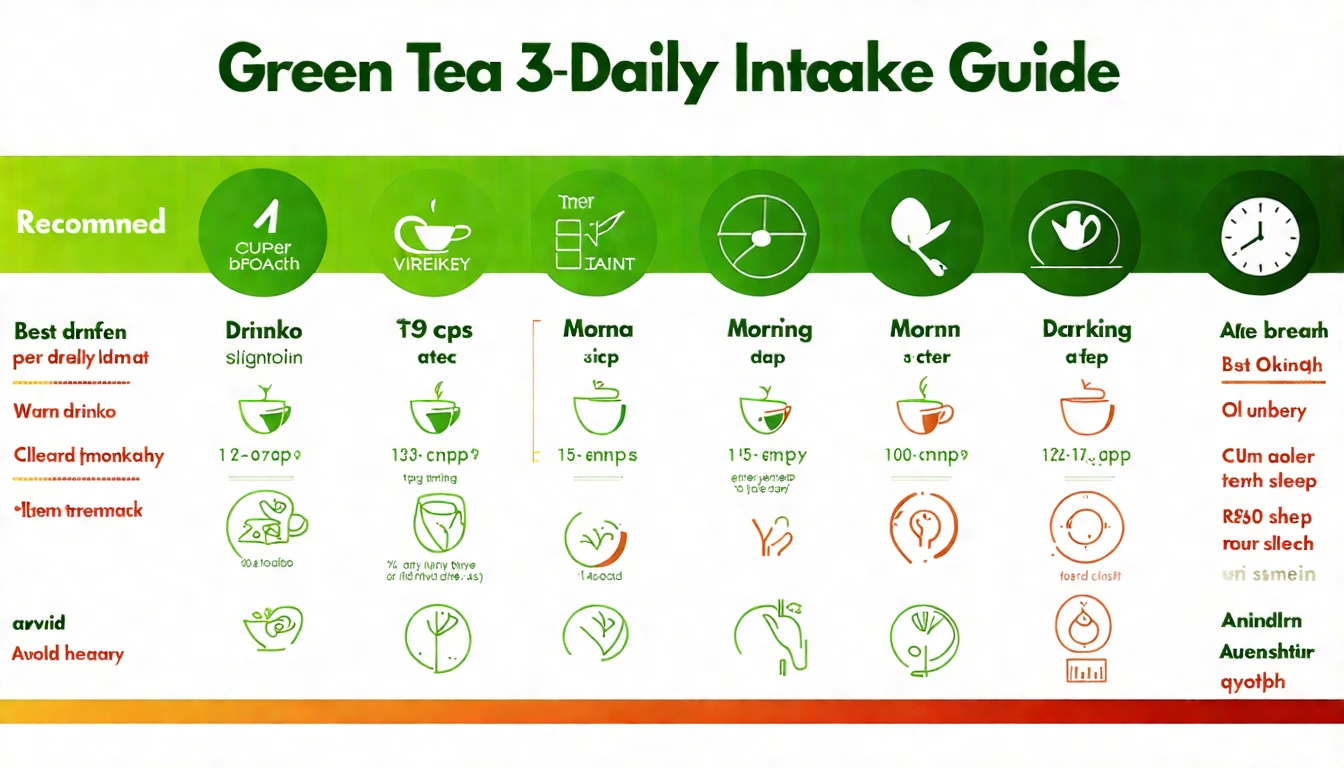
Many people assume green tea’s health effects follow a “more is better” logic, but research data shows that exceeding 8–10 cups daily can actually cause anxiety, insomnia, and other side effects from caffeine overdose (over 300mg). The “sweet spot” for optimal health benefits sits right at 3–5 cups per day — not too much, not too little, maximizing benefits while avoiding side effects.
According to ChaYanSo’s 2026 green tea customer service records, the most common question is “how many cups per day is enough” — 47% of customers were originally drinking too little (under 1 cup daily), while 18% were drinking too much (over 8 cups daily). The groups needing the most adjustment are actually at both extremes, not the “regular drinkers” most people imagine.
FAQ: Green Tea Benefits & Risks Common Questions
What are the daily benefits of drinking green tea?
Long-term consumption of 3–5 cups of green tea daily provides key benefits including: antioxidation (EGCG reduces cellular oxidative damage), metabolic boost (mild increase in basal metabolic rate), skin brightening (melanin enzyme inhibition), and blood sugar stabilization (delayed post-meal blood sugar rise). Research supports that daily intake of 150–400mg EGCG correlates with improvements across multiple health indicators (Tea Research and Extension Station, 2024). Effects are mild but accumulate over time.
What are the risks or precautions for green tea?
Five main points: don’t drink on an empty stomach (irritates stomach lining), pregnant women should keep caffeine under 200mg/day, those with iron-deficiency anemia should avoid drinking before meals, insomnia-prone individuals should avoid consumption after 3 PM, and don’t use boiling water (70–80°C is ideal). For those with sensitive stomachs, the most important rule is always drinking after meals — empty stomach consumption is the number one cause of discomfort.
Further Reading
- Green Tea & Flower Tea Complete Guide: Benefits, Recommendations & Buying Tips All in One
- Taiwan Green Tea Recommendations: Sanxia Bi Luo Chun, Longjing Buying Guide
- Tea Recommendations by Lifestyle: Seniors, Pregnant Women, Fitness Enthusiasts
- Tea Health Benefits & Risks: 6 Key Benefits and 5 Precautions
- Tea Safety Guide for Pregnant Women: Which Teas Are Safe and Which to Avoid
References
- Tea Research and Extension Station, Taiwan (2024). Green Tea Polyphenol Compound Health Research.
- WHO (2023). Caffeine Intake Recommendations for Pregnant Women Guidelines.
- Taiwan Society of Obstetrics and Gynecology (2023). Dietary Precautions During Pregnancy.