
Dayuling vs Shanlinxi 2026 | Complete Comparison of Taiwan’s Two Premier Tea Regions — Which One Is Right for You?
Among Taiwan’s high mountain tea enthusiasts, “Dayuling or Shanlinxi?” is a debate that never ends.
Both represent the pinnacle of high mountain tea, both deliver unforgettable aromas, yet their characters are entirely different. Dayuling is Taiwan’s highest-elevation tea region — its aroma is supremely delicate, its supply exceedingly rare, standing at the very top of Taiwan’s high mountain tea hierarchy. Shanlinxi, on the other hand, is famous for its cool, distinctive floral fragrance, striking the perfect balance between premium quality and accessibility.
This article offers a comprehensive head-to-head comparison — from elevation and terroir to aroma profile, mouthfeel, steeping endurance, and price — to help you find the tea that truly suits you.
According to ChaYanSo’s 2026 customer purchase data, among customers trying premium high mountain tea for the first time, roughly 55% chose Shanlinxi as their starting point (value for money), while about 40% of customers with high mountain tea experience leaned toward purchasing Dayuling.
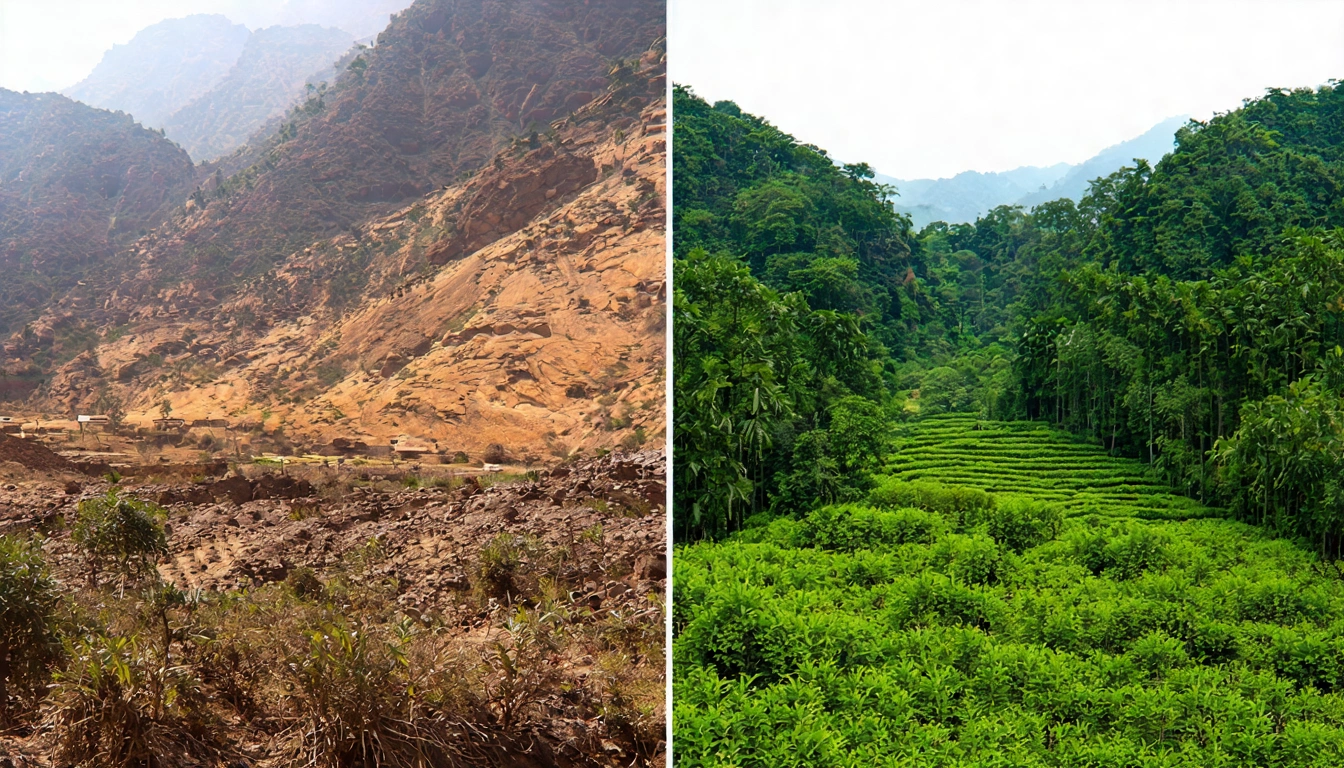
TL;DR: Dayuling (2,200–2,700m) is Taiwan’s highest tea region with the most delicate aroma and smallest annual production, priced at NT$6,000–15,000 per catty. Shanlinxi (1,400–1,800m) offers a uniquely cool floral fragrance with much better value at NT$800–4,000 per catty. Choose Dayuling if you seek the rarest of the rare; choose Shanlinxi if you love high mountain tea but need to mind your budget.
Taiwan’s finest high mountain teas, curated by ChaYanSo. Browse Our Teas
At a Glance: Core Differences Between Dayuling and Shanlinxi
| Comparison | Dayuling | Shanlinxi |
|---|---|---|
| Elevation | 2,200–2,700 meters | 1,400–1,800 meters |
| Administrative District | Heping District, Taichung City | Zhushan Township, Nantou County |
| Average Annual Temperature | 8–12°C | 12–18°C |
| Harvests Per Year | 1–2 | 2–3 |
| Annual Production | Extremely limited (scarcest) | Low to moderate |
| Aroma Profile | Crisp, delicate floral and honey notes | Cool floral fragrance, some with honey notes |
| Body | Full yet refined | Medium, soft and smooth |
| Bitterness/Astringency | Extremely low | Low |
| Steeping Endurance | Very high (10+ infusions) | High (7–10 infusions) |
| Market Price (per catty) | NT$6,000–15,000 | NT$800–4,000 |
| Value for Money | Low (high premium pricing) | High |
Dayuling Tea: Origin Characteristics and Flavor Profile
Dayuling is the “Holy Grail” of Taiwan’s tea world.
Located along the Central Cross-Island Highway (Provincial Highway 8), Dayuling sits at 2,200–2,700 meters elevation, making it the highest-altitude tea region in Taiwan with any significant cultivation (Source: Tea Research and Extension Station, MODA, 2024). Tea here grows in near-constant cloud cover, with annual average temperatures of just 8–12°C and possible snowfall in winter.
After large-scale tea garden removal in 2015, only three tea gardens remain along the Central Cross-Island Highway at markers 100K, 101K, and 103K. The highest elevation has dropped to approximately 2,400 meters, and annual production is now just one-tenth of its peak (Source: Liao Changxing Tea Industry Dayuling Survey, 2024).
Why is Dayuling tea so precious?
| Source of Rarity | Explanation |
|---|---|
| Highest elevation | 2,700m — slowest growth rate |
| Fewest harvests per year | 1–2 times/year (spring and autumn) |
| High harvesting risk | Treacherous mountain roads, unpredictable weather |
| Climate change impact | Warming makes production unstable |
| Severe counterfeiting | Authentic Dayuling tea rarely enters general retail channels |
Flavor Description of Dayuling Tea:
Those who have tasted authentic Dayuling tea often describe it as “crisp and ethereal” — like breathing in fresh mountain air at dawn. The aroma is elusive and delicate, the sip nearly free of bitterness, and the sweet aftertaste can last 10–15 minutes. This experience is almost impossible to replicate in any other tea region.
Dayuling Tea Market Issues:
This is the most important reality to understand when buying Dayuling tea — the proportion of blended and counterfeit “Dayuling tea” on the market is extremely high. Based on ChaYanSo’s market observations, tea that can be 100% confirmed as originating from Dayuling above 2,000 meters may account for no more than 30% of what is sold on the market, with the rest being blends from Lishan, Wuling, and other areas.
How to Tell the Difference:
- “Dayuling tea” priced below NT$3,000 per catty is almost certainly not authentic
- Ask the seller for proof of origin or tea farmer contact information
- Choose reputable brands rather than anonymous sellers on e-commerce platforms
At ChaYanSo, we are exceptionally cautious when sourcing Dayuling tea — every batch requires the tea farmer to provide clear information about the garden’s location and elevation, which we verify in person at the origin. Precisely because we understand the severity of counterfeiting in the Dayuling market, we would rather stock less but ensure authenticity, rather than sacrifice origin integrity for sales volume.
Taiwan’s tea plantation area covers approximately 12,000 hectares with an annual production of about 14,000 metric tons. Dayuling’s share of national production is minuscule (less than 0.1%), yet it commands the highest prices of any tea category (Source: MODA Agricultural Statistics Annual Report, 2024).
Shanlinxi Tea: Origin Characteristics and Distinctive Aroma
Shanlinxi is the most important high mountain tea region in Nantou County, renowned for its cool, distinctive floral fragrance.
The Shanlinxi tea region is located in Zhushan Township, Nantou County, at 1,400–1,800 meters elevation. The Zhushan valley terrain brings abundant moisture, with average annual temperatures of 12–18°C and approximately 150 foggy days per year (Source: Tea Research and Extension Station, MODA, Nantou Tea Region Survey, 2024).
Shanlinxi’s Special Aroma:
The Shanlinxi tea region is surrounded by extensive natural bamboo and cedar forests. This environment allows the tea leaves to grow in fresh forest air, creating a distinctive cooling sensation that sets it apart from other tea regions. Some tea drinkers describe Shanlinxi tea as having a “bamboo fragrance” or “forest breath” — not from directly absorbing bamboo compounds, but rather from the combined effect of the environment.
Guifei Oolong: Shanlinxi’s Exclusive Treasure
The Shanlinxi tea region, at approximately 1,800 meters elevation, is renowned for its unique environment surrounded by cedar forests. Tea trees grow among cold-climate conifers, absorbing the forest essence of the land, creating cedar-like aromatic notes distinct from any other tea region (Source: Shanlinxi Tea Industry Survey, 2024).
Taiwan’s tea export unit price is approximately 6.5 times that of imported tea, with high mountain tea being the main driver of high export values. Shanlinxi tea offers high mountain quality at reasonable prices, making it one of Taiwan’s best-value high mountain tea origins (Source: MODA Trade Statistics, 2024).
Guifei Oolong is one of Shanlinxi’s most distinctive teas — Shanlinxi’s version of “insect-bitten tea”:
- Leafhopper bites trigger the honey-fragrance mechanism (similar to Honey Black Tea and Oriental Beauty)
- Light fermentation (30–40%), between oolong and black tea
- Flavor: lychee-honey fragrance, light fruity notes, sweet with low astringency
- Appearance: leaves show reddish-brown spots (insect bite marks)
Guifei Oolong is Shanlinxi’s signature “differentiated product” — you rarely see this tea in Dayuling or Lishan.
Which One Is Right for You? Scenario-Based Buying Guide
Choose Dayuling if you are:
- A dedicated high mountain tea enthusiast seeking the ultimate experience
- Sending a gift to a VIP client or important person who truly understands tea
- Willing to pay a significant premium for “Taiwan’s highest tea region” and its story
- Not concerned about value for money — purely chasing an experience
Choose Shanlinxi if you are:
- A fan of floral high mountain teas with a limited budget (NT$1,000–2,000/catty)
- Trying premium high mountain tea for the first time and want to experience high mountain character at a reasonable price
- Drawn to the honey-fragrance style of Guifei Oolong, which no other tea region can replicate
- A Nantou tea lover wanting to explore the region’s high mountain offerings in depth
Both are worth buying if you:
As a tea enthusiast, we recommend experiencing both. Dayuling and Shanlinxi each have irreplaceable aromatic personalities, and tasting them side by side lets you truly appreciate the terroir differences across Taiwan’s various elevation zones.
At ChaYanSo, we once organized a “High Mountain Tea Tasting” for a corporate client, brewing Dayuling and Shanlinxi side by side for comparison. The results were fascinating: most first-time tasters preferred Shanlinxi (its floral notes are immediate and obvious), while experienced tea drinkers appreciated Dayuling’s quality — the kind of “subtle elegance you need to quiet your mind to perceive.”
Detailed Tasting Comparison
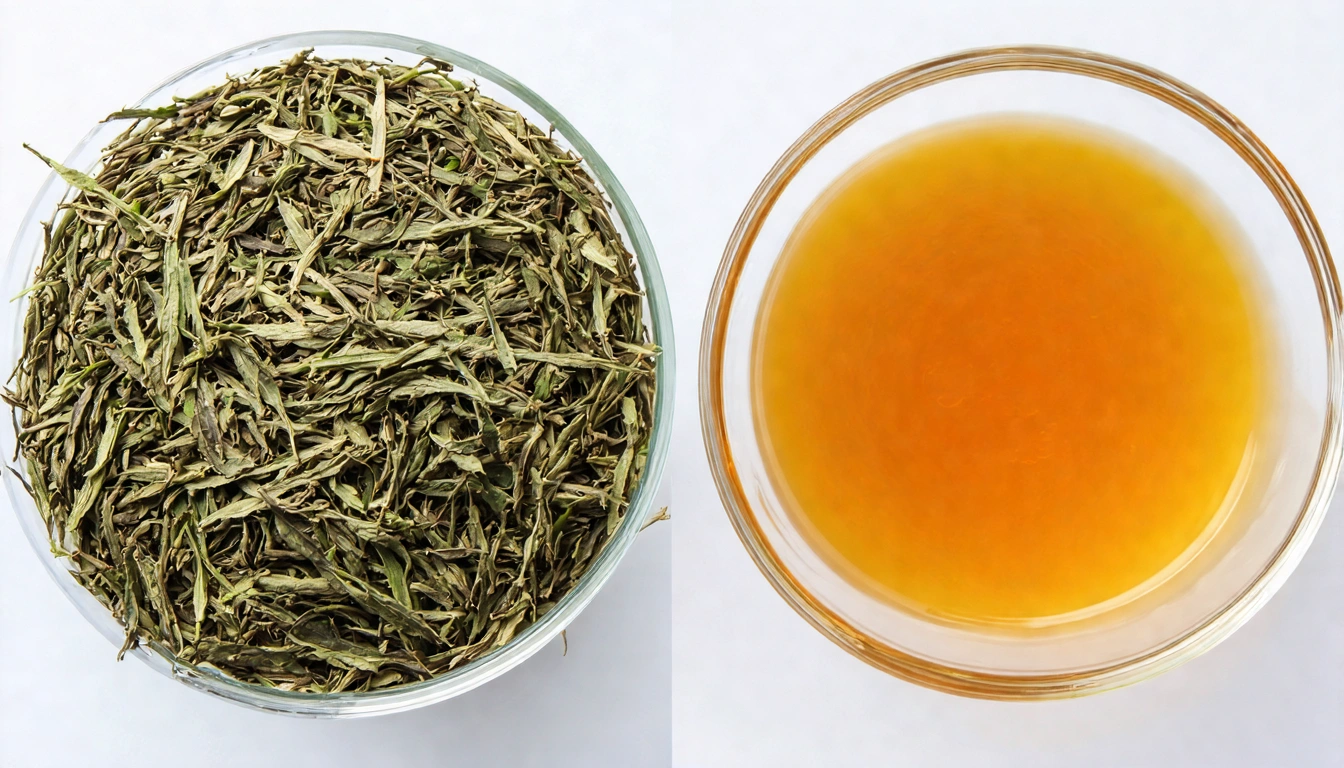
| Tasting Aspect | Dayuling | Shanlinxi |
|---|---|---|
| Lid Aroma | Subtle, crisp fragrance | Noticeably cool floral fragrance |
| First Sip | Almost no astringency, immediately sweet | Sweet with a light cooling sensation |
| Mid-Palate | Delicate floral notes unfold | Clear floral notes with good complexity |
| Finish | Lingering sweet aftertaste (10–15 minutes) | Good sweet aftertaste (5–10 minutes) |
| Liquor Color | Very pale gold, crystal clear | Pale gold, crystal clear |
| Steeping Endurance | 10+ infusions | 7–10 infusions |
Have you decided on your high mountain tea? ChaYanSo delivers straight to your door. Whether Dayuling or Shanlinxi, ChaYanSo has you covered. Explore Premium High Mountain Teas
FAQ: Dayuling vs Shanlinxi Common Questions
Is Dayuling tea really better than other teas?
By objective flavor metrics — aroma complexity, aftertaste duration, steeping endurance — Dayuling does rank among the very best of Taiwan’s teas. However, “better” ultimately comes down to personal taste. Some seasoned tea drinkers actually prefer Shanlinxi’s cool floral fragrance, finding Dayuling “too subtle to be characterful.”
Who is Shanlinxi tea recommended for?
Shanlinxi is ideal for those who love a fresh, floral high mountain tea. It is also perfect for first-time premium high mountain tea buyers with a budget of NT$1,000–2,000 per catty, and for those who particularly enjoy the honey-fragrance style of Guifei Oolong.
What is a reasonable price for Dayuling tea per catty?
According to ChaYanSo’s 2026 market survey, authentic Dayuling high mountain tea (above 2,000 meters elevation) starts at a minimum of NT$6,000 per catty, with top selections ranging from NT$10,000–20,000. For “Dayuling tea” priced below this range, we recommend asking for specific origin details before purchasing.
Further Reading
- Complete Guide to Taiwan High Mountain Tea: Lishan, Alishan, Shanlinxi, Dayuling Comparison
- Lishan Tea Complete Guide: Taiwan’s Premier High Mountain Tea Origin, Pricing & Buying Tips
- Nantou Tea Complete Guide: Songboling, Zhushan, Shanlinxi Regional Specialties
- Alishan Tea Complete Guide: Taiwan’s Most Accessible Premium High Mountain Tea
- Taiwan Tea Gift Box Complete Guide: The Ultimate Guide to Choosing Premium High Mountain Tea Gifts
References
- Tea Research and Extension Station, MODA (2024). Dayuling Tea Region and Nantou Tea Region Survey Report.