Cold Brew Tea Bag Guide 2026 | 6 Best Cold Brew Tea Bags + Complete Step-by-Step Instructions
Summer is coming, and every bottled cold brew tea at the convenience store starts at 40 NTD. The global cold brew tea market reached $10.1 billion in 2023 and is projected to grow to $15.1 billion by 2031, at a CAGR of 4.1% (Verified Market Research, 2024). Making your own cold brew with quality Taiwan tea bags costs under 10 NTD per 500ml pitcher, yet delivers authentic whole-leaf Taiwan tea flavor — the math is a no-brainer.
But here’s the catch: not every tea bag is suited for cold brewing. Use the wrong variety, wait 8 hours in the fridge, and you might pour out a bitter, astringent mess. Choosing the right tea bag and knowing the proper ratios and timing is what makes cold brew tea truly sweet and smooth.
TL;DR
Cold brew works best with low-astringency tea varieties — Jin Xuan, Si Ji Chun, and Bai Hao oolong deliver the best results. Standard ratio: 1 bag per 500ml, refrigerate 6–8 hours. According to a 2025 ScienceDirect study, low-temperature slow extraction (8°C / 12 hours) enhances catechin and vitamin C extraction while reducing bitter tannin release.
Which Tea Bags Work for Cold Brew? The Science of Low-Temperature Extraction
The short answer: light-aroma, low-roast, high-amino-acid tea varieties are best for cold brew.
According to a 2025 ScienceDirect study on “Low-Temperature Green Tea Infusion Optimization,” under low-temperature extraction conditions (8–20°C), L-theanine (the amino acid responsible for sweet, umami flavors) is preferentially released, while catechins and tannins (the polyphenols causing bitterness) are released in significantly lower quantities than hot water brewing — this is the chemical reason why cold brew tea is typically sweeter and less bitter than hot brew.
Notably, cold brew tea’s caffeine content is approximately 40–70% of hot brew, with each 240ml containing about 25–40mg caffeine compared to 60–120mg for hot brew (Teasenz). For those sensitive to caffeine, cold brew is a gentler option.
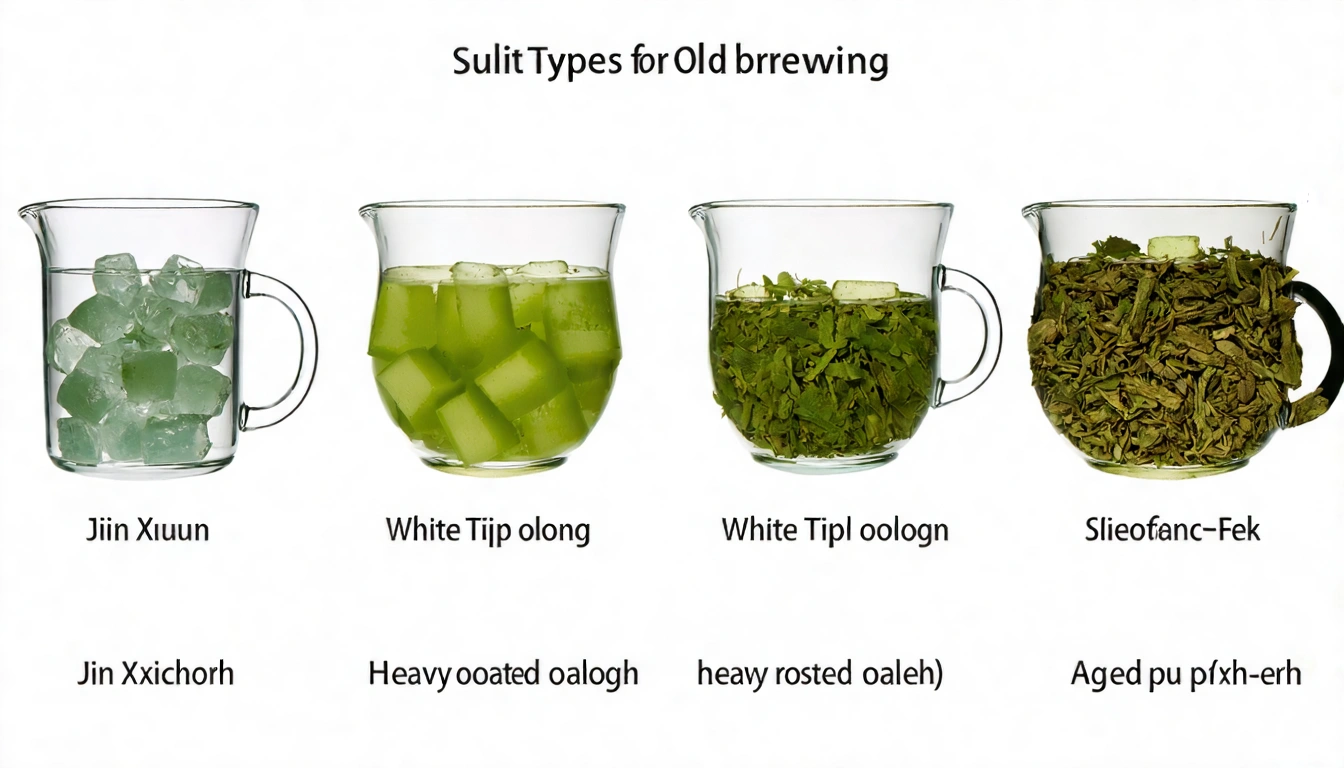
Conversely, heavily roasted or post-fermented teas (such as aged pu-erh or heavy charcoal-roasted oolong) need high temperatures to fully release their flavor compounds. Cold-brewed, they taste thin and may even develop an odd fermented sourness.
Quick Reference: Cold Brew Suitability Chart
| Tea Type | Cold Brew Suitable | Recommended Time | Cold Brew Character |
|---|---|---|---|
| Jin Xuan Oolong | Best suited | 6–8 hours | Milky sweetness stands out |
| Si Ji Chun | Excellent | 5–7 hours | Refreshing floral, strong cooling effect |
| Honey-Scented Black Tea | Excellent | 6–8 hours | Rich honey-sweet layers |
| Light Oolong | Good | 6–8 hours | Clean, no astringency, durable |
| Bai Hao Oolong | Good | 8–10 hours | Elegant honey aroma, for savoring |
| Jasmine Green Tea | Good | 4–6 hours | Cool floral, best for beating heat |
| Sun Moon Lake Black Tea | Fair | 8 hours | Slightly thin cold-brewed; hot brew preferred |
| Heavy Roast Oolong | Not recommended | — | Needs high heat for charcoal aroma |
| Ripe Pu-erh | Not recommended | — | Produces sour fermented taste at low temp |
6 Recommended Cold Brew Taiwan Tea Bags: ChaYanSo’s Curated List
Our ChaYanSo team has personally tested over a dozen Taiwan tea bags for cold brewing. These 6 are the ones that genuinely impressed us — not compiled from research, but one bag at a time, placed in glass pitchers and tested firsthand.
Jin Xuan Tea Bag — The Cold Brew Milky Aroma Champion
Jin Xuan’s signature is its natural milky aroma, which actually comes through even more clearly in cold brew than hot brew, no longer masked by bitterness. The first sip delivers milky sweetness and floral aroma simultaneously — many people’s gateway to cold brew tea.
Recommended ratio: 1 bag per 500ml, refrigerate 6–8 hours. No need for 12 hours — over-steeping actually causes the aroma to dissipate.
Si Ji Chun Tea Bag — Refreshing Floral for Beating the Heat
Si Ji Chun is known for its rich floral aroma, which remains intact in cold brew while refreshment is dramatically enhanced. Pulling it straight from the fridge on a summer morning — that cooling sensation is truly satisfying.
Even better paired with meals, since cold brew Si Ji Chun has zero astringency and won’t compete with food flavors.
Honey-Scented Black Tea Bag — Sweet Layered Complexity
Honey-scented black tea is a specialty of eastern Taiwan, with natural honey-sweet aroma from leafhopper bites. Cold-brewed, the aroma layers actually become richer. Perfect for those who enjoy sweeter tea drinks, and a gentle entry point for beginners.
Cold brew recommendation: 6–8 hours. Black tea is more durable than green tea, so timing can be adjusted flexibly.
At ChaYanSo, our office fridge always has a pitcher of cold brew Jin Xuan and honey-scented black tea in rotation during summer. Our team’s real-world testing shows Jin Xuan peaks at 7 hours cold brew, while honey-scented black tea has the fullest sweetness at 6 hours — beyond 10 hours, a slight astringency begins to appear.
Light Oolong Tea Bag — The Versatile All-Rounder
Light oolong is the safest cold brew choice: virtually zero bitterness, clean floral aroma, durable without going off. Not sure what to pick? Start with light oolong.
Try the 2 bags per 1,000ml ratio — the resulting concentration is similar to bubble tea shops, perfect for drinking straight over ice as a refreshing beverage.
Jasmine Green Tea Bag — The Refreshment Champion
Jasmine green tea cold-brewed produces an especially light jasmine fragrance, with less of the smoky quality than hot brew and the strongest cooling effect of all six picks.
Recommended shorter steeping time (4–6 hours) — green tea has higher tannin content, and even at low temperatures, over-steeping can introduce slight bitterness.
Bai Hao Oolong Tea Bag — Elegant Honey Aroma for the Connoisseur
Bai Hao oolong (also known as Oriental Beauty tea) is one of Taiwan’s most unique teas, with natural fruit-honey aroma. Cold-brewed, the aroma is elegant, the sweetness distinct — meant for slow sipping rather than gulping.
This one is more suited to tea enthusiasts. Recommend 8–10 hours for slow extraction to allow the complex aromas to fully develop.
6 Cold Brew Tea Bag Comparison Summary
| Tea Bag | Flavor Profile | Recommended Time | Suggested Volume | Best For |
|---|---|---|---|---|
| Jin Xuan Oolong | Milky sweet, floral-fruity | 6–8 hours | 500ml / 1 bag | First-timer’s top pick |
| Si Ji Chun | Refreshing floral, cooling | 5–7 hours | 500ml / 1 bag | Summer essential |
| Honey-Scented Black Tea | Sweet honey, layered | 6–8 hours | 500ml / 1 bag | Sweet-tooth lovers |
| Light Oolong | Clean, no bitterness, versatile | 6–8 hours | 1000ml / 2 bags | Daily hydration |
| Jasmine Green Tea | Cool floral, strong refreshment | 4–6 hours | 500ml / 1 bag | Best heat-buster |
| Bai Hao Oolong | Elegant honey, refined | 8–10 hours | 500ml / 1 bag | Tea connoisseurs |
Curated cold brew tea bags, shipped from Taiwan by ChaYanSo. Shop Now
Cold Brew Tea Bag Step-by-Step Complete Guide
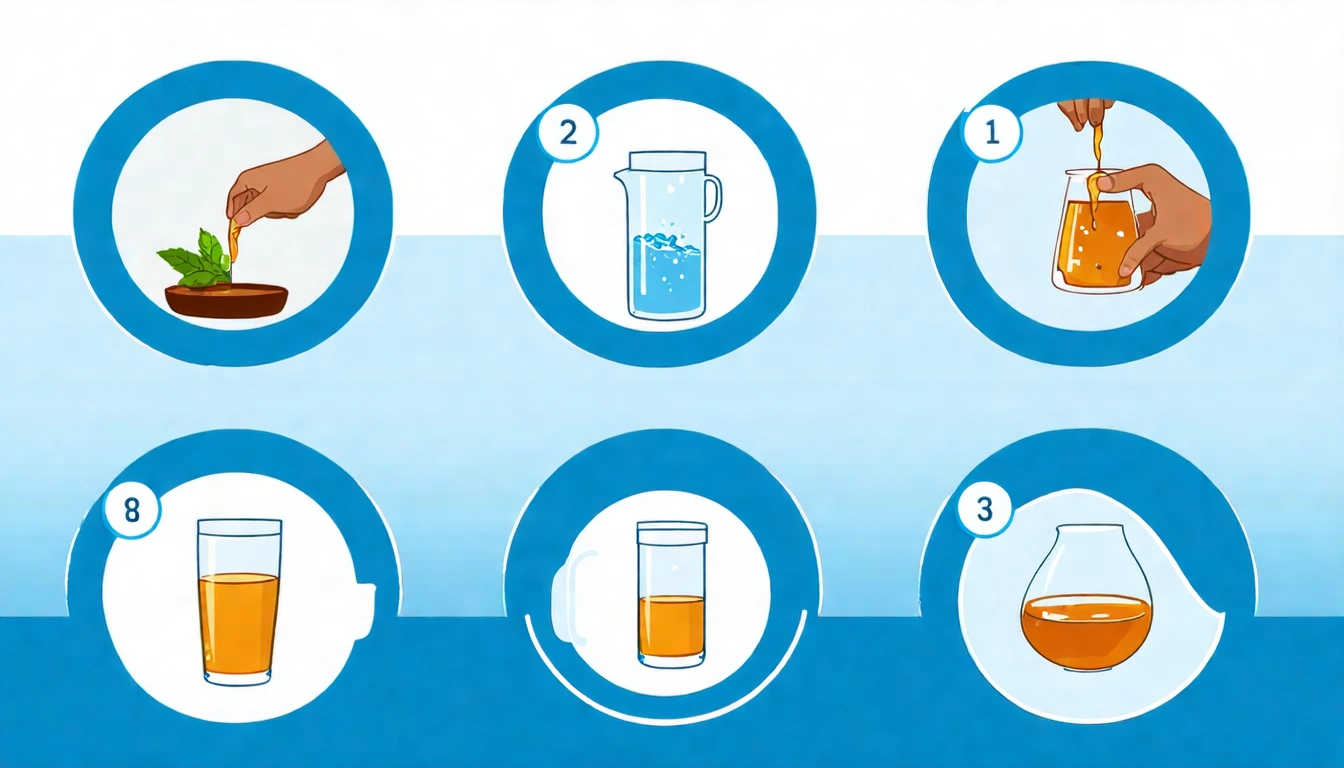
Step 1: Choose a Suitable Container
Glass pitchers or clear cold water bottles are preferred, in 500ml to 1L capacity. Glass won’t absorb tea aromas and lets you monitor the liquor color; metal containers are not recommended as they can affect taste.
Step 2: Water Quality
Filtered or mineral water is best. According to ScienceDirect research, minerals in tap water reduce catechin and amino acid extraction rates — in plain terms: filtered water produces a sweeter, more aromatic brew, while tap water yields a slightly thinner tea flavor.
No need to buy special mineral water; water from a home filter pitcher works perfectly.
Step 3: Tea Bag Ratio
Standard ratio: 1 bag per 500ml. For a stronger brew, use 2 bags; for a lighter taste, stick with 1 bag and shorten steeping time.
Don’t exceed 2 bags per 500ml — even at low temperatures, excess tannins will cause bitterness.
Step 4: Seal and Refrigerate
Seal the pitcher lid tightly or cover with plastic wrap to prevent fridge odors from seeping in. Place on the lower shelf (approximately 5–7°C).
Step 5: Steeping Time
Most tea varieties: 6–8 hours. Overnight (approximately 8 hours) is the most convenient — brew in the evening, and it’s ready when you wake up.
Green tea types (jasmine green tea): shorten to 4–6 hours. Complex varieties like Bai Hao oolong can extend to 8–10 hours.
Step 6: Remove Tea Bag & Enjoy
Remove the tea bag immediately when time is up! Even at refrigerator temperatures, tea bags left in the pitcher continue to extract, eventually making the brew more astringent. Pour into a cup with ice, or enjoy straight from the pitcher.
Water Ratios & Storage Tips
Optimal Water Ratio Reference
| Number of Bags | Suggested Water | Tea Strength | Best For |
|---|---|---|---|
| 1 bag | 400–500ml | Standard | Daily hydration |
| 2 bags | 500–600ml | Rich | With meals, over ice |
| 1 bag | 300ml | Concentrated | Add milk for milk tea |
Shortcut Tips for Less Steeping Time
Don’t have 6–8 hours? Two options:
- Increase tea bag count: 2 bags per 500ml achieves the same concentration in just 3–4 hours
- Quick hot flash then dilute (30–60 seconds of hot water), then add cold water and ice — technically not a pure cold brew, but the result is close and perfect when you’re in a hurry
Shelf Life & Notes
- After removing tea bags, cold brew tea stores in the refrigerator for up to 48 hours
- Best consumed within 24 hours when aroma is fullest
- After 48 hours, the tea begins to oxidize — color darkens, aroma fades
- Don’t add water to “re-brew” used bags — the second extraction will be thin and raises hygiene concerns
For tea bag material safety, cold brewing especially calls for PLA corn starch or cotton paper materials. Avoid low-quality nylon tea bags. For details, see the Tea Bag Material Safety Guide: How to Identify Harmful Plastics
Office hydration fans can also bring tea bags to work and cold brew in the office fridge, saving the cost of buying drinks. Further reading: Office Tea Bag Recommendations: Top 5 Taiwan Teas for the Workplace
FAQ
Q: How long does cold brew tea last?
After removing the tea bag, cold brew tea keeps in the refrigerator for up to 48 hours. We recommend finishing it within 24 hours for the best aroma. After 48 hours, the tea noticeably oxidizes — color deepens, aroma fades. If you notice cloudiness or off-odors, discard immediately.
Q: What’s the difference between cold brew and hot brew?
Cold brew tea extracts less tannin and caffeine due to low temperatures, resulting in sweeter taste and noticeably less bitterness. Hot brew produces more intense aroma with higher extraction efficiency and fuller overall flavor. According to ScienceDirect research, cold brew (8°C) particularly preserves L-theanine and other sweet amino acids, making it ideal for those who prefer clean sweet flavors. Additionally, Italian researchers found that hot water breaks down some catechins’ antioxidant structures, while cold water extraction preserves these beneficial compounds more completely; cold brew for 12+ hours can achieve approximately 90% of hot brew’s total polyphenol extraction (Legend of Tea).
Q: How many tea bags do I need for cold brew?
For 500ml, we recommend 1–2 bags. 1 bag yields a light daily drinking strength, 2 bags delivers a richer tea experience ideal for drinking over ice. Don’t exceed 2 bags — even with low-temperature extraction, excess tannins will cause bitterness.
Q: Can I hot-brew a tea bag after cold brewing it?
You can, but the bag has already released most of its essence, so the hot brew will be noticeably lighter. Consider it “light tea” and shorten hot brew time to 1–2 minutes instead of the full 3 minutes. If you value flavor and quality, we recommend using each tea bag for either cold brew or hot brew — don’t mix methods.
Q: Can I cold brew tea bags at room temperature in summer?
Not recommended. At room temperature (above 25°C), tea bags steeped beyond 2 hours risk bacterial growth, and extraction speed is uneven, making concentration difficult to control. Always cold brew in the refrigerator (5–7°C) for safety and more stable aroma.
Three Principles of Cold Brew Tea: Choose the Right Tea, Remember the Ratio, Build the Habit
The beauty of cold brew tea is its extremely low barrier — all you need is a container, a good tea bag, and an overnight wait. In the morning, when you pull last night’s Jin Xuan cold brew from the fridge and pour it into a glass, that milky-floral aroma rising up is more real and more satisfying than any bottled tea from a convenience store.
Choose the right tea (light oolong, Jin Xuan, Si Ji Chun as top picks), remember the ratio (1 bag per 500ml), and don’t exceed 8 hours — these are the three most important cold brew principles. The cold brew tea market’s explosive growth is also reflected in industry investment — in July 2024, PepsiCo announced a $150 million investment in cold brew tea processing facilities across three continents (Verified Market Research, 2024). Cold brew tea’s move from niche to mainstream is an irreversible trend.
For more complete Taiwan tea bag recommendations, see the Taiwan Tea Bag Complete Guide: The 5 Best Categories of Taiwan Whole-Leaf Tea Bags in 2026.
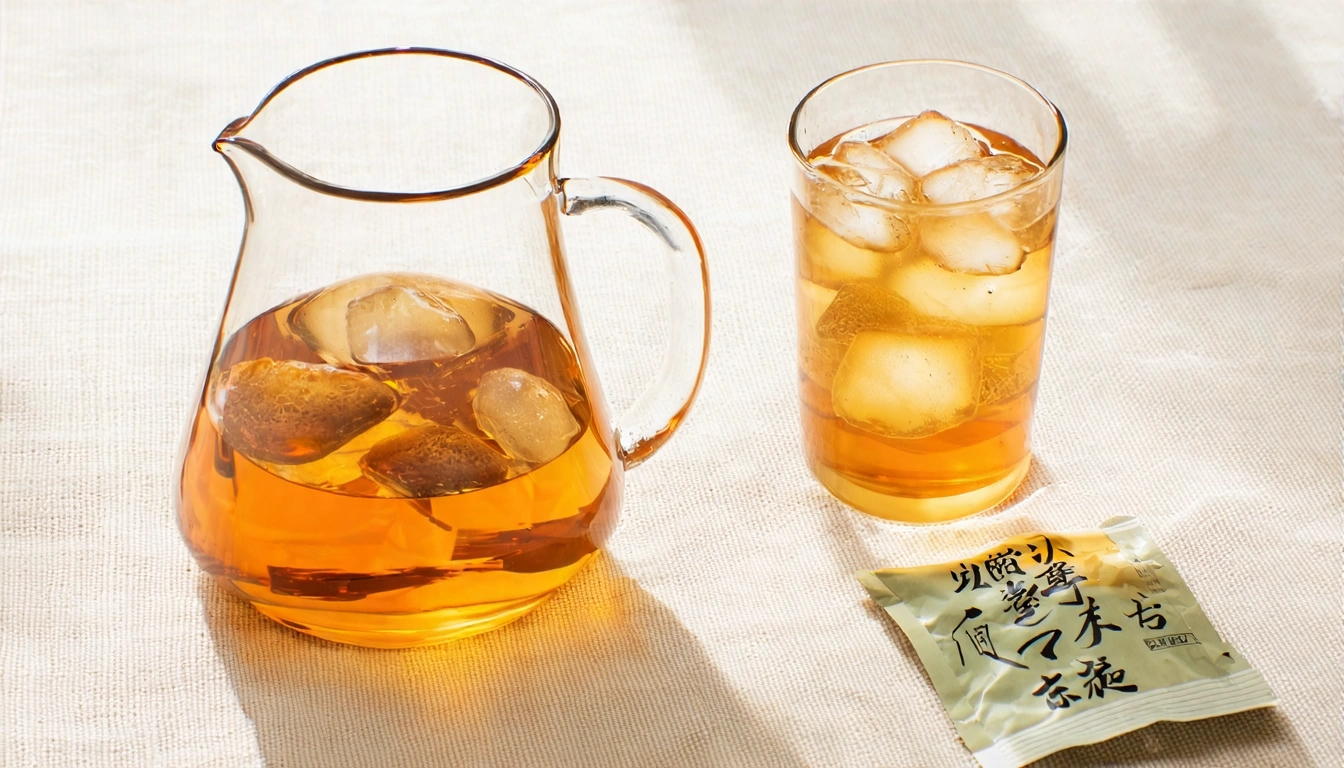
Start your refreshing summer with a pitcher of Taiwan cold brew tea. ChaYanSo’s curated whole-leaf tea bags perfect for cold brewing — try them now.
Further Reading
- Taiwan Tea Bag Complete Guide: 10 Popular Whole-Leaf Tea Bags Compared
- Tea Bag Material Safety Guide: How to Identify Harmful Plastics
- Travel Tea Bag Recommendations: Lightweight, Sealed, Taiwan Flavor Wherever You Go
- Office Tea Bag Picks: 8 Easy-Brew Taiwan Whole-Leaf Tea Bags for the Workplace
- Gift Tea Bag Box Recommendations: Taiwan Tea Gifts That Show You Care
References
- Optimizing brewing conditions for low-temperature green tea infusions - ScienceDirect, 2025
- The Science of Cold Brew Extraction: Variables and Chemistry - Tea & Coffee Trade Journal, 2025
- Effects of alternative steeping methods on green, black and oolong tea - PMC, 2015
- Iced Tea Market Size, Share & Forecast to 2036 - Future Market Insights, 2025
- Cold Brew Tea Market Size, Share, Growth, Trends And Forecast - Verified Market Research, 2024
- Cold Brew vs Hot Brew Tea - Teasenz, 2024
- Cold Brew Tea vs Hot Tea: A Complete Guide - Legend of Tea, 2025