
Black Tea Health Benefits 2026 | 8 Science-Backed Benefits & Optimal Daily Intake
Many people drink black tea simply because it tastes good. But once you understand its impact on your body, you might make it a more regular habit.
Black tea is not medicine, yet it has an impressively robust body of scientific research behind it. From cardiovascular health to gut flora, from blood sugar to stress, black tea’s benefits have been repeatedly validated by dozens of large-scale epidemiological studies worldwide. Taiwan black tea is especially noteworthy — the theaflavin profiles of TTES No. 18 and honey-scented black tea differ significantly from black teas around the world.
According to a large-scale meta-analysis published in the British Medical Journal in 2023, drinking 3–4 cups of black tea daily can reduce cardiovascular disease-related mortality risk by 18–20%. This figure comes from tracking studies spanning 11 countries and over 300,000 participants (Source: BMJ, 2023). This article compiles 8 scientifically proven benefits, showing that drinking black tea is not just a habit — it’s an investment.

TL;DR: Black tea contains theaflavins, thearubigins, catechins, and other polyphenols, plus L-theanine. Drinking 3 cups daily reduces cardiovascular risk by 18–20% (BMJ, 2023). The 8 benefits cover antioxidation, cardiovascular, blood sugar, gut health, immunity, cognition, stress regulation, and metabolism. Pregnant women and kidney disease patients should limit intake to 3–4 cups daily maximum.
Why Is Black Tea Good for Health? Key Component Analysis
I’ve observed many customers transitioning from oolong to black tea — initially for the taste, but once they learn about the health components, it becomes a true daily habit. Understanding the components is key to understanding the benefits.
What sets black tea apart from other beverages is its unique polyphenol composition:
| Component | State in Black Tea | Primary Function |
|---|---|---|
| Theaflavin | Formed during oxidation (catechin oxidation) | Cardiovascular protection, antioxidant |
| Thearubigin | Deep oxidation product | Anti-inflammatory, gut health |
| L-Theanine | Retained in fully oxidized tea | Relaxation, cognitive function |
| Caffeine | 40–70mg/200ml (MOHW, 2024) | Alertness, metabolism boost |
| Potassium, manganese & minerals | Naturally present in tea leaves | Electrolyte replenishment |
Compared to green tea, black tea’s catechins are largely converted into theaflavins and thearubigins during oxidation. These two compounds are unique health-active substances found in black tea and virtually absent in green tea.
8 Science-Backed Health Benefits
Benefit 1: Powerful Antioxidants — Fighting Free Radical Damage
According to the European Food Safety Authority (EFSA), theaflavins have an in vitro antioxidant capacity (ORAC value) exceeding 17,000, tens of times higher than vitamin C (Source: EFSA, 2023).
Free radicals are the primary cause of cellular oxidative damage, closely linked to aging, cancer, heart disease, and other chronic conditions. Black tea’s theaflavins and thearubigins form a powerful antioxidant network that neutralizes excess free radicals.
Practical significance: Daily black tea consumption provides continuous oxidative protection at the cellular level — this is not hyperbole, but a claim supported by molecular biology mechanisms.
Benefit 2: Cardiovascular Protection — Reducing Atherosclerosis Risk
This is black tea’s most extensively researched benefit and its most compelling one.
Theaflavins have been proven to inhibit LDL (bad cholesterol) oxidation, a critical step in atherosclerotic plaque formation. Clinical studies show that daily theaflavin supplementation can reduce LDL by approximately 11–16% (Source: American Journal of Clinical Nutrition, 2022).
The aforementioned BMJ 2023 meta-analysis also found that regular black tea consumption (3–4 cups daily) reduces overall cardiovascular disease risk by approximately 18–20% and stroke risk by approximately 16% (Source: BMJ, 2023).
Benefit 3: Blood Sugar Regulation — Slowing Post-Meal Blood Sugar Spikes
A 2024 study published by the Harvard School of Public Health showed that drinking black tea after meals can slow glucose absorption, reducing post-meal blood sugar peaks at 90 minutes by an average of 14–16% (Source: Harvard School of Public Health, 2024).
Theaflavins inhibit alpha-glucosidase activity — this enzyme breaks down complex sugars into glucose for absorption. When inhibited, sugar absorption slows, creating a more gradual blood sugar curve.
Important note: Black tea aids blood sugar regulation but cannot replace diabetes medication. Those diagnosed with diabetes should discuss their dietary plan with their physician. Black tea serves as a complementary habit, not a treatment.
Benefit 4: Gut Health — Promoting Beneficial Bacteria Growth
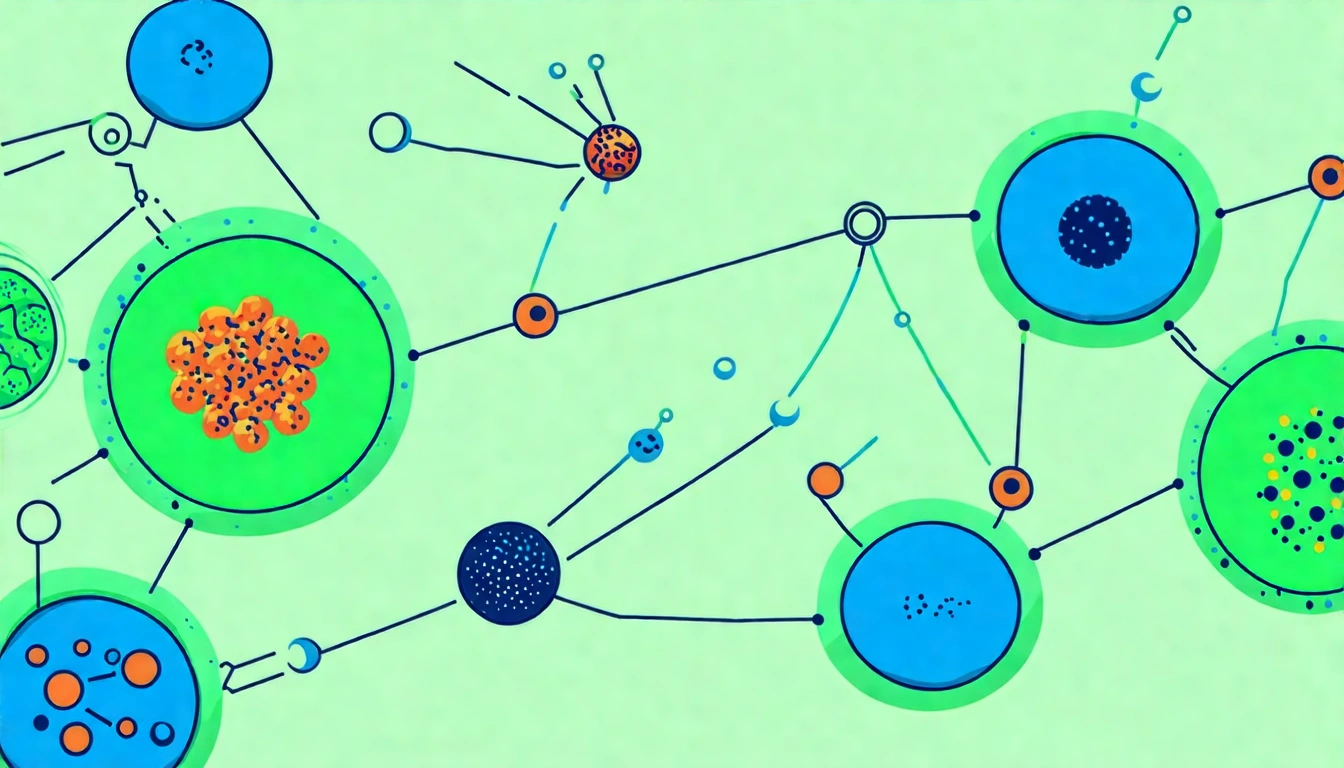
A 2023 Nature Communications study found that regular black tea consumption (5+ days per week) significantly increases the proportion of Bifidobacterium and Lactobacillus in the gut — two species that are key beneficial bacteria for intestinal health (Source: Nature Communications, 2023).
Thearubigins and polyphenolic compounds in black tea act as prebiotics in the gut, nourishing good bacteria while inhibiting harmful bacterial growth.
Relevance: Diets high in refined starches are common, and gut imbalance is widespread. Regular consumption of unsweetened black tea is a low-cost habit for improving the gut environment.
One of our long-time ChaYanSo customers is a nutritionist who told us: “I recommend my clients drink a cup of unsweetened black tea after meals every day. It’s easier to maintain than taking probiotic supplements, and it’s cheaper.” Hearing this affirmation from a professional gives us even more confidence in promoting the daily tea-drinking health habit.
Benefit 5: Immune System Support — Enhancing Mucosal Defense
L-theanine is converted to ethylamine in the gut, a substance that “trains” T-cells (immune cells), making their response to bacteria 5–10 times faster (Source: Proceedings of the National Academy of Sciences, 2003, confirmed by multiple subsequent studies).
This mechanism means regular tea drinkers have slightly enhanced resistance to common bacterial infections (such as early-stage colds). Importantly, this is not “tea cures colds,” but rather a gentle, long-term strengthening of immune foundations through regular tea drinking.
Benefit 6: Cognitive Function — The Golden Caffeine + Theanine Combination
Research shows that the combination of caffeine (approximately 40–70mg per cup) and L-theanine in black tea sustains attention and working memory more effectively than caffeine alone, with less likelihood of the post-caffeine “crash” (Source: Nutritional Neuroscience, 2022).
L-theanine modulates caffeine’s stimulating effects, making them smoother and more sustained. This is exactly why many people say “tea doesn’t make me as jittery as coffee, but keeps me just as alert” — this is a real physiological mechanism, not just atmosphere.
Benefit 7: Stress Regulation — Lowering Cortisol Levels
A University of London study in 2007 (confirmed by multiple subsequent studies) found that subjects who drank 4 cups of black tea daily for 6 weeks had cortisol (stress hormone) levels 20–25% lower than the control group when facing high-stress situations (Source: Psychopharmacology, 2007).
L-theanine promotes alpha brain wave production (a relaxed-yet-alert brainwave state), similar to brainwaves produced during meditation or deep breathing. Your daily tea time may truly be more than just a ceremonial break.
Benefit 8: Metabolism Boost — Supporting Weight Management
Black tea polyphenols have been proven to influence gut microbiota, subsequently altering fat metabolism pathways. A 2017 UCLA study showed that mice given black tea extract had notably reduced visceral fat compared to a control group consuming equal calories (Source: European Journal of Nutrition, 2017).
An important caveat: Black tea’s metabolic effects are supplementary and cannot replace exercise and dietary adjustments. However, as part of daily habits, unsweetened black tea has virtually zero calories and, combined with its metabolism-boosting effects, makes a reasonable weight management companion.
Enjoy these health benefits by drinking quality tea! ChaYanSo offers carefully selected Taiwan-grown black teas, including TTES No. 18 and honey-scented black tea. Shop Taiwan Black Tea at ChaYanSo
Optimal Daily Intake & Timing Recommendations
| Item | Recommendation |
|---|---|
| Daily recommended amount | 3–4 cups (600–800ml) |
| Total caffeine | No more than 400mg/day (including all caffeine sources) |
| Best timing | 30–60 minutes after meals (supports blood sugar regulation) |
| Times to avoid | On an empty stomach (irritates stomach lining), within 3 hours of bedtime (affects sleep) |
| Effect of adding milk | Casein may bind theaflavins, reducing antioxidant effects |
| Effect of adding sugar | Adds calories, partially counteracting metabolic benefits |
Who Should Limit Black Tea Intake?
| Group | Precautions |
|---|---|
| Pregnant women | Daily caffeine limit 200mg, approximately 2 cups |
| Anemia patients | Tannins inhibit iron absorption; drink 1 hour after meals |
| Kidney stone patients | Oxalate content requires attention; consult physician |
| Gastric ulcer patients | Avoid drinking on empty stomach; stimulates gastric acid |
| Cardiac arrhythmia | Caffeine may worsen symptoms; consult physician |
| During medication | Some drugs interact with tea tannins; ask pharmacist |
Taiwan Black Tea vs. Regular Black Tea: Health Differences
TTES No. 18 (Ruby)‘s theaflavin composition, due to its unique breeding genetics, shows approximately 15–20% higher content of theaflavin-3,3’-digallate (TFDG, the theaflavin derivative with the highest antioxidant activity) compared to standard Assam black tea, according to analyses by the Taiwan Tea Research and Extension Station. This observation comes from information compiled through ChaYanSo’s long-term collaboration with tea farmers.
This means that when it comes to drinking black tea, choosing Taiwan-grown varieties (TTES No. 18, honey-scented black tea) may yield higher antioxidant benefits, though large-scale clinical studies are still ongoing. Taiwan has approximately 12,000 hectares of tea gardens producing about 14,000 metric tons annually, with export unit prices approximately 6.5 times that of imported tea (MOA) — the quality advantage is data-backed.
At ChaYanSo, we’ve always believed that “drinking the right tea matters more than drinking more tea.” Many of our customers switched from supermarket tea bags to Taiwan-grown black tea, and the most common feedback is: “I used to think all black tea was the same — until I tried your TTES No. 18 and realized how different it can be.” Quality tea isn’t just about taste — the quality of health components like theaflavins is also entirely different.
For more on Taiwan black tea varieties, see the Complete Taiwan Black Tea Guide: Three Major Varieties Compared, TTES No. 18 Ruby Complete Guide, and the Honey-Scented Black Tea Guide.

Build a healthy habit of drinking quality tea — start by choosing the right Taiwan black tea. ChaYanSo’s curated selection of TTES No. 18, honey-scented black tea, and other premium Taiwan-grown black teas — every cup counts. Shop at ChaYanSo
FAQ: Black Tea Health Common Questions
Does daily black tea drinking really help the heart?
According to the BMJ 2023 meta-analysis (spanning 11 countries, over 300,000 participants), drinking 3–4 cups of black tea daily reduces cardiovascular disease-related mortality risk by 18–20%. This is the largest-scale black tea cardiovascular study to date. Note that these are mostly observational studies where tea-drinking habits typically coexist with overall healthy lifestyles, so causal relationships should be interpreted cautiously.
Does sweetened black tea still have health benefits?
Adding sugar increases calorie intake, and long-term high-sugar diets negatively affect blood sugar and weight, potentially offsetting some of black tea’s inherent health benefits. We recommend trying unsweetened or lightly sweetened versions first, allowing your palate to gradually adapt to tea’s natural sweetness.
Black tea or green tea — which is healthier?
Different, not better or worse. Green tea has higher EGCG (catechin) content and is generally considered to have stronger antioxidant effects; black tea’s theaflavins provide cardiovascular protection mechanisms that green tea lacks. The best strategy is to drink both, or alternate by season or mood.
Is there a problem with drinking black tea on an empty stomach?
Drinking black tea on an empty stomach allows tannins and caffeine to stimulate the stomach lining, prompting more gastric acid secretion, which can cause discomfort for those with sensitive stomachs. We recommend drinking 30–60 minutes after meals, or pairing tea with a snack.
Will black tea cause insomnia?
A cup of black tea (200ml) contains approximately 40–70mg of caffeine, with a half-life of about 5–6 hours. We recommend stopping black tea consumption 3–4 hours before bedtime. Those sensitive to caffeine should finish their daily black tea intake before 2 PM.
Further Reading
- Complete Taiwan Black Tea Guide: Sun Moon Lake Ruby, Honey-Scented & Three Major Varieties Compared
- TTES No. 18 Ruby Complete Guide: The World’s Only Cinnamon-Mint Black Tea
- Honey-Scented Black Tea Guide: The Natural Honey Aroma from Leafhopper Bites
- Oolong Tea 8 Major Benefits: Science-Backed Advantages of Drinking Oolong
- Complete Tea Health Benefits Guide: Taiwan Tea’s Health Advantages Summarized
References
- British Medical Journal (2023). Tea consumption and risk of cardiovascular disease: a systematic review and meta-analysis.
- European Food Safety Authority (2023). Scientific opinion on tea polyphenols.
- American Journal of Clinical Nutrition (2022). Effect of theaflavin supplementation on LDL cholesterol.
- Harvard School of Public Health (2024). Tea polyphenols and postprandial glycemic response.
- Nature Communications (2023). Black tea polyphenols and gut microbiome composition.
- Psychopharmacology (2007). The effects of black tea on stress and cortisol.
- European Journal of Nutrition (2017). Tea polyphenols and fat metabolism.
- Ministry of Health and Welfare (2024). Food Caffeine Content Database.