
Taiwan Tea Beginner’s Guide 2026 | 8 Best Taiwan Teas for Newcomers, Young Adults & Women
When first entering the world of Taiwan tea, many people feel like they need to “know something before they can start.”
You really don’t. You don’t need to understand oxidation theory, memorize the elevation of every tea region, or read a tea encyclopedia first. All you need to know is what kind of taste you enjoy — refreshing or rich? A touch of sweetness or a lingering finish? Starting from that one question is enough.
The Taiwan tea market has been trending younger in recent years, with the 25–34 age group’s share of Taiwan tea consumption rising from 18% in 2020 to 27% in 2024, showing that Taiwan tea is attracting more young consumers (Source: Taiwan Agricultural Products Promotion Association Market Survey, 2024).
Taiwan has approximately 16,255 hectares of tea gardens producing about 17,502 metric tons annually, with oolong tea comprising the largest share (Source: MOA, 2024). Within this enormous output, there are plenty of beginner-friendly and affordable teas.
These 8 teas are a curated entry list for different groups — selected based on the flavor preferences of newcomers, young adults, and women, featuring the Taiwan teas most likely to win you over.
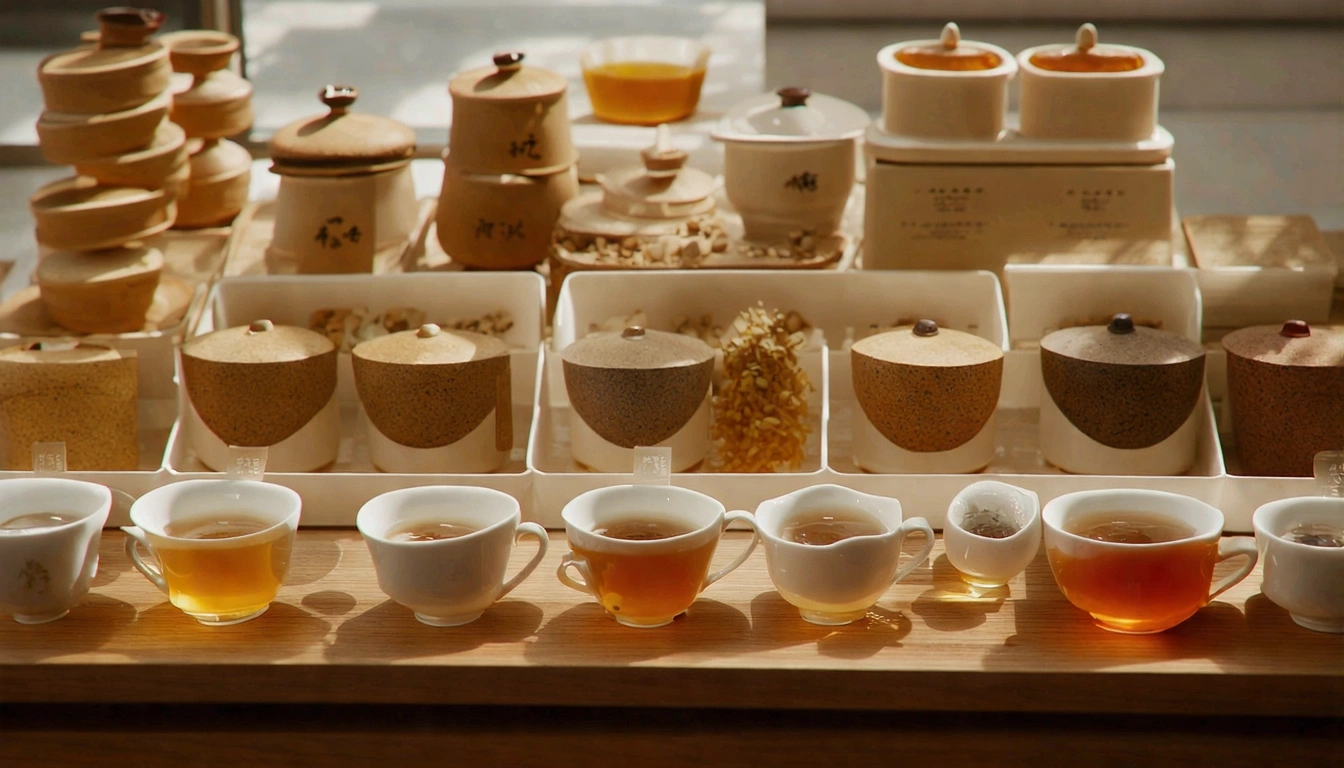
TL;DR: Beginners should start with Si Ji Chun (refreshing) or Jin Xuan (milky aroma); young adults will love cold brew Alishan oolong or honey-scented black tea; women will enjoy Oriental Beauty or osmanthus oolong. The 25–34 age group’s tea consumption share rose from 18% to 27% (Taiwan Agricultural Products Promotion Association, 2024). All recommended teas are priced between 300–1,500 NTD per jin, perfect for getting started.
Start your tea journey with ChaYanSo’s most approachable Taiwan teas. Browse Our Tea Selection
Core Principles for Beginner Tea Selection
Many beginners assume “more expensive means better” or “famous teas must suit me.” Neither is true.
First principle: From light to rich. If you’re new to Taiwan tea, start with light-aroma types (Si Ji Chun, Jin Xuan, Baozhong). These have minimal bitterness, clean floral aromas, and won’t put you off on the first sip. Once you’re accustomed to tea’s fragrance, gradually move toward heavier-roast Dong Ding oolong or more intense high mountain teas.
Second principle: Price doesn’t need to be high — fit matters most. Si Ji Chun or Jin Xuan at 300–600 NTD per jin are among Taiwan’s best-value entry teas. You don’t need to start with Lishan or Dayuling. Nantou County accounts for 48.9% of Taiwan’s tea garden area, and Chiayi County for 14.1% (Source: MOA, 2024) — these two major regions produce abundant, consistently quality entry-level teas.
Third principle: Try before you commit. Many Taiwan tea vendors (including ChaYanSo) offer tasting services or small-package options. Try small quantities first, and buy larger packages only after you’ve confirmed what you like.
Many customers have told me that their first “conversion” to Taiwan tea came from cold brew Jin Xuan — the cool milky aroma feels both familiar and distinctly different from sugary drinks. That first-sip surprise is often the starting point of a lifelong tea love.
Beginner’s Top 8 Comparison Chart
The following 8 teas are organized by flavor profile and audience preference, each with a brief “why choose this one”:
| # | Tea | Aroma | Taste | Caffeine | Price Range | Best For |
|---|---|---|---|---|---|---|
| 1 | Si Ji Chun | Refreshing floral | Light, no bitterness | Medium | 300–600 NTD/jin | All beginners’ first choice |
| 2 | Jin Xuan Tea | Natural milky | Sweet, round | Medium | 400–800 NTD/jin | Milk tea lovers, bitterness-averse |
| 3 | Wenshan Baozhong | Elegant, subtle | Similar to green tea | Medium | 500–1,200 NTD/jin | Japanese tea drinkers |
| 4 | Honey-Scented Black Tea | Litchi honey | Sweet, low bitterness | Higher | 600–1,500 NTD/jin | Black tea fans, sweet tooth |
| 5 | Alishan Oolong | High mountain floral | Mellow, lingering finish | Medium | 800–2,000 NTD/jin | Those wanting the high mountain experience |
| 6 | Oriental Beauty Tea | Honey-fruit aroma | Sweet, low bitterness | Lower | 800–2,500 NTD/jin | Afternoon tea, low-caffeine needs |
| 7 | Osmanthus Oolong | Osmanthus fragrance | Soft, sweet | Medium | 600–1,200 NTD/jin | Floral-sweet lovers |
| 8 | Dong Ding Oolong (light roast) | Ripe fruit, toasty | Rich, lingering | Medium | 500–1,500 NTD/jin | Traditional Taiwan tea explorers |
Tea Recommendations for Young Adults
For young tea drinkers, aesthetics matter beyond taste: Does it photograph well? Is cold brew convenient? Does the packaging have design appeal?
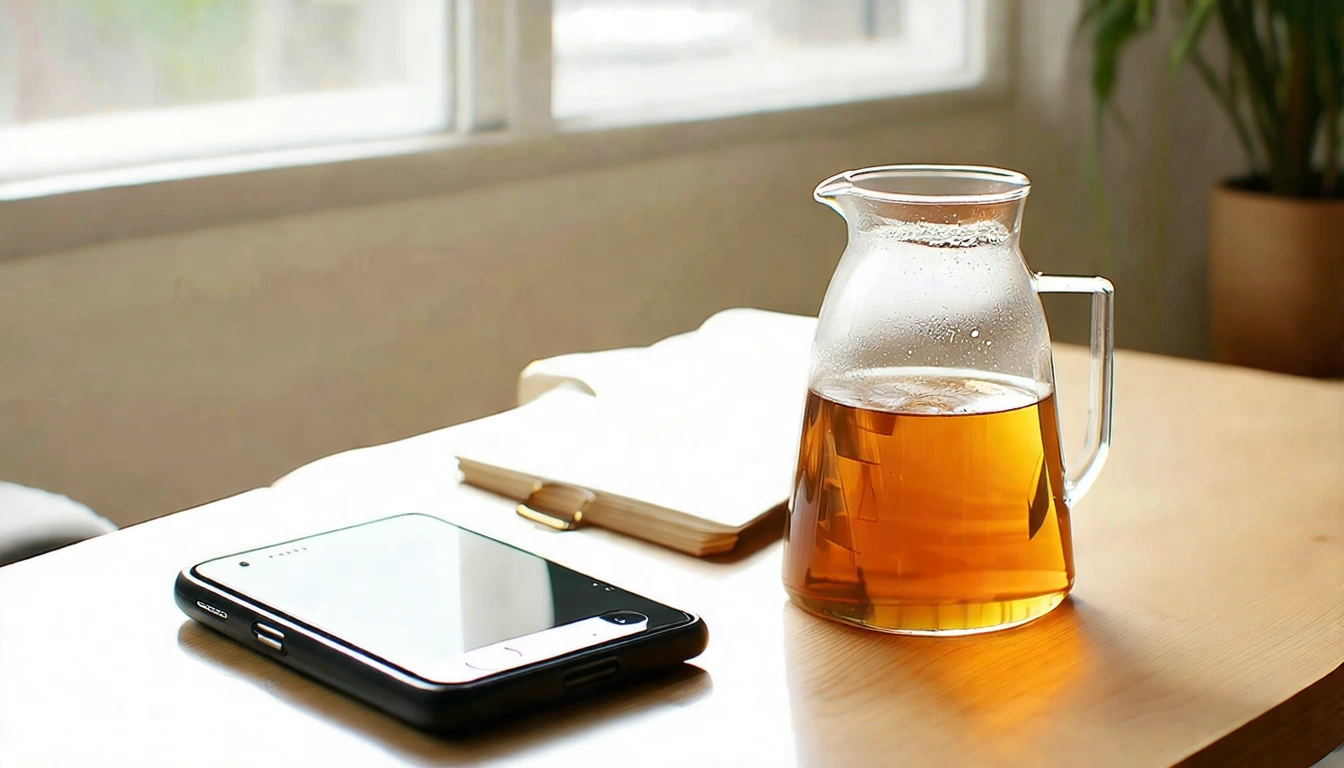
Top Pick for Young Adults: Cold Brew Teas
Cold brew Taiwan tea has surged in popularity among younger demographics because it’s: easy to make (brew before bed, drink in the morning), refreshingly aromatic, never bitter, and visually appealing. The popularization of cold brew techniques has made tea accessible via cold water, becoming a hot summer choice, while youthful packaging designs incorporating trendy elements attract the younger generation (Source: Tea Industry Market Survey, 2024).
Best Taiwan teas for cold brew:
- Alishan Oolong cold brew: Elegant aroma when cold-brewed, pale golden liquor that looks stunning in a glass pitcher
- Si Ji Chun cold brew: Refreshing floral, zero bitterness, ideal for high-volume hydration
- Honey-Scented Black Tea cold brew: Beautiful reddish-brown liquor, honey-sweet without being cloying
Cold Brew Steps (Super Simple): Tea-to-water ratio = 1:100 (e.g., 5g tea leaves in 500ml cold water), refrigerate for 6–8 hours. No need to worry about over-steeping — cold water extraction doesn’t produce bitterness. Taiwan’s export tea unit price is approximately 6.5 times that of imported tea (Source: MOA Trade Statistics, 2024) — cold brewing with Taiwan tea delivers quality far superior to bottled tea drinks.
Packaging Considerations for Young Adults
If packaging aesthetics matter to you, many Taiwan boutique tea houses (including ChaYanSo) now offer design-forward packaging that doubles as desk or kitchen decor while remaining daily-use ready.
At ChaYanSo, we’ve observed an interesting trend: over half of our customers aged 25–35 first tried our tea because a friend shared cold brew tea photos. We especially recommend they start with Si Ji Chun cold brew — low cost, simple to make, visually appealing, and nearly zero failure rate. Many people become hooked from there.
What Tea Is Best for Women?
Behind this question usually lie a few specific considerations: beauty and skin health, low caffeine, and a clean sweet taste. Here are recommendations for each need:
Need 1: Beauty & Antioxidants
Tea polyphenols have antioxidant power over ten times that of vitamin E, with catechins accounting for 80% of tea polyphenols. Non-oxidized tea has 3–4 times more catechins than fully oxidized black tea (Source: Tea Research and Extension Station Biochemical Research Report, 2023). Taiwan tea is rich in polyphenolic antioxidants, and to maximize this benefit, consider:
- Oriental Beauty Tea: Naturally sweet, high in polyphenols, the most uniquely oxidized tea in Taiwan
- Honey-Scented Black Tea: Rich in theaflavins, strong antioxidant effect
Need 2: Low Caffeine
Taiwan teas with relatively low caffeine:
- Oriental Beauty Tea (heavy oxidation reduces caffeine): approximately 20–30mg per cup
- Roasted oolong (such as roasted Dong Ding oolong): High-temperature roasting causes some caffeine to volatilize
- If drinking tea in the afternoon or evening, these two options minimize impact on sleep
Need 3: Light & Sweet
- Osmanthus Oolong: Jin Xuan or Si Ji Chun with dried osmanthus flowers, floral and sweet — one of Taiwan’s most popular floral teas among women
- Jin Xuan Tea: Natural milky aroma, virtually zero astringency — the most “un-tea-like” Taiwan tea, and extremely friendly for women trying tea for the first time
Our ChaYanSo sales data shows that among female customers, Jin Xuan and osmanthus oolong have repurchase rates far higher than other varieties — honey-sweet floral teas have remarkably strong loyalty in the female demographic. Once they find what they love, they rarely switch. We often tell new female customers: “If you can only try one, try Jin Xuan.” That advice has an exceptionally high success rate.
Found your starter tea yet? Shop ChaYanSo Now
FAQ: Common Beginner Questions About Taiwan Tea
What Taiwan tea is best for beginners?
Si Ji Chun and Jin Xuan are the two best teas to start with. Si Ji Chun has a refreshing floral aroma with no bitterness, and is delicious both hot and cold brewed. Jin Xuan has a natural milky aroma that’s very approachable for those unaccustomed to tea’s astringency. Both offer great value and broad appeal — start with a small package to try.
What tea is best for women?
Honey-Scented Black Tea (sweet, low astringency), Jin Xuan (natural milky aroma), and Oriental Beauty Tea (honey aroma, antioxidant) are the three most popular Taiwan teas among women. Choose Oriental Beauty for afternoon tea (low caffeine); Si Ji Chun cold brew for daily hydration; and Honey-Scented Black Tea for a treat-yourself moment.
How is Taiwan loose-leaf tea different from commercial tea bags?
Convenience store and chain beverage shop tea bags typically use broken tea or industrial-grade tea dust, designed for rapid extraction with one-dimensional flavor. Taiwan loose-leaf tea uses whole leaves, delivering rich aromatic layers and clear liquor. Even affordable Si Ji Chun loose tea (400–600 NTD per jin) brews with aroma and taste far superior to commercial tea bags.
Further Reading
- Tea Buying Beginner’s Guide: 5 Questions to Find Your Perfect Taiwan Tea
- Budget Taiwan Tea Recommendations: Best Teas Under 800 NTD Compared
- Tea Grades & Competition Tea Guide: Understanding Quality Levels
- Complete Taiwan High Mountain Tea Guide: Essential Reading for Advanced Drinkers
- Tea Storage Guide: Keeping Your Beginner Teas at Peak Freshness
References
- Taiwan Agricultural Products Promotion Association (2024). Taiwan Tea Consumer Market Survey.
- Taiwan Tea Research and Extension Station (2024). Taiwan Tea Variety Characteristics Data.