Alishan Oolong Tea Guide 2026 | Origin, Price Comparison & Buying Tips for High Mountain Tea Lovers
Alishan — these three characters carry far more weight in Taiwan’s tea market than just a place name. Alishan is synonymous with Taiwan’s high mountain oolong tea, the place where many people first taste a “truly sweet and smooth tea,” and the most important brand symbol for Taiwan’s tea export image. But with countless brands claiming “Alishan” on their labels, what truly distinguishes authentic Alishan high mountain oolong? How can you choose wisely and avoid getting duped?
TL;DR
Authentic Alishan oolong tea is grown in Alishan Township and Fanlu Township in Chiayi County, at elevations of 1,000–1,600 meters, renowned for large day-night temperature swings (10–15°C) and a cloud-shrouded environment. Key varieties include Alishan Jin Xuan (natural milky aroma), Qingxin Oolong (floral honey fragrance), and Si Ji Chun (refreshing floral notes). Fair market prices range from 800–2,500 NTD per jin, and anything below 600 NTD warrants careful scrutiny.
Alishan Tea Region Terroir: Why Is Alishan Tea So Sweet?
The Elevation Advantage at 1,000–1,600 Meters
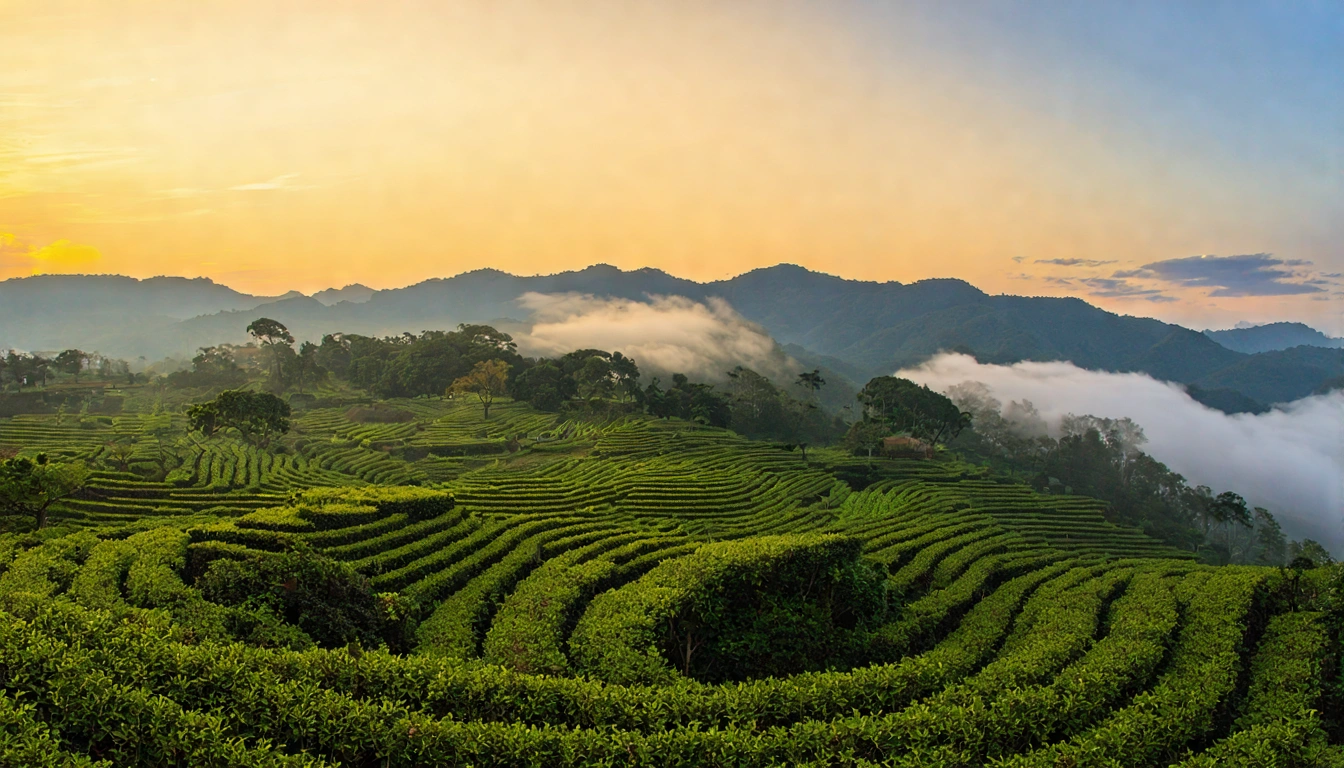
The core advantage of the Alishan tea region lies in elevation. The main tea gardens in Alishan Township and Fanlu Township in Chiayi County are distributed between 1,000 and 1,600 meters, with some premium gardens reaching as high as 1,700 meters.
At this altitude, tea trees face growing conditions vastly different from lowland plantations:
Large day-night temperature swing: Warm daytime sunlight promotes photosynthesis, while cool nighttime temperatures slow growth, causing sugars to accumulate significantly — this is the fundamental reason Alishan tea is so sweet. Alishan receives approximately 4,000mm of annual rainfall, has an average annual temperature of about 10°C, around 1,600 hours of sunshine, and relative humidity near 90%.
Extended growth cycle: High-altitude low temperatures result in lower catechin (bitter compound) levels in tea buds and leaves, while producing softer, thicker leaves with higher pectin content. This gives Alishan high mountain tea its vibrant emerald-green color and its smooth, rich, mellow flavor. Growth rates 20–30% slower than lowland tea trees allow the leaves to fully develop their flavor compounds.
Abundant fog days: Alishan averages over 200 foggy days per year. The clouds block direct sunlight, reducing the production of bitter polyphenols in the leaves, resulting in a softer, sweeter taste.
Soil Conditions
The Alishan area features mountain soils composed mainly of quartzite and sandstone, providing excellent drainage and rich organic matter. These soil conditions allow tea roots to penetrate deeply and absorb minerals thoroughly, which is also the source of Alishan tea’s distinctive “mountain character.” Chiayi County’s tea garden area accounts for 14.1% of the national total, second only to Nantou County at 48.9%, making it Taiwan’s second-largest tea-producing region.
Our ChaYanSo tea selection team visits the Alishan tea region at least four times a year, timing visits with the spring, summer, autumn, and winter harvest seasons to assess the fresh leaf quality of each season firsthand. This commitment gives us first-hand understanding of Alishan tea quality.
Signature Varieties of Alishan Oolong Tea
Alishan Jin Xuan Oolong: The Secret of Natural Milky Aroma
Jin Xuan (TTES No. 12) is a unique variety bred by Taiwan’s Tea Research and Extension Station. When grown in Alishan’s high mountain environment, it develops a distinctive natural milky aroma — this milky note is the combined result of varietal characteristics and high-altitude climate, requiring no added flavorings whatsoever.
The common reaction upon first tasting Jin Xuan is “Why does this tea have a milky flavor?” — this very surprise is what makes Alishan Jin Xuan so captivating. At our ChaYanSo retail locations, we frequently see first-time Jin Xuan drinkers light up with delight. This natural milky aroma is a genetic trait of the Jin Xuan variety, produced by terpene compounds such as nerolidol, which are especially pronounced in high-altitude, low-temperature environments.
- Oxidation level: 20–30%
- Brewing suggestion: 85–88°C, first infusion 1 minute
- Characteristics: Natural milky aroma, sweet and light, the most widely accepted style among Taiwan teas
- Best for: Taiwan tea beginners, those who enjoy sweet and fragrant profiles
Alishan Qingxin Oolong: The Orthodox Floral-Honey Classic
Qingxin Oolong is Taiwan’s most traditional oolong tea variety. In Alishan’s high mountain environment, it produces a very distinct floral-honey fragrance — with more floral complexity than Jin Xuan and less milky sweetness, it comes closest to the archetype of “pure oolong tea aroma.”
For those with some tea-tasting experience, Alishan Qingxin Oolong is a variety worth exploring more deeply than Jin Xuan.
- Oxidation level: 20–30%
- Characteristics: Floral-honey fragrance, rich layered flavors
- Best for: Experienced tea drinkers who enjoy floral-style oolongs
Alishan Si Ji Chun: The Best Value for Daily Drinking
Si Ji Chun (TTES No. 17) can be harvested four times a year, yielding more than Qingxin Oolong and Jin Xuan, which makes it more affordably priced — but no less excellent in quality. Its refreshing magnolia-like fragrance makes it an ideal choice for the office or everyday drinking.
- Oxidation level: 25–35%
- Characteristics: Magnolia floral aroma, refreshing and sweet, excellent value
- Best for: Daily drinking, office tea
Alishan Oolong Tea Price Guide 2026
Alishan oolong tea pricing is influenced by multiple factors. Here are reasonable market reference prices for 2026:
| Variety | Quality Grade | Fair Price per Jin | Low-Price Warning |
|---|---|---|---|
| Alishan Jin Xuan | Standard | 600–1,000 NTD | Below 500 NTD |
| Alishan Jin Xuan | Premium Select | 1,000–1,800 NTD | — |
| Alishan Qingxin Oolong | Standard | 800–1,500 NTD | Below 600 NTD |
| Alishan Qingxin Oolong | Spring Select | 1,500–2,500 NTD | — |
| Alishan Si Ji Chun | Standard | 500–900 NTD | Below 400 NTD |
| Alishan High Mountain Oolong (Top Tier) | Competition Grade | 3,000+ NTD | — |
Lishan vs. Alishan Price Difference Explained
Lishan (1,600–2,600m) sits at a higher elevation than Alishan (1,000–1,600m), grows even more slowly, and is harvested fewer times per year. As a result, top-tier Lishan teas typically cost 1.5 to 2.5 times more than comparable Alishan teas. This doesn’t mean Alishan quality is inferior — rather, Lishan is simply rarer. It’s worth noting that Taiwan’s tea export unit price is approximately 5 to 6.5 times that of imported tea, reflecting Taiwan high mountain oolong’s premium positioning in the international market.
How to Buy Authentic Alishan Oolong Tea
Visual Assessment
Key visual characteristics of authentic Alishan high mountain light-roast oolong:
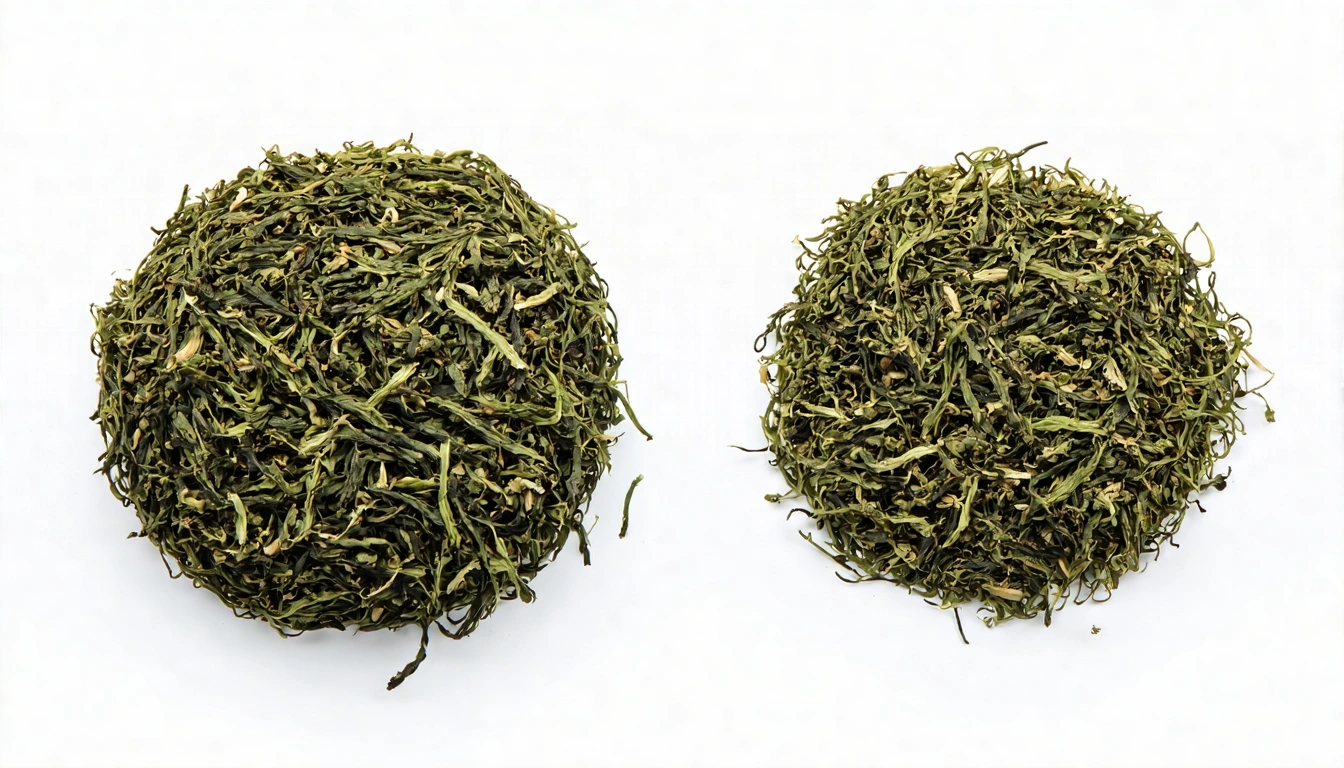
- Leaves are tightly rolled into ball shapes (not loose strips)
- Color is dark green with a glossy sheen, with visible white tips (small buds)
- Dry leaves have a clean floral fragrance, not harsh or artificial
Aroma Assessment
When brewed, authentic Alishan oolong should show:
- Immediately upon pouring: A distinct floral fragrance rises from the cup
- Upon tasting: Sweet and smooth with no bitterness, a lingering sweet aftertaste in the throat
- When cooled: The aroma becomes even more persistent; the cooler it gets, the sweeter it tastes
Packaging Label Verification
Quality Alishan oolong brands should display:
- Specific origin (Alishan Township or Fanlu Township, Chiayi County)
- Elevation (at least an altitude range)
- Harvest season (spring tea, winter tea, or specific harvest date)
- Variety name (Jin Xuan, Qingxin Oolong, Si Ji Chun)
Products labeled simply “Alishan High Mountain Tea” without specifying elevation, sub-region, harvest season, or variety name deserve a healthy dose of skepticism.
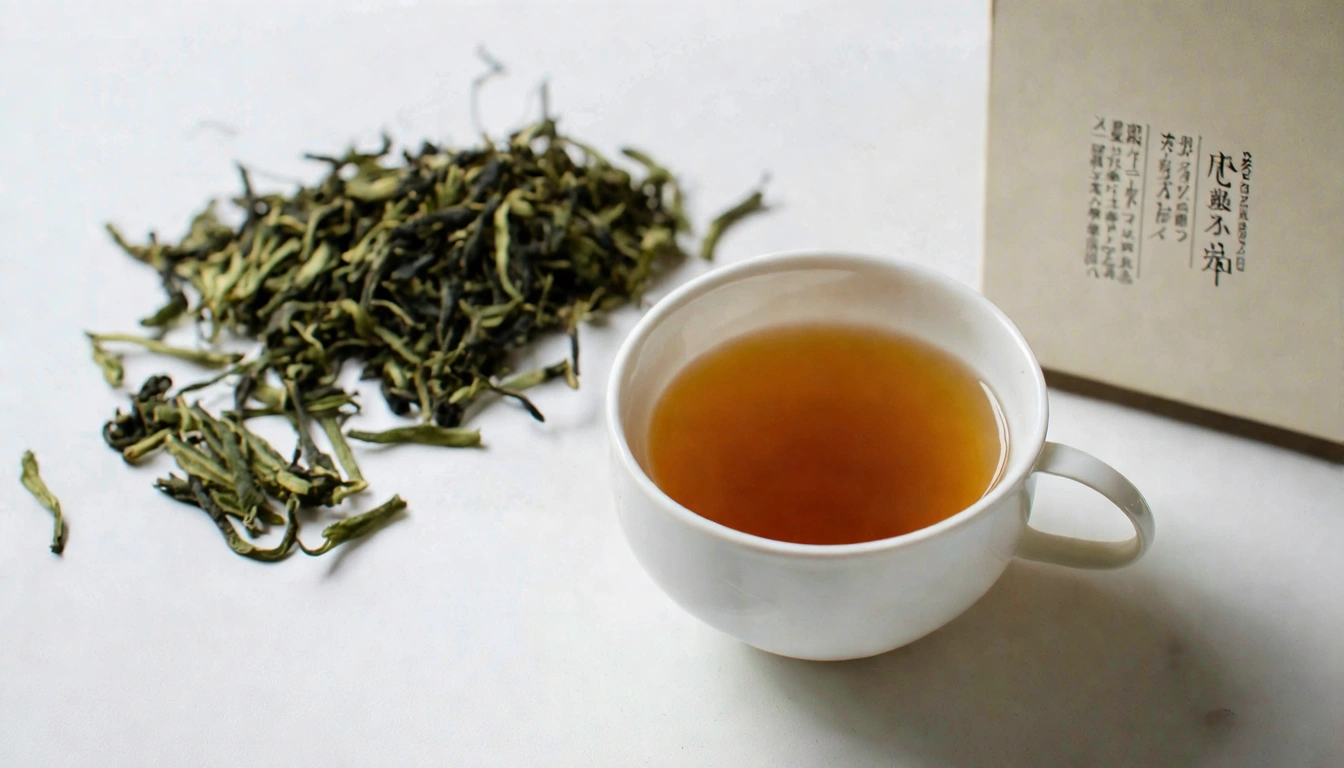
Taste authentic Alishan high mountain oolong — ChaYanSo’s curated selection, delivered straight from the source at 1,000m+ elevation. Browse Our Tea Selection
Frequently Asked Questions
Q: What is a fair price for Alishan tea per jin?
It depends on the variety and grade: Alishan Jin Xuan normally ranges from 600–1,800 NTD per jin, Alishan Qingxin Oolong from 800–2,500 NTD, and top-tier competition grades can exceed 3,000 NTD. “Alishan tea” priced below these ranges warrants extra caution regarding origin authenticity — the growing costs in Alishan determine a reasonable price floor.
Q: What is the best way to brew Alishan oolong tea?
Hot brew: Use 90°C water (Jin Xuan can be slightly lower at 85–88°C to preserve the milky aroma), with a tea-to-water ratio of 1:50. First infusion for 1–1.5 minutes, adding 30 seconds for each subsequent infusion. Quality Alishan oolong can be brewed 5–7 times.
Cold brew: 1g of tea per 100ml of cold water, refrigerated for 6–8 hours. The tea produces a remarkably clear, sweet, and floral brew — the perfect way to enjoy it in summer.
For detailed brewing instructions, see the Complete Oolong Tea Brewing Guide.
Q: Which is better — Alishan spring tea or winter tea?
Spring tea (March–May): The most aromatic with pronounced floral notes, considered the most prized harvest of the year. Winter tea (October–December): A richer, sweeter, more mellow flavor with higher sweetness — many seasoned tea drinkers prefer it. Summer tea: Faster growth due to heat produces more bitterness; quality is generally lower than spring and winter harvests.
We suggest trying both spring and winter tea at least once to discover your personal preference.
Q: Is the milky aroma in Alishan Jin Xuan natural or artificially added?
The milky aroma in authentic Alishan Jin Xuan is a natural varietal characteristic — no flavoring is added. This milky note comes from naturally occurring chemical compounds in the Jin Xuan (TTES No. 12) variety, specifically terpene compounds like nerolidol, which are especially pronounced in high-altitude, low-temperature environments. How to tell: Natural milky aroma is subtle and elegant, not intense or cloying; it persists through multiple infusions; artificial fragrances typically disappear after the third brew.
Alishan High Mountain Oolong Buying Tips: Know the Origin, Understand the Price, Never Get Burned
The charm of Alishan oolong tea lies in the “sweetness and fresh aroma you feel from the very first sip” — you don’t need tea expertise or special tasting techniques to intuitively feel the gentle gift that the mountain environment bestows upon these leaves. Taiwan has approximately 12,000 hectares of tea gardens producing about 14,000 metric tons annually, with oolong tea making up the largest share. Alishan is one of Taiwan’s most representative oolong tea-producing regions. Our ChaYanSo team maintains ongoing partnerships with local Alishan tea farmers, and every batch comes with origin information and pesticide testing reports, giving consumers peace of mind.
This is why Alishan high mountain oolong tea is the best entry point into Taiwan tea, and a gift choice that never disappoints.
For more Taiwan oolong tea knowledge, see the Complete Oolong Tea Guide; for an introduction to Taiwan’s tea regions, see the Complete Taiwan Tea Region Guide.
Further Reading
- Complete Oolong Tea Guide: Types, Benefits, Recommendations & Brewing
- Complete Taiwan Tea Region Guide: Origins, Flavors & Buying Tips
- Gui Fei Oolong Tea: The Unique Litchi-Honey Taiwan Tea
- Oolong Tea Health Benefits: 8 Science-Backed Advantages
- Complete Oolong Tea Brewing Guide: Temperature, Timing & Infusion Count
The misty aroma of Alishan — love at first sip. ChaYanSo’s curated Alishan high mountain oolong. Explore ChaYanSo